
What is the Etiquette for Parents on Wedding Invitations? A Guide to Help You Navigate the Process
When it comes to wedding invitations, knowing the etiquette for including parents can make a big difference. Traditionally, the names of the bride’s parents appear at the top of the invitation since they are often considered the hosts of the event. This reflection of family heritage adds a touch of formality and respect to your special day.
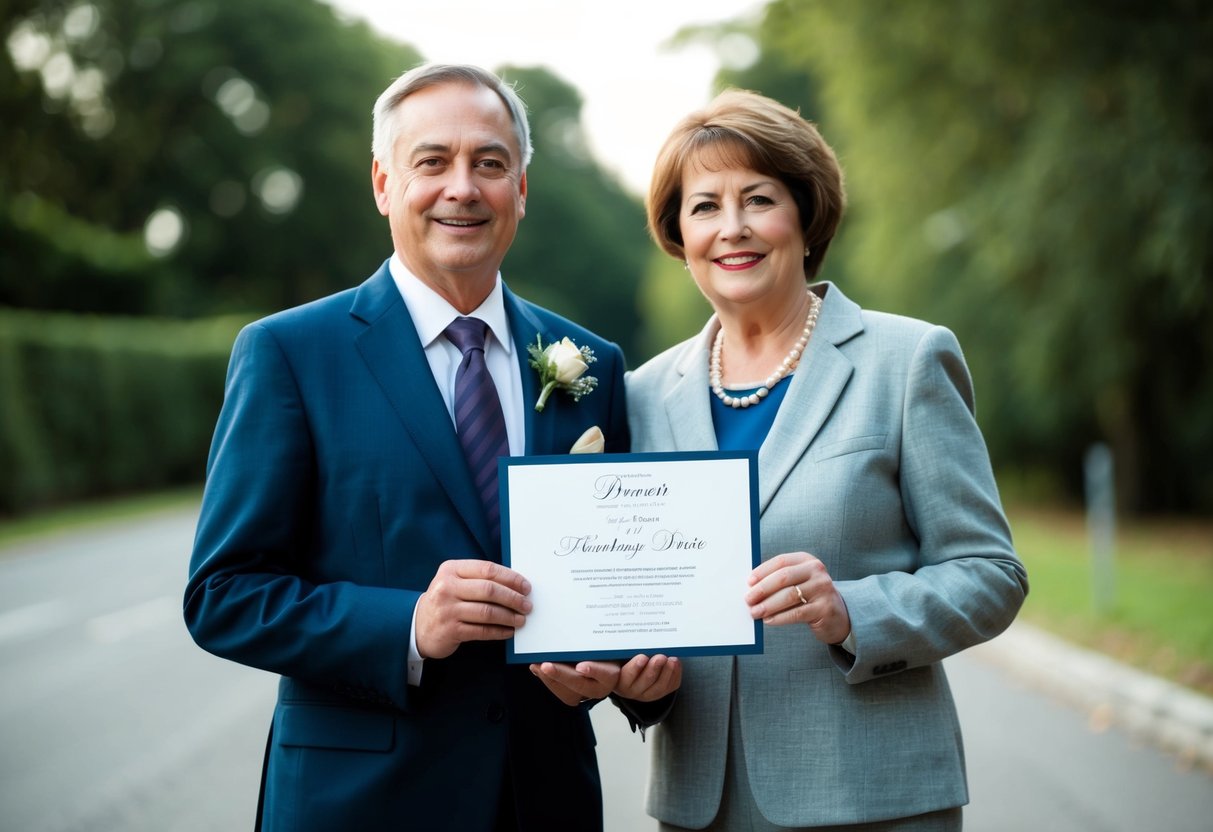
If your parents are divorced, it’s essential to list their names separately. This ensures the mother’s name appears first unless she is not helping financially. This attention to detail not only shows respect to your families but also helps avoid any awkwardness among guests. You want everyone to feel included and valued in your celebration.
The wording you choose for your invitations sets the tone for your wedding. It’s worth taking the time to find the right wording that acknowledges your parents appropriately. This thoughtful approach will help you craft invitations that guests will love and remember, celebrating your unique family story.
Understanding Wedding Invitation Wording
Wedding invitations are a chance to reflect your unique family situation and set the tone for your special day. Choosing the right wording is important, as it shows respect for family structures and relationships. Here are some key considerations for crafting your invitation.
Traditional vs. Modern Phrasing
Traditional wedding invitations usually follow a formal structure. Often, the bride’s parents’ names are mentioned first, signaling their involvement in the wedding. A classic example might begin with “Mr. and Mrs. John Smith request the honor of your presence…”
In contrast, modern phrasing allows for flexibility. You can choose how to list names based on what feels right for your families. For example, you might say, “Together with their families, Emily Jones and Jake Taylor invite you to celebrate…”
This approach gives you room to personalize your invitation while still respecting traditional etiquette.
Incorporating Both Sets of Parents
When including both sets of parents, make sure to honor everyone properly. If both families are hosting, list their names in a respectful and organized manner.
For instance, you could write: “Mr. and Mrs. Smith and Mr. and Mrs. Johnson request the pleasure of your company…”
This format celebrates the contributions of both families and sets a warm tone for your celebration. Remember, consistency in style matters, so ensure the language matches throughout the invitation.
Etiquette for Remarried and Divorced Parents
Handling remarried and divorced parents on wedding invitations can be delicate. If parents are divorced, include their names separately. You might say, “Mrs. Jane Smith and Mr. John Doe invite you to celebrate the marriage of their children…”
If your parents are remarried, consider including both sets of parents. For example, “Mr. and Mrs. Smith and Mr. and Mrs. Johnson invite you…”
This recognizes new family dynamics while ensuring no one feels left out.
Acknowledging Deceased Parents
If one or both of your parents have passed away, it’s important to acknowledge them thoughtfully. You can mention deceased parents in a respectful way, which adds a personal touch to your invitation.
For example, “In loving memory of Jane Doe, mother of the bride, and John Doe, father of the groom, we invite you to celebrate…”
This gently honors their memory while allowing you to focus on the joy of the occasion.
Representing Step-Parents and Blended Families
In today’s diverse family structures, including step-parents is essential. If you have step-parents, acknowledge them on your invitation to reflect your family accurately.
A suitable phrasing might be, “Mr. and Mrs. Smith, along with Mr. and Mrs. Johnson, invite you…”
This approach embraces your blended family. Make sure all names are listed clearly and appropriately so every family member feels recognized.
Crafting the Host Line
Creating the host line on your wedding invitation is an essential step in setting the tone for your special day. This line indicates who is hosting the wedding and shows appreciation for their contributions. Think carefully about how you want to present this information.
Who Is Hosting?
The host line traditionally names the parents of the couple. If the bride’s parents are covering costs, their names often lead the line. You may choose to include both sets of parents or even the couple themselves. In cases of same-sex couples, you can include both partners’ parents or simply list their names.
For example:
- If the bride’s parents host:
“Mr. and Mrs. John Smith request the honor of your presence…” - If both sets of parents host:
“Together with their families, Emma Smith and Olivia Johnson request…”
Formal and Informal Variations
Your choice of wording here can reflect the formality of your wedding. For formal events, use full names and titles.
A formal version might read:
“Mr. and Mrs. John Smith and Mr. and Mrs. David Brown request…”
For a casual or informal wedding, you can simplify this. You might say:
“Emma and Olivia invite you to celebrate…”
Remember, the tone should match your wedding’s style. Think about your guests and what feels right for your celebration.
Mentioning Financial Contributions
In traditional settings, the parents of the bride often cover most wedding expenses, so their names usually appear first. If both families contribute, you can reflect this in the host line. This inclusion honors everyone involved and acknowledges their support.
If you prefer not to specify who is paying, you can simply name the couples involved. For example:
“Emma Smith and Olivia Johnson invite you to join…”
This way, the focus remains on the couple while still honoring the families involved. Whatever approach you choose, clarity is key, so guests know who is hosting the wedding.
Additional Details to Include
Including extra details on your wedding invitation helps your guests know what to expect for the big day. This section covers important elements such as dress codes and how to share additional information.
Dress Code and Ceremony Information
Clearly stating the dress code can guide your guests in choosing their outfits. Common dress codes include:
- Black Tie: Formal attire, typically a tuxedo for men and elegant dresses for women.
- Semi-Formal: A step down from black tie, such as a suit for men and cocktail dresses for women.
- Casual: More relaxed, can include sundresses for women and slacks with a nice shirt for men.
In addition to the dress code, include details about the ceremony. Specify if it’s indoors or outdoors, and note any steps if the venue has unique features like stairs. This ensures your guests are prepared and comfortable.
Wedding Website and Additional Communication
Adding a link to your wedding website on the invitation can be a great resource for your guests. This site can include:
- Venue details
- Accommodation options
- Registry information
- Directions
Make sure to mention any other forms of communication, such as a contact person for questions. Keeping this information handy helps guests feel informed and connected, making their experience smoother.
Including these details helps your guests be more prepared for your big day.