
What is the Etiquette for Wedding Flowers? Essential Tips for a Beautiful Celebration
When planning your wedding, flowers play a crucial role in creating the right atmosphere and look for your special day. Proper etiquette for wedding flowers includes knowing who gets what and ensuring everyone feels included and appreciated. From bouquets for the bride and bridesmaids to boutonnieres for the groom and groomsmen, each floral arrangement has its place and meaning.
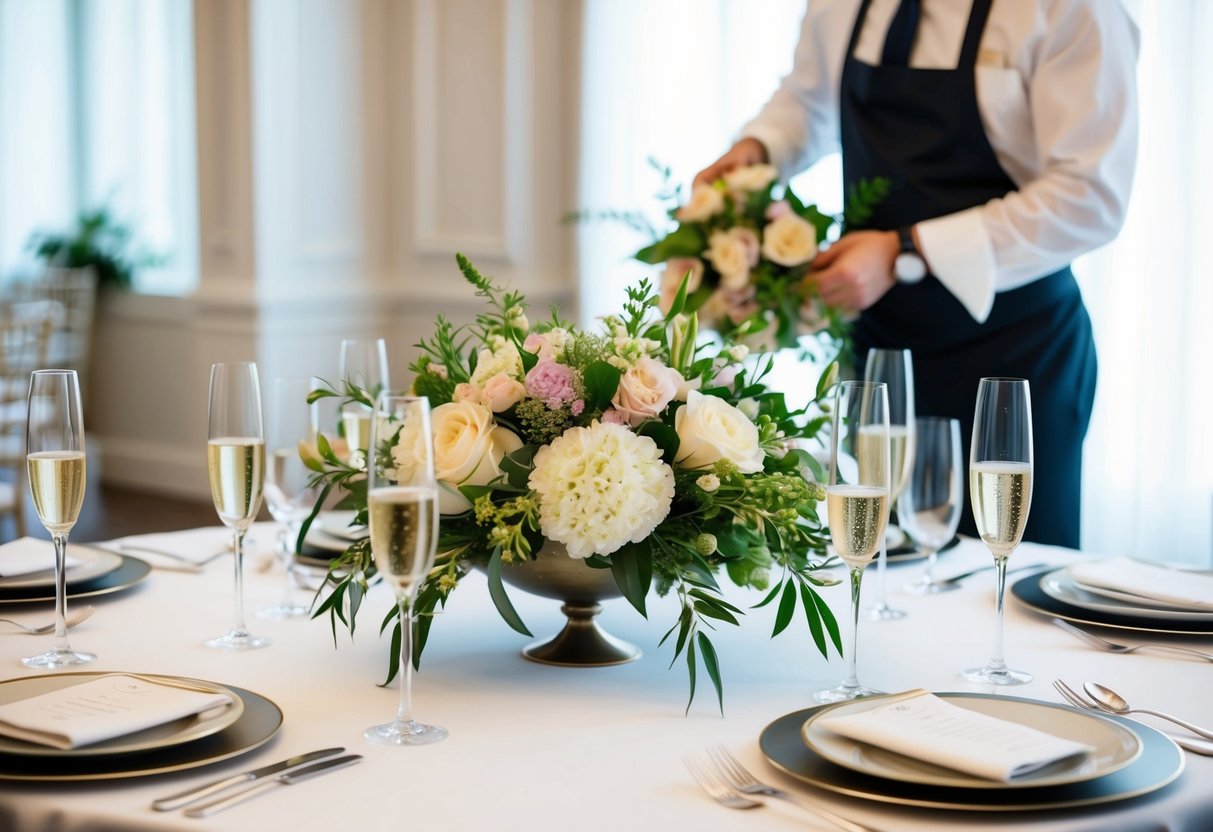
Understanding flower etiquette can simplify your planning process and help you avoid any potential missteps. For instance, the mother of the bride typically wears a corsage, while the flower girl might carry a small bouquet or scatter petals. Knowing these details will ensure that you honor your loved ones while adding beauty to your event.
As you dive into the details of your wedding, remember that flowers symbolize love and celebration. Following proper etiquette not only enhances your wedding’s aesthetics but also expresses thoughtfulness toward your guests. With this guide, you’ll feel confident in making beautiful choices that reflect your style and the significance of the day.
Choosing Your Wedding Flowers
Selecting flowers for your wedding is an exciting part of the planning process. Understanding the basics of flower arrangements, aligning them with your wedding theme, and considering seasonal availability are key steps in making the right choices.
Understanding the Basics of Flower Arrangements
When it comes to flower arrangements, think about how they will fit together for your big day. A good florist can help you create stunning designs that match your vision.
Consider the following types of arrangements:
- Bouquets: These are for you and the bridal party. Think about using blooms like roses or peonies for a classic look.
- Centerpieces: These will decorate your tables. Use taller arrangements to create height or low arrangements for a more intimate feel.
- Decorative Accents: Corsages or boutonnieres add a nice touch for family and special guests.
Each arrangement should complement the others and enhance the wedding’s overall look.
Incorporating the Wedding Theme and Venue
Your wedding theme plays a big role in choosing flowers. If you have a rustic theme, consider local wildflowers or sunflowers for a natural touch. For an elegant event, you might choose classic flowers like tulips and roses.
The venue also matters. In a church, you might want soft, romantic arrangements. If you’re outdoors, go for vibrant colors and seasonal options. Your flowers should reflect both your style and the environment where you’re getting married.
Selecting Flowers Based on Season and Availability
Selecting flowers by season is a smart way to save money. Flowers like peonies flourish in late spring. If you’re getting married in summer, roses and tulips are readily available.
Check with your florist about what’s in season and can be sourced easily. Seasonal flowers are not just more affordable; they also look fresher and more vibrant.
Here’s a quick seasonal guide:
- Spring: Peonies, tulips, and daisies
- Summer: Sunflowers, roses, and hydrangeas
- Fall: Mums, dahlias, and asters
- Winter: Poinsettias, evergreens, and amaryllis
Roles and Responsibilities
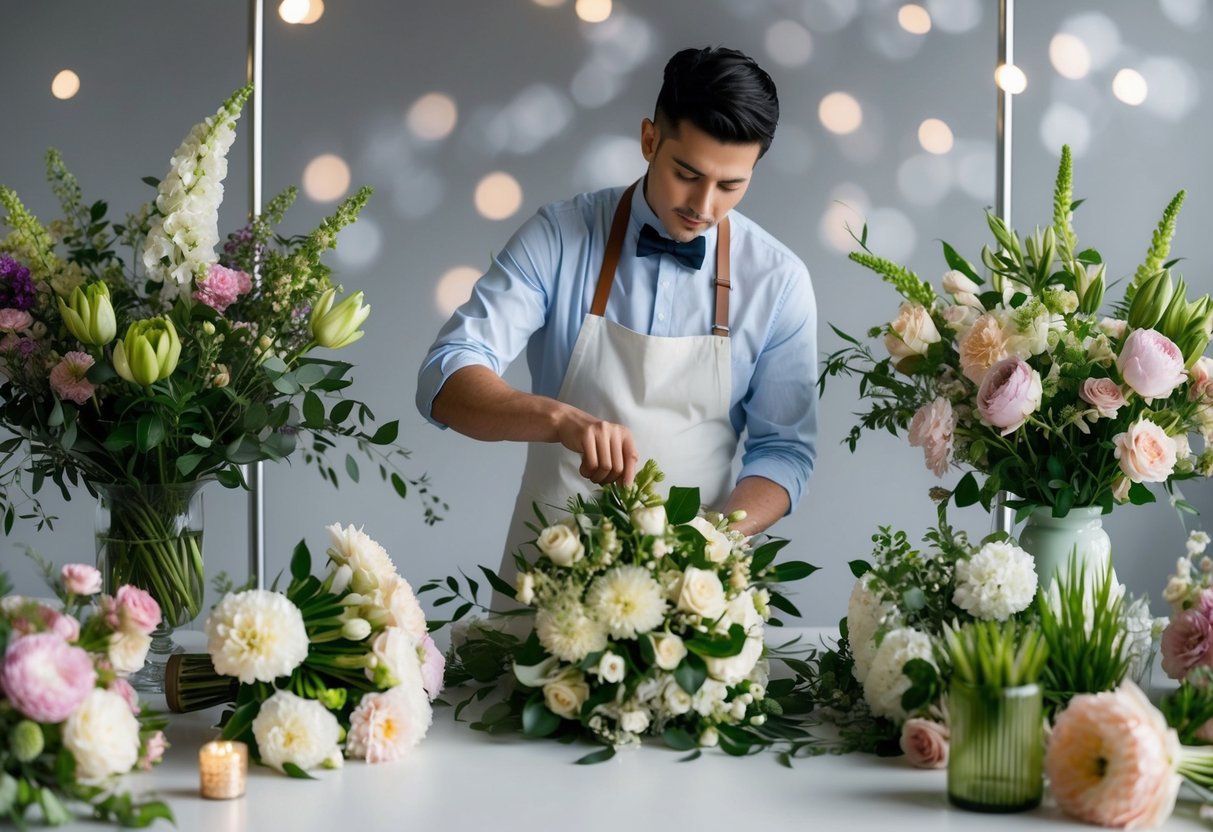
When planning your wedding flowers, it’s essential to understand the different roles involved in the process. From working with a florist to considering floral decorations for your ceremony and reception, each detail plays a significant part in your big day.
Working with Your Florist or Floral Designer
Choosing the right florist is one of the first steps in your wedding planning. Take your time to research local florists or floral designers who match your style and vision. Schedule consultations to discuss your ideas, budget, and any specific needs you may have.
During these meetings, share your wedding color scheme and theme. Your florist can suggest suitable flowers and arrangements. Don’t forget to ask about seasonal flowers, as this can affect pricing and availability. Establish clear communication throughout the planning process for the best results.
Floral Elements for the Wedding Party
Each member of your wedding party plays a role in enhancing the day’s visual appeal through floral elements. Start with the bride, who carries a beautiful bridal bouquet. Bridesmaids typically have matching bouquets to create a cohesive look. The flower girl can carry a petite bouquet or scatter flower petals down the aisle.
For the men, options include boutonnieres for the groom, groomsmen, and ushers. These small flowers add charm and coordination. If you have a ring bearer, consider including a boutonnière or a small floral accessory to keep everything aligned.
Special Considerations for the Ceremony and Reception
Think about how flowers will enhance both your wedding ceremony and reception. Choose floral arrangements that complement your venue. You might need focus pieces, such as altar arrangements, to draw attention during the ceremony.
For the reception, floral centerpieces play a vital role in the overall decor. Consider a mix of height and size for visual interest. Ensure to discuss setup and breakdown with your florist, so everything transitions smoothly. Including elements like corsages for mothers and boutonnieres for grandfathers adds special touches.
Floral Etiquette and Traditions
Understanding floral etiquette and traditions is key to a beautiful wedding. The flowers you choose reflect your style and can enhance the overall atmosphere of your big day. Let’s look at the important details regarding bouquets, boutonnieres, corsages, and centerpieces.
Bouquets and Boutonnieres
Bouquets are a must for brides and bridesmaids. The bride usually carries a larger, more dramatic bouquet, while bridesmaids have smaller matching ones. You can work with a professional florist to create the right arrangement that fits your theme.
Boutonnieres are worn by the groom and groomsmen on their lapels. These are typically smaller than bouquets but should complement the flowers used in the bouquets. Remember to choose flowers that are easy to pin and durable enough to last throughout the ceremony.
Corsages and Wrist Corsages for Guests
Corsages are floral arrangements worn by female guests, like mothers and grandmothers. Traditionally, they are pinned to clothing for formal occasions. A wrist corsage is a lovely alternative and is easier to wear, especially for special guests.
Choosing flowers that suit the attire of the guests is important. Work with your florist to create designs that complement the overall wedding theme. As a tip, ensure that corsages match the color palette of the wedding for a cohesive look.
Centerpieces and Table Decorations
Centerpieces play a vital role in the reception decor. You can choose between simple floral arrangements or elaborate designs, depending on your style and budget. Consider the size of the tables. Taller arrangements can create an elegant effect, but they may obstruct sightlines.
Using different heights and types of flowers can make your table decorations more interesting. Don’t forget to coordinate the centerpieces with other elements, like table linens and place settings. A professional florist can help you achieve a balanced and eye-catching design.