
What is the Final Wedding Guest List? Tips for Crafting Your Perfect Celebration
As you dive into wedding planning, one crucial step is putting together your final wedding guest list. The final guest list is the list of guests you officially invite to your wedding. It’s essential for managing your venue, catering, and overall budget. Getting this list right can help ensure that your special day runs smoothly and is filled with the people you love the most.
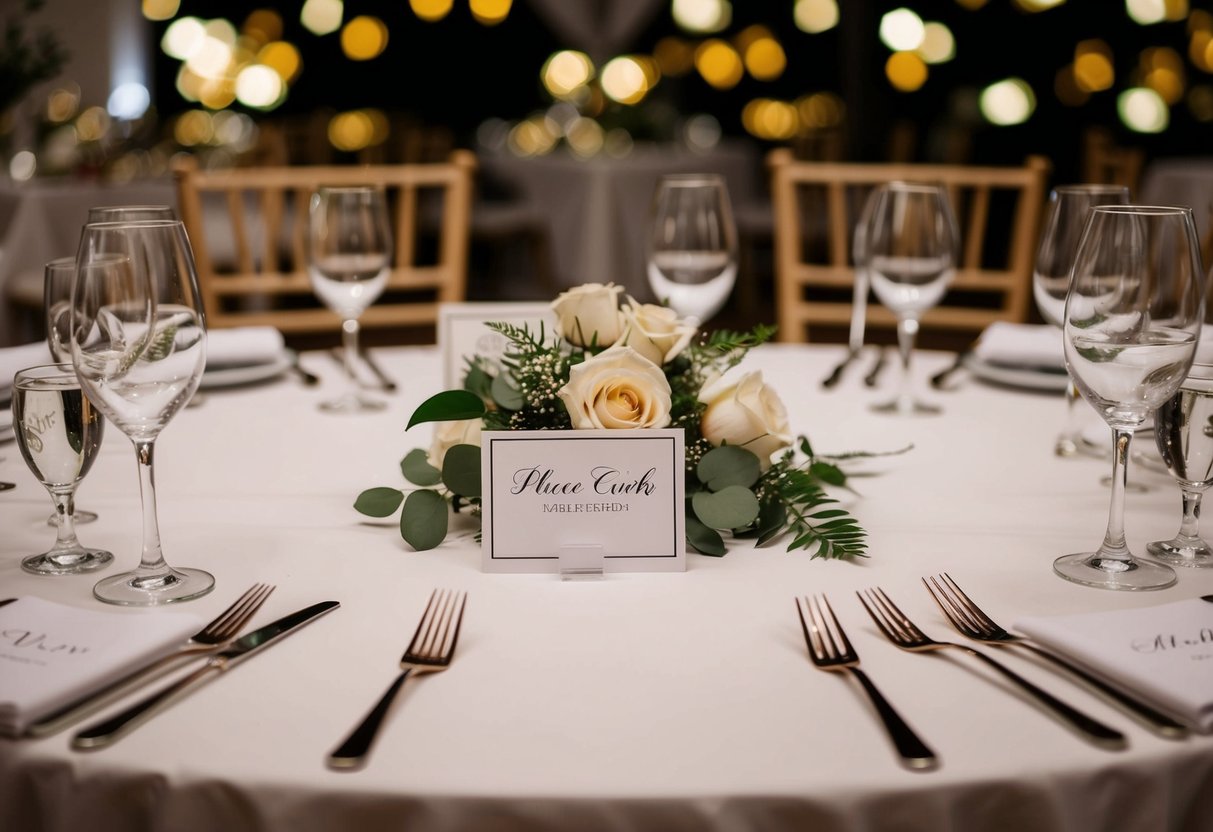
Once you’ve gathered names, it’s important to keep track of RSVP responses. Knowing who will attend allows you to finalize seating arrangements and plan for food and drinks accurately. This list isn’t just about numbers; it reflects the joy of sharing this moment with those closest to you.
Navigating family dynamics and friendships can be tricky during this process. You might find yourself making tough choices about who to invite. Keep in mind that this is your day, and prioritizing meaningful connections will help create the perfect atmosphere for your celebration.
Creating Your Initial Guest List

Creating your initial guest list is a vital step in wedding planning. This process helps you understand how many guests you can invite, while also making sure you include everyone important to you. Here are some key elements to consider.
Determining the Guest Count
Start by deciding how many guests you want to invite. This number will guide your planning in various areas like the venue and catering.
Consider factors such as your budget and venue capacity. A small wedding could have around 50 guests, while a larger celebration may allow for 200 or more.
Take a moment to make a list of people who matter most to you. Aim for a balance between family, friends, and acquaintances to create a guest list that feels right for you.
Categorizing Guests into A-List and B-List
Once you have your initial list, divide your guests into two categories: A-list and B-list.
A-list: These are your must-have guests. This group typically includes close family and friends who you feel you cannot celebrate without.
B-list: This group can be for guests who you would like to invite but are not as crucial to your celebration.
This method allows you to control your guest count while still having the option to invite more people later, if space allows.
Including Immediate Family and Close Friends
When creating your guest list, prioritize your immediate family and closest friends. These people are often the most significant supports in your life.
Think about including:
- Parents or guardians
- Siblings
- Grandparents
- Best friends or other significant people
Make sure to gather their thoughts if they have plus-ones. Connecting with them directly can help ensure everyone important is included. Remember, your wedding day is about joy and support, shared with those who mean the most to you.
Managing Invitations and RSVPs
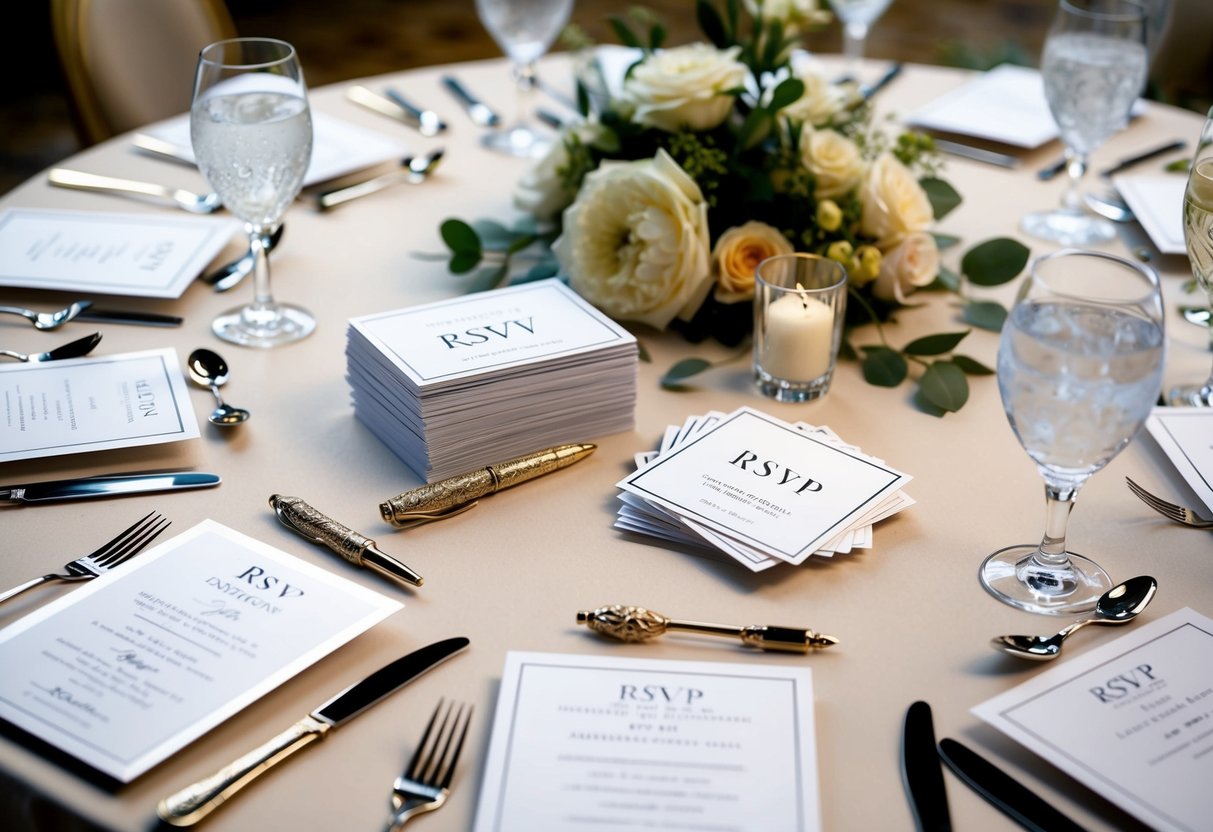
Managing invitations and RSVPs is a crucial step in your wedding planning. Doing it well helps ensure that everything runs smoothly on your big day. Here are the important parts to focus on: crafting and sending out invitations, tracking RSVPs, and setting RSVP deadlines.
Crafting and Sending Out Invitations
When it comes to wedding invitations, you can choose between elegant paper invites or modern digital ones. Many couples also send out save the dates ahead of time to give guests ample notice.
If you’re opting for paper, consider hiring a calligrapher for a beautiful touch. A well-designed invitation should reflect your wedding’s theme and provide all necessary details.
Make sure to include important information like the date, time, and location. Also, consider including an RSVP card. This makes it easier for guests to reply promptly.
Tracking RSVPs and Final Headcount
As invitations go out, you’ll need to start tracking the responses. Use a guest list manager like The Knot Guest List Manager to keep everything organized.
Create a system to note who has responded and who hasn’t. Highlight any guests who have declined so you can finalize your headcount. This final number is important for catering and seating arrangements.
Reach out to those who haven’t responded as the date approaches. This ensures you get the most accurate count possible.
Setting RSVP Deadlines
Set a clear RSVP deadline to help you manage your guest list effectively. A good rule of thumb is to ask for responses at least 4-6 weeks before the wedding date.
Clearly state this deadline on your invitations. This will motivate guests to respond in a timely manner. You can also follow up with gentle reminders as the date nears.
By setting these deadlines, you’ll have ample time to finalize seating arrangements and inform your vendors of the final count.
Coordinating with Vendors and Venue

When planning your wedding, coordinating with your vendors and venue is crucial. This helps ensure everything runs smoothly on your big day. Pay attention to your seating chart and meal selections, and make necessary adjustments with your caterer regarding venue capacity and dietary restrictions.
Finalizing the Seating Chart and Meal Selections
Creating a seating chart is essential for a well-organized reception. Begin by listing guest names and grouping them by family or friends. This makes it easier to decide who sits where.
Also, consider meal selections and any dietary restrictions your guests may have. Communicate these needs to your caterer early on. Make a clear list of meal options so everyone feels included.
Don’t forget to confirm the final seating chart with your venue to ensure they can accommodate your setup. This attention to detail will help everyone enjoy the event without confusion.
Adjusting Plans with Caterers and Venue Capacity
Your venue has a specific capacity that limits how many guests can attend. It’s vital to know this number to avoid last-minute adjustments. Once you have your final guest list, share it with your caterer.
Discuss your meal selections and any required changes due to dietary restrictions. This allows your caterer to plan accordingly. If you need to make adjustments, do so as soon as possible.
Having a plan in place with your vendors helps avoid stress as the wedding date approaches. Clear communication supports everyone in delivering the best experience for you and your guests.
Guest Logistics for the Big Day
Getting your guests to and from your wedding venue is an important part of planning. You want to ensure everyone is informed and comfortable during your big day, especially if you’re having a destination wedding. Let’s go into the specifics about transportation and keeping your guests updated.
Arranging Transportation and Accommodations
Start by considering how your guests will travel to the venue. If you’re hosting a destination wedding, look into group transportation options. This can include renting a shuttle bus to make it easy for everyone to get to and from the event.
You might also want to block rooms at nearby hotels to make accommodations easier. Share this information on your wedding website or through your wedding guest list template. Don’t forget to include any special rates you’ve arranged.
Budget is key here, so explore cost-effective options that suit your needs and keep your guests’ comfort in mind. You want everyone to enjoy the day without stressing about transportation.
Informing Guests About the Wedding Day Schedule
Keeping your guests informed about the wedding day schedule is essential. Create a detailed timeline of events so everyone knows what to expect. Share this information via RSVPs or your wedding website.
Highlight key times like the ceremony start time, reception details, and any other important activities. You can also include notes about when guests should arrive.
Consider sending reminders about any shuttles or planned transportation. Clear communication will help ensure your guests have a great experience and feel comfortable throughout the day.