
What is the First Line in a Wedding? Discovering the Traditional Ceremony Opening
As you plan your special day, you might wonder, does the officiant greet the guests with the first line in a wedding ceremony? This moment signals the beginning of a beautiful tradition where the couple’s love story is celebrated. Understanding this process helps you prepare for the joyful occasion ahead.
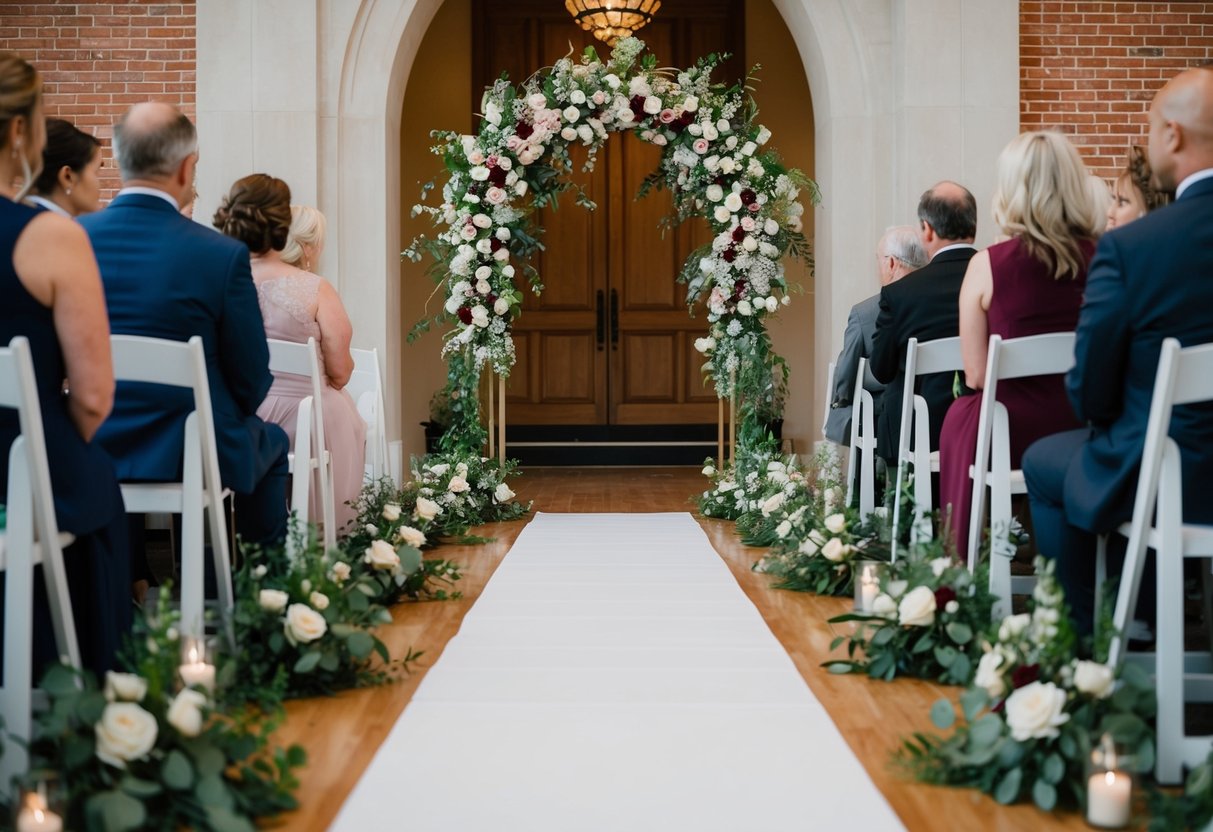
The ceremony is filled with meaningful rituals, and recognizing the role of the officiant sets the tone for the rest of the event. After the initial greeting, the focus shifts to the couple as they walk down the aisle, surrounded by their family and friends. This brings together the bride and groom in a moment that marks the beginning of their new life together.
Weddings are rich in tradition, and each ceremony varies based on personal touches. Knowing what to expect can make your wedding even more special, allowing you to enjoy the experience surrounded by love and support from those closest to you.
The Significance of the First Line
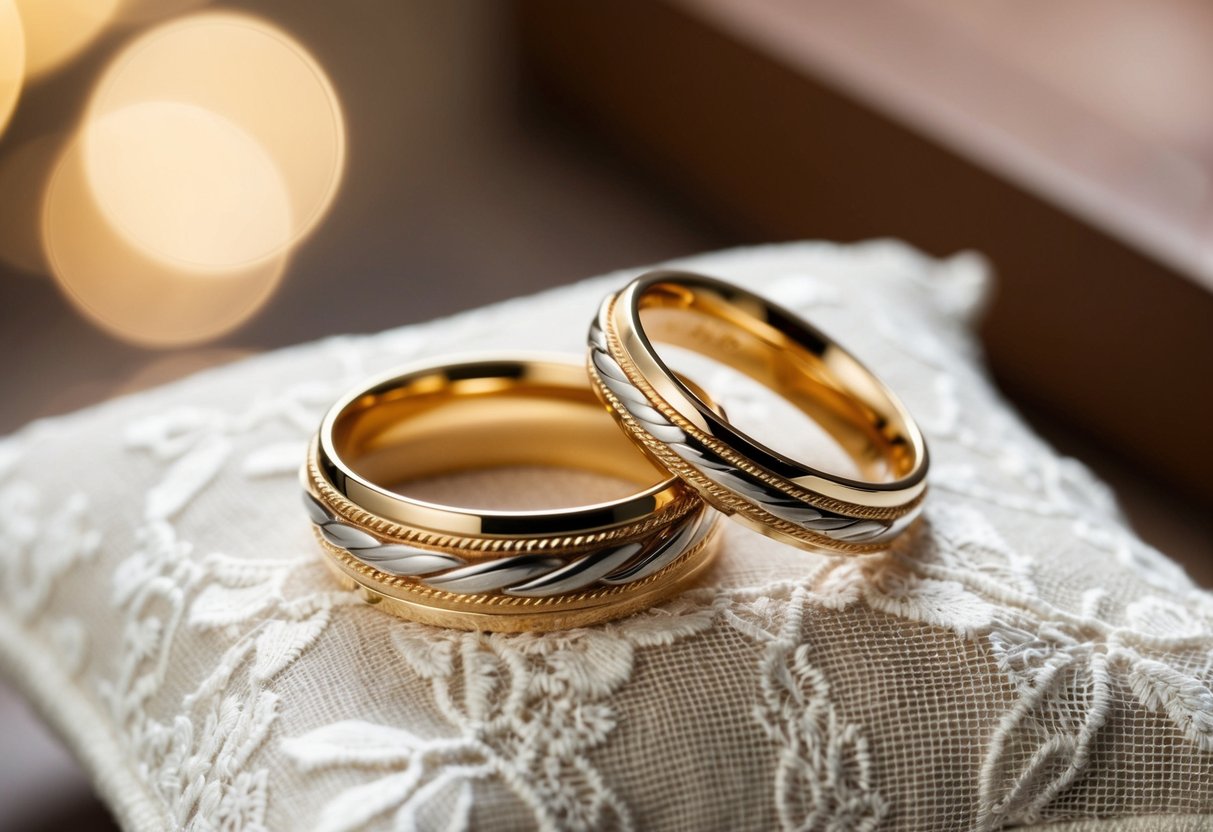
The first line at a wedding plays an important role in connecting the couple and their families with guests. It sets the tone for the celebration and honors the traditions of the ceremony.
Interpretation in Wedding Ceremonies
In many wedding ceremonies, the first line includes the bride, groom, and immediate family members, such as parents and siblings. This line serves as a formal greeting for guests. It allows you, as the couple, to express gratitude to everyone who attended.
The presence of loved ones in the receiving line reinforces family bonds. It highlights the idea that marriage is not just a union of two individuals but also of their families. This moment is typically filled with joy, and it creates a sense of community and support on your special day.
Cultural Variations and Practices
Cultural practices can shape how the first line is formed at weddings. In some cultures, the first line may include extended family or special guests with significant roles. For example, in a traditional Indian wedding, key family members participate prominently in the greeting.
Additionally, some couples opt for creative variations, such as unique entrances or themed presentations. This allows you to celebrate your heritage or personal style while still honoring the purpose of acknowledging guests. By incorporating these elements, the first line can become a memorable part of your celebration that reflects your family’s traditions.
The Significance of the First Line
The first line at a wedding plays an important role in connecting the couple and their families with guests. It sets the tone for the celebration and honors the traditions of the ceremony.
Interpretation in Wedding Ceremonies
In many wedding ceremonies, the first line includes the bride, groom, and immediate family members, such as parents and siblings. This line serves as a formal greeting for guests. It allows you, as the couple, to express gratitude to everyone who attended.
The presence of loved ones in the receiving line reinforces family bonds. It highlights the idea that marriage is not just a union of two individuals but also of their families. This moment is typically filled with joy, and it creates a sense of community and support on your special day.
Cultural Variations and Practices
Cultural practices can shape how the first line is formed at weddings. In some cultures, the first line may include extended family or special guests with significant roles. For example, in a traditional Indian wedding, key family members participate prominently in the greeting.
Additionally, some couples opt for creative variations, such as unique entrances or themed presentations. This allows you to celebrate your heritage or personal style while still honoring the purpose of acknowledging guests. By incorporating these elements, the first line can become a memorable part of your celebration that reflects your family’s traditions.
Key Participants and Their Roles
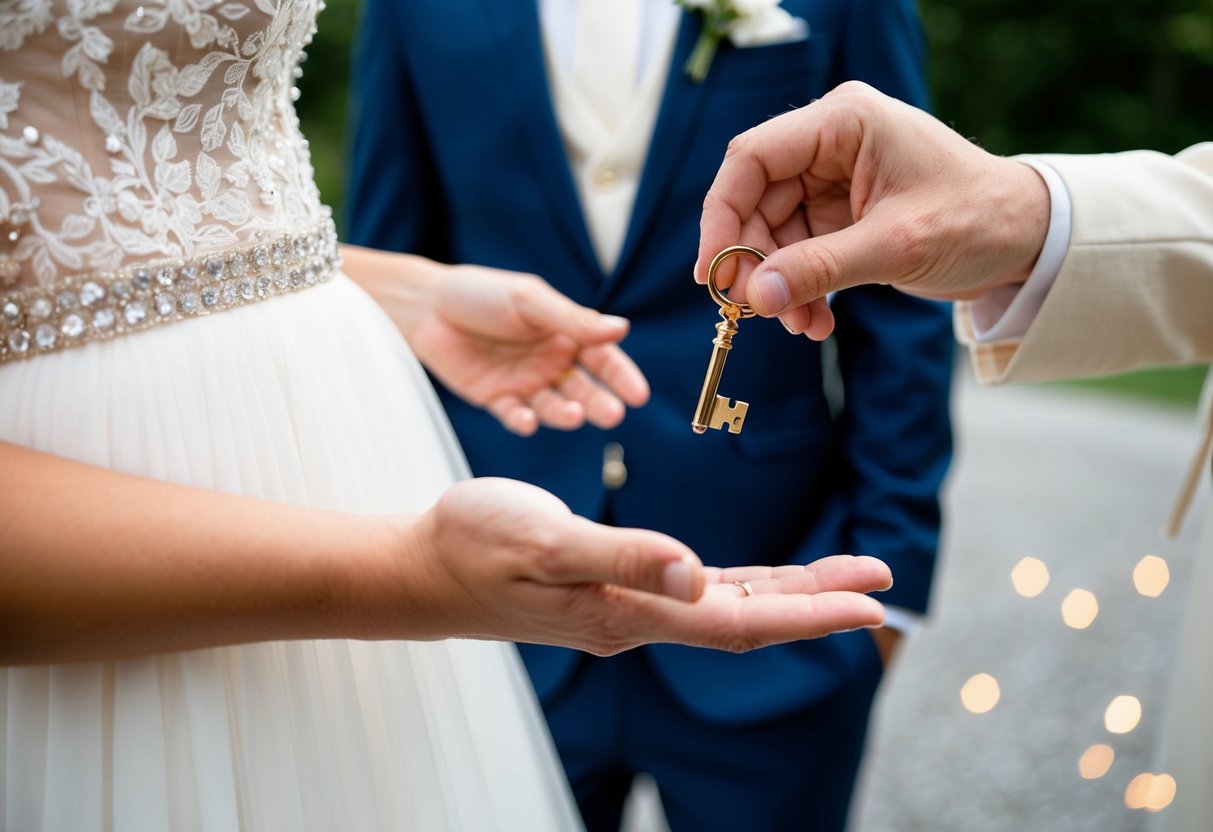
In a wedding, key participants each have unique roles that help make the day special. Understanding these roles ensures a smooth ceremony and memorable experience for everyone involved.
Receiving Line Essentials
The receiving line is a traditional part of many weddings. It allows the couple to greet guests after the ceremony. Typically, you will see the bride and groom at the front, surrounded by their families.
Main Participants:
- Bride and Groom: They welcome guests and express gratitude.
- Parents: Usually, the mother of the bride stands with her daughter, while the groom’s parents join them too. They play a significant role in introducing guests.
- Bridal Party: Bridesmaids and the best man often stand in the line, helping with introductions.
This arrangement helps set a warm tone for the reception while allowing for personal interactions.
The Roles of the Wedding Party
The wedding party is vital for supporting the couple. Each member has specific responsibilities that help the ceremony flow seamlessly.
Key Roles Include:
- Bridesmaids: They assist the bride, offering support and helping with tasks before and during the ceremony.
- Maid of Honor: This person takes on extra responsibilities, such as holding the bride’s bouquet and ensuring everything runs smoothly.
- Groomsmen and Best Man: They help the groom with his preparations and keep him calm. The best man also holds the rings during the ceremony.
- Ring Bearer and Flower Girl: These young participants add a fun touch. The ring bearer carries the rings, while the flower girl scatters petals down the aisle.
Each role contributes to a joyful wedding experience, making your day even more memorable.
Traditional Elements in a New Orleans Wedding
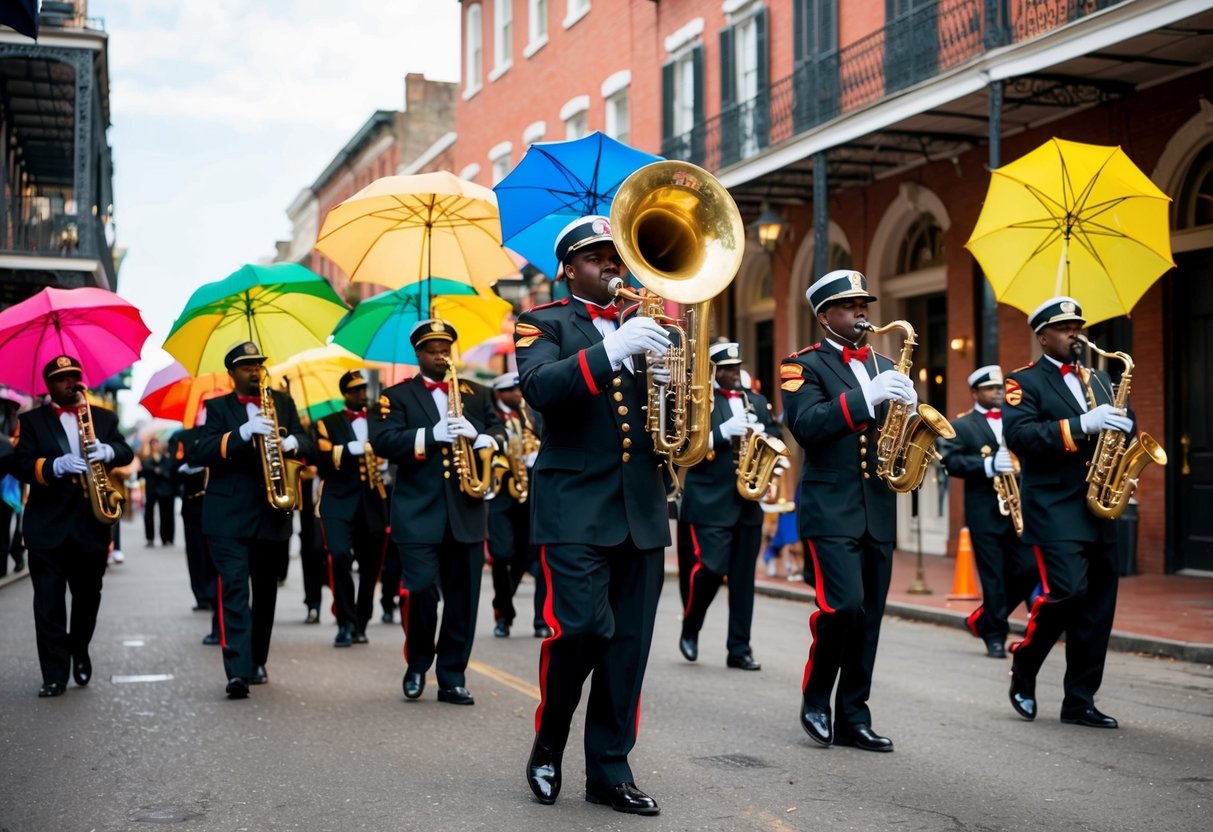
New Orleans weddings are vibrant celebrations filled with rich traditions. One of the most exciting elements is the incorporation of the second line, which adds unique flair to your special day. This section explores how these characteristics shape the wedding experience.
Incorporating Second Line Characteristics
The second line is a lively parade that is a hallmark of New Orleans culture. During your wedding, you can kick off the festivities with brass bands, which establish an upbeat atmosphere. As you and your guests march along the parade route, everybody can wave decorated umbrellas or parasols.
Including a grand marshal can make this event even more special. This person leads the way, adding flair and excitement. Guests often carry colorful handkerchiefs, which they wave on the beat of the music. This joyful procession symbolizes celebration and community, making it an unforgettable part of your wedding.
Comparing Wedding and Jazz Funeral Second Lines
While both weddings and jazz funerals feature second lines, they serve different purposes. In a wedding, the second line is festive and celebratory, focusing on the joy of your union. In contrast, a jazz funeral begins with solemn music that pays tribute to the deceased, but it later transitions into a lively celebration to honor life.
Your wedding might include elements reminiscent of a jazz funeral, where the brass band plays both traditional and joyful tunes. This blend of music and style adds a unique touch to your celebration. Guests can engage with Mardi Gras Indians, helping to preserve the rich cultural heritage of New Orleans. Embracing these elements will create an unforgettable atmosphere for your special day.
Organizing the Ceremony to Reception Transition
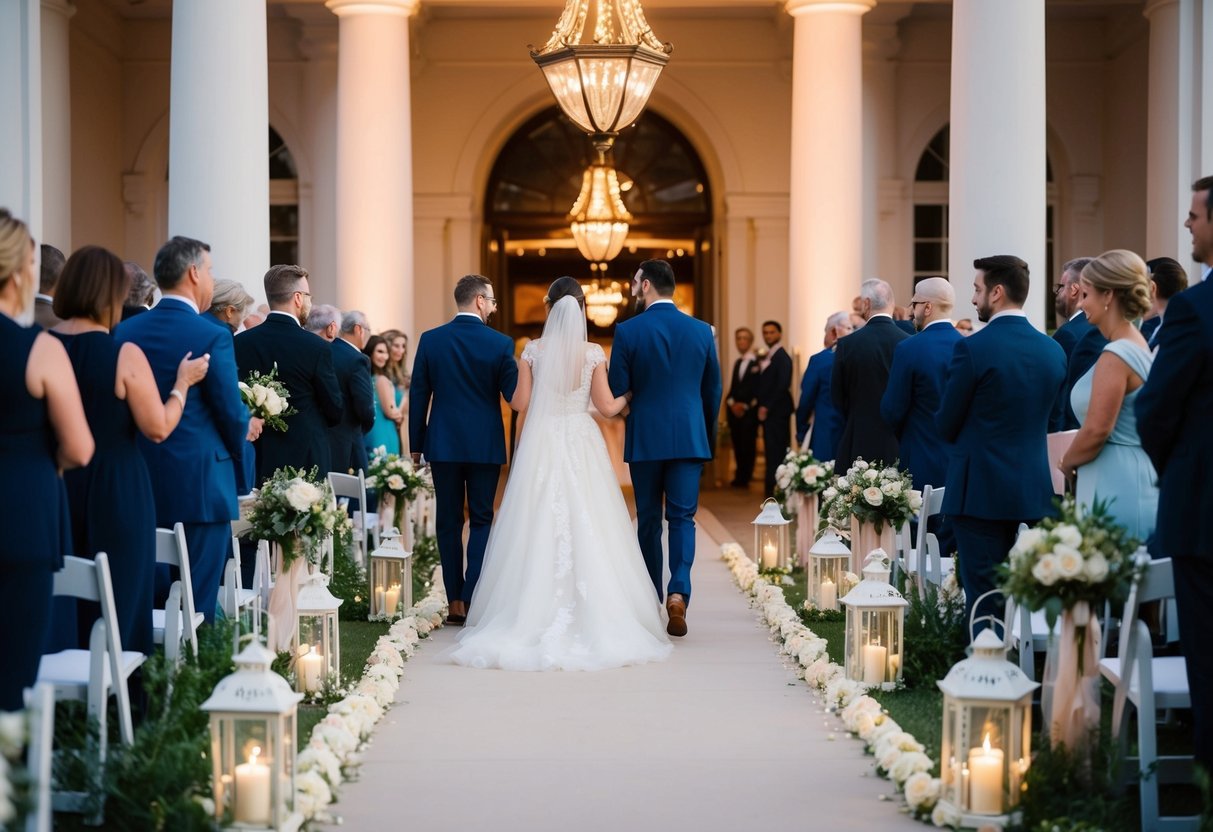
Transitioning from the ceremony to the reception is critical for a smooth and enjoyable wedding day. This part of the day allows your guests to unwind and prepare for the excitement that follows.
Navigating the Receiving Line
After the ceremony, a receiving line is an excellent way for you and your partner to greet your guests. This provides a moment to thank everyone for coming.
Tips for a Smooth Receiving Line:
- Location: Choose a spot with enough space for guests to line up comfortably.
- Order: Position family members behind you to maintain a clear flow.
- Timing: Keep it brief; aim for about 15-30 minutes to avoid a long wait for guests.
As guests leave the receiving line, you can encourage them to head toward the cocktail hour at the reception venue. This fosters a relaxed atmosphere as everyone mingles.
Celebration Continues at the Reception Venue
Once you greet your guests, guide them to the reception venue. You can do this through clear signage or a designated escort.
If you’re in New Orleans, consider adding some local flair with a second line parade. This lets you and your guests dance your way to the reception, creating a memorable experience.
Important Elements for the Reception:
- Cocktail Hour: Offer delicious appetizers and drinks as guests arrive.
- Photo Booth: Set up a fun photo booth area for guests to capture moments throughout the evening.
These small details set the tone for the celebration, making your wedding day even more special.