
What Is the First Thing to Plan a Wedding? A Step-by-Step Guide
Getting engaged is an exciting time, and planning your wedding can be just as thrilling. The first thing you should do when planning a wedding is to set your budget. This will help guide your decisions and ensure you stay on track as you begin to pick venues, flowers, and more.

With your budget in place, you can focus on choosing your wedding date and month. Deciding this early not only helps with planning but also gives you a timeline to work with. From there, you can think about what kind of celebration you want and start the fun process of creating a memorable day just for you and your partner.
Establishing a Vision and Budget
Creating a wedding involves two key elements: defining your wedding style and setting a realistic budget. These steps help you shape your celebration and ensure it aligns with your dreams while remaining financially manageable.
Defining Your Wedding Style
Begin by envisioning what you want your wedding to look and feel like. Consider creating a wedding vision board to gather inspiration. Include images, colors, and themes that resonate with you. This can help you visualize your perfect day.
Think about the vibe you want to create. Is it formal, casual, rustic, or modern? Ask yourself questions like:
- What colors do you love?
- Do you prefer a specific season?
- Are there particular traditions you want to include?
This clarity will guide your choices throughout your wedding planning checklist, from venue selection to decor.
Setting a Realistic Budget
Once your vision is clear, establish a solid wedding budget. List what you and any family members can contribute. This figure will shape your decisions.
Make sure to prioritize areas that matter most. For example, if photography is important, allocate more funds there. Consider the costs of venue, catering, attire, and other essentials. A detailed budget can prevent overspending and stress. Keep your budget flexible to adapt to unexpected expenses while staying true to your vision.
Picking Key Details
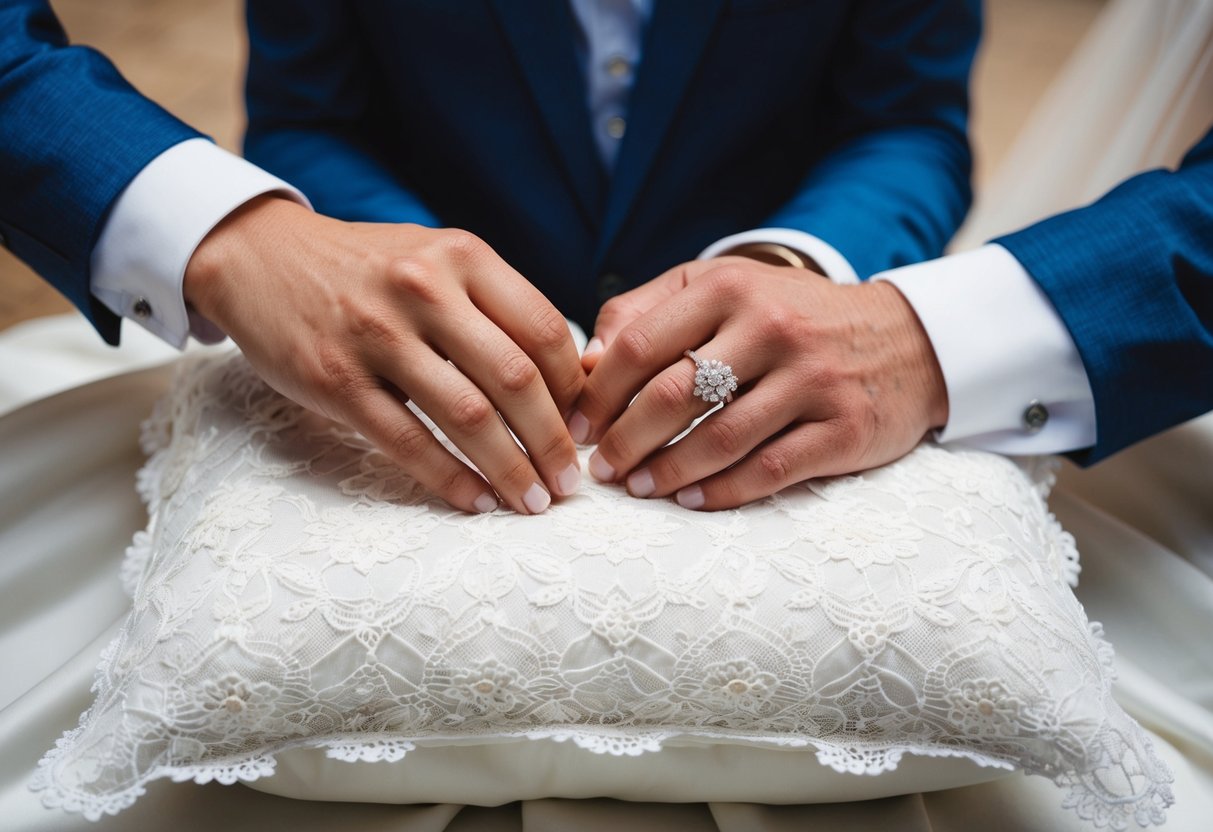
As you start planning your wedding, picking key details is crucial. This includes selecting your wedding date, finding the perfect venue, and creating your guest list. Each decision plays an important role in shaping your big day.
Selecting the Wedding Date
Choosing your wedding date is one of the first and most significant steps. Think about what season resonates with you. Do you envision a spring garden or a cozy winter celebration?
Consider important factors like weather and holidays that might affect your day. Check if there are any significant events or family gatherings that could conflict.
Finally, make sure to have alternatives in mind. Popular dates can book up quickly, so being flexible can help you secure your venue.
Choosing Your Wedding Venue
Your wedding venue sets the stage for your celebration. Start by exploring different venue options, such as outdoor gardens, banquet halls, or rustic barns.
Think about the vibe you want for your wedding. A casual beach setting will feel different from a formal hotel ballroom.
Pay attention to capacity and layout too. Make sure the venue can comfortably accommodate your guest count. It’s wise to ask about room blocks for out-of-town guests, especially if you have a large list.
Creating the Wedding Guest List
Creating your wedding guest list is both exciting and challenging. Start by brainstorming names with your partner. Consider immediate family, close friends, and important relatives.
Keep your venue size and budget in mind as you list potential guests. This helps avoid issues later on. You can categorize your list into “must-haves” and “extras” to ensure you’re prioritizing what truly matters.
Also, think about how to manage your guest count. Make sure to communicate options for plus-ones, especially for couples. This can lead to adjustments in your final count and help manage your budget effectively.
Building Your Team

As you start planning your wedding, building a strong team is essential. This involves hiring a wedding planner, finding the right vendors, and forming your wedding party. Each part plays a vital role in turning your vision into reality.
Hiring a Wedding Planner
A wedding planner can make your life easier. They help manage the details, timelines, and budgets. When choosing a planner, look for someone who understands your style. Ask for recommendations, read reviews, and set up interviews.
During interviews, discuss your vision and budget. A good planner will listen to your ideas and offer guidance. They can also connect you with trusted vendors such as photographers and officiants, simplifying your search.
Finding the Right Vendors
Your wedding vendors are key to a smooth celebration. Start with essential services like a wedding photographer and officiant. Take your time to research and compare. Look for vendors who match your style and can work within your budget.
Create a list of questions to ask potential vendors. Important topics include their experience, pricing, and availability. Don’t hesitate to request references or past work examples. Contracting reliable vendors will help ensure your day goes off without a hitch.
Forming Your Wedding Party
Your bridal party will support you throughout the planning and on the big day. Think about who will stand by your side. Choose friends or family who bring joy and positivity to your celebration.
Discuss roles and responsibilities early. Will they help with planning or organizing events? Be clear about expectations to avoid confusion. Don’t forget to communicate your vision and what you need from them. This team will make your wedding day even more special.
Finalizing Details
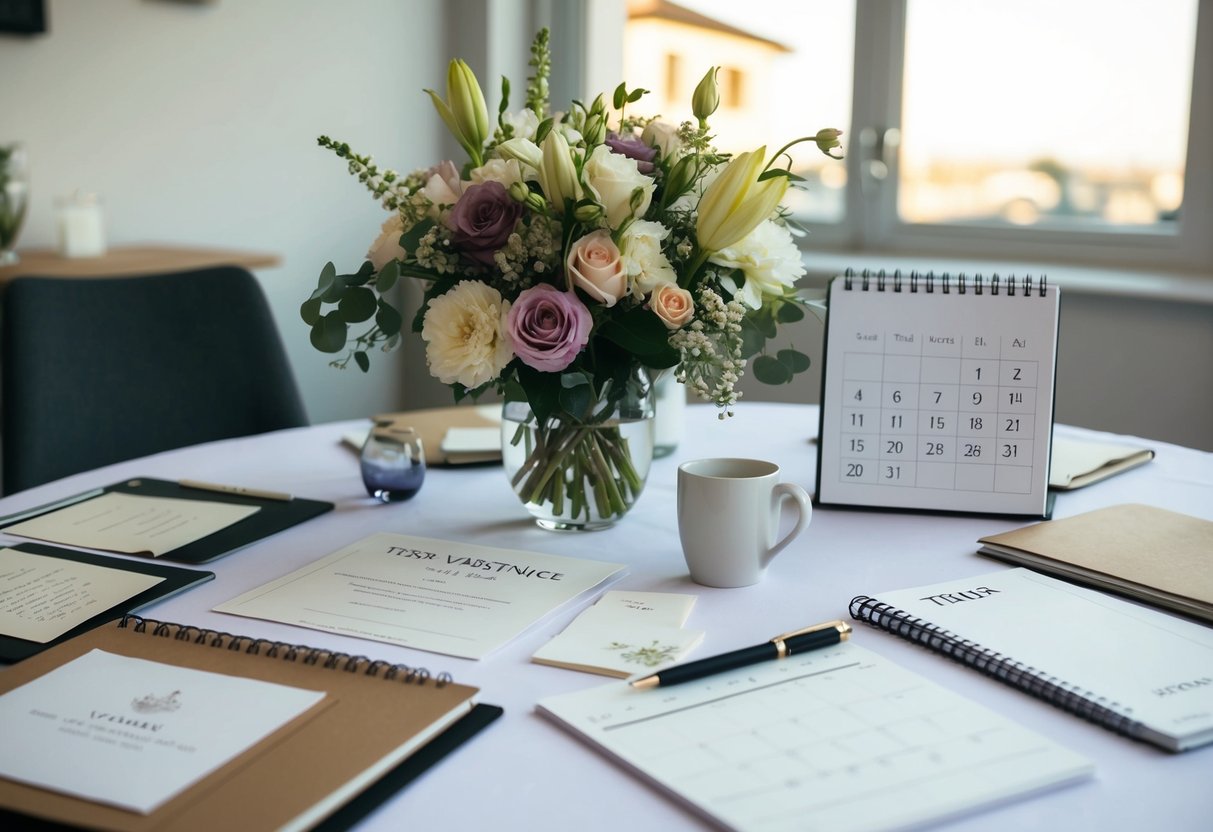
As you move forward in your wedding planning journey, it’s time to focus on key elements that need your attention. This includes selecting your attire and rings, sending invitations, and planning the ceremony and reception. Each detail plays a significant role in making your day special.
Selecting Attire and Rings
Choosing your wedding dress should be a delightful experience. Start by booking appointments at bridal boutiques to try on different styles. Consider your venue and the season when picking the right dress. Don’t forget about accessories like veils and shoes!
For the groom, selecting wedding attire involves choosing a tuxedo or suit that complements the dress. Pay attention to fabric and fit.
Next, focus on wedding rings. Visit local jewelers together and try on different styles. Think about metal types and any personal engravings that will make your rings unique.
Sending Invitations and Managing RSVPs
Sending out wedding invitations is an important step that sets the tone for your celebration. Begin by creating a guest list. This will help you determine how many invitations to order.
Consider using modern options like a wedding website to share details about the event. Don’t forget to include RSVP cards or links to streamline the response process.
Once you send invitations, keep track of RSVPs neatly. A simple spreadsheet can help you manage who’s coming and who’s not. This is essential for finalizing your headcount and planning seating arrangements.
Planning the Ceremony and Reception
Your ceremony is the heart of your wedding day. Think about your vows and how you want to express them. Will you write your own, or use traditional ones? Consider hiring an officiant who matches your style.
Next, dive into the reception details. Choose a venue that resonates with your theme. Think about hiring vendors for catering, the wedding cake, and hair and makeup.
Decide on wedding favors that reflect your personality as a couple. You may also want to discuss entertainment options. A live band or a DJ can keep your guests engaged and dancing the night away.