
What Is the First Thing You Plan for a Wedding? Tips to Get Started on Your Dream Day
Getting engaged is an exciting time, but the question that often follows is, you should plan your budget first. Knowing how much you can spend will shape every decision, from the venue to the guest list.
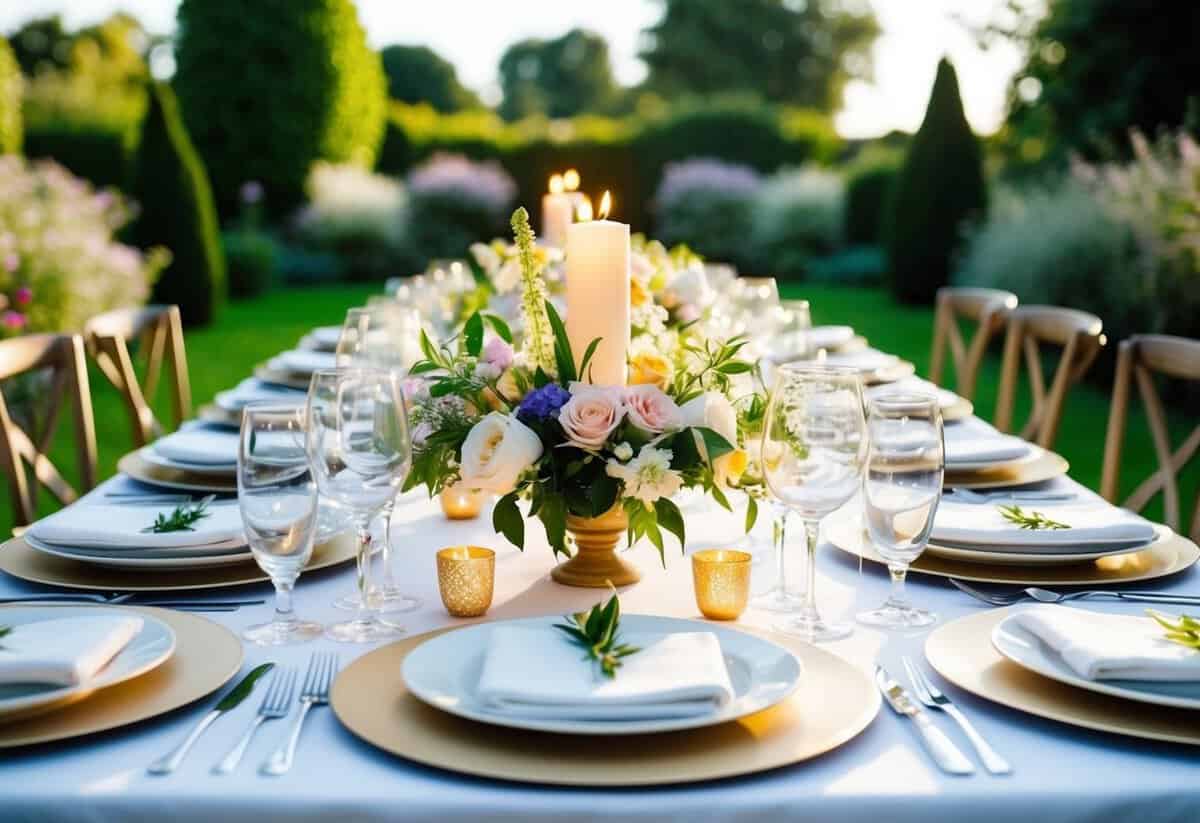
Once you’ve set a budget, the next step is to think about your wedding vision. This includes deciding on the style and theme that resonate with you as a couple. Starting with these key elements makes the wedding planning process smoother and more enjoyable.
With a solid budget and a clear vision, you can move on to creating a wedding planning checklist. This list will help you stay organized and focused as you tackle all the details that come with planning your big day. From securing the venue to picking out invitations, having a checklist ensures you won’t miss a single important task.
Setting the Foundation
Starting your wedding planning journey involves laying down the key elements that will shape your big day. This includes determining your vision, selecting a date, and creating a guest list. These steps will guide your decisions as you move forward.
Determining Your Wedding Vision and Priorities
Your wedding vision is the heart of your planning process. Think about the overall style you want, whether it’s a rustic outdoor gathering or a modern elegant affair. Consider what themes inspire you, such as vintage, bohemian, or destination weddings.
Key Questions:
- What colors do you envision?
- Are there specific elements that are must-haves for you?
Prioritize elements that matter the most, like venue, food, or entertainment. This focus will help as you make further decisions on your budget and guest list.
Selecting a Wedding Date
Choosing a wedding date is a big step. You may want to consider the season that fits your vision best. For example, spring might bring floral themes while summer can be great for outdoor events.
Remember to think about significant dates, like anniversaries or family birthdays that could make your day more special. Don’t forget to check the availability of key venues and vendors as well. Once you have a date in mind, you can send out save-the-date cards to keep your guests informed.
Creating a Guest List
Your guest list is crucial for shaping your wedding atmosphere. Start by getting input from your partner. Decide together how large or intimate you want the celebration.
Steps to Follow:
- Make a comprehensive list of everyone important to you.
- Narrow down to fit your venue capacity and budget.
Utilize tools like the Zola guest list to help keep track of names, addresses, and RSVPs. This list will also help you finalize other details such as seating arrangements and catering needs.
Financial Planning and Logistics
When you start planning your wedding, financial planning and logistics are key steps. Taking the time to set a budget, hire the right vendors, and choose a great venue can make the planning process smoother and less stressful.
Establishing a Wedding Budget
The first step is to establish a wedding budget. Begin by determining how much money you can spend. Consider contributions from family and any savings you’ve set aside.
Break your budget into categories, which could include:
- Venue costs
- Catering
- Decorations
- Attire
- Photography
Don’t forget to include a little extra for unexpected expenses. It’s a good idea to research average costs in your area, as this can inform your budget. You might also consider wedding insurance to cover any unforeseen events that could impact your plans.
Hiring a Wedding Planner and Vendors
Next, think about hiring a wedding planner. A professional can guide you through logistics and help you stay organized. Look for planners with good reviews and ask for references.
When it comes to vendors, you’ll want to hire experienced professionals such as caterers, photographers, and florists. Reach out to wedding experts to find recommendations based on your budget and style. Create a list of potential vendors and schedule interviews to ensure they align with your vision.
Remember, good communication with your planner and vendors can significantly affect the flow of your wedding day.
Choosing a Venue
Choosing the right venue is crucial for your wedding day. Start by deciding whether you prefer a traditional space or an outdoor wedding. Wedding venues come in many shapes and sizes, from banquet halls to public parks.
Tour several venues and ask about their packages. Inquire about what is included, such as tables, chairs, and setup. Consider the venue’s layout to ensure it suits your planned activities.
Also, pay attention to location and accessibility for your guests. Many venues have restrictions, so read contracts carefully. By making informed choices, you’ll set the stage for a beautiful wedding day.
Details to Bring Your Day to Life
Creating a memorable wedding involves careful attention to details. From designing your stationery to planning the ceremony and selecting attire, each element contributes to your special day and expresses your unique style.
Designing Your Wedding Stationery
Start your wedding journey by focusing on your stationery. Your invitations are the first glimpse guests will have into your celebration. Choose a design that matches your theme, whether it’s rustic, elegant, or modern.
Make sure to include all the essential details: the date, time, venue, and dress code. To make your invitations stand out, consider using unique materials or embellishments. Also, don’t forget to announce your engagement with personalized announcements, as they can set the tone for you and your fiancé.
Consider adding RSVP cards and information inserts for things like accommodations or travel. This can help your guests plan ahead and feel informed.
Planning the Ceremony and Reception
The ceremony and reception are key parts of your wedding day. Start by deciding on a venue that resonates with you and fits your guest list size. Whether you choose a church, garden, or banquet hall, select a place that feels special.
Work closely with your wedding officiant to personalize your vows, making them meaningful and reflective of your relationship. Think about incorporating personal touches, such as special music or decorations that tell your love story.
For the reception, plan your seating arrangements and create a timeline for events like the first dance and wedding toast. Also, think about your wedding cake and wedding favors. Choose a cake that fits your theme and taste, and consider favors that guests will appreciate, like custom treats or small keepsakes.
Finalizing Attire and Aesthetics
Choosing your wedding attire is a major part of your planning. Start by selecting your wedding dress or suit, keeping in mind the overall theme and venue. Each outfit should reflect your style and make you feel confident.
Next, think about how you want to style your hair and makeup. Schedule trials to find the perfect looks that highlight your features.
Don’t forget the wedding rings, which symbolize your commitment. Choose rings that you both love and will wear daily.
Finally, ensure your wedding party’s attire complements yours, creating a unified and beautiful look for the day.