
What Is the Forbidden Dance Called? Discovering the Secrets Behind the Controversial Moves
If you’ve ever been curious about the dance that raises eyebrows and stirs passion, you’re likely thinking of the Lambada. The forbidden dance is called the Lambada, a Brazilian style known for its lively rhythms and close partner holds. This dance became popular in the 1990s and is often associated with themes of romance and rebellion.
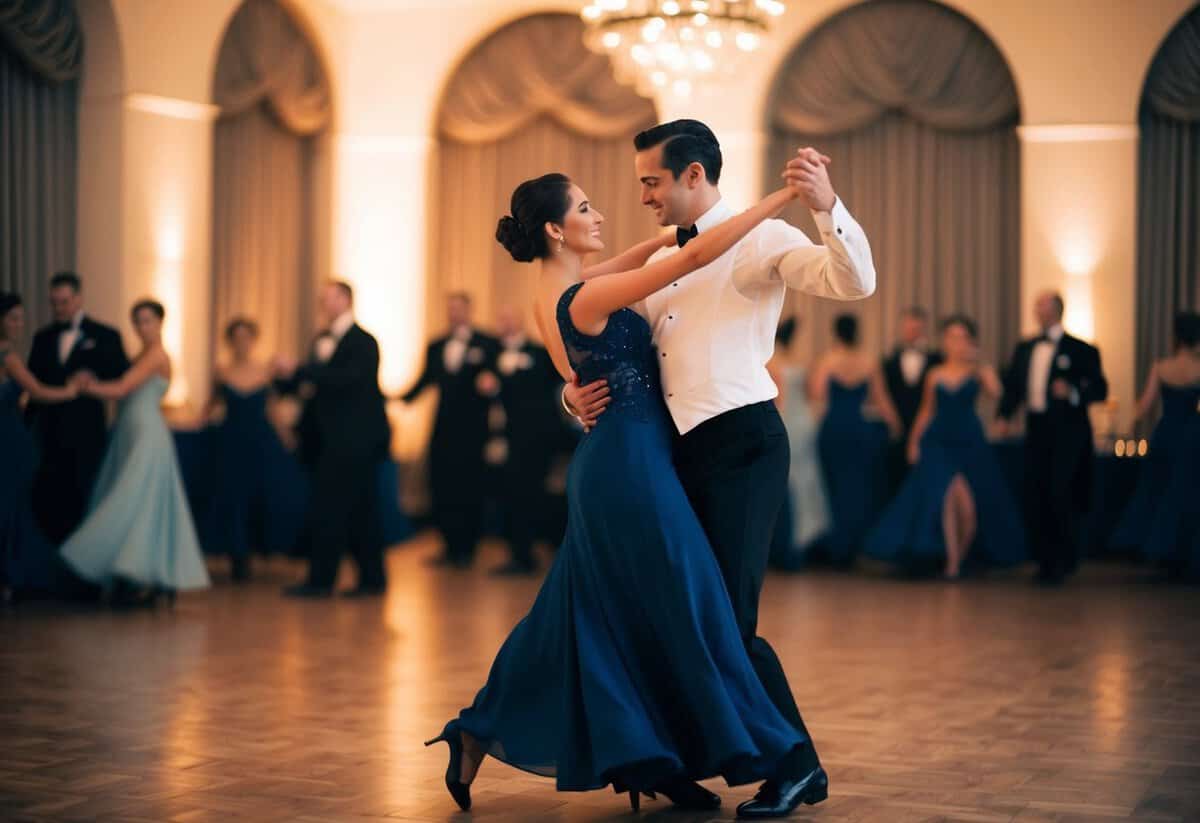
As you explore more about the Lambada, you’ll discover its vibrant origins in Brazil. The dance is not just about movements; it tells a story of cultural expression and the spirit of the people who created it. With its upbeat tempo, the Lambada invites you to engage and understand its deeper significance beyond just the steps.
Diving into the world of the Lambada brings you closer to its rich history and the impact it has had globally. You’ll see why this dance is known as the “forbidden dance” and how it captivates audiences everywhere. Get ready to learn about its cultural roots and the joy it continues to spread!
The Origins of Lambada
Lambada has deep cultural roots in Brazil and became widely popular in the 1980s. This lively dance reflects the rich traditions of Brazilian music and other dance forms, capturing the essence of celebration and connection.
Cultural Roots and Dance Development
Lambada originated from the state of Pará in Brazil, particularly known for the influences of various local dances. It draws inspiration from traditional styles like carimbó, forró, and maxixe. The movement of Lambada includes steps that are often side-to-side, with the dancers using bent legs.
Over time, Lambada began to incorporate elements from other dance styles, such as salsa, merengue, and cumbia. These influences enriched its rhythm and varied expressions, making it vibrant and appealing. This blend of styles showcases the cultural diversity of Brazil and highlights how dance evolves through interaction.
The Rise of Lambada in the 1980s
Lambada gained global popularity in the late 1980s, especially in dance clubs across Latin America and Europe. It became synonymous with a carefree dance craze that attracted many enthusiasts. In 1989, the song “Chorando Se Foi” by Kaoma played a key role in spreading its appeal. Its melody and dance moves captured the hearts of many.
The song, a cover of “Llorando Se Fue,” led to unauthorized translations and attracted audiences far beyond Brazil. As Lambada made its way into pop culture, it prompted dance instructors to teach it in various settings. This new wave of interest solidified Lambada’s status as the “forbidden dance,” captivating people with its spirited movements and passionate rhythms.
Lambada: The Forbidden Dance
Lambada, often called the “forbidden dance,” is a lively partner dance that gained attention for its sensual movements. It has roots in Brazil and reflects a vibrant culture filled with spicy rhythms and expressive hip movements. You will see how Lambada earned its title and its international influence.
Why Lambada Gained the ‘Forbidden’ Title
Lambada is known for its sensual style, emphasizing the movement of hips from side to side. This dance became known as the “forbidden dance” partly due to its connection to the labeled “dirty dancing.” The dance features short skirts and often thong underwear, which adds to its suggestive appeal.
In Brazil, the term “forbidden dance” is often linked to the Maxixe, another dance with spicy lyrics and suggestive movements. This connection heightened the perception of Lambada as daring and provocative. It caught the eye of many who enjoyed its festive energy and flirtatious nature. Dancers frequently showcase arched legs, adding elegance to the performance while maintaining an air of flirtation.
International Impact and Censorship
Lambada quickly spread beyond Brazil, gaining popularity in Latin America and Europe. People were drawn to its catchy music and inviting style. You might see dancers in vibrant attire, flowing gracefully to the rhythm.
Despite its popularity, some countries imposed censorship, fearing inappropriate behavior might spread. This led to debates about the dance’s place in social settings. In some areas, Lambada’s performances faced scrutiny, while others embraced it as a cultural celebration. The dance’s connection to the rainforest culture and Brazilian heritage also made it a topic of intrigue and fascination worldwide.
Lambada in Media and Popular Culture
The Lambada dance gained significant attention in movies and music during the late 1980s. This vibrant and passionate dance captured the hearts of audiences globally, especially in Brazil, where it originated. You’ll find it in films, popular songs, and even music videos.
The Lambada Dance Craze in Movies
The 1990 film The Forbidden Dance brought the Lambada to the big screen, showcasing its flair and passion. Starring Laura Harring and Jeff James, it was produced by Cannon Films under Menahem Golan and Yoram Globus. The film, while not a critical success, managed to capture the colorful essence of Lambada dancing.
Despite mixed reviews, it introduced many viewers to the dance. The film featured energetic dance sequences that highlighted the moves and rhythm of Lambada, taking audiences on a lively journey. Although its box office performance was modest, it remained a notable piece of Hollywood history for its unique focus.
Iconic Lambada Music and Artists
Music played a crucial role in spreading the Lambada’s popularity. The Brazilian group Kaoma brought the dance to mainstream music with their hit song “Lambada,” featuring the unforgettable voice of Loalwa Braz. This track gained international fame and was a staple on dance floors during the late 1980s.
The song combined traditional Brazilian styles with modern zouk music, creating a catchy and irresistible beat. This catchy tune’s music video showcased vibrant dances, sparking interest in the Lambada. The fusion made it an anthem, leaving a lasting mark on the pop and dance music scenes.
Contemporary Lambada Scene
The contemporary Lambada scene has evolved significantly, blending various styles while maintaining its cultural roots. This section looks at the transformation into Brazilian Zouk and the lasting influence of Lambada on dance.
The Evolution into Brazilian Zouk
Lambada has transformed into Brazilian Zouk over the years, bringing a new flavor to the dance floor. In the late 1990s, dancers began to incorporate elements from Zouk, a dance originating in the Caribbean.
The transition was smooth, with both styles focusing on fluid movements. Dancers enjoy the connections made through intimate holds, often moving to the sounds of electrifying music. Major cities like Rio de Janeiro and Porto Seguro have become hubs for this dance. Competitions in these areas showcase talent and creativity, drawing dancers from around the world.
In addition to Brazilian influences, Zouk has spread internationally, reaching places like Israel and Argentina. With a strong community, dancers embraced the smooth, flowing style of Brazilian Zouk.
Lambada’s Influence and Dance Legacies
Lambada’s legacy continues to impact modern dance cultures. The style made its mark in the 1980s and 1990s, captivating audiences with its passionate and energetic moves.
One famous spot is Boca da Barra, where talented dancers like Aurino Quirino and Didi dos Santos showcased electrifying Lambada performances.
Competitions still celebrate Lambada, keeping its spirit alive. Events feature dancers like Chico and Roberta, who are known for their engaging routines that capture the hearts of many.
The Lambada dance isn’t just about the steps; it’s about connection and expression. The vibrant rhythms evoke images of Brazil’s lush rain forests, creating a rich atmosphere for dancers. This is where the legacies of Lambada live on, influencing new generations of dance lovers.