
What Is the Groom’s Sister Called? Understanding Her Role in Weddings
When it comes to weddings, family roles can sometimes be confusing. The groom’s sister is called the sister-in-law of the bride. This title reflects the close family connection that forms when two people unite in marriage. Understanding these titles can help you navigate your new roles and relationships within the family.
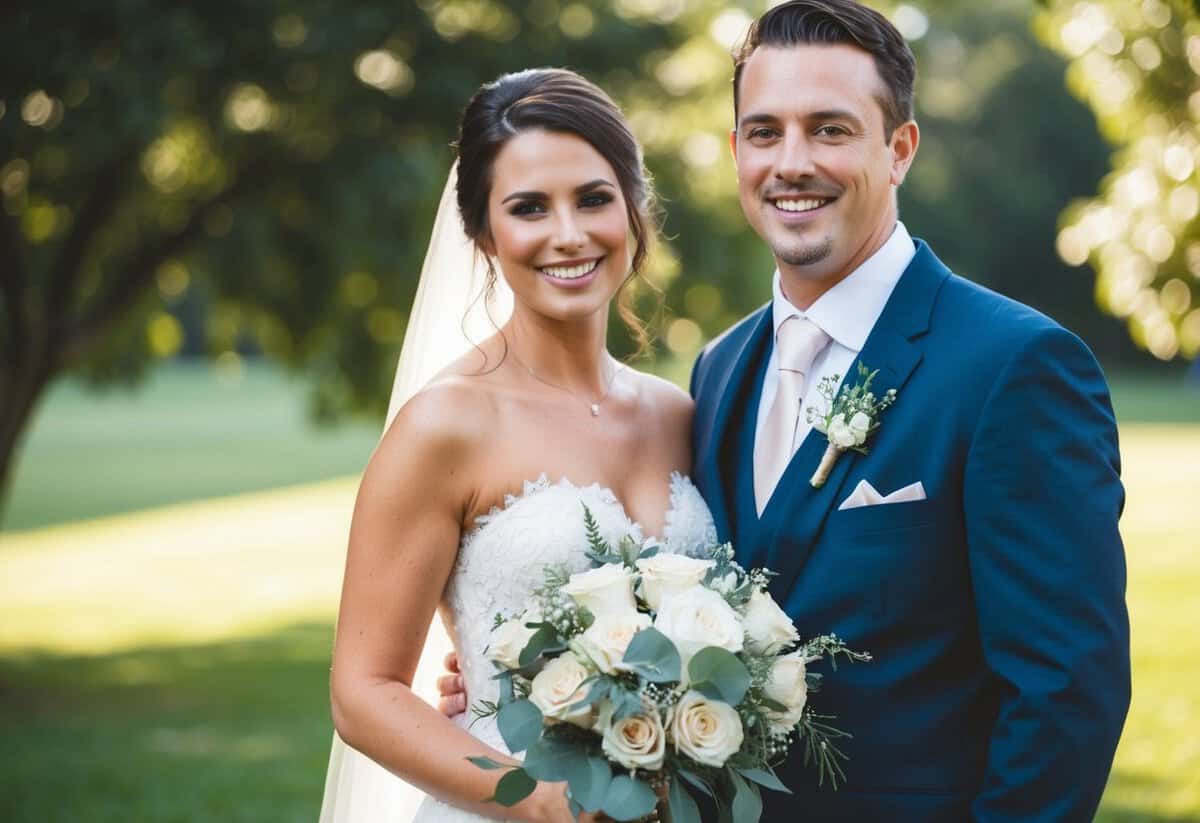
If you are the groom’s sister, your role can be significant on the wedding day. You may participate in celebrations, give a speech, or support your brother and his bride throughout the journey. Embracing this special position can lead to meaningful connections and cherished memories as you celebrate this important occasion together.
Roles and Responsibilities
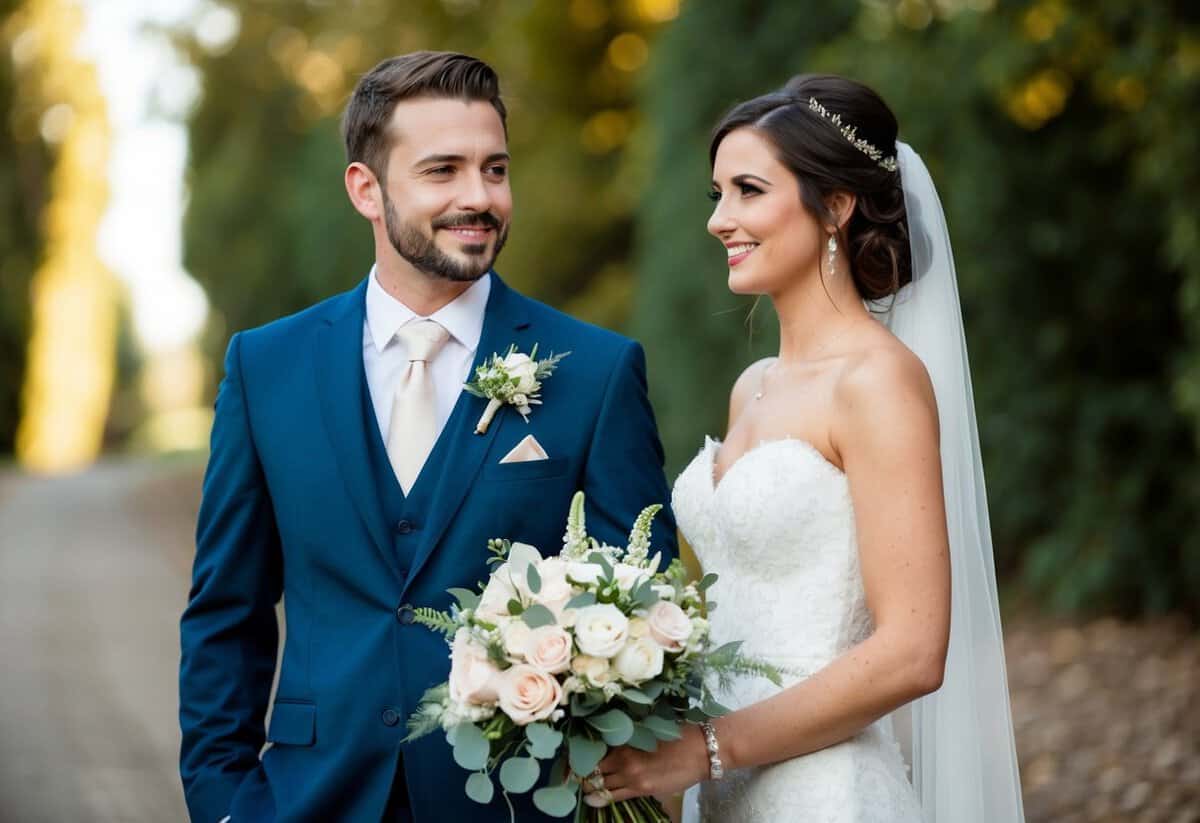
As the groom’s sister, you play an important role in the wedding. Your involvement can include helping with planning, participating in the ceremony, and taking on specific duties during the reception. Each of these areas allows you to support your sibling while creating memorable experiences.
Bridal Shower and Wedding Planning
You may take part in organizing the bridal shower, working alongside the maid of honor and other bridesmaids. Responsibilities can include choosing a venue, sending invitations, and coordinating food or activities.
Participating in a cake tasting is also a fun task that can involve you. You might help the bride decide on flavors, ensuring the cake matches the wedding theme. It’s important to keep communication open and share ideas to make planning enjoyable for everyone.
Ceremony Participation
During the wedding ceremony, your role can vary based on relationships and family traditions. You may walk down the aisle, be seated near special family members, or even give a heartfelt sister of the groom speech.
This speech can highlight cherished memories and the bond you share with your brother, celebrating his journey. If invited to assist in a ceremonial role, like being an informal groomswoman, you should feel honored. Your presence can make the ceremony more personal and special.
Reception Duties
At the wedding reception, your responsibilities can expand. You might help guests with the seating chart or guide them to their tables. This makes the evening smooth and enjoyable for everyone.
Often, you will participate in toasts. Whether it’s a toast to happiness or a moment to share a funny story, your contribution adds warmth to the celebration. Remember to keep your comments light-hearted, and don’t hesitate to offer your support to the maid of honor as needed. Your involvement helps make the day memorable!
Speeches and Toasts
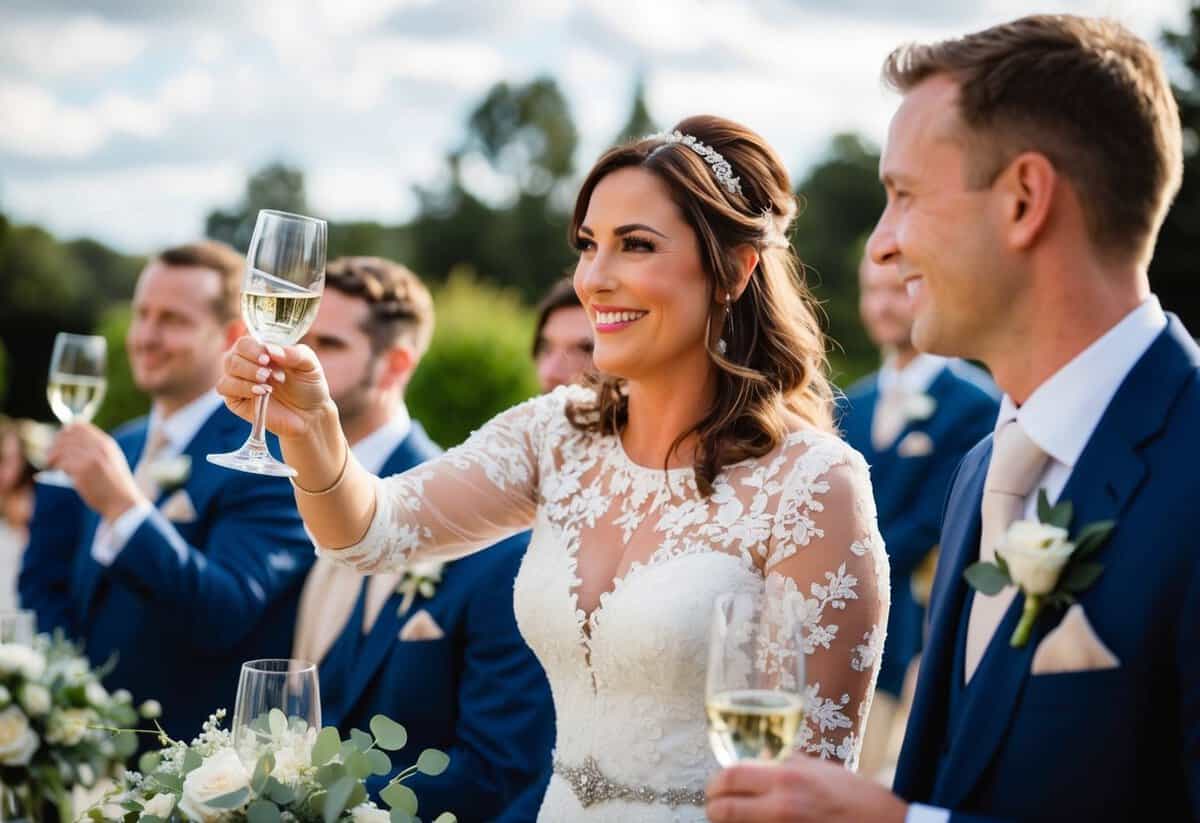
As the groom’s sister, delivering a speech or toast at the wedding is a special moment. Your words can celebrate the couple’s love and express your feelings. Let’s look at how to craft your speech and some etiquette to follow.
Crafting a Memorable Wedding Speech
Start with a warm introduction. Mention your name and your relationship to the groom. Share a heartfelt story or memory that highlights your bond. This could be a funny childhood moment or something that shows his character.
Use a simple structure to guide your speech. A basic wedding speech template might include:
- Introduction: Who you are and your relationship to the couple.
- Personal Story: A memorable experience with the groom.
- Message to the Bride: Acknowledge the bride and welcome her to your family.
- Toast: End with a toast to the couple’s happiness.
Make sure to keep your speech between 3 to 5 minutes long. This keeps the audience engaged and allows you to express your feelings without dragging it on too long.
Etiquette and Delivery Tips
When giving your speech, consider these etiquette and delivery tips:
- Practice Ahead of Time: Rehearse your speech to build confidence. Familiarize yourself with your story so it comes across naturally.
- Speak Clearly: Project your voice and speak at a steady pace. Nervousness can make you talk too fast, so take deep breaths.
- Make Eye Contact: Connect with the audience by looking at them while you speak. This creates a more personal feel.
- Be Positive: Focus on joyful memories and hopeful wishes for the future. Avoid any embarrassing stories that may not resonate well.
Lastly, remember to raise your glass for a toast at the end. Propose a heartfelt toast to the couple as a warm way to celebrate their happiness.
Cultural and Traditional Significance
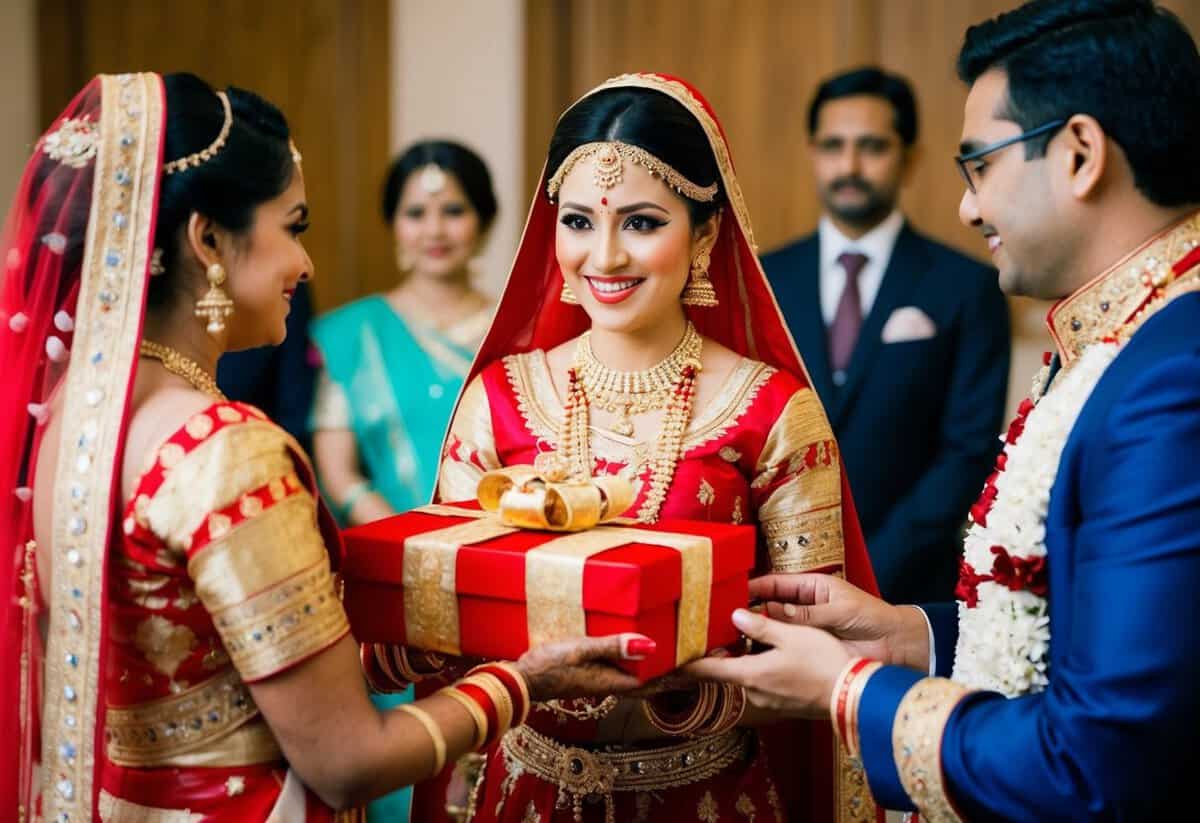
Understanding the cultural and traditional roles of the groom’s sister can enrich your appreciation of wedding ceremonies. Each culture has unique ways to involve her, highlighting the bonds of family and tradition.
Indian and Hindu Weddings
In Indian weddings, particularly Hindu ceremonies, the groom’s sister plays a vital role. This is often seen during important rituals like the gathbandhan, where she may tie the sacred knot that symbolizes the couple’s unity.
Activities like mehendi and haldi often include her participation, enhancing the festive spirit. During the sangeet, she might perform traditional dances, showcasing family bonds. In some ceremonies, she may help with the saptapadi, which involves the couple taking seven steps together, guided by family members.
Groom’s sisters also have a significant part in ceremonies like granthi bandhanam. The groom’s sister’s presence not only supports her brother but also connects families through shared experiences. This cultural dynamic enriches the wedding atmosphere.
Western Wedding Traditions
In Western weddings, the groom’s sister is commonly referred to as a sister-in-law once the marriage takes place. Though she might not have an official role, her participation can be special.
She could take part in the bridal party, providing support during planning.
Sometimes, she may deliver a speech or toast at the reception, expressing her love for her brother and new sister-in-law. This is a lovely way to honor both families.
In some traditions, she might also help with tasks like organizing the guest list or coordinating with the maid of honor and best man.
By being involved in these activities, she strengthens family ties, creating lasting memories for everyone.
In both cultures, the groom’s sister plays an important part in celebrating love and family unity.