
What is the Least Common Wedding Color? Discover Unique Choices for Your Big Day
Choosing the right colors for your wedding is an exciting part of the planning process. While many couples lean toward popular wedding colors like blush pink, navy blue, or classic white, you might wonder what the least common wedding color is. The least popular wedding color is bronze, with only 3% of couples selecting it for their big day.
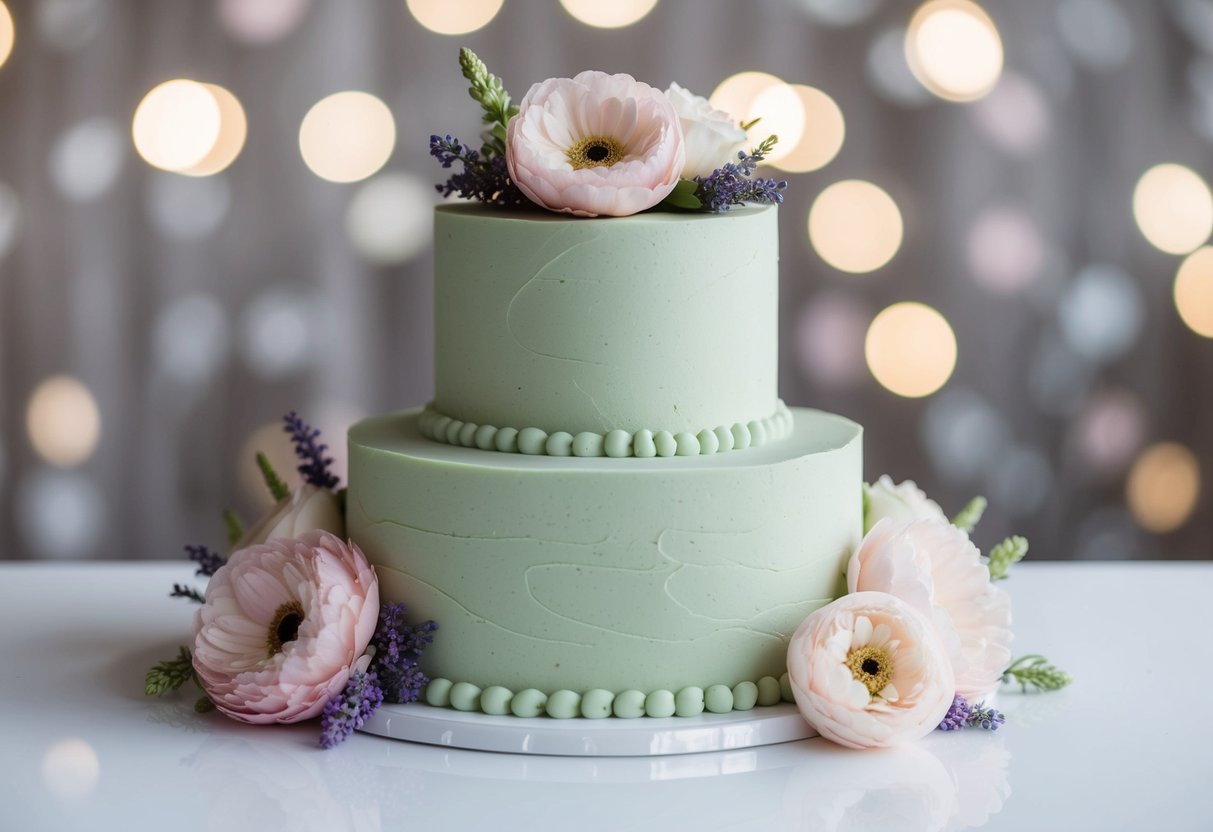
Understanding color trends can help you make a unique choice that stands out. While bronze may not be the go-to color for most couples, it could be a great way to add a different touch to your wedding theme. Exploring less common shades can help you express your personality and create a memorable experience for you and your guests.
Understanding Wedding Colors
Choosing the right wedding colors is vital for creating the perfect atmosphere for your special day. By understanding color theory, trends, and the least popular colors, you can make informed decisions about your wedding color palette.
Color Theory and Wedding Design
Color theory is the study of how colors interact with each other. You can use the color wheel to create harmonious wedding color schemes. Complementary colors, which are opposite each other on the wheel, can create striking combinations. For example, you can pair a vibrant color like coral with a soft teal to make your decor pop.
Tonal color palettes use variations of one color to create a cohesive look. This approach allows you to achieve elegance while keeping the design consistent. Consider using classic white with soft pastels for a timeless feel that doesn’t overpower your wedding theme.
Current Trends vs. Timeless Elegance
Wedding color trends shift frequently. Currently, colors like burgundy and sage green are popular, while classic white remains a favorite. Using current trends can help your wedding feel modern, but timeless elegance is always in style.
Think about a wedding color palette that combines trendy and classic elements. For instance, mixing trendy burnt orange with classic white can create a beautiful balance. This approach allows your wedding to feel fresh while maintaining an elegant and sophisticated atmosphere.
Least Popular Wedding Colors
When selecting your colors, it’s also good to know which ones to avoid. Bronze, for example, was the least chosen wedding color in 2021, with only 3% of couples selecting it. Other less popular options might not suit everyone’s taste.
To make sure your wedding stands out, you might want to steer clear of these colors. Instead of using unusual hues, think about your preferences and your wedding theme. Classic white remains a go-to option, as it symbolizes purity and elegance and pairs well with various color combinations.
Choosing Your Wedding Palette
When it comes to planning your wedding, selecting the right color palette is crucial. Your choices set the mood and reflect your style. Here are key aspects to think about as you create a color scheme that suits you.
Incorporating Personal Touch
Incorporating personal touches into your wedding palette can make your day truly special. Think about colors that hold meaning for you and your partner. Perhaps you both love the ocean; shades of blue and sandy neutrals could be a great fit.
You can also reflect your journey together. Use colors from your favorite vacation or the hues of your home decor. This creates a unique experience for you and your guests. Personal touches make your wedding feel more like you.
Color Psychology in Wedding Planning
Colors can evoke specific emotions and influence the atmosphere of your wedding. Understanding color psychology can be valuable in this process.
- Red: Passion and love
- Blue: Calmness and trust
- Yellow: Joy and happiness
- Green: Growth and harmony
By recognizing how colors affect mood, you can create the vibe you want. Consider what you want your guests to feel. This can guide your choices and help you select a palette that enhances your wedding theme.
Strategies for Selecting Colors
Choosing your wedding colors can feel overwhelming, but some strategies can simplify the process. Start by brainstorming. List colors you and your partner like and see how they complement each other.
Next, consider the season of your wedding. Spring might call for soft pastels, while autumn could inspire rich earth tones.
A wedding planner can also provide guidance in this area. They often have tools to help combine hues for a cohesive look. You can use color palette generators online for inspiration. This takes some of the guesswork out and leaves you with options that work.
By following these strategies, you’re more likely to find a palette that reflects your personality and suits your wedding theme perfectly.
Color Implementation in Wedding Elements
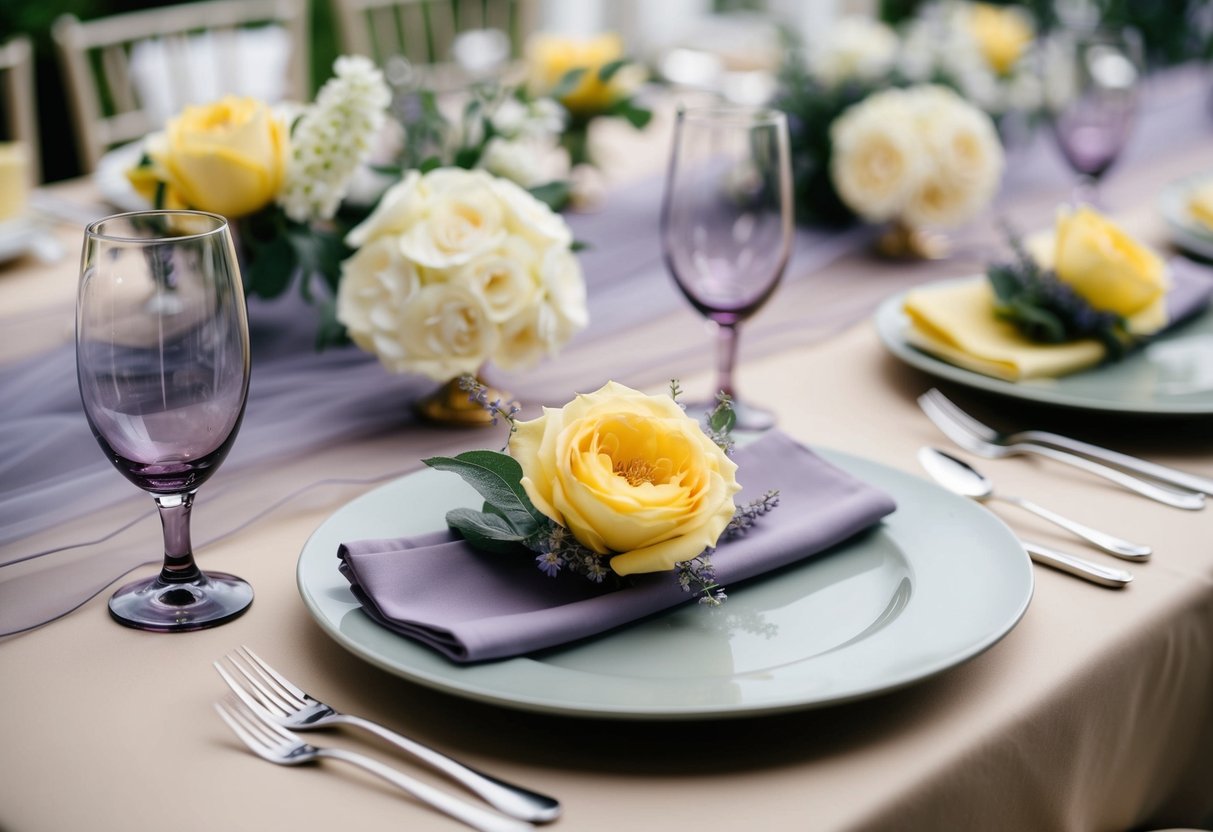
Choosing the right colors for your wedding is crucial. The colors you select will appear in various elements of your special day. From attire to decor, each choice plays an important role in creating the right atmosphere.
Wedding Attire and Accents
Your wedding attire is where color truly shines. The bride’s dress is often the focal point. While white and ivory are classic choices, many brides are now opting for colors like blush or even deep jewel tones.
Bridesmaids’ dresses should complement the bride’s choice. You can choose similar hues or accent colors. Think about accessories too. A vibrant belt or a colorful bouquet can make a strong impact against a more neutral dress.
Don’t forget about the groom and groomsmen. Ties, pocket squares, or socks can incorporate accent colors. This ties the whole look together beautifully.
Decor and Floral Arrangements
Decor and floral arrangements are fantastic opportunities to express your color choices. Earth tones like taupe, olive, and rust can create a warm, inviting atmosphere. They work wonderfully for both indoor and outdoor weddings.
When it comes to floral designs, consider combining colors for a rich palette. For example, bright blooms with deep greens can create a stunning contrast. Accent colors in table settings can also unify your theme. Think about colored napkins, table runners, or even centerpieces that reflect your chosen palette.
Incorporating colors into decor elements like chair sashes and uplighting can enhance the overall look. Coordinated colors create harmony throughout your wedding.
Seasonality and Setting
Seasonality plays an important role in your color choices. Spring weddings often feature pastel hues like soft pinks and light yellows. In contrast, autumn celebrations may lean toward deeper shades like burgundy and mustard.
The setting also influences your color palette. Outdoor weddings surrounded by nature can benefit from earthy colors that complement the outdoor scenery. Jewel tones can stand out beautifully against an autumn backdrop.
Always consider the venue’s existing colors. If your wedding is in a historical building with rich tones, select colors that enhance, not clash. This attention to detail ensures a cohesive look for your special day.
Unique Color Combinations and Themes
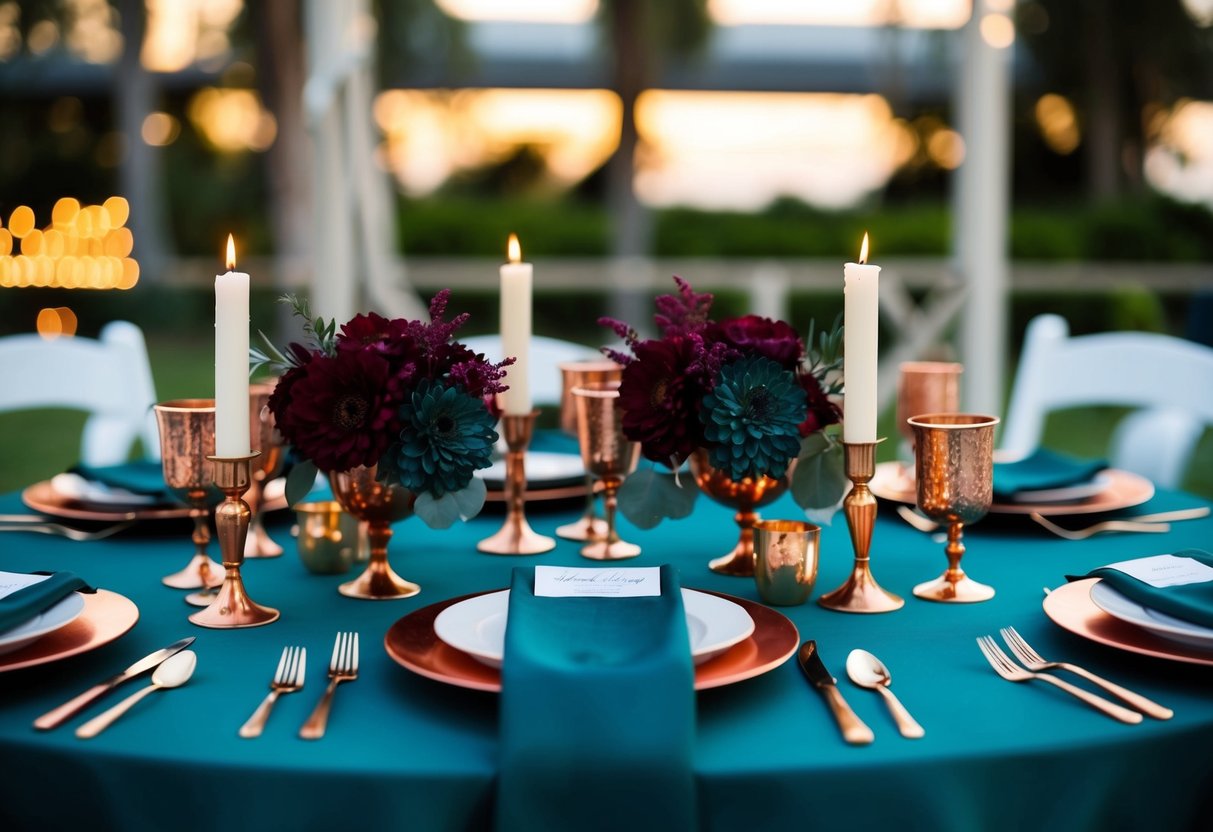
When planning your wedding, choosing unique color combinations can set your event apart. Layering textures, mixing bold and subdued colors, and using metallics can create stunning visuals that truly reflect your style.
Layering and Textures
Layering different colors and textures can add depth to your wedding decor. For example, combining blush pink with champagne color creates a soft and romantic atmosphere. You can achieve this by using various materials like satin table runners over a crisp ivory tablecloth.
Consider using fabrics like lace or tulle for an elegant touch. Mixing textures like velvet with silk can elevate your theme further. Using a variety of shades, such as deep burgundy with lighter tones, can create beautiful contrasts that catch the eye.
Don’t forget to incorporate skin tones into your color palette. Shades that reflect natural skin tones can make your decor feel more inclusive and inviting.
Bold and Subdued Colors Together
Mixing bold and subdued colors can create a beautiful balance in your wedding theme. For instance, navy blue can be paired with softer tones like millennial pink or blush. The navy serves as a strong base, while the pinks soften the overall look.
Another striking combination is deep burgundy with ivory. The richness of burgundy adds elegance, while ivory keeps it light and airy. When choosing your colors, think about how they complement each other.
Keep in mind the mood you want to create. You can opt for bright bouquets with deep hues for that perfect pop of color against more muted decor.
Accentuating with Metallics
Adding metallics to your color scheme can enhance the visual appeal of your wedding. Bronze accents can beautifully complement both soft and bold colors, especially when combined with blush pink or champagne.
You might consider metallic elements in your tableware, decor, or even your floral arrangements. Simple touches, like bronze candlesticks or gold-rimmed plates, can elevate your aesthetic without overwhelming the palette.
Mixing these metallics with colors like navy blue can create a sophisticated look. The combination offers a modern twist while maintaining elegance. Using metallics smartly can give your wedding a luxurious flair.