
What is the Least Common Wedding Month? Discovering the Off-Peak Season for Weddings
If you’re planning a wedding and wondering when to tie the knot, you might be curious about the timing of your special day.
The least common wedding months are January and February. Couples looking for lower costs and more vendor availability might find these months excellent choices. Many couples shy away from these winter months due to cold weather and post-holiday fatigue, but they can offer unique opportunities.
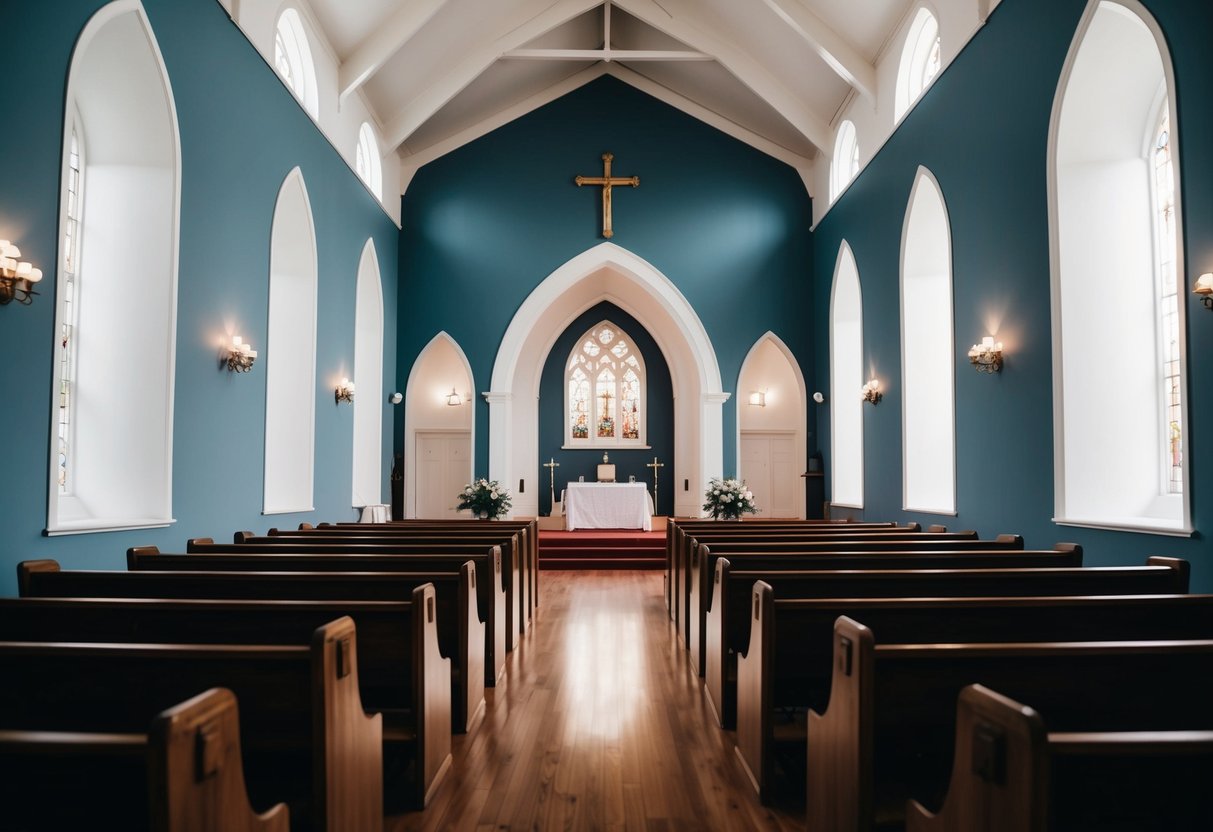
Choosing a less popular wedding date can help you stand out. While most weddings take place in the warmer months, opting for a winter wedding can make your celebration feel special and intimate. Plus, this time of year often comes with beautiful snowy backdrops that can enhance your wedding photos.
By selecting one of these off-season months, you may find that vendors are more available and prices are lower. This can make your planning process smoother and allow for a more personalized experience. So, if you’re considering a date for your wedding, think about January or February for a unique celebration!
Understanding Wedding Seasons

Wedding seasons can greatly affect your planning. Knowing when peak times are can help you secure vendors and choose the best date for your ceremony. Here’s a look at popular wedding months and the off-season.
Popular Wedding Months
The peak wedding season typically runs from late spring to early fall, with June, September, and October being the most sought-after months. These months are favored for their favorable weather, making outdoor ceremonies enjoyable.
During these times, expect higher demand for venues and vendors. It’s wise to book your choices early to ensure availability. Holiday weekends, like Memorial Day and Labor Day, can be particularly popular. Keep in mind that even fun dates like Valentine’s Day might be busy, but can also lead to unique wedding themes.
Wedding Off-Season
The off-season includes the colder months, particularly January, February, and early March. These months are less popular for weddings due to colder weather and holidays. In fact, January often sees only about 2% of weddings that year.
Getting married during the off-season can have its advantages. You’re more likely to find lower rates and better availability. Many vendors offer discounts to fill their calendars during these months. So, if you can handle the colder temperatures, you might find that planning a wedding in the off-season can be both budget-friendly and stress-free.
Factors Affecting Wedding Month Choice

Choosing the right month for your wedding involves several important factors. Understanding these can help you plan a memorable day that fits your needs and budget.
Weather and Seasonal Preferences
Weather plays a big role in deciding when to get married. If you dream of an outdoor ceremony, consider months with milder weather. Late spring and early fall are often ideal due to their pleasant temperatures.
On the other hand, winter weddings can be magical but may require more planning. You’ll need to consider potential snow or cold temperatures that could impact your guest experience.
Plus, some seasons are simply more popular for weddings. Summer tends to be prime wedding season, while January and February are among the least chosen months. If you have a personal preference for a specific season, make that a priority in your planning.
Holiday Schedules and Special Dates
Holidays can heavily influence your wedding date. For instance, Valentine’s Day can be a romantic choice but may also lead to higher costs and booked venues. Similarly, consider how guests’ plans around winter holidays might affect attendance.
Certain dates like Memorial Day, Juneteenth, and Labor Day are popular for weddings, as they fall on long weekends. These also allow many guests to travel without taking time off work. However, be aware that holiday weekends can also mean higher costs and competition for venues.
If you prefer a unique day, consider dates that don’t conflict with major holidays. This can also lead to cheaper options since these months typically see fewer weddings.
Budgetary Considerations
Your wedding budget is one of the most critical factors in your planning. Certain months are known as the cheapest months to get married. January and February, for instance, usually see lower prices due to their popularity.
Choosing a weekday for your wedding can also save you money. Many venues offer discounts for non-weekend dates, allowing you to stretch your budget further.
Keep an eye on venue availability as well. Popular months can get booked quickly, leading to higher prices. Consider using a wedding planning checklist to help manage your budget and make informed choices about your wedding month.
The Least Common Wedding Month
When planning your wedding, you might want to know about the least common wedding month. This can help you make budget choices and find availability among wedding vendors. Surprisingly, January is often recognized as the least popular month to tie the knot.
Identifying the Least Popular Period
January and February are generally the least popular wedding months. In fact, each accounted for only 3% of weddings in 2023. January usually stands out with even fewer weddings, making it a great choice if you want a unique date. Cold temperatures can be a factor that drives couples to other months, but winter weddings can also be magical. If you’re flexible with dates, look for weekends or special days that might be less popular. This can offer a beautiful and less crowded experience.
Advantages of an Off-Season Wedding
Choosing an off-season wedding comes with benefits.
First, you can often find the cheapest days to get married. Venues and wedding vendors may offer discounts during these months due to lower demand. This means you might save significantly on items like catering, photography, and flowers.
Additionally, having your wedding in January allows for more vendor availability.
Popular vendors often book months in advance, but in January, they may have more open dates.
An off-season wedding also means less competition for those “lucky wedding dates” that many couples desire.
You can create a cozy, intimate atmosphere that captures the beauty of winter.