
What is the Least Popular Day for a Wedding? Discover the Best Time to Plan Your Big Day
When planning a wedding, picking the right date is essential. Many couples want to avoid days that might be less desirable for their special event. The least popular days for weddings often fall on Fridays the 13th, and the winter months of January and February have the fewest weddings.
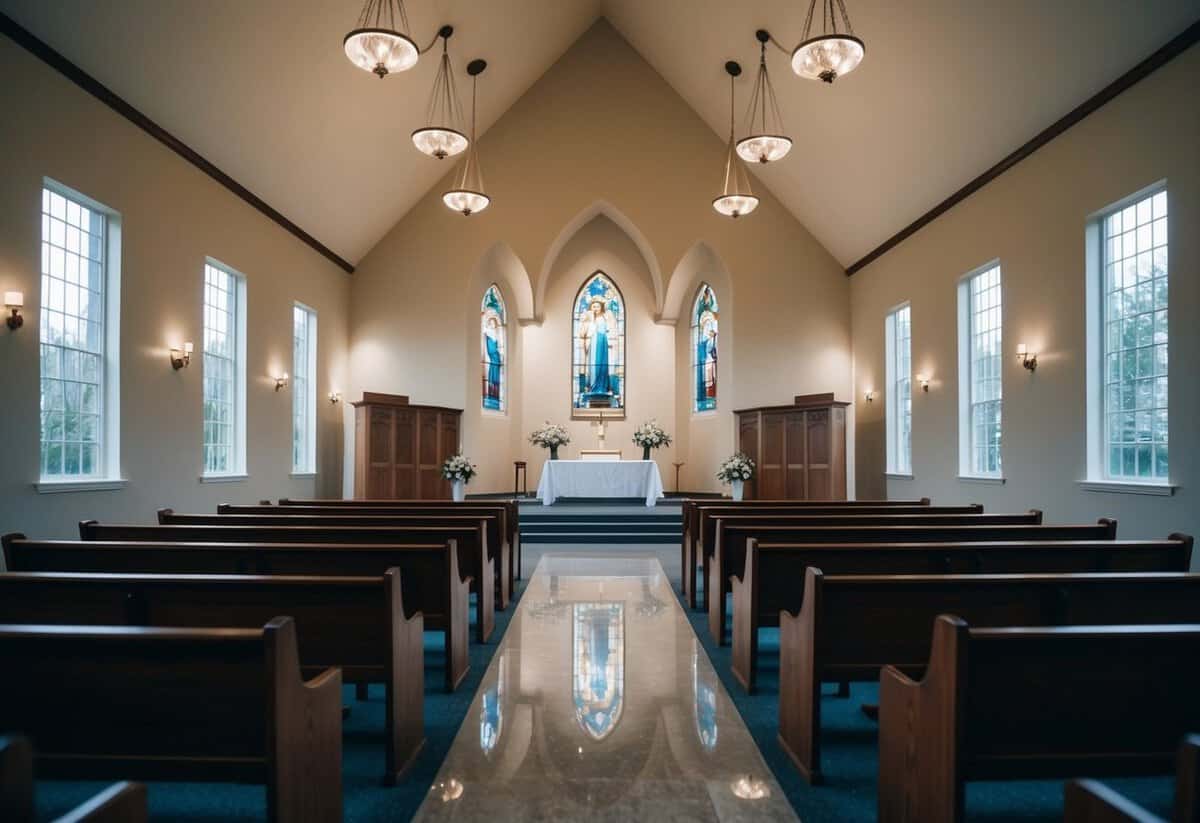
Choosing a less popular wedding day can save you money and may also allow for more venue availability. If you’re considering a unique date, think about how certain days may carry superstitions or chilly weather that could affect your plans.
By exploring these less common choices, you might find the perfect date that fits both your budget and vision for your wedding. Keep reading to discover more about popular trends and tips for selecting the right wedding date.
Understanding Wedding Seasons

When planning a wedding, it’s important to consider the time of year. Your choice can greatly affect costs, availability, and even the vibe of your big day. This section explores the differences between peak wedding seasons and off-seasons, along with how cultural preferences influence wedding dates.
Peak Wedding Season Vs. Off-Season
Peak wedding season typically falls during the warmer months, especially from late spring through early fall. Many couples prefer this time for its pleasant weather and beautiful natural surroundings. Popular months like June and September often see high demand.
Booking during peak times can mean higher prices and fewer venue options. In contrast, the off-season includes the colder months, such as January and February. These months tend to be less popular, and you might find significant savings.
Choosing an off-season wedding allows for more flexibility with vendors and venues. You may also have a unique and intimate celebration, away from the busyness of peak times.
The Influence of Cultural Preferences
Cultural practices play a significant role in choosing wedding dates. For instance, certain cultures have specific auspicious days believed to bring good luck. In some traditions, Saturdays are favored, while others may prefer Fridays or even weekdays.
Religious observances can also impact wedding scheduling. Many couples avoid dates that coincide with holidays or fasting periods. Understanding and respecting these preferences is crucial for planning.
These cultural elements can shift the popularity of wedding days, often leading to crowded weekends. Being aware of these factors can help you choose a date that aligns with both personal choice and cultural significance.
Identifying Less Popular Wedding Dates
When picking a wedding date, understanding which days are less popular can help you find a unique option. Certain months and days of the week tend to have fewer weddings, making them ideal for couples looking for something special. Let’s break it down by month and by week.
Month-by-Month Analysis
January and February are the least popular wedding months. Many couples avoid these months due to the cold weather and post-holiday recovery. In 2023, only about 3% of weddings happened during these months.
Other less popular months include late November and early December, especially around holiday celebrations. While you might find lower venue costs, be mindful of holiday conflicts.
April and September tend to be more popular due to pleasant weather. If you’re seeking a budget-friendly option, you might consider a winter wedding.
Consider planning for a weekday wedding in these off-peak months to save even more.
Weekdays Vs. Weekends
Most couples prefer weekend weddings, especially Saturdays. This choice leads to higher demand and costs.
If you’re open to marrying on a weekday, you can tap into surprisingly low competition. Monday through Thursday are often the least popular days for weddings.
Sunday weddings can be a great compromise. While they are busier than weekdays, they are still less popular than Saturdays.
Choosing a weekday can lead to lower prices for venues and services. Plus, guests might enjoy a fun event in the middle of the week!
By focusing on weekdays and the colder months, you may find the perfect wedding date at a lower cost.
The Impact of Holidays and Significant Events

When planning your wedding, consider how major holidays and special dates can affect your choice. Certain times of the year are less ideal due to other celebrations or events that might compete for attention and guests.
Major Holidays and Wedding Planning
Holidays like Christmas and Thanksgiving are popular family times. Many people prioritize spending time with their loved ones, which can make attending a wedding less appealing.
Key holidays to avoid:
- Christmas
- Thanksgiving
- Easter
These holidays often involve family gatherings and travel plans. Choosing a date near these occasions might reduce your guest list or lead to a crowded schedule.
Holiday weekends can also be tricky. While they may seem attractive for guests, many are often booked for vacations or family reunions. Aim for a date that allows more flexibility for your guests.
Special Dates Like Valentine’s Day
Valentine’s Day is known as a romantic day, but it can also complicate wedding planning. Many couples consider it, but that means venues and vendors may be fully booked.
Expect higher competition for these dates, which can lead to increased costs.
Consider other significant events like:
- Mother’s Day
- Graduations
These occasions can also distract from your wedding. Your guests might be busy celebrating these events, reducing attendance.
Overall, it’s wise to avoid these special dates to keep your wedding day memorable and well-attended.
Advantages of Choosing a Less Popular Wedding Day
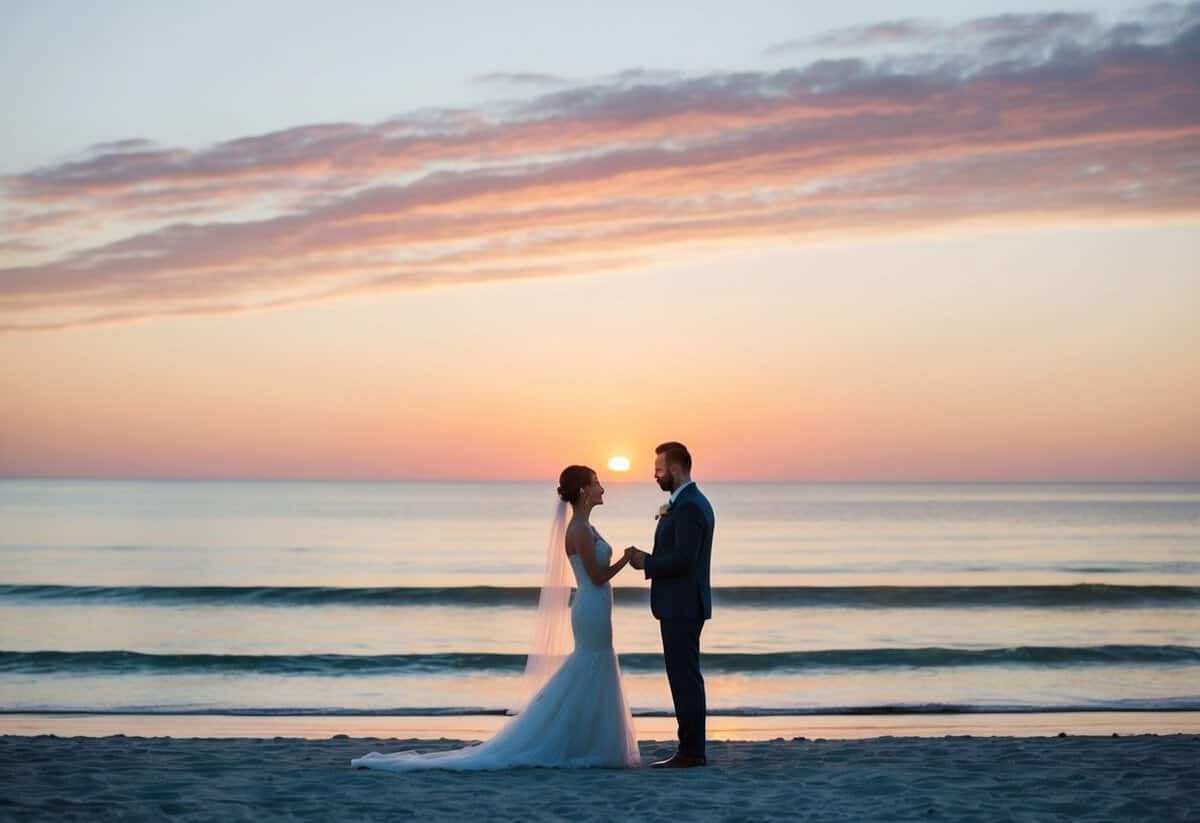
Selecting a less popular wedding day can lead to several benefits. You may find more availability among vendors and reduced costs, which can be a big relief during wedding planning. This choice also allows for a more intimate atmosphere, making the day feel special and unique.
Vendor Availability and Costs
When you choose a less popular day, you’ll likely discover that many wedding vendors are more available. Popular dates often get booked quickly, leaving you with limited options. On less common days, you may get your first-choice venue or favorite caterer.
In addition to availability, consider potential cost savings. Many vendors offer discounts to attract clients on slower days. This means you can save money on services like photography, catering, and venues. These savings can help you allocate your budget for other important aspects of your big day.
Creating an Intimate Atmosphere
A less popular wedding day can also foster a more intimate atmosphere. With fewer guests and a smaller event, you can engage in deeper connections with your loved ones. This setting encourages meaningful conversations and memories that last longer.
You will also have the chance to personalize your day more. Fewer guests mean you can focus on details that reflect your style and love story. Whether it’s unique decorations or special activities, you can create an event that truly feels like yours.