
What Is the Least Popular Day for a Wedding? Discover the Surprising Answer!
If you’re planning a wedding, you might want to know when to avoid booking your big day. Couples tend to avoid tying the knot on Tuesday, making it the least popular day for a wedding. Most weddings happen on weekends, which makes weekdays like Tuesday not just less common but also often more affordable.
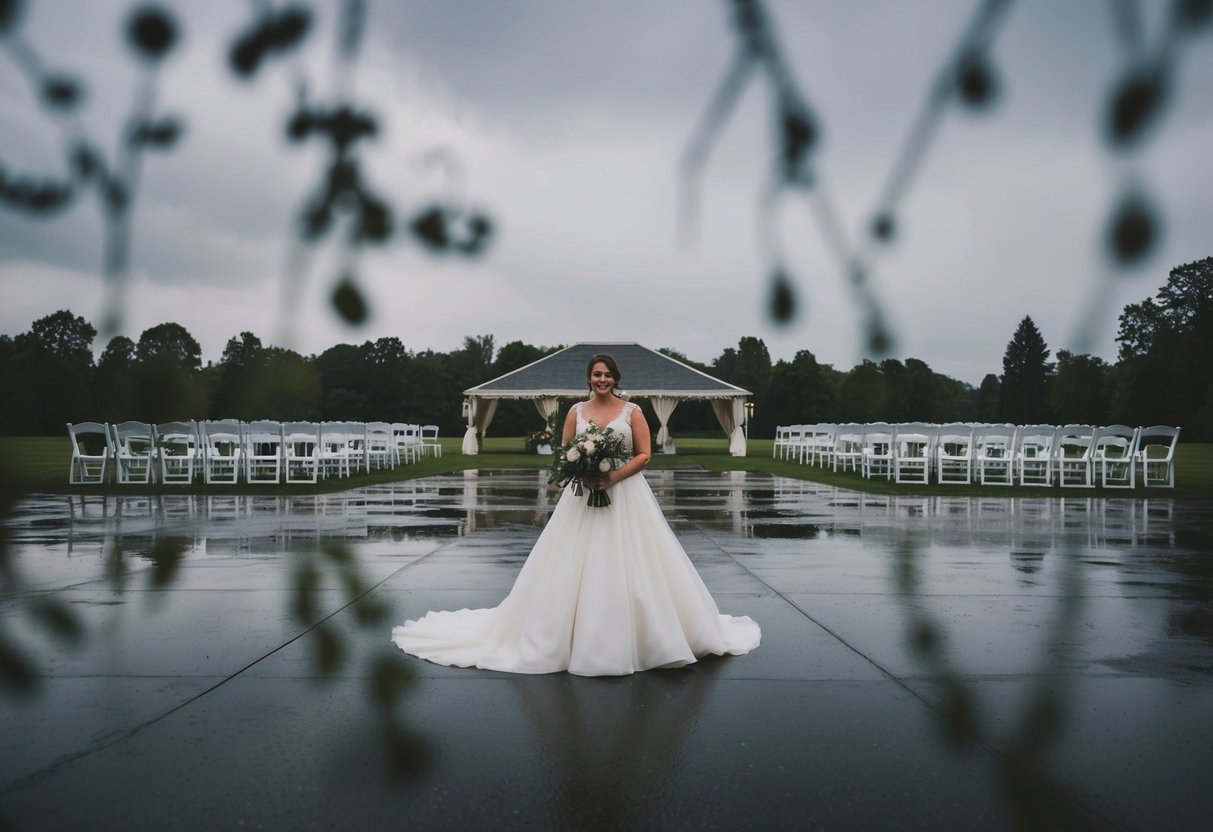
January and February also rank among the least popular months for weddings, with each month accounting for only 3% of weddings in recent years. If you’re looking for a wedding date that offers more availability and potentially lower costs, consider these winter months. Many couples prefer warmer weather, so choosing a date during this off-season might just give you the perfect venue without the hassle of heavy competition.
Understanding Wedding Seasons
Wedding seasons can greatly impact your planning and budget. Knowing when peak times hit as well as the benefits of off-season dates will help you make informed choices for your special day.
Peak Wedding Season Factors
The peak wedding season usually falls in late spring and summer. Months like June, July, and August are popular due to warm weather and longer days. Around these times, outdoor venues shine, offering beautiful backdrops for ceremonies.
Many couples choose these months because they often allow for guest travel and attendance. However, popular dates can mean higher prices. Venues and vendors may charge more during this busy time. You could also face limited availability for your chosen location, so it is wise to book in advance.
Off-Season Wedding Advantages
Opting for an off-season wedding can be a smart choice. Months such as January and February are typically considered less popular. This means venues often have more availability and may even offer discounts.
By choosing an off-season date, you can save money on not just the venue but also on catering and flowers. Additionally, this time can provide a unique experience, with fewer crowds. You might be able to personalize your wedding more easily, creating a day that feels truly yours.
Evaluating Cost Savings for Less Popular Dates
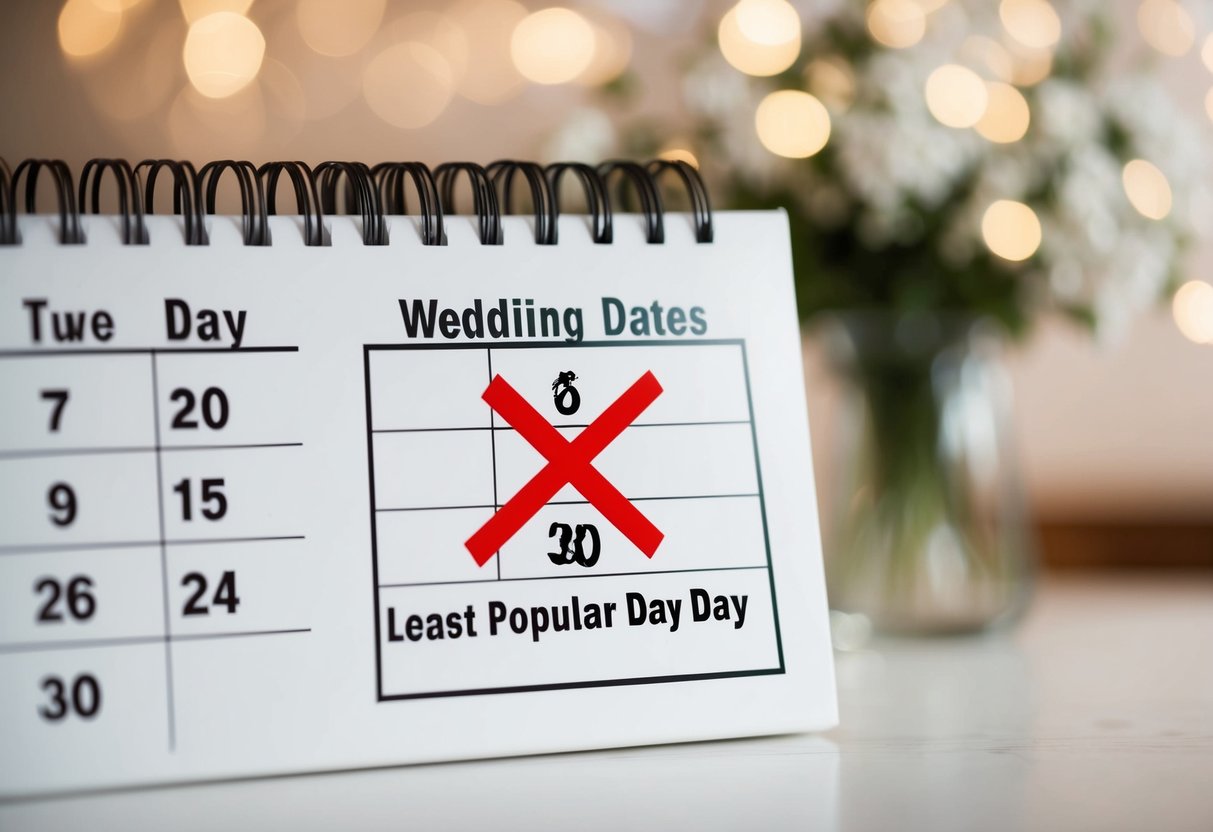
Choosing a less popular wedding date can lead to significant savings. By opting for certain months and days, you can benefit from lower costs and improved availability of vendors.
Cheapest Months and Days to Get Married
The best time to save money on your wedding is during the off-season. The cheapest months are typically December, January, and February. Many couples avoid these winter months, so venues often offer discounts to fill dates.
In addition to the months, consider specific days. Weekdays, particularly Monday through Thursday, are often the least expensive days to tie the knot. Sundays can also be a budget-friendly option.
By selecting a less popular date, you can save money on your venue, catering, and other essential services. This approach allows you to allocate more of your budget to details that matter most to you.
Vendor Costs and Availability
When you choose a less popular date, you will likely find that many vendors offer better pricing. Since fewer events are scheduled, they may provide special rates and promotions to attract business.
Availability improves significantly, meaning you can hire your preferred vendors without the stress of competing bookings. Popular vendors often charge more during peak wedding months and weekends due to high demand.
Additionally, you’ll have more flexibility in negotiating contracts because you’re looking at off-peak dates. This can lead to cost savings on services like photography, catering, and floral arrangements. It’s a smart way to keep your wedding budget in check while still getting the quality you desire.
Impact of Calendar Events on Wedding Dates
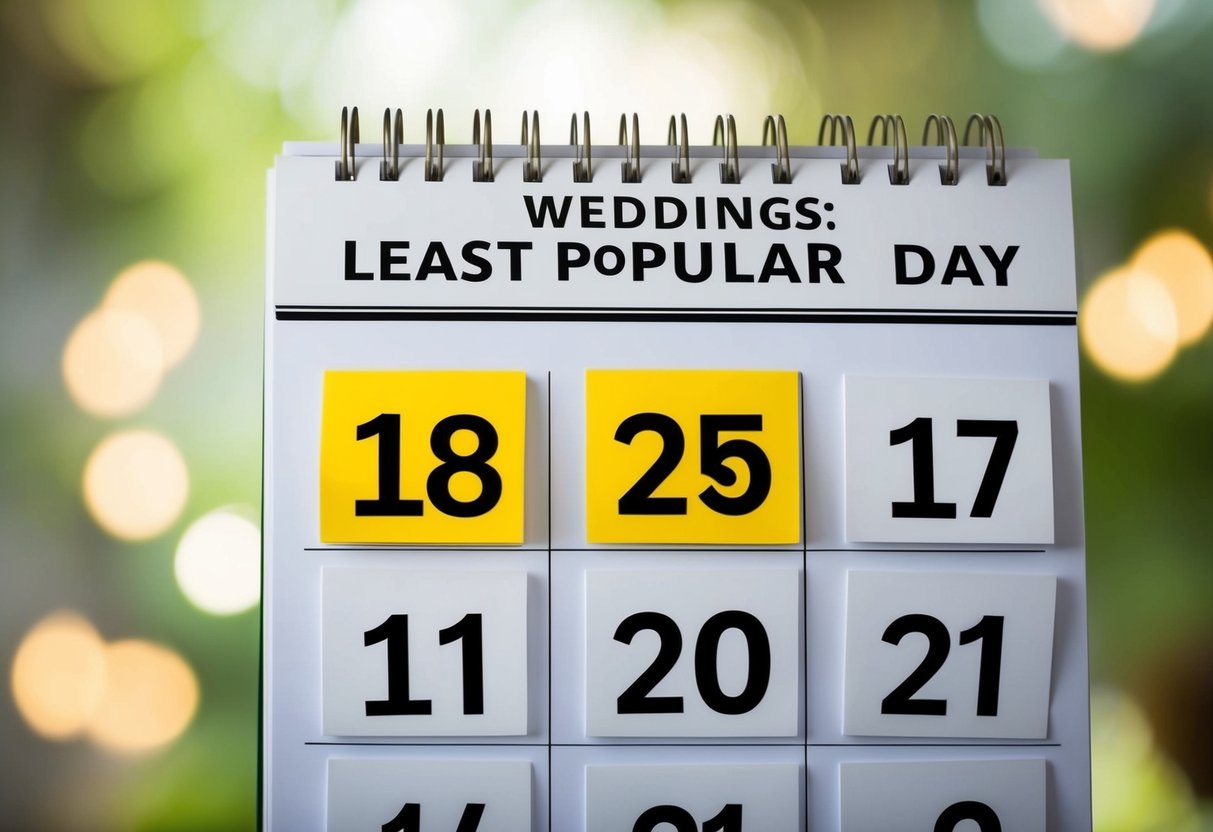
Choosing your wedding date can be tricky. Calendar events such as holiday weekends and family gatherings can affect your plans. They influence guest availability, venue bookings, and even costs.
Holiday Weekends and Family Events
Holiday weekends are popular for weddings, but they often come with pros and cons. Many couples choose to get married on three-day weekends, like Memorial Day or Labor Day. This allows guests to travel without taking extra time off work.
However, keep in mind that you might face higher venue costs and limited availability due to increased demand. Popular holidays can bring noise and distractions, making it harder for guests to focus on your big day.
Family events like reunions can also impact your wedding date. If your family has a reunion planned, it might be best to schedule your wedding on a different date to ensure your loved ones can attend.
Cultural and Religious Observances
Cultural and religious observances play a significant role in selecting your wedding date. Many couples wish to honor traditions, which often dictate certain days for celebrations.
For instance, some cultures have specific lucky dates to tie the knot. Similarly, being mindful of major religious holidays is essential. If your wedding falls on Mother’s Day, Thanksgiving, or other key dates, guests may have prior commitments that could affect their attendance.
If you’re considering a particular time of year, research local observances to avoid conflicts. Understanding these events helps you choose a date that resonates with both your vision and your loved ones.