
What is the Least Popular Day to Get Married in the UK? Unveiling the Surprising Choice
When planning your big day, choosing the right date is key. While many couples opt for popular wedding dates, some days are much less favored. The least popular day to get married in the UK is Christmas Day, with only a handful of couples tying the knot on December 25.
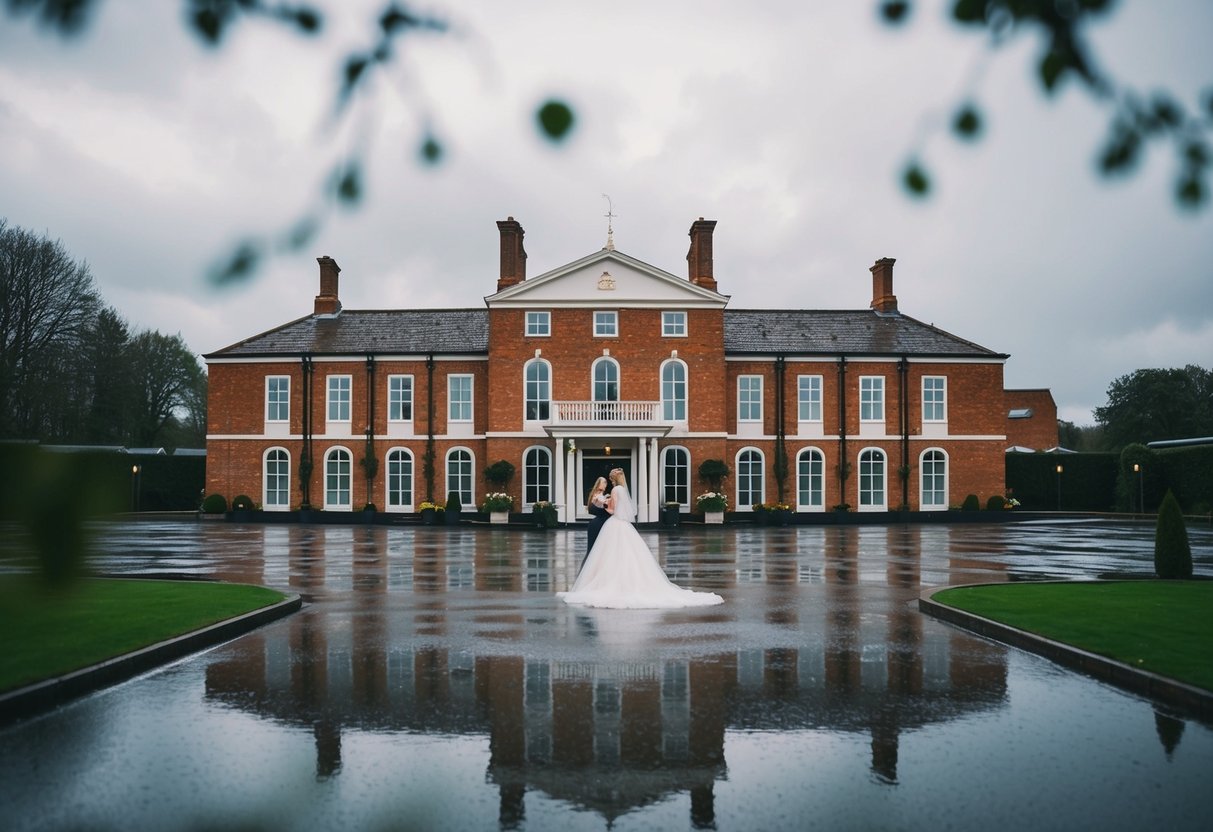
If you’re considering a unique date for your wedding, being aware of these less popular days can help. Many find that weekdays, particularly Tuesdays, also see fewer marriages. This can create a more intimate atmosphere and potentially save you money on venues and services.
Exploring these options can lead to a memorable experience that stands out. With the right planning, you can make your wedding day truly special, even if it falls on an unexpected date.
Understanding Wedding Seasons in the UK

In the UK, wedding seasons play a big role in planning your special day. Knowing when peak and least popular times are can help you make the best choice for your wedding. Here’s an overview of these trends to guide your decision.
Peak Wedding Season Trends
The peak wedding season in the UK typically runs from late spring to early autumn. This is when the weather is usually pleasant, making it ideal for outdoor ceremonies.
Months like June, September, and October are particularly favored due to longer daylight hours and beautiful scenery.
During this time, many couples want to book popular venues. It’s common for venues to charge higher prices and for dates to get booked up quickly. You might find yourself competing with other couples for preferred dates in these months. If you want to plan for this season, consider making reservations well in advance.
Identifying the Least Popular Wedding Month
January is often seen as the least popular month for weddings in the UK. With cold weather and post-holiday blues, many couples choose to avoid this month. Statistics show that January accounts for just under 2% of weddings, making it a quiet time for celebrations.
Additionally, 25th December and 1st January are especially challenging due to the festive holiday season. On Christmas Day, almost no weddings take place, as many people are celebrating with family. If you’re considering January, you could benefit from lower venue costs and more availability since demand is lower during this time.
Decoding Wedding Date Preferences

Choosing a wedding date goes beyond personal preference. Cultural norms and types of ceremonies play a significant role in what dates are popular or avoided.
Cultural and Social Influences
Cultural traditions often guide your choice of wedding dates. For example, many couples opt for dates that hold special meaning, like anniversaries or holidays.
In the UK, certain days like 3rd August and 18th August are popular, as they often fall during the summer when the weather is more favorable. This time attracts couples seeking outdoor celebrations.
Additionally, you may want to consider religious customs. Some couples prefer weekends, especially Saturdays, to accommodate guests, while others might avoid dates that clash with major holidays or events.
Non-traditional Versus Traditional Ceremonies
Your choice of ceremony type influences wedding date preferences too. Traditional ceremonies may lead you to stick with popular dates like 27th July and 24th August, which are well-loved for their favorable weather.
Civil ceremonies, on the other hand, can be scheduled on less conventional dates. You could choose a weekday to enjoy lower venue costs and more availability.
Consider the 7th September, often seen as an off-peak date, ideal for couples looking to avoid the usual crowds. Balancing personal tastes with these cultural and ceremony factors can help pinpoint the perfect day for your special moment.
The Impact of Dates on Wedding Planning

Choosing the right wedding date can significantly affect your planning process. Key factors include venue availability and potential savings when opting for less popular dates. Understanding these elements can help you make informed decisions.
Venue Availability and Pricing
Selecting a wedding date during peak seasons can limit your options. Popular dates, such as Saturdays in June, are often booked years in advance.
Conversely, less common days, like Fridays or weekdays, often offer more venue choices.
For instance, opting for a Friday wedding can sometimes reduce costs. Many venues charge lower rates for Friday events compared to Saturdays. This can lead to substantial savings.
According to the Office for National Statistics, December 26th is another date to consider. This date, known as Boxing Day, while festive, may also feature lower marriage rates. Exploring various dates lets you find venues that fit your style and budget.
Deviating from Convention to Reduce Expenses
If you are looking to cut costs, consider alternative wedding dates. Many couples shy away from January or February, which can lead to excellent deals. These months account for only 3% of weddings.
Additionally, think about unconventional days, like a Monday or Thursday. This decision may help you secure a preferred venue at a lower price.
Being flexible with your date can lead to unexpected benefits. A less traditional date not only saves money but might allow for more unique venue options. By breaking away from the norm, you could create a memorable experience without overspending.
Marital Trends and Statistics
Marital trends in the UK reveal changing preferences among couples. From the rising popularity of same-sex marriages to shifts in divorce rates, understanding these patterns gives insight into social attitudes toward marriage and relationships.
Changing Patterns in Marital Choices
In recent years, there has been a notable increase in same-sex marriage and civil partnerships. This shift reflects a broader acceptance of different types of relationships. More couples now view cohabitation as a valid alternative to traditional marriage.
The average age at marriage has also risen. Many people are choosing to marry later in life, focusing on education and career before settling down. This change can affect the dynamics of relationships, as opposite-sex couples and same-sex couples navigate their commitments.
Divorce rates, thankfully, have stabilized after decades of increase. Many couples are now more prepared for the realities of marriage. Programs and support systems aim to strengthen relationships and reduce breakup rates.
Detailed Analysis by the Office for National Statistics
The Office for National Statistics (ONS) provides rich data on marriage trends. Notably, January and February often see the least weddings. These months attract fewer couples due to winter weather and holidays.
Recent statistics show that Saturday is the most popular wedding day, while Christmas Day ranks as the least popular with only a couple of weddings.
In 2020, September 26 had the highest number of marriages, showcasing the seasonal demand for weddings. Most couples prefer summer months, like August. The ONS continues to track these trends to help you understand the changing marital landscape. This includes aspects of divorce rates and preferences in wedding dates.