
What is the Least Popular Month to Get Married? Discover the Trends Behind Wedding Dates
If you’re planning a wedding, you might be wondering about the best timing for your special day. Many couples choose popular months for their weddings, but have you considered the less crowded times? January and February are the least popular months to get married, with only about 3% of couples tying the knot during these chilly winter months.
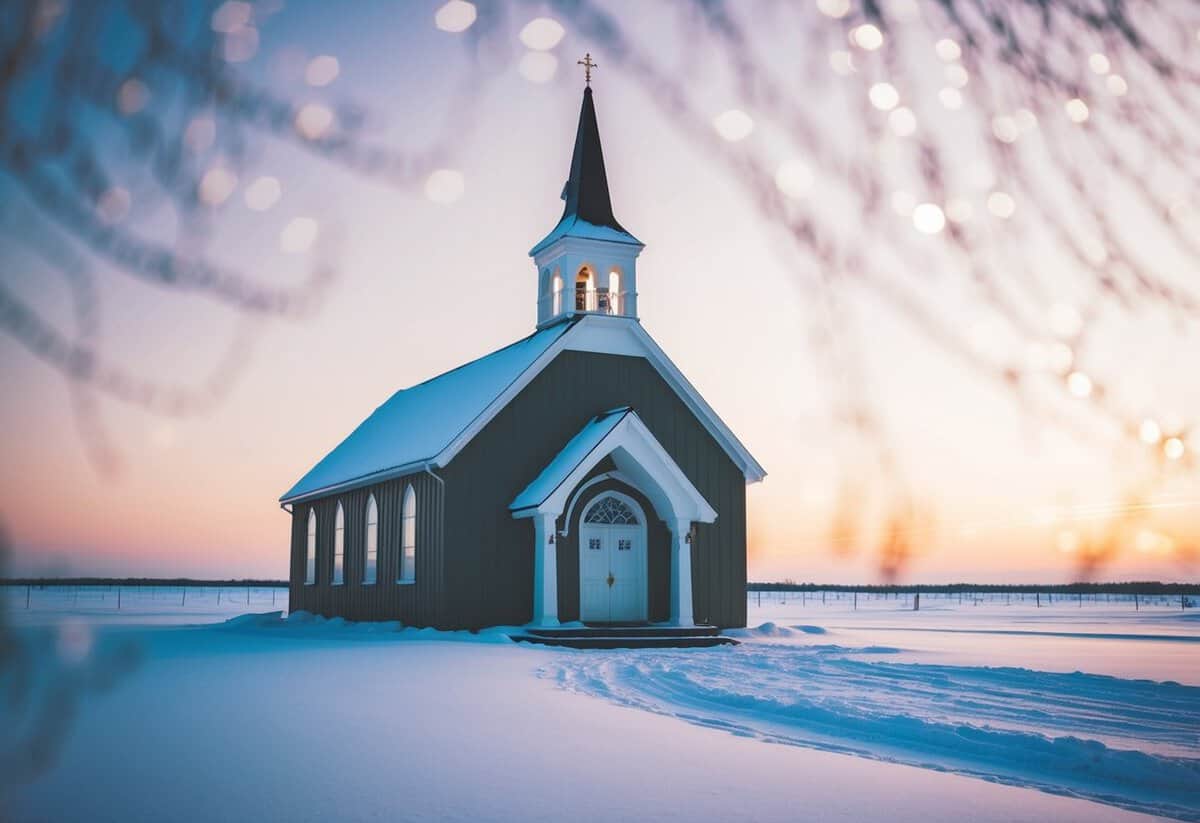
Choosing a wedding date in the off-season can offer several advantages. Venues and vendors are often more available, and you may find better pricing too. Plus, it can be a unique touch to celebrate your love when most others aren’t.
Understanding wedding seasons can help you create a memorable day that stands out.
Understanding Wedding Seasons

Wedding seasons play a big role in planning your special day. Knowing when peak and off-peak times are can help you choose a date that fits your needs and budget.
Let’s look more closely at these periods and what affects their popularity.
Defining Peak and Off-Peak Periods
Peak wedding season usually runs from late spring to early fall. During this time, many couples choose to tie the knot due to pleasant weather and longer days. The most popular months are May through September, with June often being the top choice.
On the other hand, off-peak months include January and February, plus some parts of March and November. These months are often less appealing because of cold weather and holidays like Valentine’s Day and Thanksgiving. Winter weddings can be beautiful but may require extra planning due to conditions like snow.
Factors Contributing to Wedding Month Popularity
Several factors influence which months are more popular for weddings. Weather is a primary reason; many want to avoid the rain or snow that can come with winter.
Holiday weekends also play a role. Many couples avoid dates like Super Bowl Sunday or Christmas, which can limit their guest list. Additionally, certain months like June and September have a buzz that encourages many to get married then.
Trends and Statistics
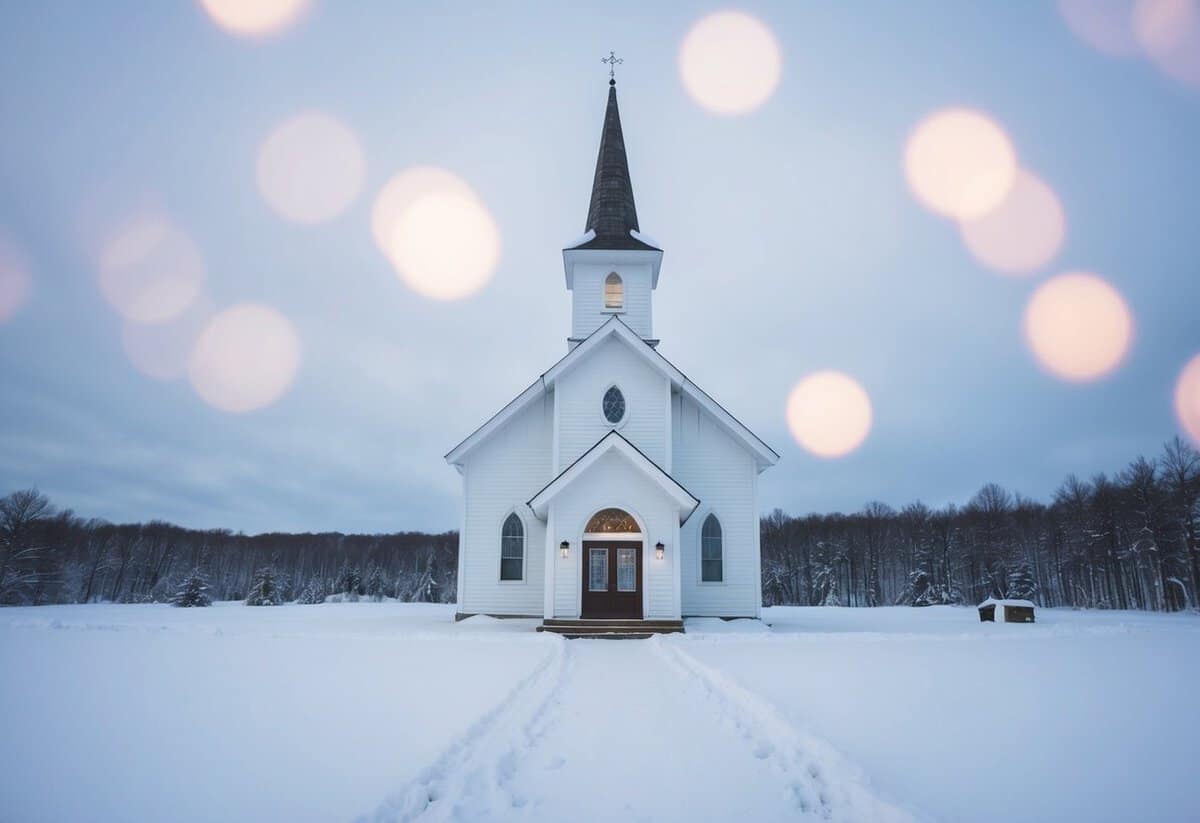
Understanding the trends and statistics around wedding dates can help you make informed choices. You might be surprised by how certain months and specific days impact wedding popularity.
Historical Data on Wedding Dates
January and February are often viewed as the least popular months to get married. In fact, they each make up only 3% of weddings according to recent data. These months are frequently cold and may conflict with post-holiday schedules, making them less appealing to couples.
Some specific dates, like December 31, also stand out. While some may think a New Year’s Eve wedding could be fun, many couples avoid it due to celebrations and travel plans. Additionally, May 13 has gained a reputation for being considered unlucky because it’s often linked with Friday the 13th superstitions.
Cultural and Social Influences
Cultural and social factors can greatly affect wedding date choices. For example, Valentine’s Day sees a spike in engagements but isn’t always popular for weddings due to its romantic connotations. Likewise, many couples shy away from dates close to Christmas and Thanksgiving, as people are often occupied during the holiday season.
Some couples might prefer dates they consider lucky, like those that align with their cultural beliefs. This can lead to a surge in weddings on specific days based on customs. All these influences shape the landscape of popular and least popular wedding months and dates.
Planning for an Off-Season Wedding

Choosing an off-season month for your wedding can lead to exciting benefits. You can save money and find more options for vendors. Here are key points to consider while planning.
Advantages of Selecting an Unconventional Month
There are several benefits to picking an off-season wedding date. First, you take advantage of lower prices. January, February, and December are often the cheapest months to get married.
Also, many vendors offer special discounts during these months. This is a great chance to secure services like photography and catering at a reduced cost.
You’ll also enjoy more availability. Popular venues are less booked, making it easier to choose your dream location. If you’re thinking about a destination wedding, you might discover amazing deals during the off-peak season.
Lastly, having a wedding on a weekday can lead to even more savings. Many venues and vendors offer special rates for non-weekend dates, which can cut your costs significantly.
Tips for Securing Vendors and Discounts
When planning your off-season wedding, being proactive can lead to great finds. Start by creating a wedding planning checklist that includes a focus on your budget.
Reach out to multiple vendors early to compare prices. Ask vendors about off-season discounts and any special packages. Many vendors are willing to negotiate when business is slower.
Utilize social media and wedding forums to get recommendations for reliable vendors. Look for reviews of those who have successfully planned off-season weddings.
Don’t forget to consider unique venues. Some places are less popular during the off-season but just as beautiful. This can lead to both lower costs and a memorable experience for you and your guests.
By planning thoughtfully, you can turn an unconventional month into a remarkable celebration.