
What Is the Least Popular Month to Get Married? Unveiling Wedding Trends
When planning your special day, choosing the right wedding date is crucial. You may be wondering about the best time to tie the knot or when to avoid the crowds. January and February are the least popular months to get married, making them part of the off-season for weddings. This means you might find more availability and lower costs for venues and vendors during these chilly months.
While many couples aim for the warmer months in spring and summer, winter weddings can have a unique charm. If you’re open to tying the knot in the off-season, you can create a cozy atmosphere that sets your celebration apart.
Plus, saying “I do” during this time can offer you a chance to enjoy an intimate gathering without the stress of peak wedding season.
Exploring the least popular wedding months can lead to exciting opportunities for couples seeking a memorable experience. Embrace the benefits of planning your wedding in January or February, and discover how this timing can actually enhance your celebration.
Understanding Wedding Seasons

Wedding seasons vary greatly throughout the year, affecting when couples choose to tie the knot. Knowing the difference between peak and off-peak months can help you make better decisions for your special day.
Peak vs Off-Peak Wedding Months
Peak wedding season generally occurs from late spring through early fall. This is when most couples plan their ceremonies. Popular months include June, September, and October.
During peak times, venues tend to fill up quickly, and prices often rise. Many couples enjoy the beautiful weather and vibrant flowers, making these months ideal for outdoor weddings.
On the other hand, off-peak months are typically January through February and sometimes December. Choosing to get married during these months can save you money and provide more availability.
If you don’t mind the colder weather, January and February are often the least popular. These months each accounted for just 3% of weddings in 2023.
Factors Influencing Wedding Month Popularity
Several factors play a role in the popularity of different wedding months. Weather is a significant consideration. Couples often prefer pleasant temperatures for outdoor ceremonies.
Additionally, holidays can impact scheduling. Couples might avoid busy holiday seasons, which can make travel and accommodations tricky.
Another factor is cost. Off-peak months usually mean lower prices for venues, catering, and other services. This can allow couples to allocate their budget elsewhere, like decorations or a honeymoon.
Finally, cultural factors and traditions can also influence the choice of wedding dates. Certain months may be more favorable based on family traditions and personal beliefs. Knowing these factors helps you find the right time for your wedding.
Identifying the Least Popular Month to Wed
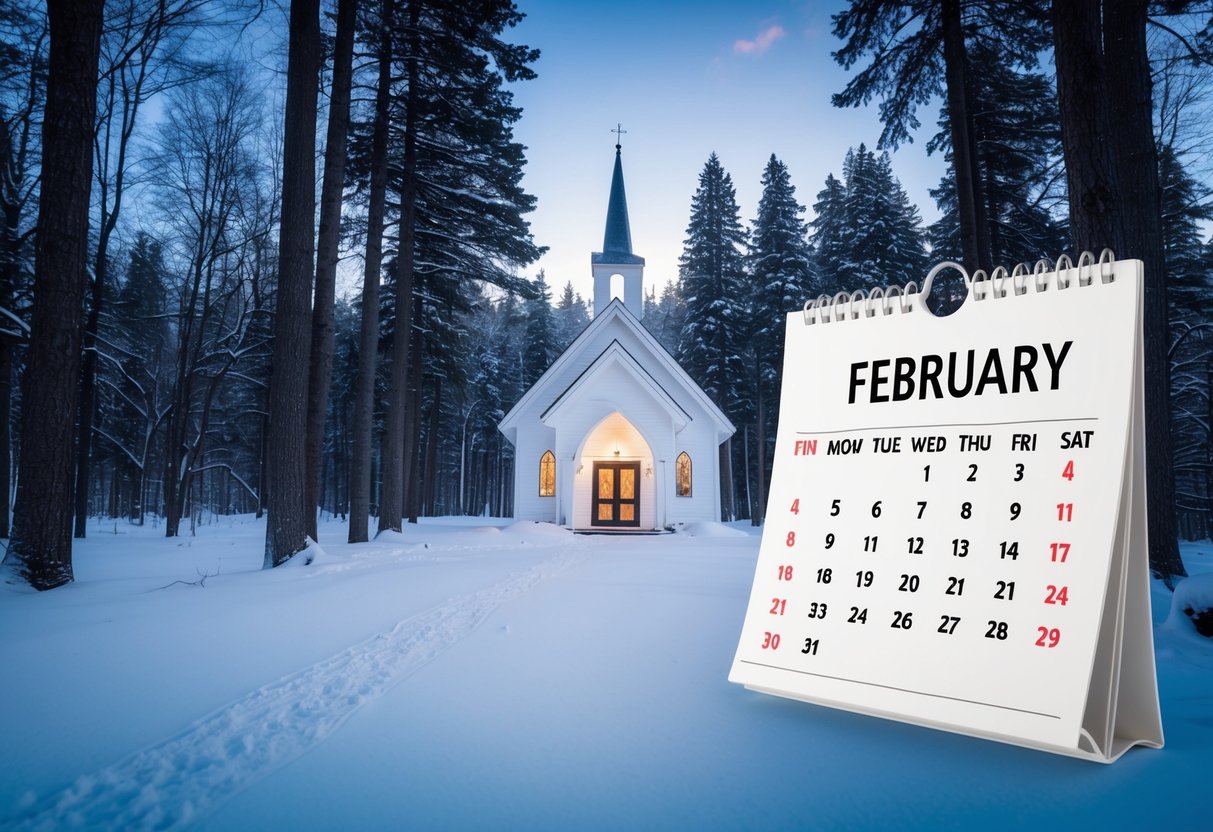
When planning your wedding, knowing the least popular month can help you choose a date that may save you money and ease scheduling. January and February tend to be the least favored months for many couples.
Winter Wonders and Challenges
February is often seen as the least popular month to tie the knot. In 2022, only 3% of weddings happened then. While winter weddings can be beautiful, factors like cold weather can deter couples.
January and February are also after the busy holiday season. Many people focus on events like Christmas and New Year’s celebrations. As a result, they might delay wedding plans until spring.
Snow and ice may further complicate outdoor venues. However, if you’re okay with chilly weather, you can find unique winter-themed options. Cozy settings and warm décor can make for a memorable celebration.
Holiday Considerations
Holidays strongly influence wedding dates. December can be tricky too, especially with events like Christmas and New Year’s Eve. Many couples may avoid December 31, fearing it competes with celebrations.
Valentine’s Day is popular for proposals but not for weddings. Many couples prefer to celebrate love with a proposal rather than a wedding on this romantic day.
Planning your wedding around holidays like Thanksgiving also makes it hard to choose a date. Friends and family often have packed schedules, making your event challenging for guests to attend. Consider these factors when choosing your wedding date.
Pros of an Off-Season Wedding
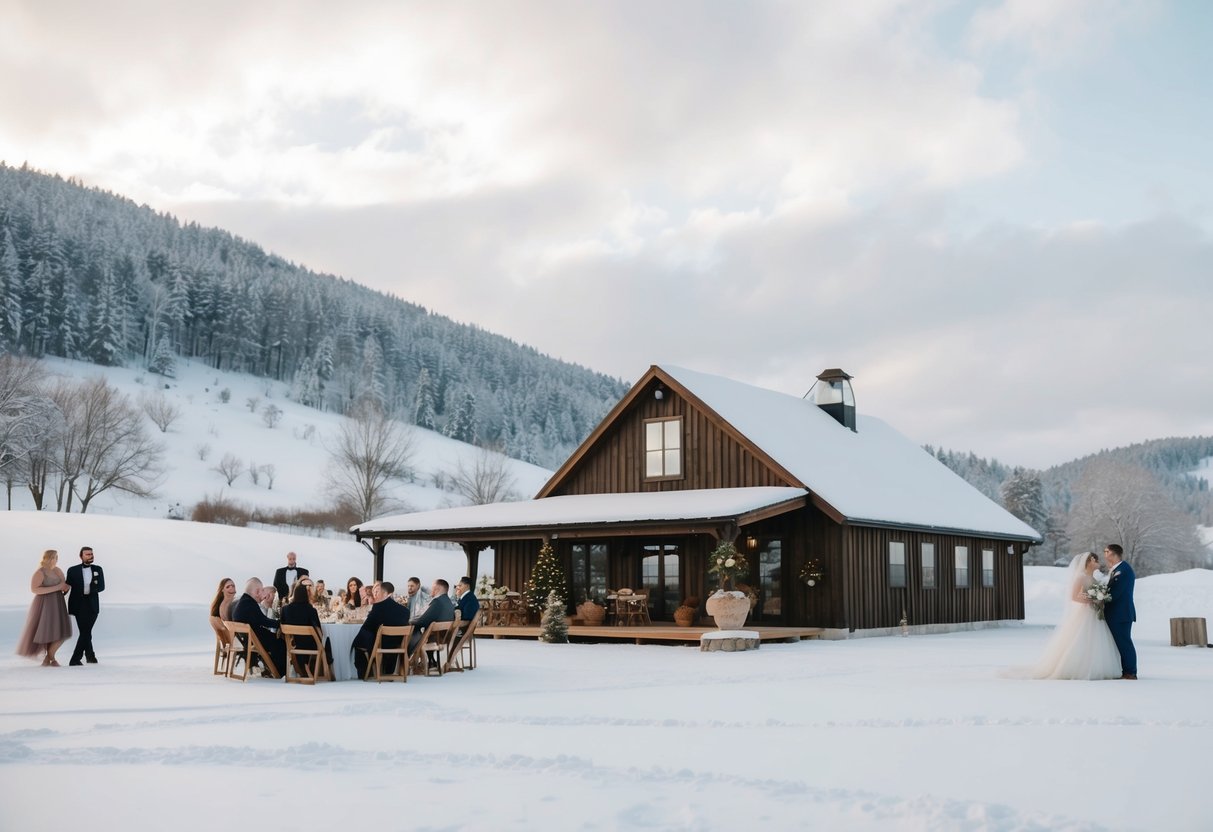
Choosing to have an off-season wedding can bring multiple advantages. You can enjoy significant savings and a wider selection of wedding vendors, making your planning process smoother.
Budget-Friendly Options
Winter is often the cheapest time to tie the knot. January and February are popular choices for budget-conscious couples. During these months, many venues and vendors offer lower rates to attract clients.
You might find discounts reaching up to 30% on venue rental fees. Additionally, catering and decoration costs can also be lower during this off-peak period.
The cheapest days to get married are typically weekdays. Booking your wedding on a Monday or Thursday can save you even more. Overall, an off-season wedding can help you keep your expenses down while still creating a beautiful event.
Vendor Availability and Selection
During the winter months, many vendors have more availability. Popular wedding planners, photographers, and caterers are often less booked, giving you more options.
This allows you to choose the professionals who best match your vision.
You can negotiate better rates since vendors are eager to fill their calendars. With fewer events on their schedules, they may be more responsive and attentive to your needs.
This flexibility also means you can secure high-demand vendors who might be booked during peak months. Your wedding can enjoy the best talent in the industry while remaining affordable.
Planning Tips for Less Popular Months
If you’re considering a wedding in a less popular month, you can make the most of your unique date.
First, think about weekday weddings. These are often easier to book and can save you money on venues and vendors. You can consider a Tuesday or Wednesday for a more intimate celebration.
Plan your wedding around holiday weekends. This might bring more guests since many people have time off. Just be aware of potential conflicts with events like the Super Bowl.
If you love a specific date, check if it’s considered a lucky wedding date. Some believe dates like May 13 can be lucky, while others might avoid Fridays. Think about what feels right for you.
You can also consider a destination wedding. Fewer couples schedule weddings in colder months, so you could find great deals in popular spots. Just make sure to consider travel for your guests.
Lastly, keep a solid wedding planning checklist. Focus on important elements like the venue, guest list, and vendors. This ensures you don’t overlook anything crucial.