
What Is the Least Popular Month to Have a Wedding? Discovering the Quietest Wedding Season
If you’re planning a wedding, you might be wondering about the best time to tie the knot. While spring and summer are popular for weddings, January and February are typically the least popular months for weddings. This off-season period allows for more flexibility with dates and vendors.

Choosing a less popular month can also mean lower costs. Venues and services tend to be more available, and you can take advantage of discounts that often come with off-peak dates. If you’ve dreamed of a winter wonderland wedding or a cozy indoor celebration, consider these quieter months for your special day.
With fewer weddings taking place, you can create a unique experience that stands out. Planning a wedding in January or February can provide an intimate and special feel, allowing you to focus on what really matters.
Understanding Wedding Seasons

Wedding seasons can greatly affect your planning. Knowing the differences between peak seasons and off-seasons helps you choose the perfect time for your event.
Peak Wedding Season
The peak wedding season usually spans from late spring to early fall. Couples often choose months like May, June, September, and October. These months are particularly popular because of the pleasant weather and beautiful settings.
Many venues and vendors are booked well in advance during this time. This means you might face higher prices and limited availability. If you dream of a summer wedding, consider booking early to secure your spot.
According to data, June is especially sought after, making it the most popular month for weddings, appealing to many couples looking for a picturesque day.
Off-Season for Weddings
The off-season typically includes winter and early spring, with January and February being the least popular months. During these months, fewer weddings occur, which can lead to more affordable options.
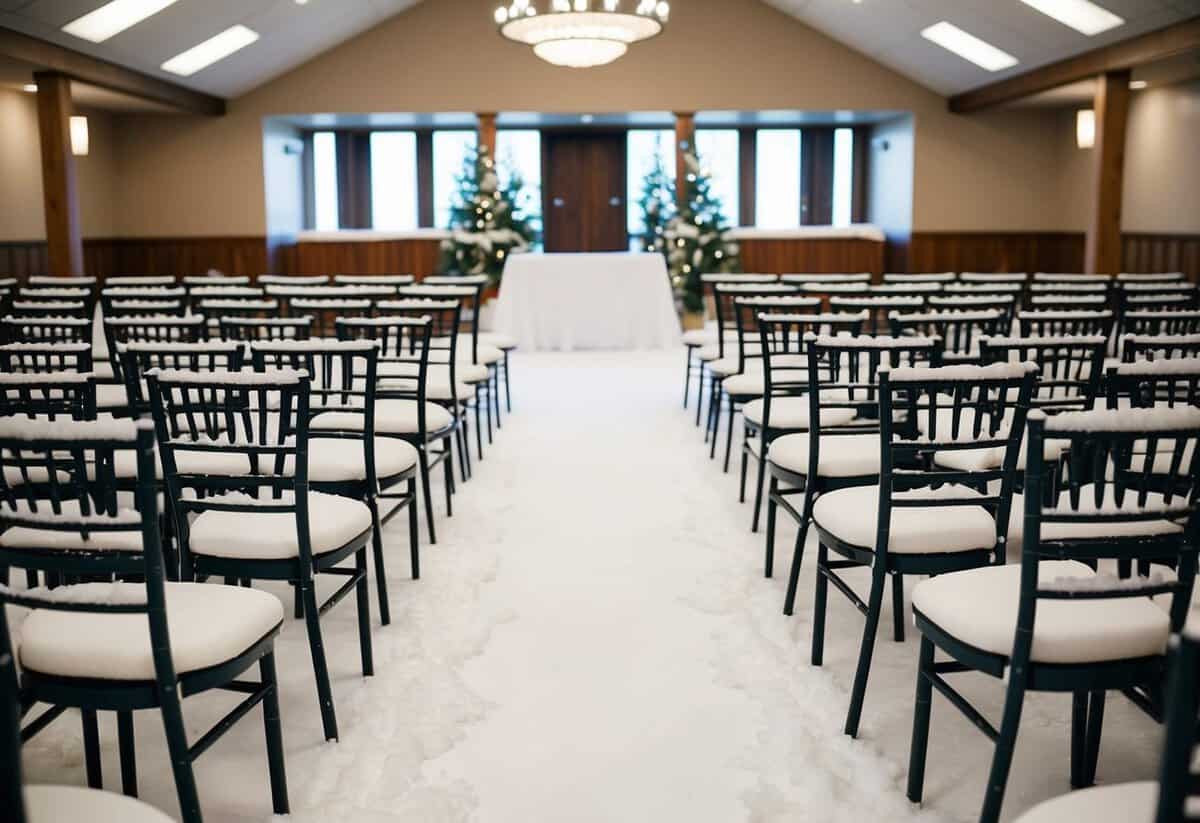
Venues may offer lower rates, and vendors could be more flexible with pricing. Planning a winter wedding can bring unique charm, such as snowy backdrops or cozy indoor settings.
Embracing the off-season allows you to personalize your event with fewer crowds. If you’re looking for a budget-friendly option, consider planning during this quieter time.
Factors Affecting Wedding Month Popularity

When planning your wedding, several factors can influence your choice of date. Understanding how weather and holiday scheduling impact popularity can help you decide.
Weather Considerations
Weather plays a big role in choosing your wedding month. Many couples prefer summer months for outdoor ceremonies, enjoying sunny skies and warmer temperatures. This also means more opportunities for beautiful photos outside.
In contrast, winter months can be less popular due to cold temperatures, snow, and travel difficulties. For instance, January and February see fewer weddings because of harsh weather conditions. Though winter weddings can be enchanting, some couples shy away because of potential snow or freezing temperatures, affecting guest attendance and venue accessibility.
Holiday Scheduling
Holidays can greatly affect wedding popularity. Certain months, like December, are often busy due to Christmas celebrations. Many guests may already have plans, making your wedding a more challenging event to attend.
February’s proximity to Valentine’s Day can be a double-edged sword. While it’s a romantic time for many, it can also pressure couples to conform to Valentine’s expectations. Likewise, popular weekends, such as those around New Year’s Eve or Memorial Day, can lead to higher costs and limited availability because of holiday travel.
Being aware of these factors can help you choose a wedding date that works best for you and your guests.
The Economics of Wedding Planning
Planning a wedding involves many financial considerations. Understanding costs and potential savings can make a big difference in your budget. Here are two key areas where economics play a critical role in planning your special day.
Venue and Vendor Costs
When choosing a venue, consider how the timing affects costs. Many venues offer lower rates during off-peak months like January and February. These months are often less popular for weddings, leading to more competitive pricing for you.
Consider these factors:
- Venue Type: Indoor venues may have different pricing compared to outdoor spaces.
- Day of the Week: Fridays and Sundays can be cheaper than Saturdays.
Vendors also adjust their prices based on demand. If you’re flexible with dates, you can negotiate better rates for services like photography, catering, and floral arrangements. You may find discounts ranging from 10% to 30% during the off-peak season.
Travel and Accommodation Discounts
If you plan a destination wedding, timing can greatly influence travel costs for you and your guests. Hotels often provide discounts for booking blocks of rooms during less popular travel seasons.
Look out for:
- Group Rates: Many hotels offer reduced rates for large parties.
- Off-Peak Travel: Flights can be significantly cheaper during slower travel months.
Planning your wedding in off-peak times can also encourage more guests to attend, as travel costs may be lower. By taking advantage of these discounts, you can save money and enhance the experience for your friends and family.
Least Popular Months to Tie the Knot
If you’re thinking about when to have your wedding, you might want to consider the least popular months. February stands out as one of the least favored months for weddings. Many couples avoid this month due to cold temperatures and winter conditions.
Winter months like December and February often see fewer weddings. Both months are known as the off-season for weddings. Only about 3% of couples choose to tie the knot during these chilly times.
Planning a wedding in these months, you might find better vendor availability. Many venues and suppliers have open dates since fewer people are getting married. This can make it easier for you to book your dream location.
If you love winter but want to avoid February, consider January. It is also not very popular, which means more options for planning.
Just keep in mind that cold temperatures may affect your guests’ comfort. If you decide to go for it, think about cozy elements to make your day special.
With some planning, a winter wedding can be beautiful. The snowy backdrop can add magic to your special day!