
What is the Least Popular Wedding Date? Exploring Uncommon Choices for Your Big Day
If you’re planning a wedding and looking for a date that stands out, you might want to consider the least popular options. In recent years, January and February accounted for only about 3% of ceremonies. This time frame can offer you unique advantages, like better venue availability and potentially lower costs.
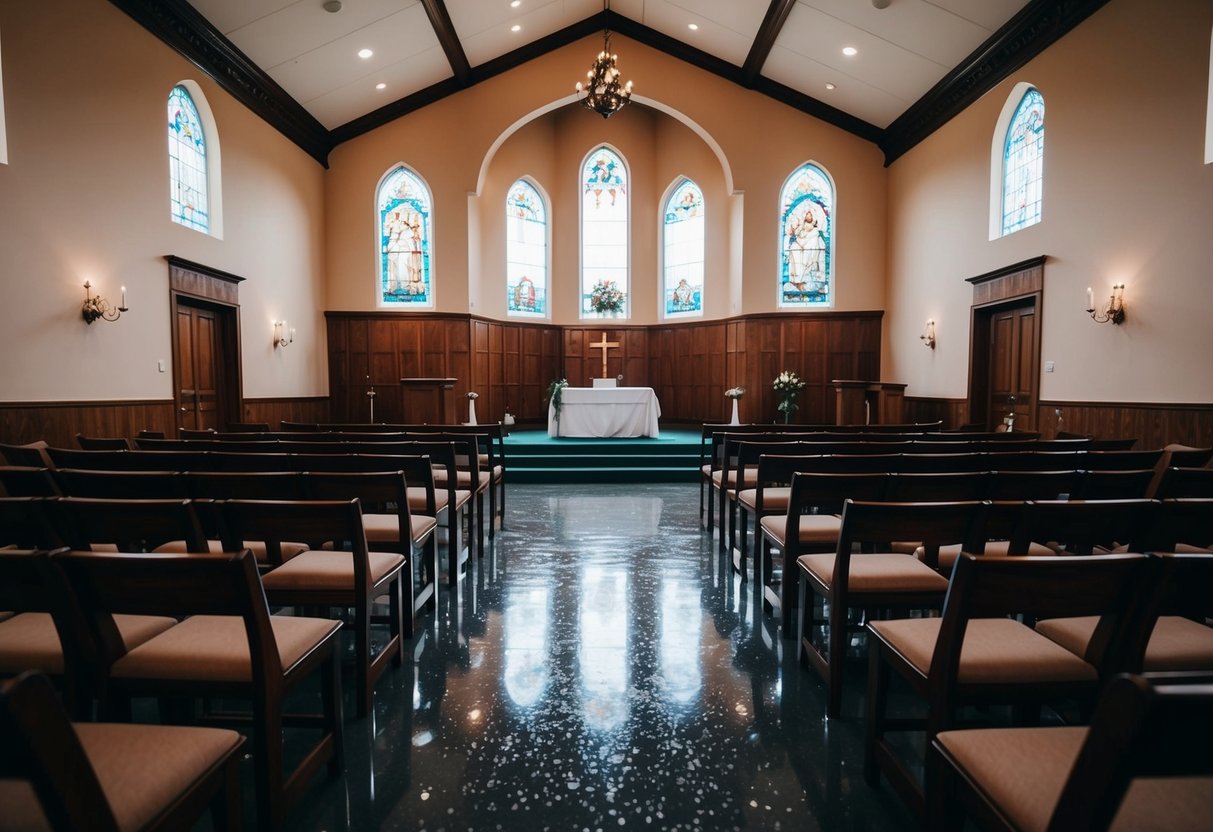
When many couples shy away from these chilly months, you may find that you can secure your dream location without the stress of heavy competition. Additionally, choosing a less common date could make your celebration even more memorable. Think about how you can embrace the season and create a cozy and beautiful atmosphere for your special day.
Understanding Wedding Seasons
In wedding planning, knowing the difference between peak and off-season can greatly affect your choices. Each season brings unique benefits and challenges that can influence your special day.
Peak Versus Off-Season
Peak wedding season typically runs from late spring to early fall. This includes popular wedding months like June, July, and August. During these months, venues and vendors are in high demand, and prices can be higher due to increased booking.
On the other hand, off-season months, such as January and February, see fewer weddings. These months often come with lower costs and more availability. Many couples enjoy the intimate atmosphere and cozy settings that winter provides.
Factors Influencing Wedding Date Popularity
Several factors affect the popularity of wedding dates. Weather is a major consideration; many couples prefer warm, sunny days for outdoor events.
Location also plays a role. Certain destinations may have peak tourist seasons that align with popular wedding dates, which can affect costs and guest availability.
Cultural and religious events can influence dates, too. For instance, some couples avoid specific months due to holidays or family traditions.
Lastly, current wedding trends can impact date choices. Unique themes or seasonal decor may draw couples to specific months. Recognizing these factors can provide valuable insights as you plan your big day.
Identifying the Least Popular Wedding Dates
Choosing a wedding date can be tricky, especially if you want to avoid crowded schedules and high costs. Some dates and months are less popular for weddings, often due to weather, holidays, or events.
Months and Dates to Avoid
January and February are typically the least popular months for weddings. They account for only about 3% of weddings each year. The colder weather and post-holiday recovery make many couples hesitate.
Dates like Friday the 13th might also be seen as unlucky, making them less chosen by couples. Major religious holidays, like Passover or Easter, are also periods to consider. Many people focus on traditions during these times, which may limit attendance.
Special events, such as major sporting events, can affect guest availability. For example, a popular game might take your guests away from your wedding.
Pros and Cons of Off-Season Weddings
Choosing an off-season wedding can seem appealing. There are pros to these dates. For one, you may find that vendors are more available. Often, you’ll also find better prices for venues and services, which can make your wedding budget stretch further.
On the flip side, there are cons. You might deal with unpredictable weather in winter months, as cold or rainy days can impact your plans. Also, some guests might have travel challenges during off-peak seasons, especially for destination weddings.
Strategies for Choosing Your Wedding Date
Choosing a wedding date involves considering personal significance and seasonal factors. These elements can greatly influence your experience and the overall feel of your big day.
Considering Special Dates and Personal Significance
Think about dates that hold personal meaning for you and your partner. This could be your anniversary, the day you met, or a family member’s birthday. Choosing a date that resonates with you adds an emotional touch to your celebration.
You might also look for auspicious wedding dates deemed lucky in your culture or belief system. Many couples seek dates like 2/22 or 11/11, which are considered lucky due to their numerical patterns. These special dates can create a memorable backdrop for your wedding day.
Don’t forget to check for vendor availability on these significant dates. Popular wedding dates fill up quickly, so plan ahead to secure the services you want.
Evaluating Seasonal Considerations
The season can greatly impact your wedding plans. Spring weddings often feature blooming flowers and mild weather, making outdoor ceremonies enchanting.
Summer weddings may offer vibrant colors and lively celebrations but can also face heat and rain challenges.
In contrast, fall weddings provide stunning backdrops with autumn leaves and cooler temperatures. Then there are winter weddings, which can be cozy and magical but may limit venue options and lead to potential weather issues.
If you’re considering a destination wedding, look into the local climate during your preferred season. This will help you avoid harsh weather and ensure a pleasant experience for your guests.
Each season has its charm, so think carefully about what fits your vision best.