
What is the Least Popular Wedding Month? Exploring Off-Peak Wedding Seasons
If you’re planning a wedding and want to find the best time to tie the knot, you might be curious about the least popular wedding month. January and February are the least popular months to get married, each accounting for just 3% of weddings. This can be a great advantage for couples looking for more options in venue availability and vendor selection.
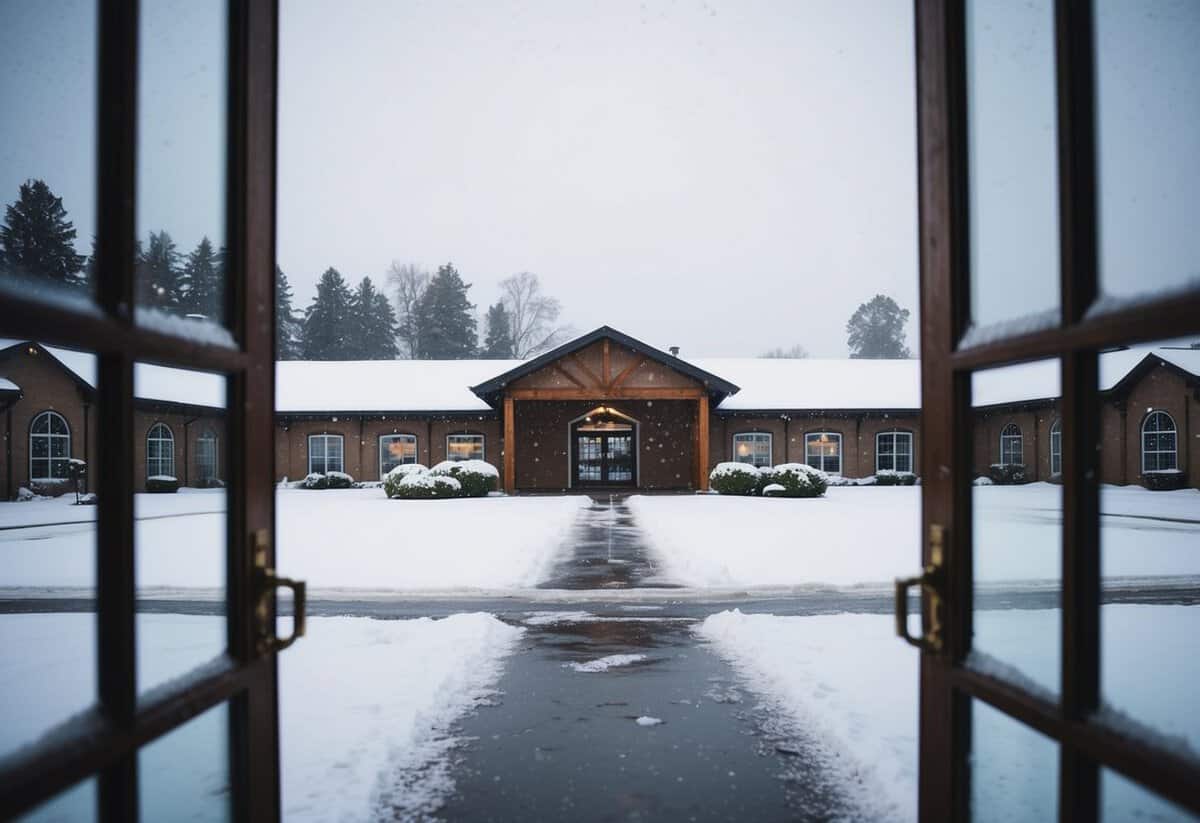
Wedding season typically peaks in the warmer months, making off-season months a smart choice if you want to save money. Many couples may not realize that saying “I do” in the winter can lead to significant savings. Not only do you have a greater chance of booking your preferred vendors, but you could also benefit from lower rates and special offers.
Exploring the least popular wedding months gives you a unique perspective on wedding planning. Embracing the winter months could lead to a cozy, intimate celebration that stands out from the typical summer or fall weddings. If you’re open to trying something different, the off-season might be the perfect fit for you.
Decoding Wedding Popularity by Month
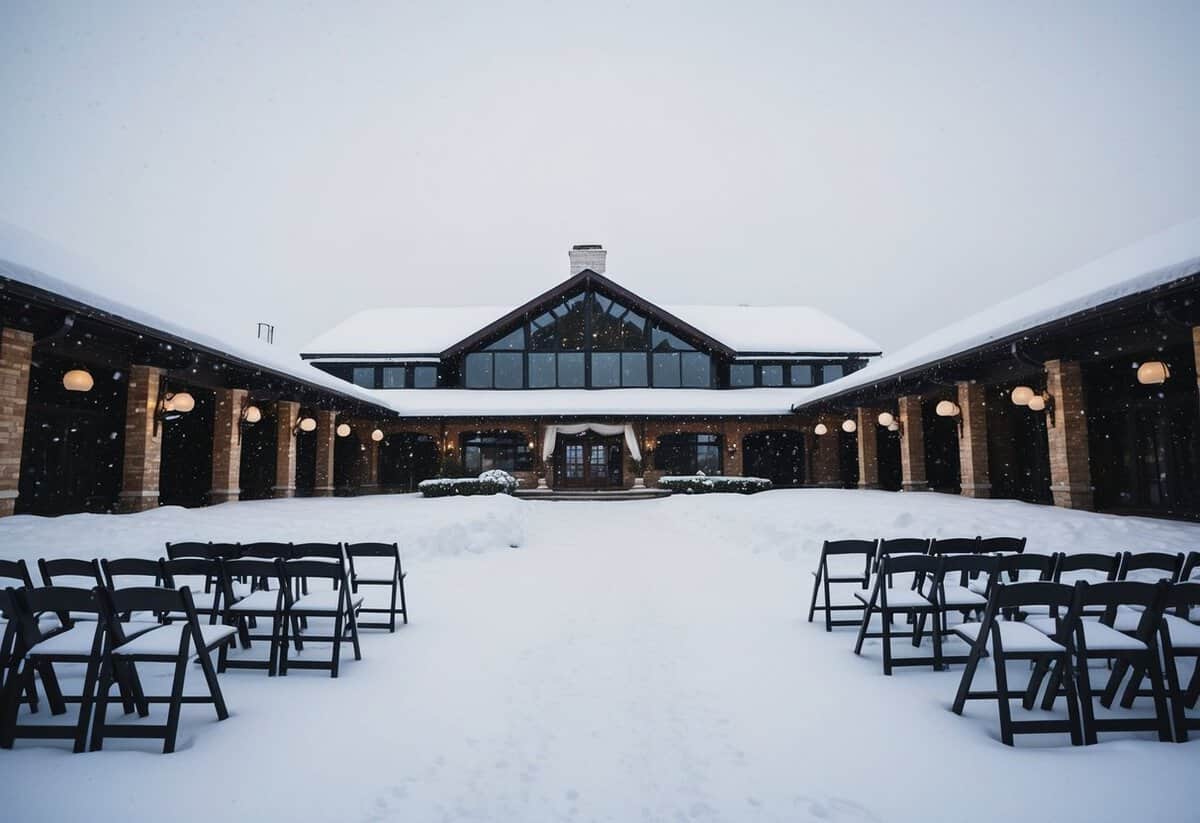
Understanding when to hold your wedding can help you pick the best date for your big day. Here, you’ll explore why certain months are more popular than others and what factors influence these trends.
Factors Influencing Wedding Month Popularity
Several factors affect the popularity of wedding months. Weather is a significant one. Many couples choose summer for its warm, pleasant days. In contrast, winter often has chilly temperatures, which can deter outdoor ceremonies.
Cost plays a key role, too. Venues and vendors may offer discounts during the off-season. February is typically the least popular month to get married, accounting for only 3% of weddings. Many couples prefer the more favorable conditions of warmer months, leading to a peak wedding season in late spring and summer.
Special dates also influence popularity. For instance, June marks the highest percentage of weddings, with around 10.8% taking place then. This trend continues into August and September, making them sought-after months.
Comparing Peak and Off-Season Wedding Months
During peak wedding season, which spans from late spring to early fall, couples face competition for venues and vendors. The charm of summer weddings often attracts many couples. Dates like mid-June and September are especially favored.
In contrast, off-season months like January and February offer benefits that you might consider. These months can be less crowded, which means more availability for venues. You might even snag lower prices on services and rentals, making it budget-friendly.
However, keep in mind that while winter weddings can be beautiful with themes of snow and warmth, they often require more planning for weather conditions. This difference creates distinct experiences in peak versus off-season months.
Perks and Challenges of Off-Season Weddings
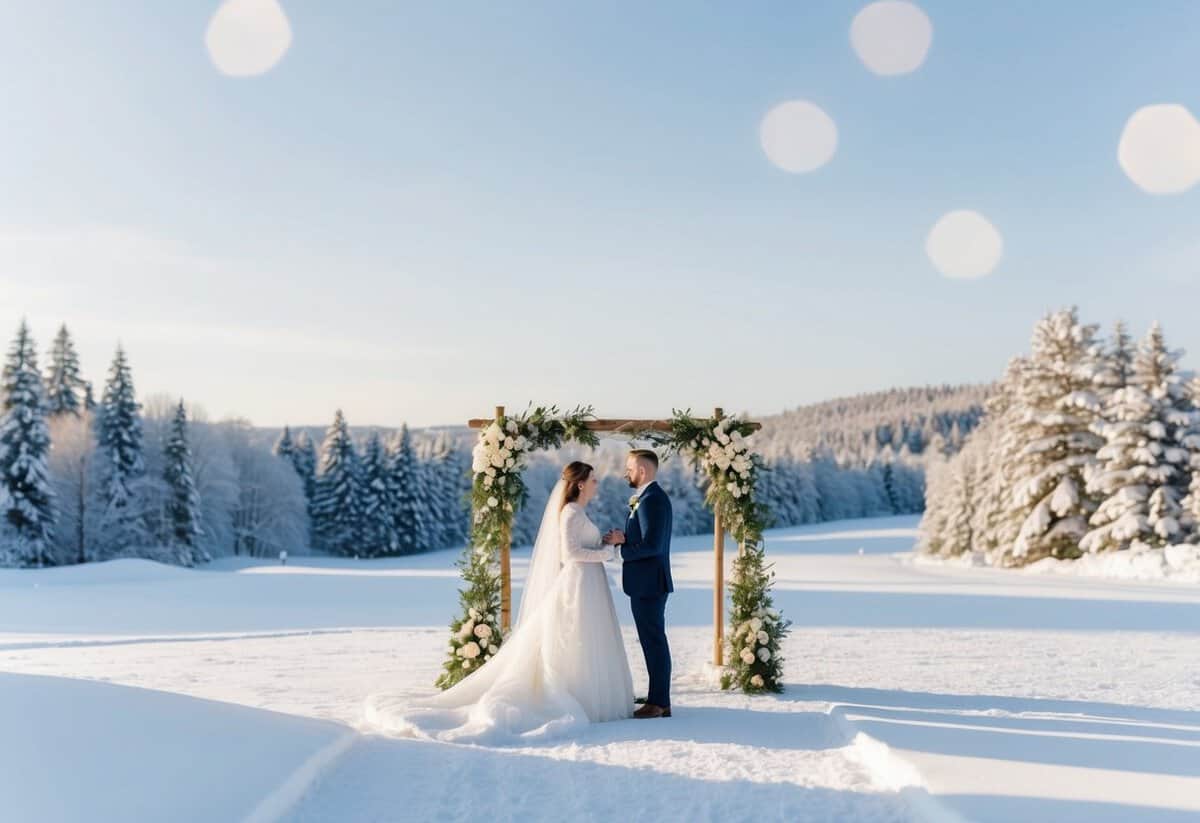
Planning an off-season wedding comes with its own set of advantages and challenges. Understanding these can help you make the best choices for your special day.
Vendor and Venue Considerations During the Off-Season
When you plan a wedding in the off-season, you often find greater vendor availability. Many professionals are eager for work during slower months. This means you can book top choices for photographers, florists, and caterers without as much competition.
Also, you might snag a venue that was previously booked up. Venues often offer lower rates in the off-season. This can translate into better options for your budget.
Make sure to check for any unique opportunities offered during these months. Some venues might even provide special packages, enhancing your wedding experience.
Navigating Weather and Guest Availability
Unpredictable weather is a major factor in off-season weddings. It can be rainy or chilly, depending on the time of year. Be prepared with a backup plan, especially if you dream of an outdoor celebration.
You’ll also want to consider your guests’ availability. Off-season dates may conflict with holidays or travel schedules. Sending save-the-dates early can help ensure your friends and family can join you.
While navigating these challenges, you can create a beautiful and memorable experience. Off-season weddings offer unique opportunities that you might not have considered otherwise.
Seasonal Wedding Themes and Decor
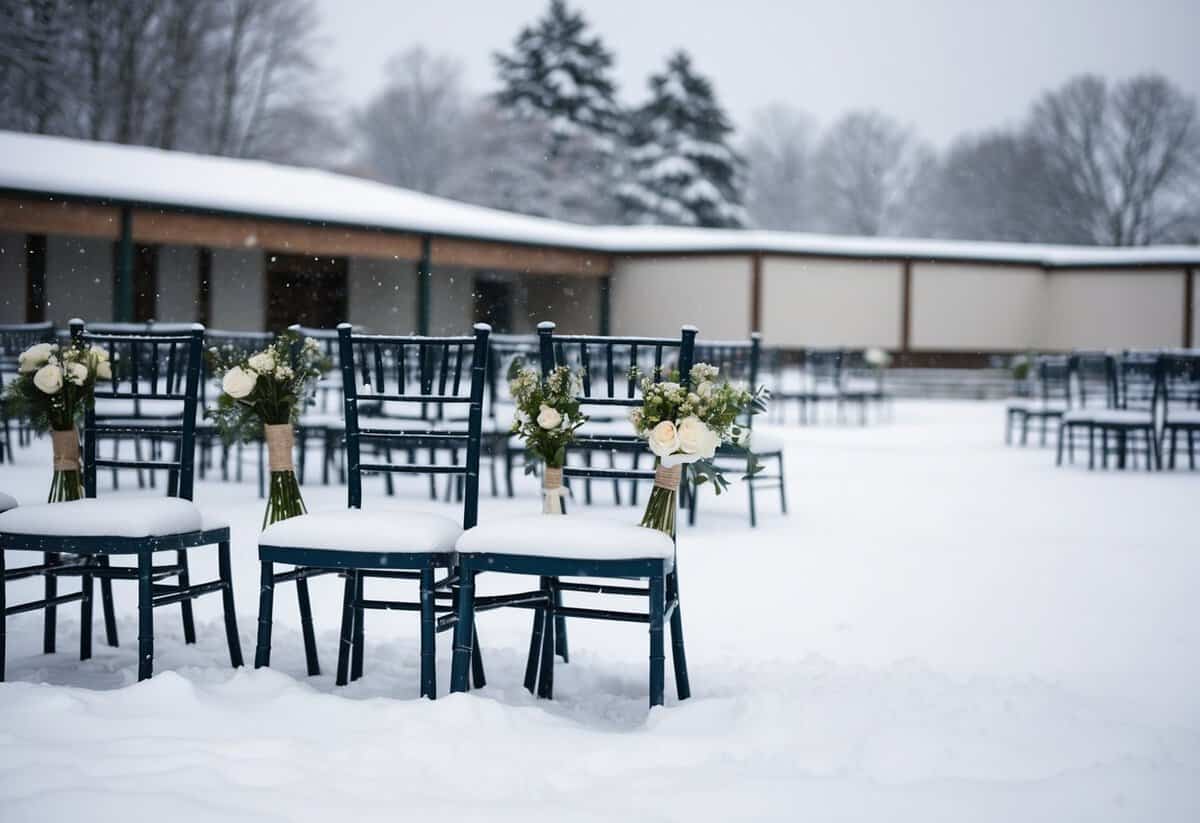
Choosing the right theme and decor for your wedding can set the mood and create lasting memories. Each season offers unique elements that can enhance your celebration, making it feel special and personalized.
Winter Wedding Wonders
A winter wedding can be magical with snowy landscapes as your backdrop. Consider using a color palette of deep blues, silvers, and white. Decorate with fairy lights, candles, and even pinecones for a cozy feel.
Incorporate elements like warm blankets for guests and hot chocolate stations to keep everyone comfortable. A beautiful snowy scene can also make for stunning photos. Add seasonal flowers like amaryllis or white roses for elegance. Remember, embracing the winter theme can lead to beautiful and memorable moments.
Bright Summer Wedding Ideas
For a summer wedding, think vibrant colors and outdoor ceremonies. Warm hues like coral, yellow, and aqua can create a lively atmosphere.
Use flowers like sunflowers, dahlias, and peonies for bright, fresh decor. Consider outdoor venues like gardens or beaches, where natural beauty adds to your celebration.
Fun summer touches could include refreshing lemonade stands or ice cream bars. To keep guests cool, set up shaded areas with fans or misting stations. These features can make your wedding both fun and comfortable.
Autumn Wedding Ambiance
Autumn weddings are known for their rich colors and rustic charm. Use a palette of oranges, reds, browns, and golds to reflect the season’s beauty. Decorate with pumpkins, gourds, and colorful leaves for a homey feel.
Incorporate nature with wooden accents and burlap table runners. You can even have a s’mores station for a fun, interactive treat.
For bouquets and centerpieces, consider seasonal flowers like chrysanthemums and sunflowers. This seasonal decor can create an inviting and warm atmosphere that your guests will love.
Spring Wedding Blossoms
Spring weddings celebrate renewal and beauty. Choose soft pastels like pink, lavender, and mint green to reflect the blooming season.
Decorate with flowers like tulips, daisies, and cherry blossoms. A garden wedding can be romantic and enchanting.
Consider light, flowing fabrics for your decor to match the airy spring vibe. Include elements like a flower wall or a picnic area with blankets for guests. Creative touches, like a floral arch or hanging blooms, can transform your venue into a spring wonderland.
Choosing Your Ideal Wedding Date
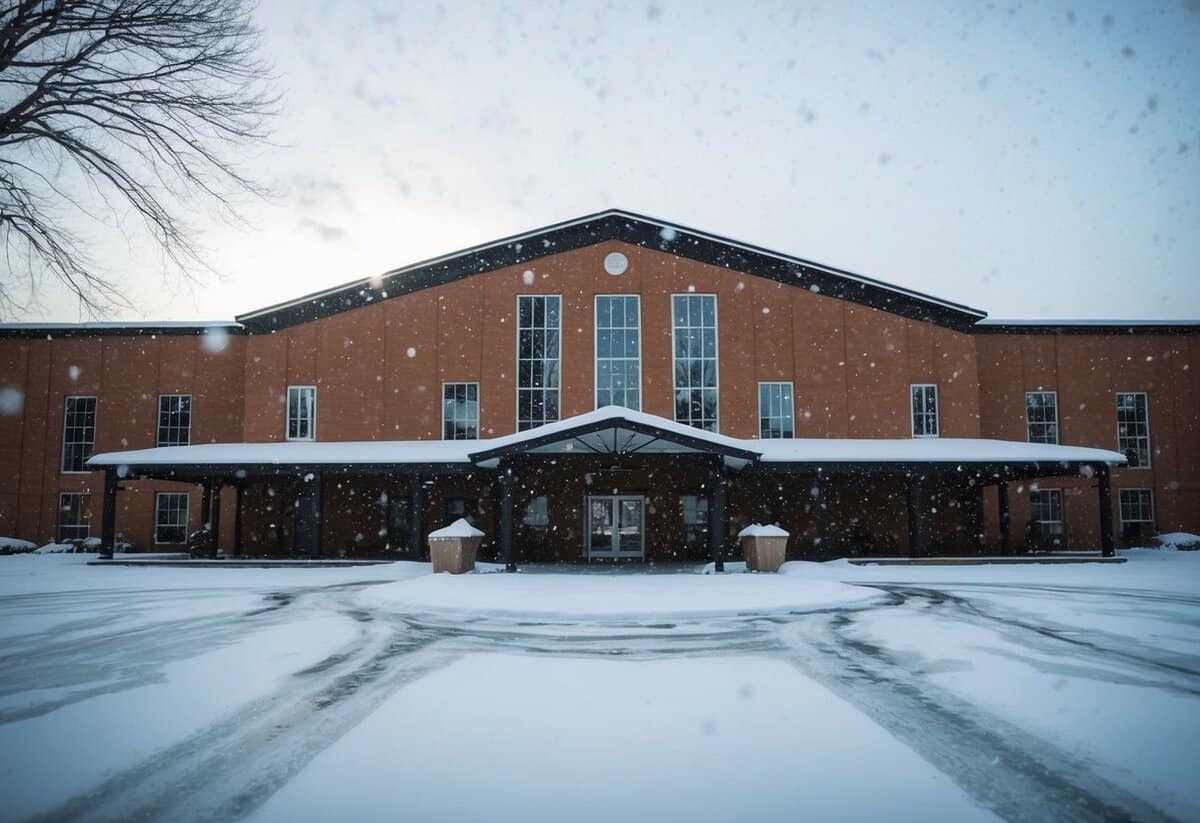
Selecting the perfect wedding date is an essential step in your wedding planning checklist. The date will not only impact your ceremony but also guest attendance and overall experience. Consider various factors that can make your day special and smooth.
Professional Tips for Selecting Your Date
When picking your wedding date, think about the time of year. For example, spring and fall are often the best months to get married. These seasons usually have pleasant weather. Plus, they often result in higher guest attendance.
Avoid holiday weekends like Memorial Day or Labor Day, as many people travel during these times. You might miss out on some of your loved ones. Also, consider major sporting events, especially if you or your guests are fans. Scheduling your wedding on a game day could lead to low attendance.
Lastly, think about meaningful dates. An anniversary or a date that resonates with your story can make your wedding feel even more special.
Calendar Considerations: Holidays and Events
Pay attention to holidays and events when choosing your date. Valentine’s Day might seem romantic, but it could also be a busy time for couples and restaurants. This could limit your reception options.
Consider avoiding religious holidays like Easter or Christmas, as many guests may have family commitments. A New Year’s Eve wedding can be fun, but make sure your guests are ready for a night of celebration.
You might look for less popular months, such as January or February, for better pricing and availability. Many venues offer discounts during the off-season, which can greatly reduce your overall costs.