
What is the Main Meal Called at a Wedding? Exploring Wedding Reception Dining Options
When you attend a wedding, you might find yourself wondering about the meal served after the ceremony. Many couples put a lot of thought into this special time. The main meal at a wedding is often called the wedding breakfast, even if it takes place later in the day. This meal celebrates the newlyweds’ first meal together and sets the tone for the festivities ahead.
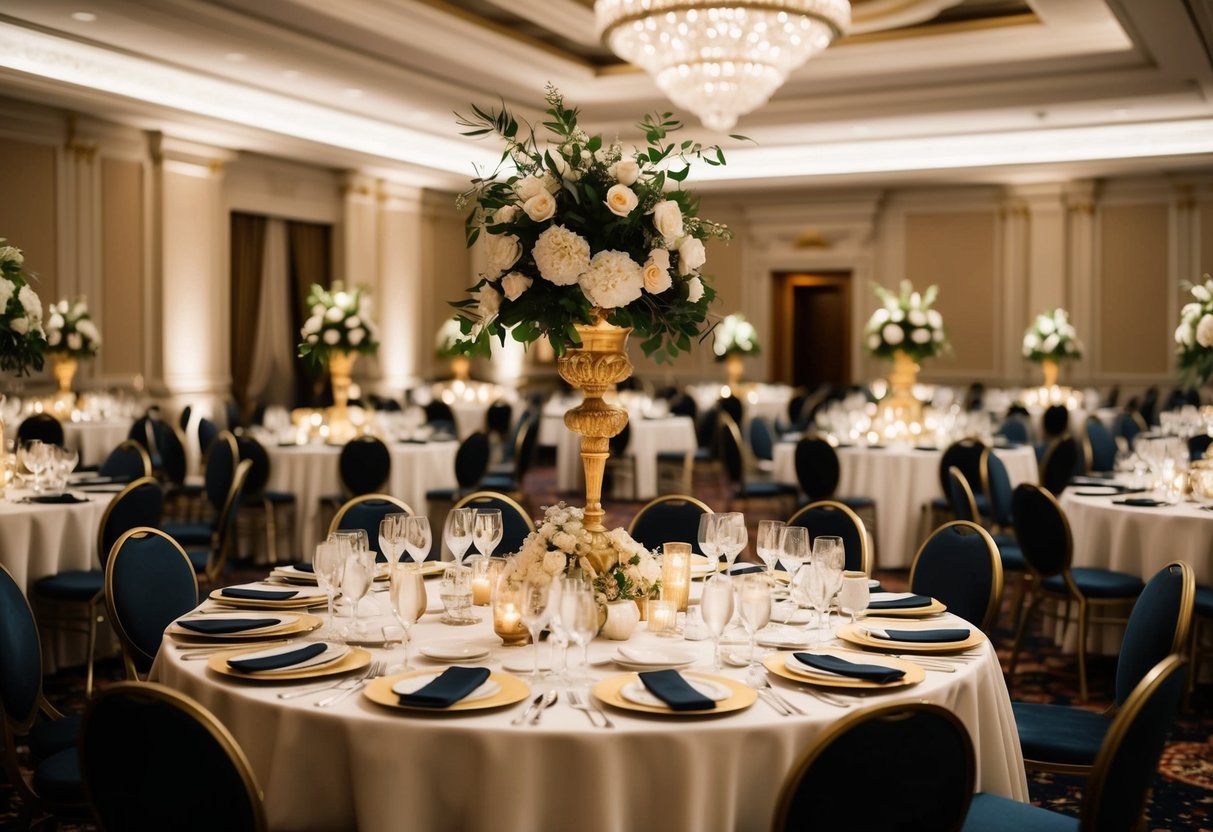
Traditionally, the wedding breakfast follows the ceremony and can range from a sit-down meal to a buffet. It’s a chance for guests to enjoy delicious food while sharing stories and toasting the happy couple. As wedding trends evolve, some couples may choose lighter fare or even just snacks, but the importance of this meal remains.
Understanding what to expect at the wedding breakfast can help you enjoy the experience even more. Whether it’s a formal dining affair or a casual get-together, knowing that this meal plays a significant role in the celebration makes it all the more special.
Understanding Wedding Meal Traditions
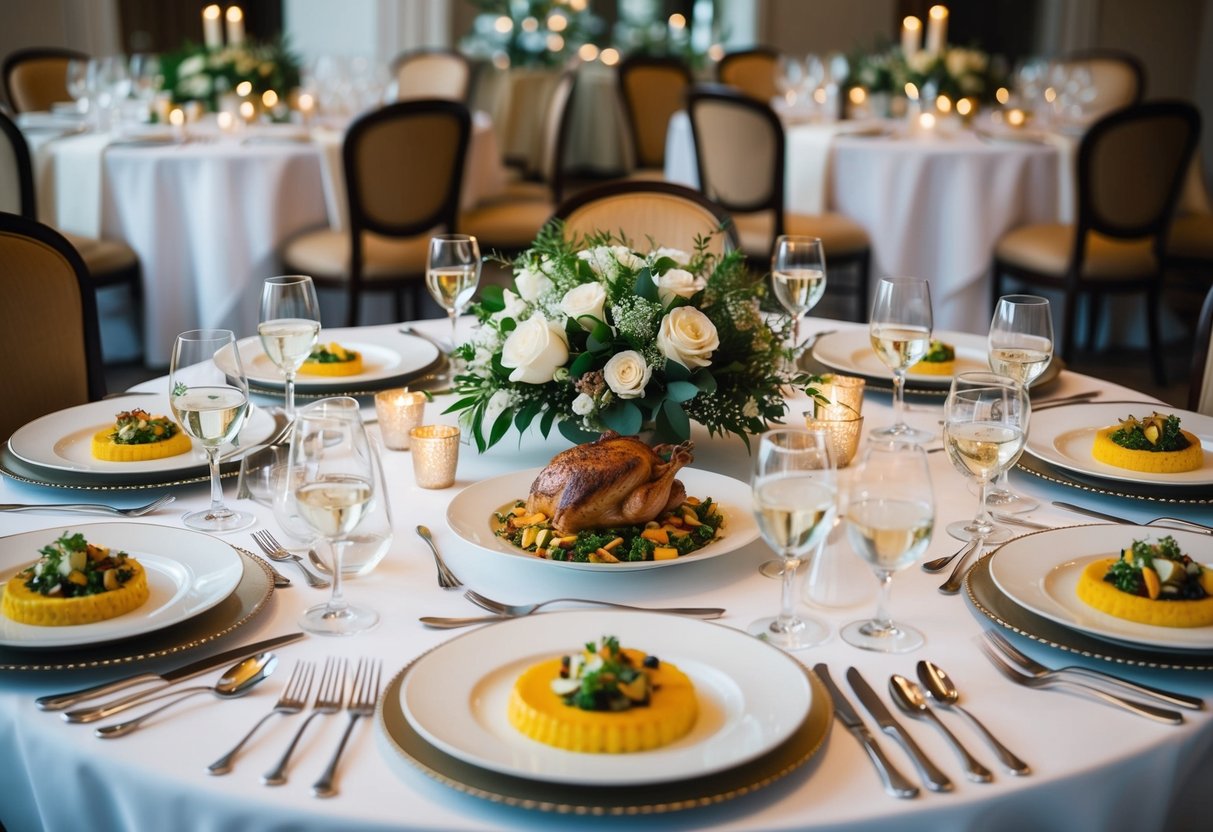
When planning your wedding, the meal is a key part of the celebration. You might hear the term “wedding breakfast,” which refers to the main meal. It often reflects traditions and varies around the world. Let’s look at how these traditions have evolved over time and what is typically included in a traditional wedding reception menu.
Wedding Breakfast and Its Evolution
The term “wedding breakfast” can be confusing. Despite its name, it doesn’t always occur in the morning. It actually refers to the first meal shared by the couple and their guests after the ceremony.
Historically, this meal was important as it symbolized the couple’s union. The food served often included a variety of hearty dishes that could be enjoyed by all. Over the years, what was once a formal sit-down meal has shifted. Today, you might find a more casual buffet or even themed options based on the couple’s preferences.
Traditional Wedding Reception Menus
A traditional wedding reception menu varies greatly based on culture and personal taste. Common choices include multiple courses featuring appetizers, main dishes, and desserts.
Popular dishes might consist of:
- Appetizers: Cheese platters, shrimp cocktails, or bruschetta
- Main Courses: Beef, chicken, or vegetarian options
- Desserts: Wedding cake, pastries, or a dessert table
You can choose to have a plated dinner, buffet, or even family-style meals. Each option offers a unique experience for you and your guests.
As you plan, think about what reflects your style and taste. The wedding meal is a major part of your big day, and it should feel special for everyone involved.
Choosing the Right Meal Style
Selecting a meal style for your wedding is an important part of the planning process. It influences not just the dining experience but also the atmosphere of your reception. Here are some meal style options to consider.
Plated Dinners Explained
A plated dinner is a classic choice for weddings. In this style, each guest receives a beautifully arranged meal at their table. Generally, it consists of multiple courses, which may include a starter, a main course, and dessert.
You can offer a set menu or allow guests to choose their main course in advance. This creates a formal dining experience that many couples appreciate.
Plated dinners often impress your guests with elegant presentations. It allows for a controlled dining pace and can fit well with other formal elements of your celebration.
Family Style and Buffet Options
Family style meals have become more popular in recent years. This setup features large platters of food shared among guests at each table. It encourages interaction and a cozy dining atmosphere.
Buffet-style dinners are another great option. Guests serve themselves from a variety of dishes laid out on a table. This style offers a wide array of choices, which can cater to different dietary preferences and appetites.
Both options provide a more relaxed vibe than plated service. They allow guests to eat at their own pace and invite them to mingle. This can enhance the overall enjoyment of your reception.
Cocktail and Food Stations
If you prefer a more casual feel, consider a cocktail-style reception. In this setup, guests enjoy drinks and a variety of small bites instead of a formal meal. It’s a great way to keep things light and fun.
Food stations can also add excitement to your wedding. These stations can feature different cuisines or main courses, allowing guests to select what they like best. You might have a carving station, a pasta bar, or a dessert table.
Both of these meal styles encourage movement and conversation among guests. They create an atmosphere of celebration that is often very engaging and lively.
Catering to Guest Needs
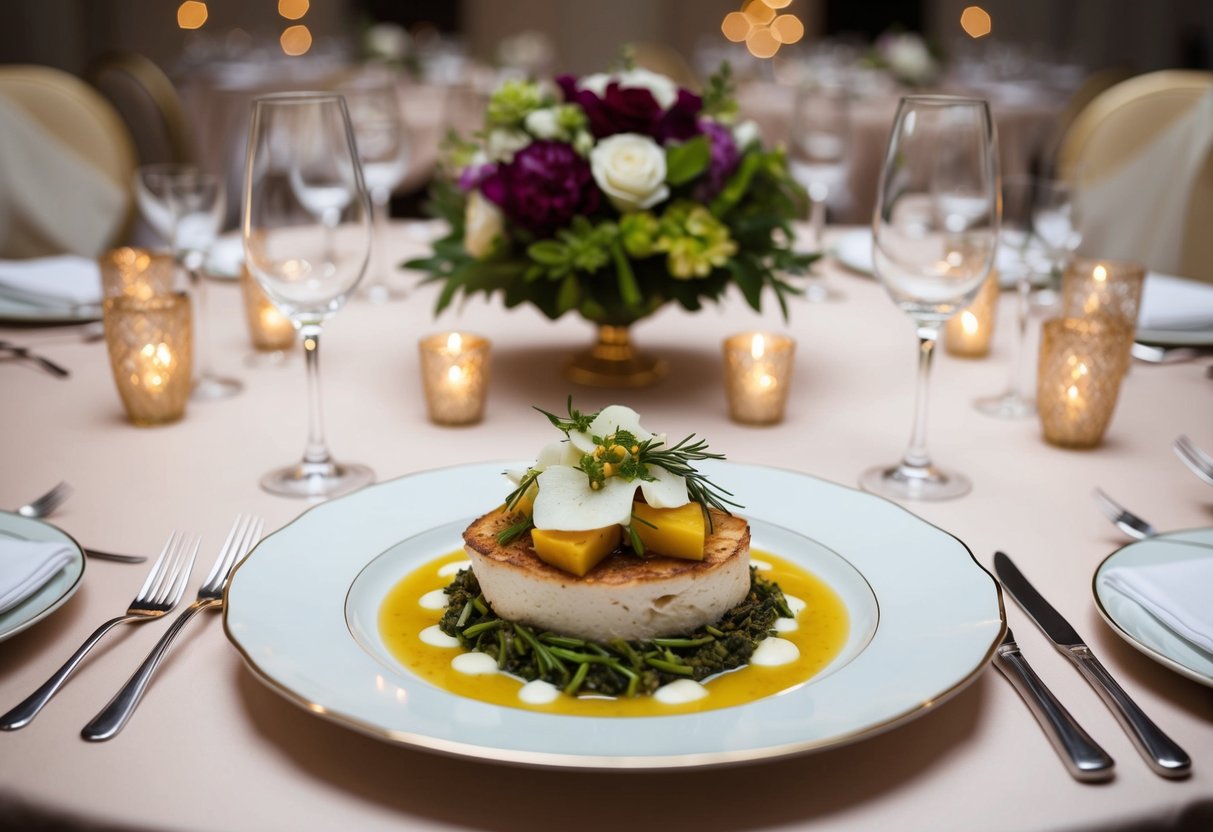
When planning your wedding menu, it’s vital to consider your guests’ dietary needs. Being mindful of these requirements ensures everyone enjoys the meal and feels included. Here are two important aspects to keep in mind.
Managing Dietary Restrictions
Many guests may follow specific diets, such as vegetarian, vegan, or gluten-free. It’s important to gather this information ahead of time. You can ask guests to indicate their dietary preferences on RSVP cards.
To accommodate various diets, consider offering multiple options. For example:
- Meat Options: Chicken, beef, and fish.
- Vegetarian Options: Pasta primavera or stuffed peppers.
- Vegan Options: Grilled vegetables or quinoa salad.
- Gluten-Free Options: Rice dishes or polenta.
Providing diverse choices will ensure every guest finds something they enjoy.
Accommodating Food Allergies
Food allergies can be serious and require careful planning. Common allergens include peanuts, tree nuts, dairy, eggs, soy, wheat, and shellfish. Be proactive in addressing these concerns.
First, ask guests about any allergies on your RSVP cards. Then, share this information with your caterer. It’s essential to:
- Label Foods: Clearly mark dishes that contain common allergens.
- Create Allergy-Friendly Options: Provide alternative dishes that are safe for those with allergies.
- Communicate with Staff: Make sure your serving team knows which dishes are allergen-free.
This careful attention will help keep your guests safe and happy during your special day.
Highlighting the Main Course and Desserts
At your wedding, the main meal is essential in creating a memorable celebration. Choosing the right main course and desserts can impress your guests and enhance the overall dining experience.
Deciding on the Main Course
When planning your wedding reception menu, the main course is crucial. Typically, you will choose from options like chicken, steak, fish, or vegetarian dishes. Each option should cater to the tastes of your guests.
You can go for a three-course meal, which includes an appetizer, main course, and dessert. Alternatively, a four-course meal adds a salad or soup to the line-up. This can create a more diverse dining experience.
Consider your budget and the number of guests while deciding on the main dish. You might also think about serving a plated meal or a buffet style, which allows guests to select from different options. This way, everyone can find something they enjoy.
Sweet Endings with Desserts and Wedding Cake
Desserts are the grand finale of your wedding meal. They can make your celebration even sweeter. A popular choice is the wedding cake, often beautifully decorated to match the wedding theme.
You can offer a variety of desserts alongside the cake, like mini tarts, cupcakes, or chocolate mousse. This allows guests to indulge in different flavors.
Think about incorporating seasonal ingredients, which can also add a fresh touch. Make sure to consider any dietary restrictions among your guests. Including gluten-free or vegan options can ensure everyone enjoys the sweet endings.
A delightful dessert presentation will leave a lasting impression.