
What is the Marriage Act 44? Understanding Its Purpose and Impact
If you’ve ever wondered about the legal side of marriage, the Marriage Act 44 is a key piece of federal law that governs marriage regulations and ensures certain rights within the marriage framework. This act outlines the requirements for marriage, including the rights and responsibilities of those who choose to wed. Understanding this law can help you navigate the complexities of marriage, whether you’re considering tying the knot or already in a relationship.

In addition to establishing marriage protocols, the Marriage Act 44 aims to protect the rights of married individuals and offers clarity on issues related to family law. This act also helps to protect the rights of married individuals and clarify issues related to family law. Knowing its provisions can empower you to make informed decisions about your rights and obligations. Whether you want to learn about marriage licenses, legal recognition, or how the act affects same-sex couples, the details matter.
Stay tuned to explore the nuances of Marriage Act 44 and how it shapes the legal landscape of marriage today. This knowledge isn’t just for those planning a wedding; it’s useful for anyone looking to understand their rights and opportunities in a legal marriage.
Historical Context of Marriage Laws

Marriage laws in the United States have a rich history full of changes and significant legal battles. These laws reflect societal views on marriage and have evolved to adapt to the needs of citizens over time.
Origins and Evolution of Marriage Acts
The foundations of marriage laws date back to the early days of the Republic. Initially, marriage was largely controlled by state laws, often influenced by local customs.
The Defense of Marriage Act (DOMA), passed in 1996, defined marriage as between one man and one woman. This act led to significant debates on the rights of same-sex couples. However, the 2013 ruling in United States v. Windsor struck down key parts of DOMA, paving the way for change.
The landmark case Obergefell v. Hodges in 2015 legalized same-sex marriage nationwide. This case built on principles found in the Fourteenth Amendment, particularly concerning equal protection and due process. The evolving legal landscape has shown a growing acceptance of diverse marriage forms.
Significant Legal Milestones
Significant legal milestones highlight the struggle for marriage equality. The case Loving v. Virginia in 1967 was crucial in ending bans on interracial marriage. This ruling confirmed that marriage is a fundamental right under the Fourteenth Amendment.
More recently, Roe v. Wade also demonstrated how legal decisions can impact personal rights. The discussions around substantive due process further emphasize the protection of individual rights within marriage laws.
These milestones mark important shifts and victories in the fight for marriage laws that reflect equality and fairness for all individuals, no matter their background or identity.
Important Provisions of the Marriage Act

The Marriage Act contains several key provisions that shape how marriages are recognized and protected in the United States. These provisions focus on federal recognition of marriages, the protection of marriage rights for all individuals, and the concept of full faith and credit, which ensures that marriage rights are upheld across state lines.
Federal Recognition of Marriages
Federal recognition of marriages means that the government acknowledges marriages for various legal purposes. This is crucial for same-sex couples, as federal benefits and protections apply equally, regardless of sexual orientation.
Under the Marriage Act, marriages lawfully performed in one state should be recognized in all states. This ensures that couples can access benefits like tax advantages, social security, and immigration rights.
This provision reflects a commitment to equality and non-discrimination. It addresses past injustices where some marriages, particularly same-sex unions, weren’t recognized at the federal level.
Protection of Marriage Rights
The Marriage Act also helps protect your marriage rights against discrimination. This means that your right to marry is a civil liberty that should not be infringed upon based on race, religion, or gender, including sexual orientation.
If you experience discrimination when trying to marry, legal actions may be available to you. Lawsuits can be filed against those who deny you the right to marry based on biased or discriminatory practices.
Maintaining these rights is vital for the dignity and equality of all individuals. The Act aims to prevent any form of inequality in marrying and ensures stable, loving relationships can thrive.
Concept of Full Faith and Credit
The Full Faith and Credit Clause of the U.S. Constitution requires states to honor the marriages performed in other states. This means if you are legally married in one state, every other state must recognize your marriage.
This clause helps eliminate confusion for couples who might travel or move between states. You shouldn’t have to worry about losing your marital rights just because you change your location.
Exceptions exist, where states may refuse recognition due to specific local laws. However, the principle of full faith and credit is essential for fair treatment of all marriages across the country.
Implications for Civil Liberties
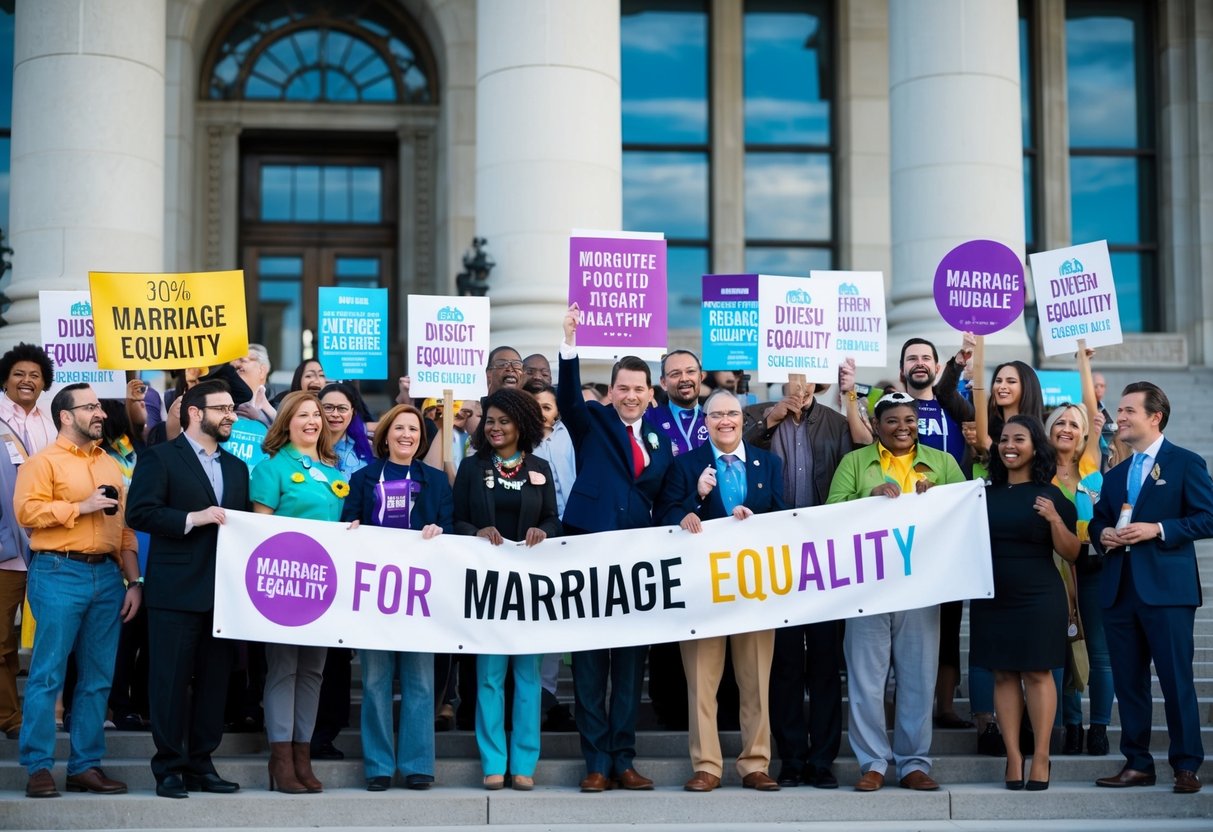
The Marriage Act 44 has significant effects on civil liberties, particularly regarding LGBTQ rights and religious liberty. Understanding these implications can provide clarity on how this legislation shapes society.
Impact on LGBTQ Rights
The Marriage Act 44 strongly supports marriage equality. It affirms the rights of same-sex couples to legally marry, which solidifies their status under law. This can expand access to essential benefits such as healthcare, insurance, and tax advantages.
The recognition of LGBTQ rights fosters greater acceptance in society. When marriage is accessible to all, regardless of gender identity, it promotes a sense of belonging. The act also helps combat discrimination faced by LGBTQ individuals, enhancing their overall civil rights. However, some argue that it doesn’t address all inequalities, leaving room for improvement.
Religious Liberty Considerations
While the act supports marriage equality, it may raise concerns for religious liberty. Nonprofit religious organizations can still object to solemnizing same-sex marriages based on their beliefs. This leaves space for conscience protection while balancing civil rights.
You may find it important to recognize that some religious groups focus on traditional definitions of marriage. This can create tension between the rights of LGBTQ couples and the beliefs of certain religious institutions. The act attempts to navigate this complex landscape, but tensions might persist, fueling discussions about respect for differing views. Understanding these elements can help you appreciate the multifaceted nature of civil liberties in this context.
Modern Impact and Continued Debates

The modern landscape of marriage laws reflects ongoing changes and discussions in society. Key legislative actions and social debates have significant implications for various groups, particularly within the LGBTQ community.
Recent Legislative Actions
The passage of the Respect for Marriage Act marked a significant shift in how marriage equality is recognized in the U.S. This law was signed by President Joe Biden and aims to protect same-sex and interracial marriages at the federal level. It also repeals the Defense of Marriage Act.
Bipartisan support helped push the Act through both the House and Senate. This broad agreement highlights a rising recognition of marriage as a civil right, underscoring the importance of stability and legal protection for all couples.
The Act, however, does not end debates over marriage equality, as discussions continue about the Equality Act. This act seeks to provide broader protections against discrimination based on sexual orientation and gender identity.
Ongoing Social and Legal Discussions
Current social discussions often reference legal cases like Dobbs v. Jackson Women’s Health Organization, which raised concerns about civil liberties. Justice Clarence Thomas’s opinions have also sparked conversations about the future of marriage rights.
The debates extend beyond just marriage. They touch on broader issues such as marital status and individual rights. Activists within the LGBTQ community remain vigilant, advocating for equal recognition and protection.
These discussions involve not only legal aspects but also personal stories of love and commitment. Understanding these dynamics is crucial as society navigates changing views on marriage and equality.