
What Is the Marriage Rate per 1000 in the UK? Exploring Current Trends and Insights
The marriage rate in the UK is an important topic for many who are curious about relationship trends. As of 2019, England and Wales had a marriage rate of 17.9 marriages per 1,000 unmarried individuals. This number reflects various factors, such as changing attitudes towards marriage and the rise of cohabitation before tying the knot.
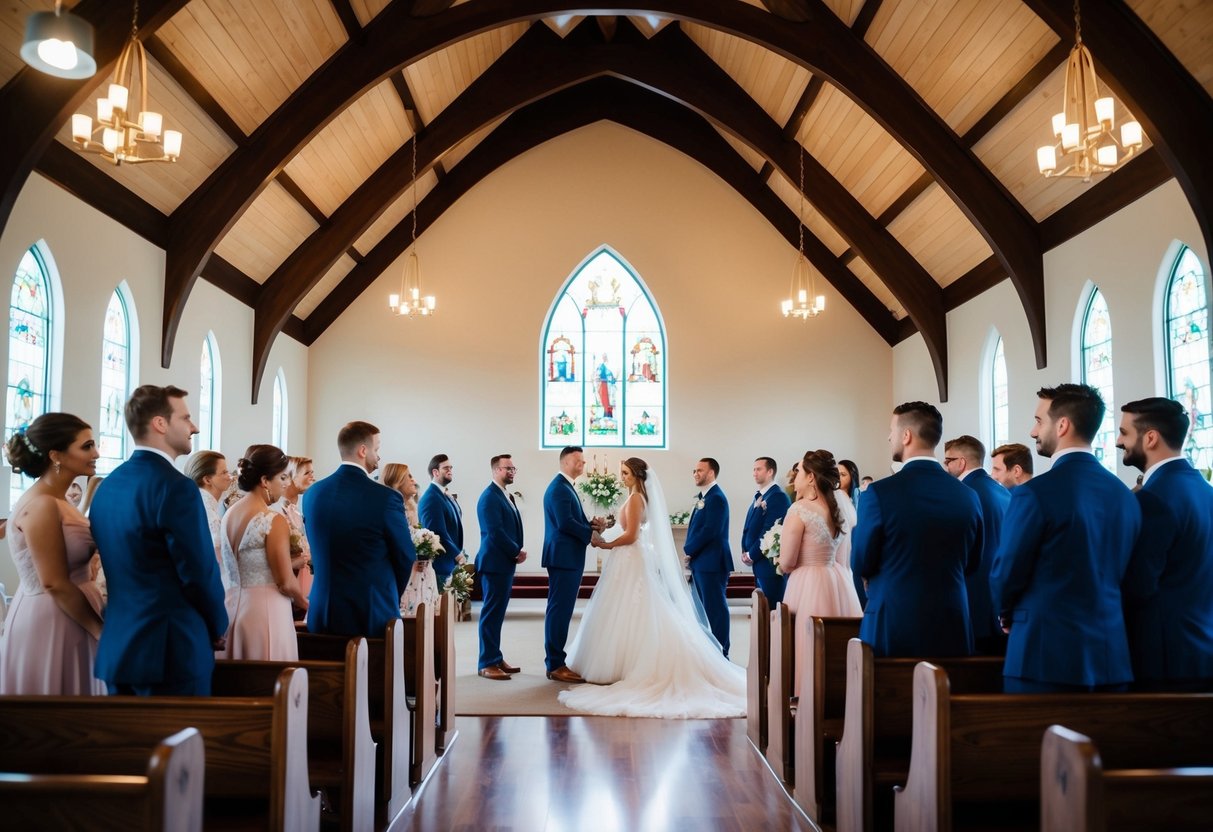
It’s not just about opposite-sex couples. Same-sex couples also contribute to the statistics, especially since the legalization of same-sex marriage and civil partnerships. Understanding these trends can give you insight into how society views commitment and relationships today.
Whether you’re planning a wedding, considering a civil partnership, or simply interested in cultural shifts, knowing the current marriage rate and its implications can enrich your perspective on modern relationships.
Historical Trends in Marriage Rates
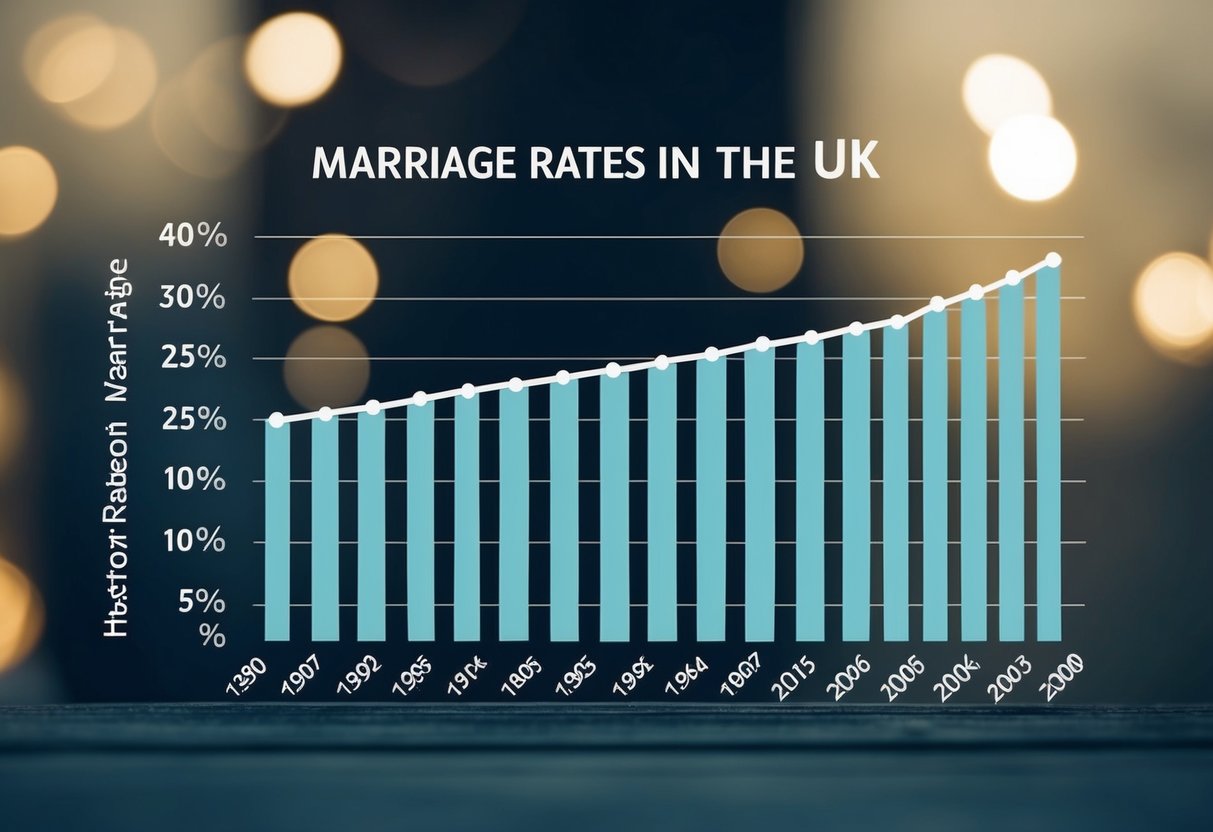
Marriage rates in the UK have changed significantly over the years due to various factors. Understanding these trends helps you see how different events and laws have influenced people’s decisions to marry.
Influence of Demographic Trends and Legislation
Demographic changes play a big role in marriage rates. The age at which people marry has been rising. In the past, many couples married in their early twenties. Now, it’s more common to marry in your late twenties or thirties. This shift can be partly attributed to more individuals focusing on education and careers before settling down.
Legislation also impacts marriage rates. For example, the introduction of the Marriage (Same-Sex Couples) Act 2013 allowed same-sex marriages, increasing overall marriage figures. Meanwhile, the Divorce Reform Act has made it easier for couples to end their marriages, which can affect how people view the institution of marriage.
Impact of Covid-19 on Marriages
The Covid-19 pandemic caused a unique disruption in marriage trends. During lockdowns, many weddings were postponed or canceled, leading to a sharp decline in marriage rates. In 2019, the rate was already at a record low of 17.9 marriages per 1,000 people. The pandemic had a direct effect, with notable decreases seen in 2020.
As restrictions eased in 2021, couples rushed to reschedule their weddings. This pent-up demand created a temporary surge in marriage rates. Many couples adapted their plans, moving to outdoor ceremonies or smaller, intimate gatherings to comply with safety measures.
Current Marriage Statistics
In the UK, marriage statistics reveal interesting trends about how people choose to tie the knot. Understanding civil versus religious ceremonies and examining marriages alongside civil partnerships can give you a clearer picture of current marriage patterns.
Civil vs Religious Ceremonies
Civil ceremonies have become increasingly popular in the UK. As of recent data, more than half of all marriages are civil ceremonies. They offer a straightforward option without religious elements.
Key points about civil ceremonies:
- They can take place in various venues, including registries and outdoor spaces.
- The simplicity and flexibility attract many couples.
Religious ceremonies, while still valued, have seen a decline. Many couples opt for a civil ceremony for personal reasons or due to the reduced availability of traditional religious venues. This shift shows how modern views on marriage continue to evolve.
Marriages and Civil Partnerships
The number of marriages in England and Wales has been on a downward trend. In recent years, for every 1,000 unmarried men, there were about 20.3 marriages. For unmarried women, this number was 18.3.
Civil partnerships have also gained traction since their introduction. More couples are choosing these legal arrangements as an alternative to traditional marriage. In 2022, there were significant formations of civil partnerships, reflecting societal changes in relationship recognition.
On the dissolution side, the statistics indicate a growing awareness of the rights and legal implications behind both marriages and civil partnerships. Understanding these statistics is crucial if you’re considering your own partnership route.
Cohabitation and Marital Status
Cohabitation has become a common choice for many people in the UK. Understanding the different marital statuses and trends helps you see how relationships are evolving today.
Population Estimates by Marital Status
In the UK, population estimates show a diverse range of marital statuses. Many people now choose to remain unmarried or live together without formal ties. As of recent data, approximately 2.9 million couples cohabit, a significant increase in recent decades.
More people than ever are delaying marriage or opting out entirely. This shift leads to a large unmarried population, which includes both single individuals and cohabiting couples. Vital statistics reveal that marriage rates continue to decline, while cohabitation grows, indicating a change in social norms surrounding relationships.
Trends in Cohabitation and Civil Partnerships
Cohabitation is increasingly accepted as a valid lifestyle choice. Many couples see it as an alternative to marriage. In fact, cohabitation allows couples to share their lives while maintaining independence. As a result, the number of civil partnerships in England and Wales has also risen.
Civil partnerships offer legal recognition similar to marriage. Since their introduction, they have provided same-sex couples with the rights and responsibilities of marriage. Today’s younger generations tend to value cohabitation and civil partnerships, showing a willingness to adapt traditional views on marital status.
Relevant Statistics for Life Events
When considering marriage in the UK, it’s helpful to understand key statistics about the average age at marriage and current trends in divorce rates. These insights can influence personal decisions and reflect broader societal changes.
Average Age at Marriage
In recent years, the average age at which people marry in the UK has been steadily increasing. For men, the average age is around 38 years, while women tend to marry at about 36 years. This shift reflects changing societal norms, where individuals often prioritize education and career before settling down.
In 2016, there were approximately 243,000 marriages registered in England and Wales. Among these, the majority were first marriages. Many couples are also choosing to cohabit before tying the knot, which can impact their decision on when to marry.
Divorce Rates and Trends
Divorce rates provide valuable insights into marriage stability in the UK. Over the years, the divorce rate has fluctuated. In 2019, England and Wales saw around 8.9 divorces per 1,000 married individuals.
Second marriages are more likely to end in divorce. Many people who divorce often enter new relationships or legal partnerships. It’s important to understand that marriage, while a significant life event, does come with its challenges that can lead to divorce.
Families and friends play a crucial role in supporting couples during this time.