
What is the Marriage Rate per 1000 in the UK? A Friendly Overview of Recent Trends
The marriage rate in the UK has seen significant changes over the years, reflecting broader demographic trends. Recent statistics show that England and Wales have a marriage rate of approximately 17.9 marriages per 1,000 unmarried people. Scotland reports similar figures. This number has varied due to different social factors and trends, including shifts in attitudes towards marriage and cohabitation.
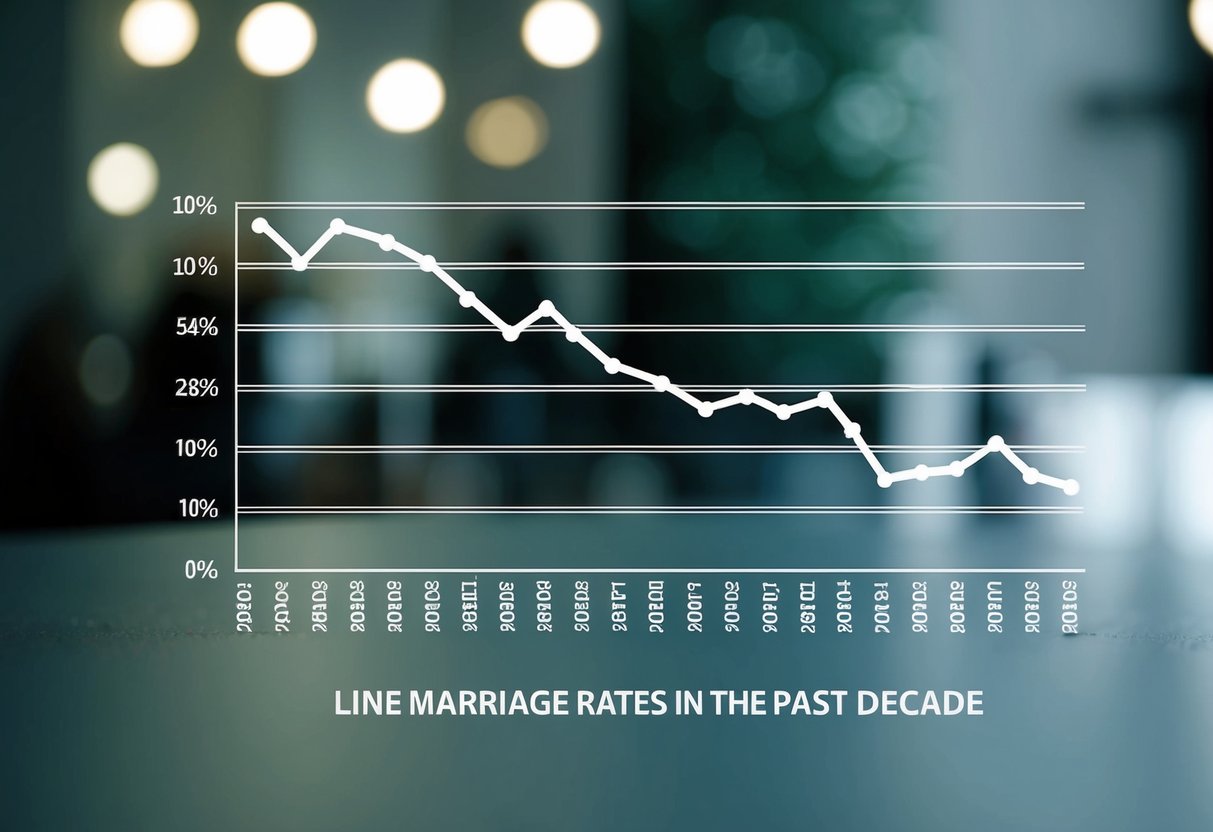
If you’re curious about how these rates compare across Great Britain, it’s important to consider vital statistics that show not only the number of marriages but also how they relate to population changes. The decline in marriage rates, especially among younger people, may surprise you and lead you to consider what this means for future generations.
Understanding the current marriage rate is not just about knowing a number; it offers insights into social habits and customs that shape your community today. As you read on, you’ll discover more about the factors driving these statistics and what they might mean for the idea of marriage in the UK.
Historical Marriage Rate Trends
Marriage rates in the UK have seen significant changes over the years. Various factors, including societal shifts and events like the Covid-19 pandemic, play crucial roles in these trends.
Impact of Covid-19 on Marriage Rates
The Covid-19 pandemic notably impacted marriage rates in the UK. During the lockdowns, many couples postponed their weddings due to restrictions on gatherings. In 2020, marriage rates for men dropped to 9.6 marriages per 1,000 unmarried men, while female rates fell to 14.2 per 1,000 unmarried women. This represents a dramatic decline from previous years, especially when compared to 2016, when marriages were more robust. The uncertainty and limitations caused by the pandemic created challenges for many couples looking to tie the knot.
Comparison of Marriage Rates Over Decades
Looking at the data from the last few decades, you can see a clear trend towards fewer marriages. From 1991 to 2019, the marriage rate in England and Wales halved, falling from 36 to 17.9 marriages per 1,000 people. In fact, the decline became even steeper among younger couples. Many factors contribute to this trend, including changing attitudes toward marriage and financial stability. The Marriage (Same Sex Couples) Act 2013 also played a role in diversifying marriage rates, allowing same-sex couples to marry legally, contributing to changes in overall statistics.
Shift From Religious to Civil Ceremonies
Another important trend is the shift from religious to civil ceremonies. Many couples now prefer civil ceremonies due to flexibility and personalization options. Over the years, the number of civil ceremonies has steadily increased, while traditional religious weddings have become less common. This shift reflects a broader cultural change in how people view marriage. As of recent statistics, civil ceremonies account for a significant portion of all marriages in the UK. The decline in religious ceremonies continues to change the landscape of weddings, influencing the overall marriage rates in the country.
Statistical Overview of Marriages
When looking at marriage statistics in the UK, it’s important to understand the differences between opposite-sex and same-sex marriages, as well as the implications of divorce rates. These factors provide insights into societal trends regarding marriage and relationships.
Marriages Among Opposite-Sex Couples
In recent years, opposite-sex marriages have seen fluctuations in numbers. The average age for men marrying has reached about 38 years, while for women it’s around 36 years. This reflects a broader trend of individuals choosing to marry later in life, often due to personal and financial reasons.
The data shows that there were approximately 233,000 marriages among opposite-sex couples in England and Wales in 2020. This was a decline from previous years, possibly influenced by the COVID-19 pandemic. Moreover, many couples are experiencing delayed marriages, often due to the pressures of housing costs and career planning.
Marriages Among Same-Sex Couples
Same-sex marriages were legalized in England and Wales in 2014. Since then, the number of marriages has grown steadily. In 2020, around 6,000 same-sex marriages were recorded, showing a healthy interest among couples to formalize their commitments.
Similar to opposite-sex couples, many same-sex couples also choose to marry later in life. A significant portion of these couples include individuals who previously entered civil partnerships, and many report that legal recognition plays an important role in their decision to marry.
Divorce Rates and Their Implication
Divorce rates in the UK have shown a general decline over the past few years. In 2020, about 9.3% of marriages ended in divorce within the first three years. This statistic highlights a growing commitment among couples to work through challenges and maintain their relationships.
Additionally, civil partnership dissolutions are also part of the conversation. With the rise in same-sex marriages, some couples who opted for civil partnerships initially have now transitioned to marriage. Understanding these trends helps create a clearer picture of marital stability.
It’s interesting to note that the average age for those divorcing varies, often reflecting the changing dynamics of marriage and commitment in today’s society.
Current Marriage Practices
Understanding current marriage practices in the UK involves looking at popular wedding venues, the rise of civil partnerships, and changing attitudes toward cohabitation. These aspects reflect how personal choices and societal trends shape modern relationships.
Popular Wedding Venues
Selecting the right venue is crucial for your big day. Many couples opt for traditional locations like churches or historic sites, valuing the religious significance and romantic atmospheres they offer.
Registration offices are also popular for those seeking a simpler ceremony. They provide a straightforward option for couples who prefer to avoid the complexity of grand weddings.
In recent years, outdoor venues have gained popularity. They allow for beautiful natural backdrops and a more relaxed atmosphere. Couples often choose gardens, beaches, or even countryside fields, making their special day uniquely memorable.
Civil Partnership Transformations
Civil partnerships have become more recognized and accessible. In England and Wales, they offer a legal alternative to marriage. Many same-sex couples initially opted for civil partnerships before marriage was legalized for them in 2013.
Today, the distinction between marriage and civil partnership is less pronounced. The legal rights and responsibilities are similar, making civil partnerships an appealing option for many, including those who prefer a less traditional commitment.
The process is straightforward, requiring registration and attendance at a ceremony. Increasingly, couples are choosing to celebrate their love through this meaningful and legally recognized option.
Modern Attitudes Toward Cohabitation
Cohabitation is more common than ever before. You might know many couples who live together without being married. This practice often reflects a desire for shared living experiences without the formal commitment.
Research shows that the unmarried population is growing, with many preferring to test compatibility before taking the plunge. Changing societal norms mean that living together is often seen as a positive step.
Additionally, cohabitation offers flexibility and allows couples to save for the future. It also opens discussions about commitment and future plans, making it an essential part of modern relationships without feeling tied down by tradition.
Legal Framework and Data Registration
In the UK, the system for collecting marriage and civil partnership data is called civil registration. This system ensures that all marriages are officially recorded.
The General Register Office (GRO) manages this data. They oversee the registration of all marriages and civil partnerships across England and Wales. This helps maintain accurate and comprehensive marriage statistics.
When a couple gets married, they submit their details to the GRO. This includes information about both partners, such as names, ages, and addresses. The data collected is essential for creating official records and informs various studies on marriage trends.
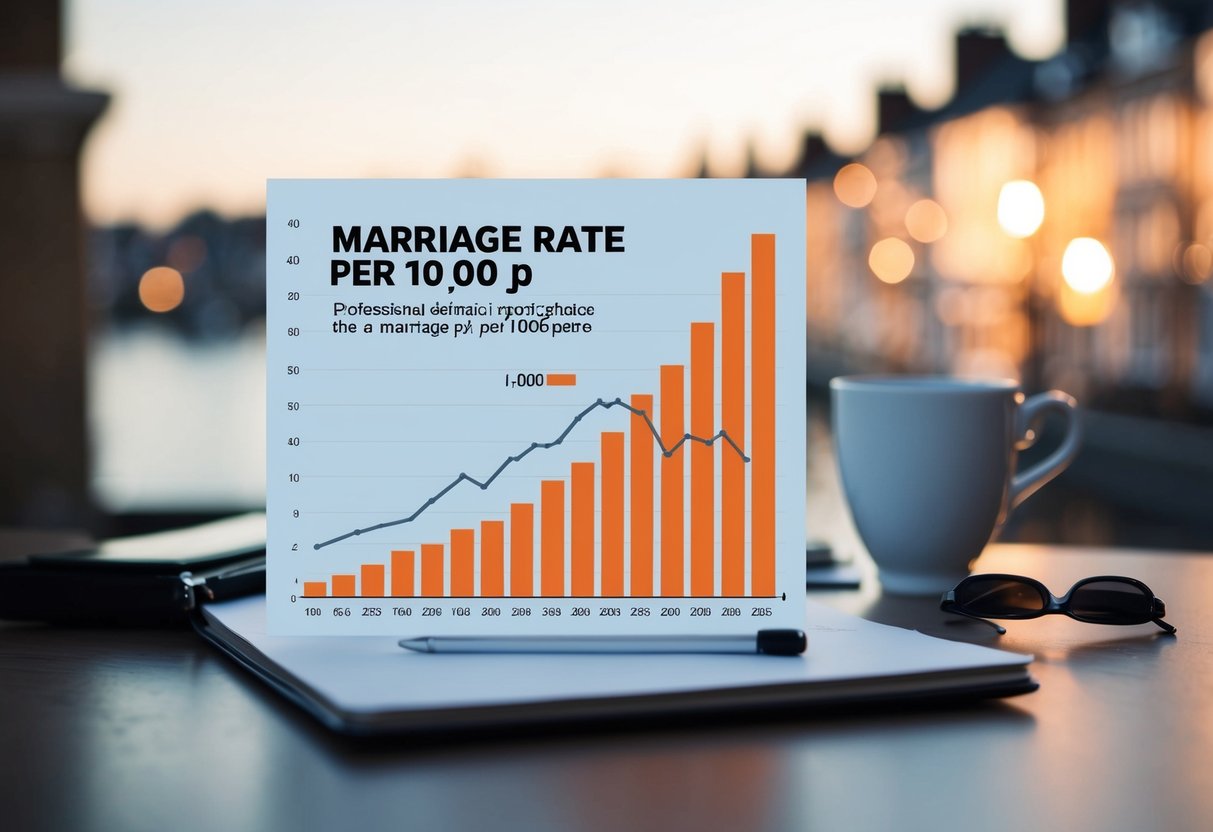
Marriage statistics are published annually by the GRO. These reports show the number of marriages per 1,000 people, helping you understand marriage trends over time. The data reflects both opposite-sex marriages and civil partnerships, showcasing how relationships are evolving in society.
Civil partnerships also have a dedicated registration process. Since their introduction, the number of civil partnership formations has significantly impacted marriage data. It’s interesting to see how both marriages and civil partnerships influence one another in the statistics.