
What is the Maximum Age for a Flower Girl? Understanding Age Guidelines for the Perfect Role
Choosing a flower girl is a special part of planning your wedding day. Understanding age requirements can help make this decision easier. Girls are typically between the ages of three and eight. This age range typically captures the innocence and charm you want for such a meaningful role.
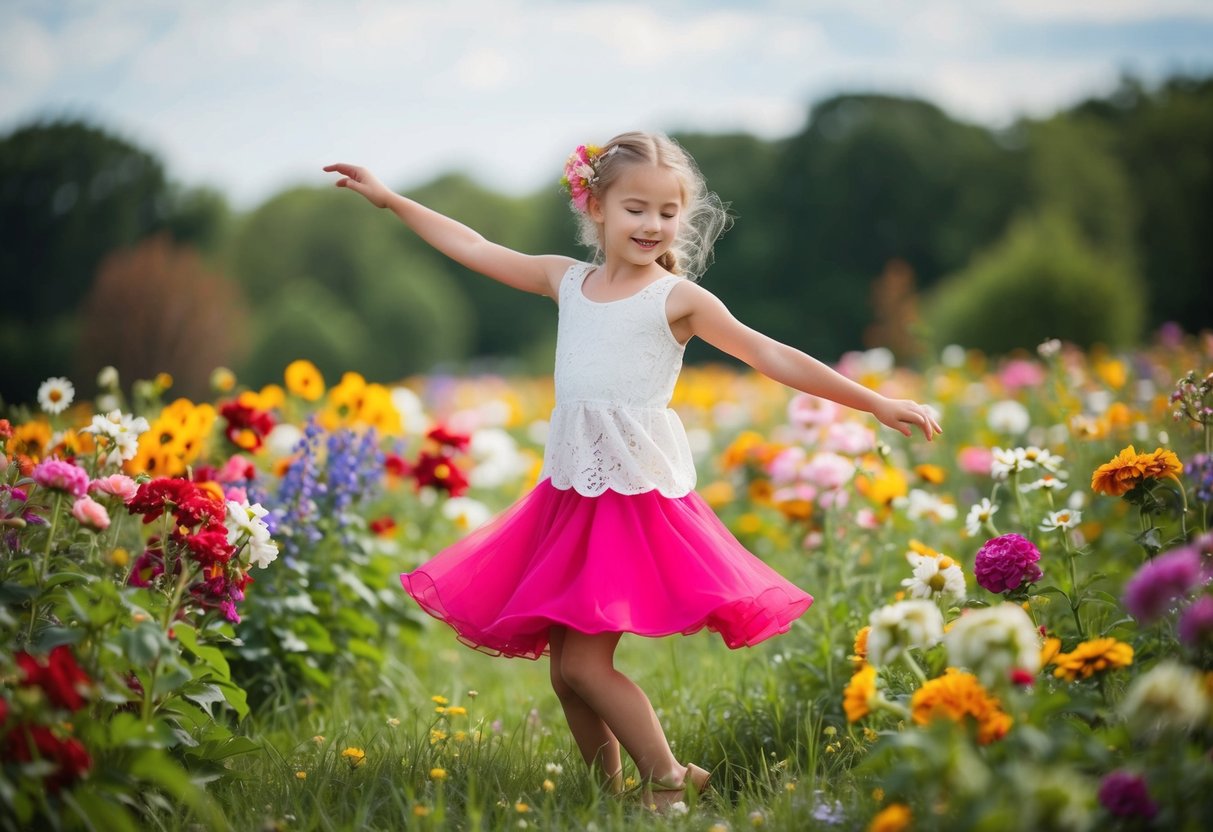
As you think about who to ask, consider the personality and maturity of the child. While younger flower girls often bring cuteness and joy, slightly older girls can handle the responsibilities of the day better. Involving a flower girl in your wedding can create beautiful memories, so pick someone who will make your special day even more memorable.
Understanding the Role of a Flower Girl
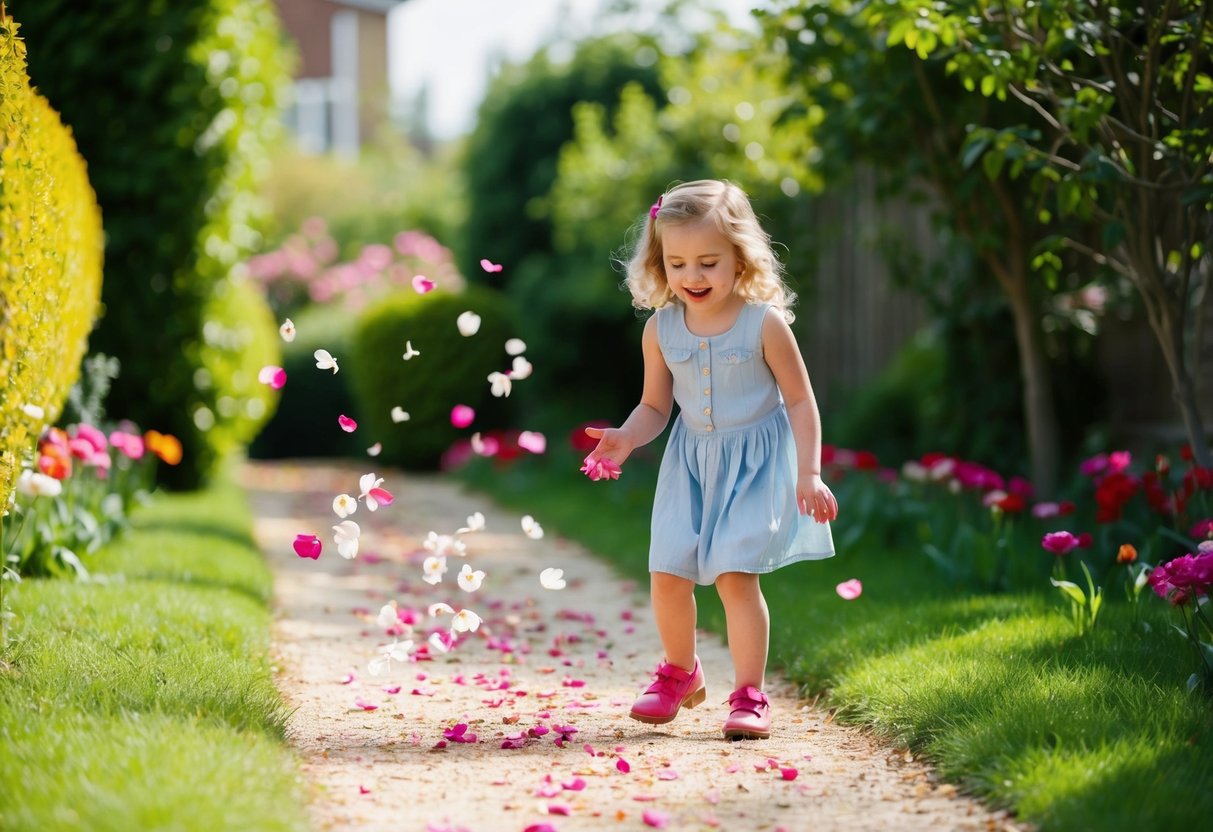
A flower girl has a special part in a wedding. Typically, she is a young relative or close friend of the bride or groom. Her main duties include walking down the aisle and scattering flower petals.
Before the ceremony, you might want to help her practice walking. This makes her feel more confident and prepared.
It’s also great to choose a dress that matches the wedding theme, often with a lovely flower crown.
When she walks down the aisle, she adds charm and joy to the moment. Make sure to confirm she understands her role, as it helps ease any nervousness.
A thoughtful gift can show your appreciation for her participation. Many couples choose to give flower girls a small token, such as personalized jewelry or a fun keepsake. This makes her feel special and valued.
Remember, while the traditional age for flower girls is usually between three and eight, maturity matters more than age. It’s important that she feels comfortable with her responsibilities. If you have an older flower girl, ensure she knows it’s about having fun and enjoying the day.
Ideal Age Range for Flower Girls
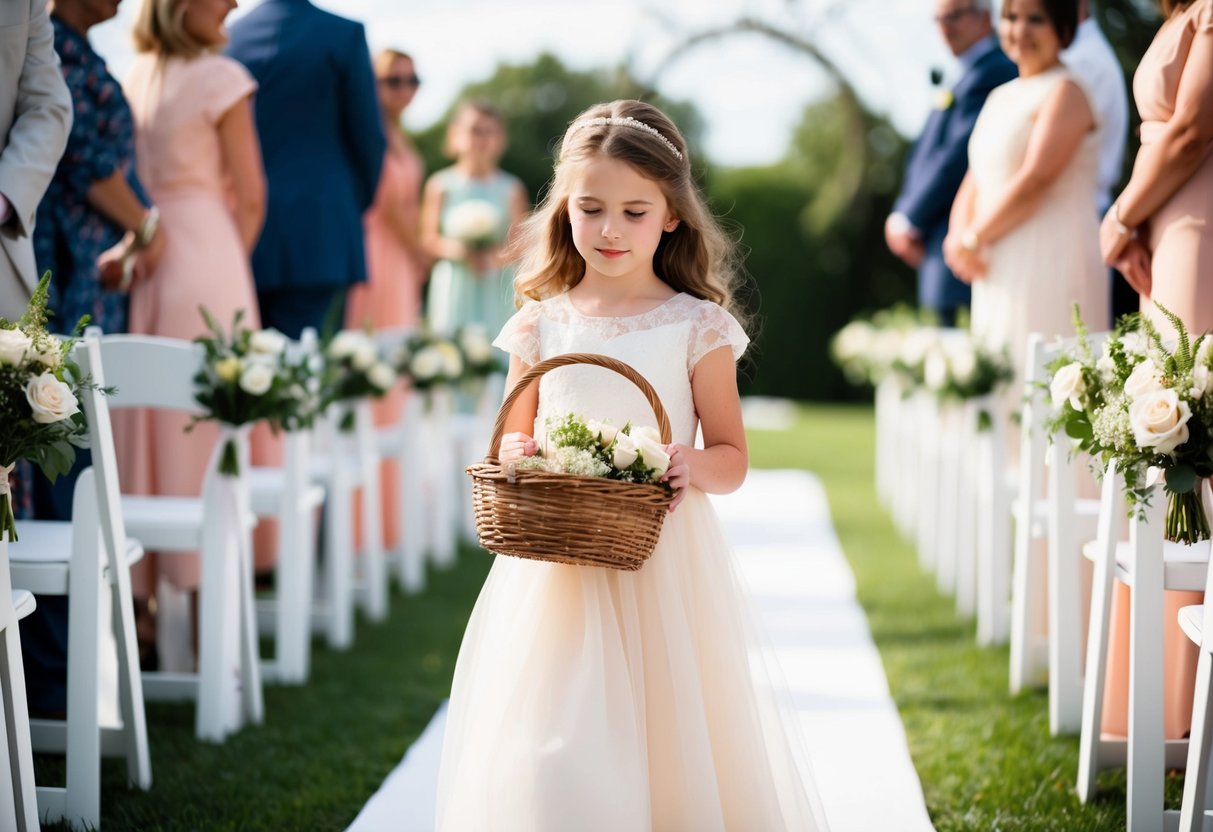
The ideal age range for flower girls is typically between three and eight years old. This range is common because younger children are often seen as cute and innocent, adding charm to the ceremony.
Maturity is an important factor. A flower girl should be mature enough to follow simple instructions during the wedding. For instance, she should know how to walk down the aisle without getting distracted.
Responsibility also matters. You want to ensure she can handle the role without becoming too overwhelmed. It’s wise to check with her parents about her readiness.
Crying and tantrums can happen, especially with younger children. Selecting a flower girl who is slightly older may reduce the chance of these reactions during the ceremony.
Some children experience stage fright. A flower girl should feel comfortable being in front of a crowd. This confidence comes more easily with age and previous experience.
If you want a slightly older attendant, consider a junior bridesmaid. This is a great option for girls aged nine to twelve. They can still be part of the wedding party without the typical pressure of being a flower girl.
In choosing the right age, focus on finding a balance between sweetness, maturity, and comfort.
Involving Multiple Ages in the Ceremony
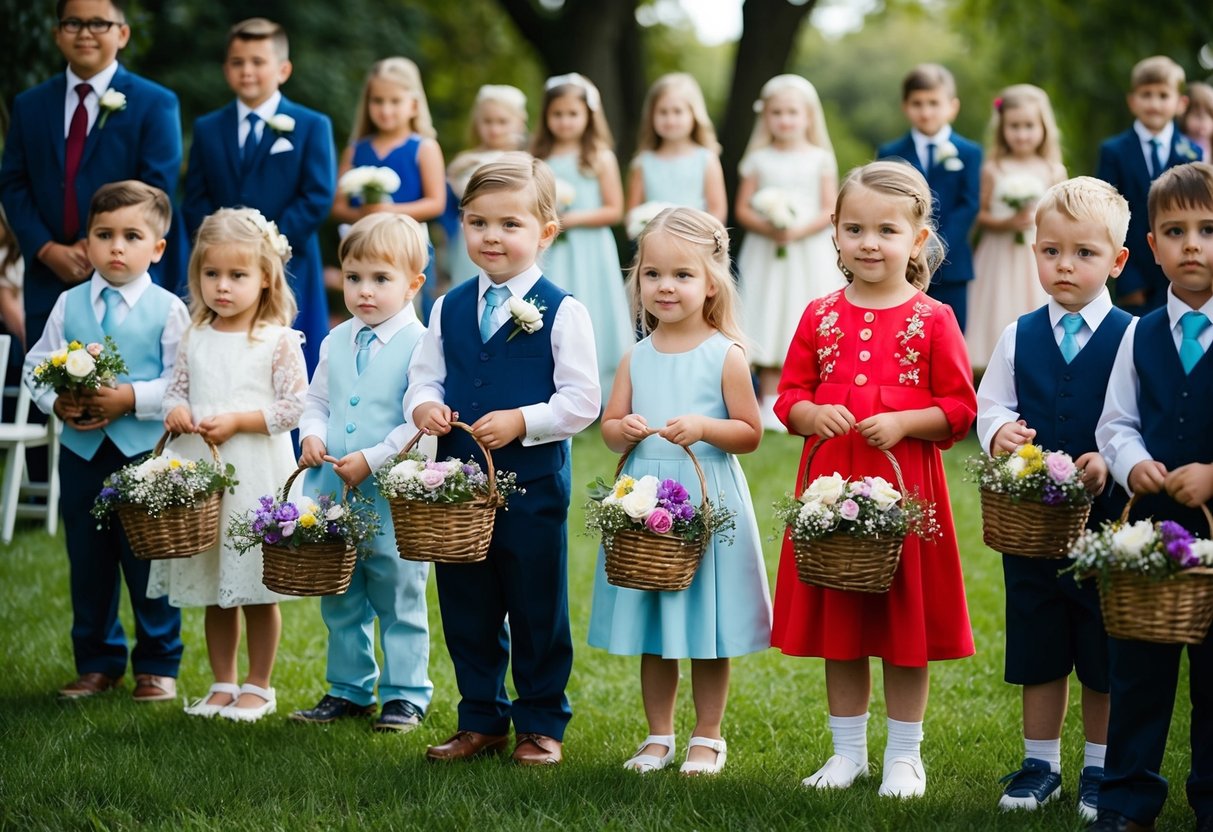
Involving children of different ages in your wedding can add charm and joy to the ceremony. You can consider young flower girls, older flower girls, and even junior bridesmaids to create a delightful mix. Each group brings its own unique energy and style to your special day.
Choosing Young Flower Girls
You might want to select multiple young flower girls, often between the ages of 3 and 8. Their innocence and excitement can lighten the mood and bring smiles to your guests.
Young participants are typically more adaptable and often follow direction well, making it easier for them to shine as they walk down the aisle.
Consider choosing a few toddlers as flower girls. Their small size can be adorable, but they may need more guidance during the ceremony. Pair young flower girls with adult supporters who can help them if needed. This will not only ensure a smooth process but also create a sweet visual on your big day.
Opting for an Older Flower Girl
An older flower girl, usually around ages 9 to 12, can also be a great addition. She may have more confidence and coordination, making her feel comfortable in a larger role.
Older flower girls can take on more responsibilities, like managing the flower basket or helping with the ring bearers.
Having an older flower girl can also help bridge the gap between little ones and adults in the wedding party. She can act as a leader among the younger participants, showing them the way. This can foster a sense of camaraderie and teamwork among everyone involved.
Integrating Junior Bridesmaids
Junior bridesmaids are typically girls aged 12 to 16 and can add a lovely touch to your wedding party.
Their inclusion allows for versatility in age representation and helps older kids feel more included instead of just being seen as children.
A junior bridesmaid can assist you by performing tasks, like carrying flowers or helping to manage the younger flower girls.
You might want her to have a dress that matches or complements the adult bridesmaids. This helps to create a cohesive look for your entire wedding party while celebrating all ages present on your special day.
Preparation and Contingency Planning
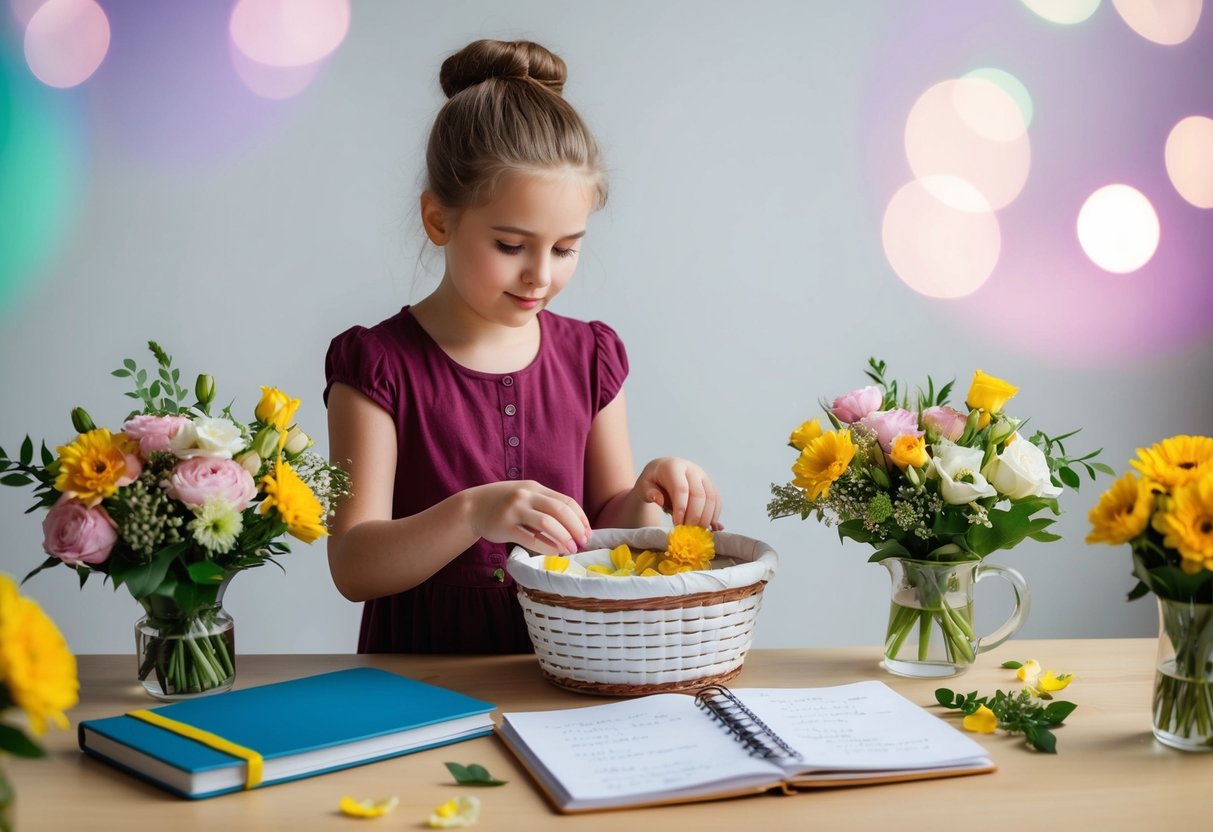
Planning a wedding includes many details, and preparing for the unexpected is key. You want everything to go smoothly, especially for the flower girl’s role in your ceremony.
Conducting a Wedding Rehearsal
A wedding rehearsal is essential for making sure everyone knows their role. This includes the flower girl, who might be nervous about walking down the aisle.
During the rehearsal, practice the timing and movements. Have the flower girl walk with a special adult, like a parent, to ease her nervousness.
Set clear expectations, like how she should toss petals or hold her bouquet.
Make the rehearsal fun! Use this time to build her confidence. Let her ask questions and feel comfortable. This can lead to a smoother experience on the big day and help her shine during the ceremony.
Managing Expectations with a Plan B
Having a Plan B is wise in case things don’t go as intended. For instance, if the flower girl is not feeling well, you may need a backup option.
Consider who else might fill in, such as a younger sibling or cousin. Make sure this person is familiar with the role and trained for it.
Also, think about weather conditions if your wedding is outside. Have an indoor setup ready in case of rain.
A solid Plan B ensures the ceremony still feels magical, regardless of unexpected changes.