
What is the Meaning of Online Marriage? Exploring Virtual Unions in the Digital Age
Online marriage refers to a legally recognized union between two people that occurs through a virtual platform rather than in person. This means you can exchange vows and complete legal requirements online, making it possible for couples to connect despite geographical barriers.
Many people find this option appealing, especially in today’s digital age where virtual interactions are becoming more common.

Understanding the specifics of online marriage can help you decide if it’s the right choice for you. It’s essential to know the legalities involved, as some jurisdictions may have different rules regarding the validity of such marriages.
As you explore this topic further, you’ll discover the opportunities and challenges that come with getting married in a virtual setting.
Understanding Online Marriages

Online marriages have become increasingly popular as technology evolves. They offer unique ways for couples to connect and celebrate their commitment. This section dives into the history, types, and role of technology in these modern unions.
History and Evolution
Online marriage started gaining attention in the late 1990s with the rise of the internet. Initially, couples met through dating sites. As trust in digital platforms grew, virtual weddings emerged.
In the early 2000s, some states recognized online ceremonies, making distance marriages easier. The practice expanded, especially during the COVID-19 pandemic, when many couples opted for virtual weddings. This shift has paved the way for more acceptance and legal recognition of online marriages today.
Types of Online Marriages
There are several types of online marriages you should be aware of. Here are a few:
- Virtual Weddings: Ceremonies conducted over video platforms like Zoom or Skype, where couples can exchange vows remotely.
- Proxy Marriages: In this type, one partner can attend the ceremony in person, while the other participates via technology. This is useful when one partner cannot be present.
- E-Marriages: A term that often refers to legally binding marriages conducted online, following specific legal guidelines.
Each type has its own requirements, so it’s important to research what works for you.
The Role of Technology in Virtual Weddings
Technology plays a vital role in online marriages. Virtual weddings utilize platforms for seamless connection. This allows couples to gather friends and family, despite physical distance.
You also have options for selecting officiants who can legally conduct the ceremony online. These officiants can guide you through the process and ensure everything is done correctly.
Additionally, many couples use social media and wedding websites to share their celebrations. This helps create a sense of community, even from afar.
With advancements in technology, online marriages are becoming more customizable and interactive, making them an appealing choice for many couples.
Legal Aspects of Online Marriage

When considering online marriage, it’s crucial to understand the legal requirements involved. From obtaining a marriage license to ensuring the officiant and witnesses meet specific standards, each detail matters. Let’s explore these key elements that make your online marriage valid.
Obtaining a Marriage License
To get married online, you usually need to start by obtaining a marriage license. This is a legal document that allows you to marry.
Requirements for a marriage license can vary by state or country. Most places require you to apply in person or online, depending on local laws.
You may also need to provide essential documents, such as identification and possibly an affidavit stating you are free to marry. Once you complete the application and pay the fee, you’ll receive your marriage license.
Remember, this license is often time-sensitive, meaning you must marry within a specific period after getting it.
Role of the Officiant and Witnesses
Once you have your marriage license, you need an officiant to conduct the ceremony. The officiant is the person who legally marries you. They can be a priest, judge, or even a licensed friend, depending on your state’s laws.
Additionally, many places require witnesses to be present during the ceremony. Often, this means having at least one or two adults who can confirm the marriage occurred.
Make sure your officiant and witnesses are legally recognized for your marriage to be valid. This is a key step in ensuring that your online wedding complies with legal standards.
State and Country Specific Laws
Laws about online marriage can differ significantly based on where you live. Some states, like Utah, have made it easier to conduct marriages online without physical presence.
In other cases, you might need to appear in person for the license application or the ceremony itself.
It’s essential to check your local laws regarding online marriage. This includes understanding limitations about who can officiate and what documents you need.
Online marriage is legal in certain areas, but it’s always a good idea to research the specific requirements for your state or country. This way, your marriage will be recognized wherever you go.
Planning Your Online Wedding
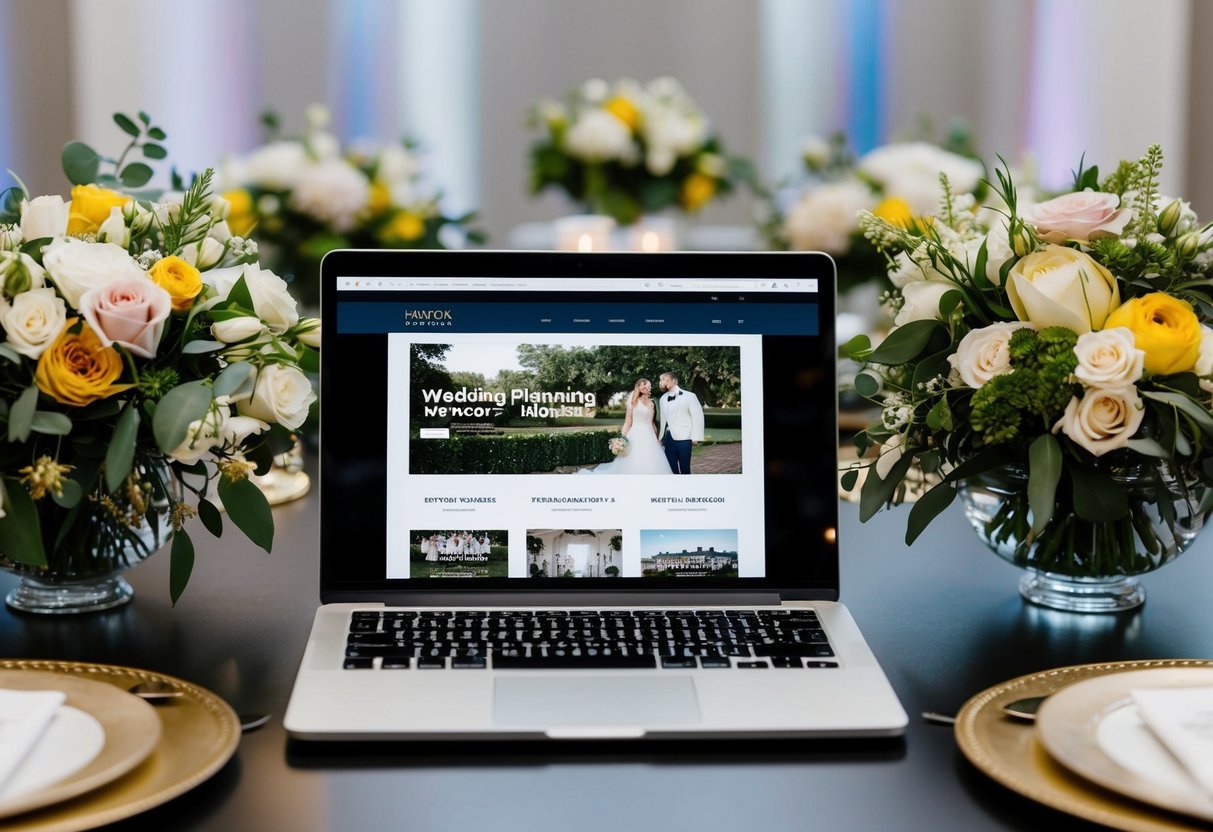
Planning an online wedding involves thoughtful choices about technology, aesthetics, and participant coordination. You want your virtual ceremony to feel special, just like a traditional wedding.
Choosing the Right Platform
Selecting the right platform for your virtual wedding is crucial. Consider options like Zoom, Google Meet, or Microsoft Teams. Each has unique features, so explore what suits your needs best.
Ensure the platform can support the number of guests you plan to invite. Some allow up to 100 participants, making it easy for family and friends to join. Look for features like screen sharing for slideshows or videos.
Check the platform’s technical requirements. Make sure your internet connection is stable to avoid interruptions during the ceremony. Doing a test run with a few participants can help you feel more confident.
Decor and Ambience
Creating the right decor and ambience for your online wedding can enhance the experience. Choose a quiet, well-lit space where you can set up a simple backdrop.
You might consider using flowers, fairy lights, or personal decorations to add a special touch. Think about incorporating digital elements, like a slideshow showcasing your journey together.
Make sure everything is visually appealing on camera. A clutter-free background can help focus attention on you. Have fun with your setup and let your personality shine through your decor choices.
Coordinating Participants
Coordinating your guests is essential for a smooth online ceremony. Send out digital invitations with clear instructions on how to join the virtual wedding.
Provide a schedule for the ceremony to keep everyone in the loop. Inform guests about any special roles, like readings or speeches, so they know when to join.
Encourage guests to dress up for the occasion. You can even suggest a theme or color scheme to make it feel more festive. Personal messages or video clips can also be a great way to include loved ones who can’t attend in person.
By managing these details well, your online wedding can be memorable and meaningful.
Special Considerations for Online Marriages

Online marriages have unique aspects that you should be aware of. Factors like the COVID-19 pandemic, travel restrictions, and the online marriage process can influence your wedding plans. Here’s what you need to know about these considerations.
Impact of COVID-19 on Weddings
The COVID-19 pandemic changed how people think about weddings. Many couples opted for remote marriages when in-person gatherings became challenging due to health concerns. Lockdowns and travel restrictions forced couples to look for alternatives to traditional ceremonies.
Online marriage ceremonies gained popularity during this time. They allow couples to tie the knot without the need for physical presence. This means you can enjoy a meaningful ceremony from your home or any location that suits you.
Additionally, many officiants quickly adapted to the online format, offering virtual services. This flexibility makes it easier for couples to celebrate their love safely.
Online Marriages for Couples in Different Locations
If you and your partner live in different places, online marriages can be a great solution. You can have your ceremony regardless of where each of you is located. This makes planning easier since you don’t have to travel to meet.
Many states allow online marriages, which means your marriage can be legally recognized even if you’re miles apart. It’s essential to research the laws regarding online marriage in your area. Some states might have specific requirements, so make sure everything is in order for your special day.
As long as the officiant is licensed and follows local regulations, your ceremony can be valid and recognized.
How Online Marriage Supports Immigration Processes
Online marriages can also help with immigration issues. If you or your partner are from different countries, being legally married can make visa applications smoother. A valid marriage often simplifies the process of applying for residency or other immigration benefits.
When you marry online, remember to keep proper documentation of your marriage. This may include having a certified copy of your marriage certificate. It’s essential for legal purposes and future immigration steps.
Check with immigration authorities to understand how your online marriage might affect your situation. Being prepared can help you navigate any challenges more easily.