
What Is the Minimum Amount to Spend on a Wedding? A Budget Guide for Couples
Budgeting for weddings can be overwhelming. You want to show your love and support for the couple, but you also need to keep your own finances in mind. The minimum amount you should consider spending on a wedding gift typically starts around $50. This amount can vary depending on your relationship with the couple, but it’s a good baseline to follow.
Understanding how much to give for a wedding can help you feel more comfortable as you plan. If you’re close to the couple, you might want to aim higher, around $100 to $200, to show your special connection. This range reflects the average wedding gift amount, allowing you to stay within your wedding budget while still being generous.
Whether you’re attending the ceremony or just sending a gift, knowing the appropriate wedding gift amount will help simplify your decision. This way, you can focus on celebrating the couple’s special day without worrying too much about your spending.
Determining Your Wedding Budget
Setting a clear wedding budget is essential for making your big day run smoothly. Understanding various costs and how to allocate your funds can help you avoid surprises down the line.
Overall Expense Considerations
When thinking about your wedding budget, start by identifying key areas where you will need to spend money.
Common categories include venue, catering, attire, and entertainment.
Here’s a simple breakdown to guide you:
- Venue: 30%
- Catering: 25%
- Attire: 10%
- Entertainment: 10%
- Photography: 10%
- Other: 5%
These percentages can vary based on personal preferences, but they give you a solid starting point. Make a detailed list of expected expenses to help you track your spending. This clarity can help set realistic expectations.
Venue and Location Costs
The venue often takes the largest share of your budget. Understand that prices can vary widely based on location and type.
For instance, a beach wedding might cost differently than a traditional banquet hall.
Consider these potential costs:
- Rental Fee: This could be anywhere from $1,000 to $10,000, depending on location and size.
- Decor: Budget about 10-15% of your total budget for flowers and other decor items.
- Additional Costs: Don’t forget about taxes, gratuity, and insurance, which can add up quickly.
By researching multiple venues, you can gauge the average costs in your area and find a place that suits both your style and budget.
Catering and Food Details
Food and beverages make up a significant part of your wedding budget. Decide whether you want a sit-down dinner, buffet, or food stations. Each option has different price points and affects your budget.
Here are some things to consider:
- Meal Costs: Expect to spend anywhere from $20 to $150 per person, based on menu choices.
- Beverages: Depending on whether you have an open bar, cash bar, or just serve limited drinks, prices can differ greatly.
- Cake: Your wedding cake can range from $3 to $10 per slice.
Carefully plan your catering based on your guest list to avoid overspending. Getting quotes from multiple caterers can help you stay within your budget while ensuring your guests enjoy a great meal.
Gifts and Contributions
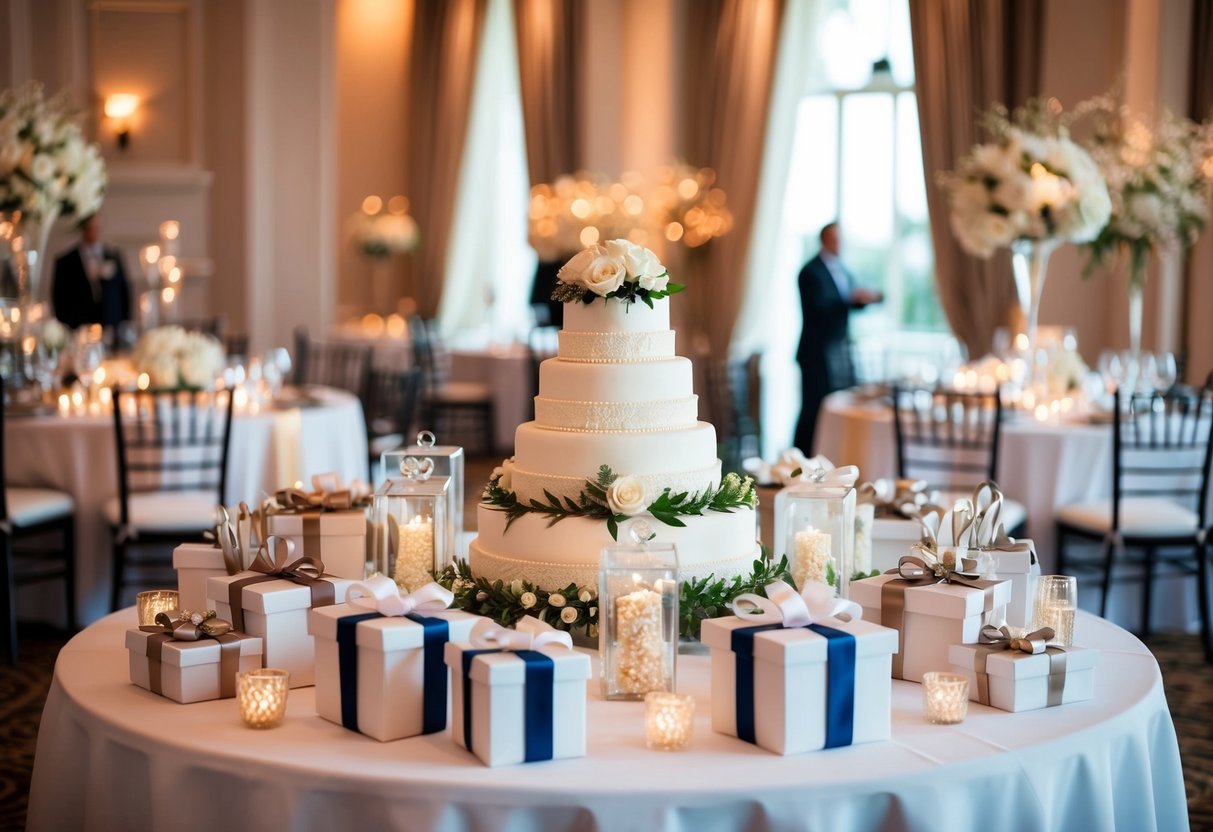
When you attend a wedding, choosing the right gift and knowing how much to spend can feel overwhelming. Understanding gift etiquette and options available to you can make this process smoother.
Understanding Wedding Gift Etiquette
Wedding gift etiquette helps you navigate what is appropriate to give. Generally, it is important to provide a gift that reflects your relationship with the couple. For close friends and family, gifts can be more generous. For coworkers or distant relatives, smaller gifts are acceptable.
Be mindful that gifts should align with the couple’s needs. Many couples create a wedding registry, which lists their desired items. Shopping from the registry ensures that your gift will be appreciated and used. It’s also polite to send your gift before or shortly after the wedding day.
Deciding on the Wedding Gift Amount
Determining how much to spend on a wedding gift can depend on several factors. The average wedding gift amount typically ranges from $75 to $300, depending on your relationship with the couple and the event’s formality.
If you’re unsure about the right amount, consider these guidelines. For acquaintances, you might give around $75 to $100. For close friends or family, aim for $150 to $300. If the couple has a honeymoon fund, contributing cash can also be a thoughtful option. This allows them to enjoy experiences during their trip together.
Options for Gifts: Registry and Cash Contributions
You have a few options when it comes to wedding gifts.
Many couples will set up a wedding registry at various stores. This helps you pick something they truly want and need.
Alternately, cash contributions are becoming more popular. Some couples appreciate direct cash donations or funds for their honeymoon, which allows them to save for meaningful experiences. You can simply give cash or check in a nice card, or use online platforms that facilitate contributions to their honeymoon fund. Just remember to choose a thoughtful amount based on your relationship and comfort level.
Key Expenses Beyond the Basics
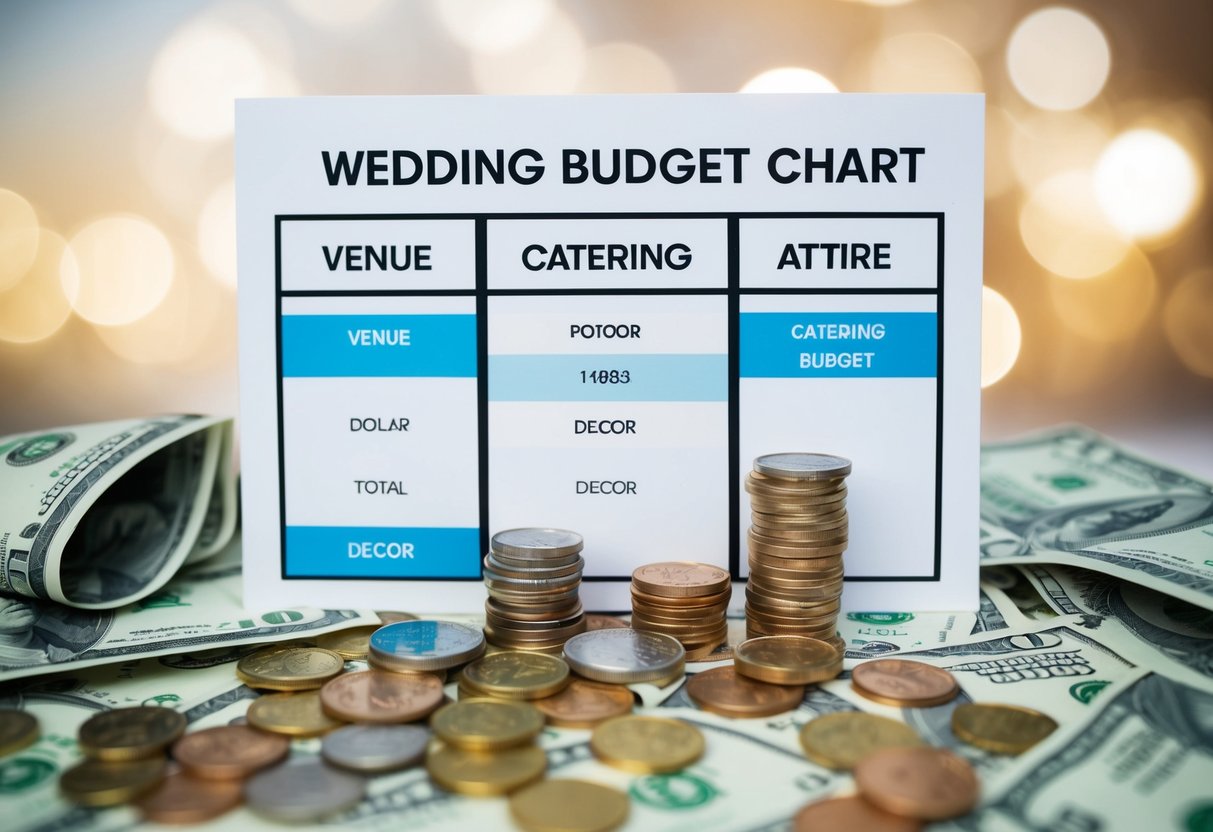
When planning your wedding budget, it’s essential to think about expenses beyond the basic venue and catering. These key areas can enhance the overall experience and ensure your day is memorable.
Photography and Videography Essentials
Capturing your special day is crucial. Hiring a skilled photographer and videographer can make a big difference. Look for professionals who style their work to match your vision.
Consider packages that include both photo and video services. A typical budget for these can range from $1,500 to $5,000. Discuss your must-have shots and special moments to ensure nothing is missed. Don’t forget to ask for a second shooter for extra coverage, especially during the ceremony.
The Finer Details: Flowers, Music, and Attire
Flowers can add beauty and set the mood. A floral budget might be between $2,000 and $5,000, covering bouquets, centerpieces, and ceremony arrangements. Seasonal blooms often save money.
Music is key to creating a festive atmosphere. You can choose between live bands, DJs, or solo musicians. Expect to spend anywhere from $1,000 to $4,000, depending on your choice.
Your attire, including the wedding dress and accessories, is another significant expense. A wedding dress can cost from $500 to $3,000. Don’t forget your rings as well; they can range from $1,000 to $5,000 or more, depending on the materials and design.
Memorable Add-ons: Favors, Lighting, and Stationery
Wedding favors are a nice touch for guests, costing around $2 to $5 per person. Simple items like personalized candies or small plants can be memorable.
Lighting sets the ambiance and can elevate the look of your venue. Hiring professionals for unique lighting effects can cost between $500 and $2,000.
Finally, don’t overlook stationery for invitations and thank-you cards. A complete set can run between $300 and $1,500, depending on the design and quantity. Choosing simpler designs or DIY options can help you save.
Logistics and Final Considerations

Planning the logistics for your wedding is essential for keeping everything running smoothly. You’ll need to focus on coordinating transportation and ensuring your guest list aligns with your budget and expectations.
Coordinating Transportation and Accommodations
Transportation is key to a successful wedding day. You should consider how guests will travel to and from the venue. Will you provide shuttles or recommend local transportation options?
List of Options:
- Shuttle buses for large groups
- Rideshare apps for convenience
- Car rentals for guests who want flexibility
Additionally, think about accommodations for out-of-town guests. You might reserve a block of rooms at a nearby hotel or suggest local places with good reviews.
By planning this aspect early and working closely with your wedding planner, you can ease your guests’ travel worries. This careful planning reflects your attention to detail and can improve the experience for your guests, making them feel valued.
Managing the Guest List and Expectations
Your guest list plays a vital role in budgeting. Each guest adds to the cost, from meals to seating arrangements.
Start with a rough list and determine how many guests you can afford to invite.
Tips for Guest List Management:
- Use spreadsheets to track RSVPs efficiently
- Set a deadline for responses to finalize numbers
- Consider relationships when making cuts
Communicate clearly with your guests about what to expect. This includes dress code, transportation options, and any special arrangements.
Setting clear expectations helps prevent misunderstandings and ensures everyone enjoys the day.
By managing your guest list effectively, you maintain control over costs while also fostering a positive relationship with each attendee.