
What is the Most Common Budget for a Wedding? Tips for Planning Your Special Day
Planning a wedding can be exciting, but it can also feel overwhelming, especially when you’re trying to stick to a budget. The average cost of a wedding today hovers around $28,000, though this can vary widely depending on your location and choices. Knowing this figure can help you establish a realistic wedding budget that fits your style and needs.
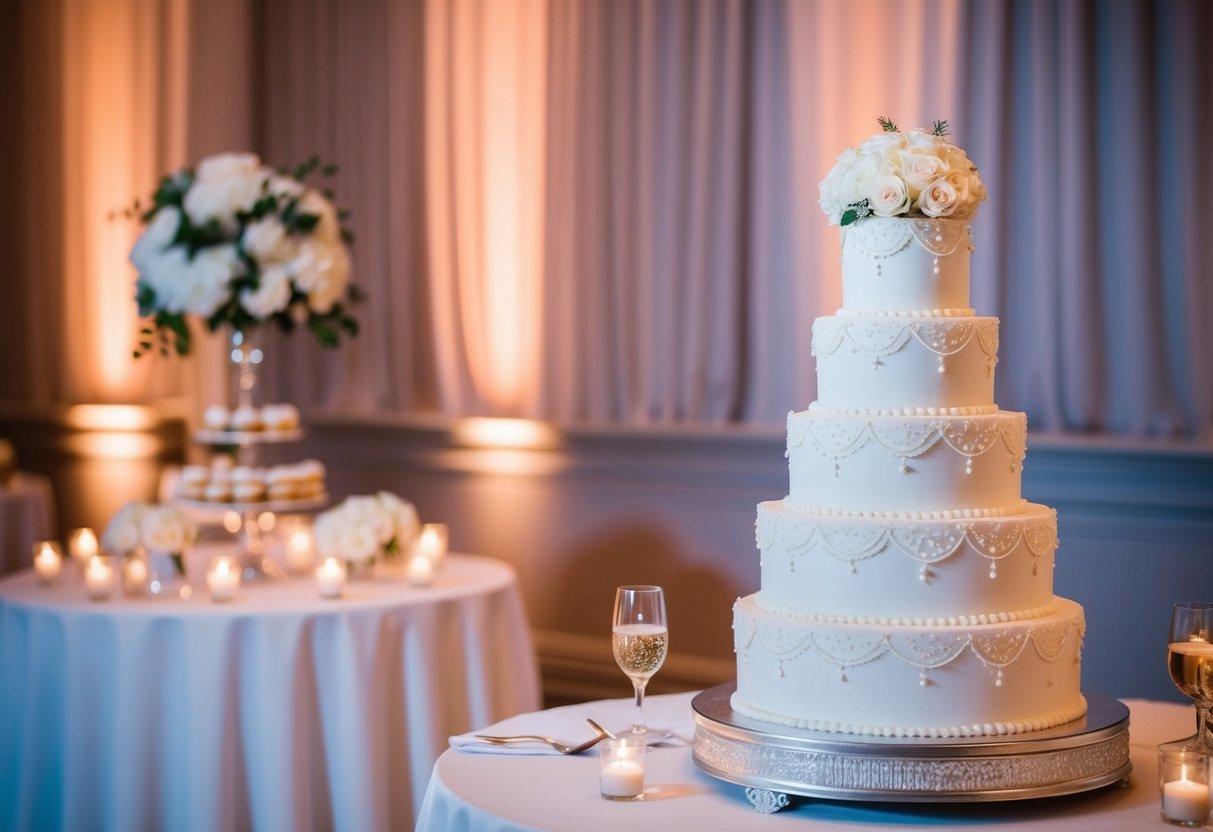
As you begin your wedding planning journey, it’s important to consider how to allocate your budget effectively. Many couples end up overspending, often due to unexpected costs. By understanding the common expenses and where to save, you can keep your finances in check and still create a memorable day that reflects you and your partner.
Staying informed about the typical wedding budget breakdown can lead to better decisions as you move ahead. Allocating your funds wisely will help you distribute costs across key areas like venue, catering, and decor, ensuring your big day is both beautiful and affordable.
Establishing Your Wedding Budget

Creating a wedding budget is an essential step in planning your special day. It helps you manage your expenses and ensures everything goes smoothly. You’ll need to understand what you can afford, how to allocate funds, and useful tools to keep track of your budget.
Determining What You Can Afford
Start by assessing your finances. Look at your savings, expected contributions from family, and any loans you may take.
Key factors to consider:
- Personal savings
- Contributions from family
- Additional income sources
Set a realistic upper limit for your wedding budget. This should not strain your finances. Consider creating a small emergency fund for unexpected costs, typically around 10% of your total budget. This way, you have a cushion for surprises!
Allocating Funds to Wedding Categories
Once you know what you can spend, divide your budget into categories. This helps prioritize what matters most to you. A typical breakdown might look like this:
- Venue and Catering: 35%
- Wedding Planning: 12%
- Photography/Videography: 10%
- Attire: 5%
- Entertainment: 10%
- Flowers and Decor: 6%
Adjust these percentages based on your priorities. If photography is most important to you, you might allocate more funds there.
Wedding Budget Breakdown
It’s helpful to use a wedding budget template or planner. A good template can guide you in organizing your expenses. Here’s a simple budget breakdown for quick reference:
| Category | Percentage |
|---|---|
| Venue | 18% |
| Catering | 16% |
| Wedding Planner | 10% |
| Photography | 7% |
| Flowers | 6% |
| Attire | 5% |
| DJ or Band | 5% |
| Miscellaneous | 3% |
Use this breakdown as a starting point, and tailor it to fit your vision.
Budgeting Tips and Tools
Consider using a wedding budget calculator to keep track of your expenses. It helps you see where your money is going and what you have left.
Tips for effective budgeting:
- Create lists: Check off paid expenses to keep track of your budget.
- Stay flexible: Be ready to adjust categories as needed.
- Communicate: Discuss budget expectations with your partner and families.
Major Wedding Expenses
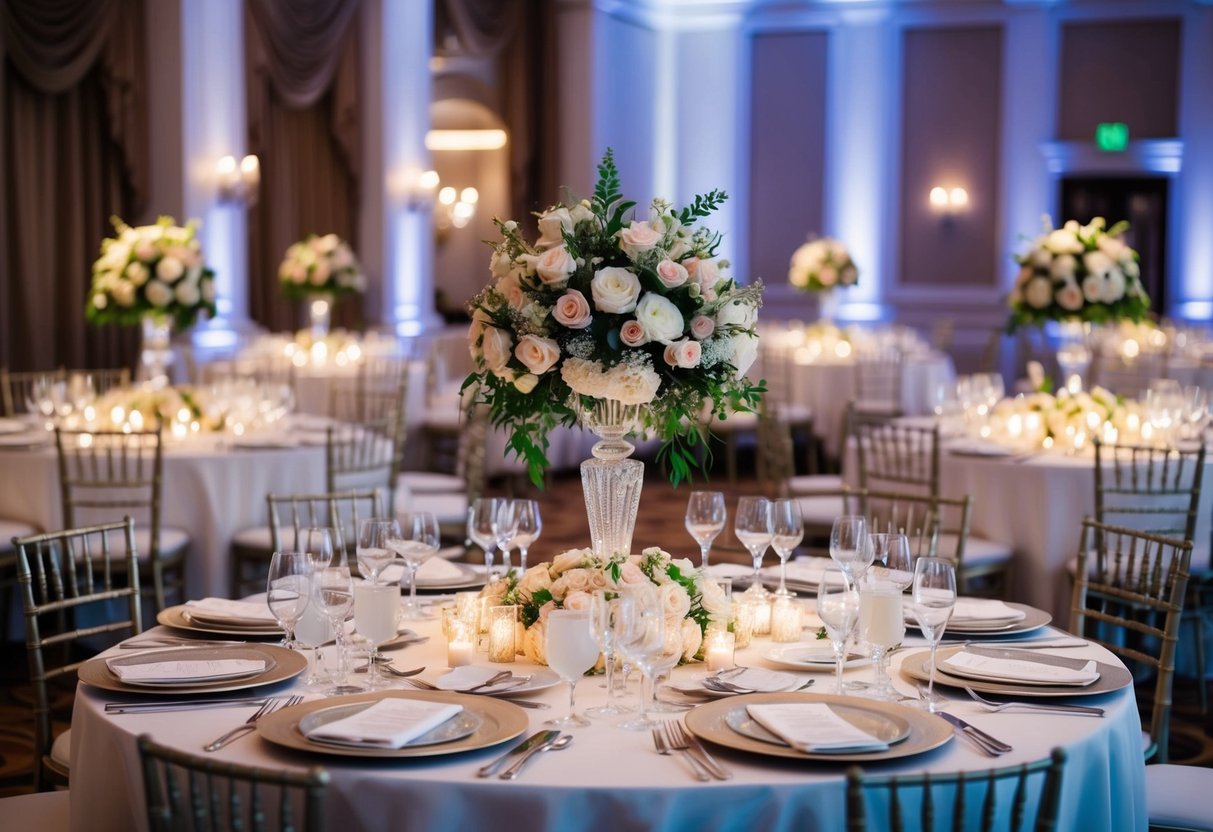
Planning a wedding involves making some important choices about your budget. You will want to consider the biggest expenses that can affect your overall costs. Here are the main areas you need to focus on.
Venue and Catering Costs
The venue is often the largest part of your wedding budget. It can account for about 30-50% of your spending. Location plays a vital role in this cost. Popular places may charge more, especially during peak seasons.
Catering is another significant expense. Most couples spend roughly 20-30% on food and drinks. This includes not just the meal but also appetizers, desserts, and beverages. If you choose a buffet or plated service, this can change your budget too.
Photography and Videography Fees
Capturing your special day is essential, which is why photography and videography are important. Expect to allocate around 10-15% of your budget here. A professional photographer can vary in price based on their experience and the packages they offer.
Videographers are also an excellent choice for many couples, giving you memories in motion. Hiring both can add up quickly, so consider your priorities. Think about what moments you want captured, and discuss packages that fit your budget and needs.
Attire and Beauty Expenses
Your wedding attire can also impact your budget. The average wedding dress costs between $1,000 and $3,000. Don’t forget about alterations, accessories, and your shoes, which can add to your overall dress costs.
Beauty expenses can also add up quickly. Hair and makeup services might range from $100 to $300 or more, depending on the stylist’s rates. Don’t forget to account for any additional costs for your bridal party as well. Each choice you make can affect your budget, so plan accordingly.
Additional Wedding Elements
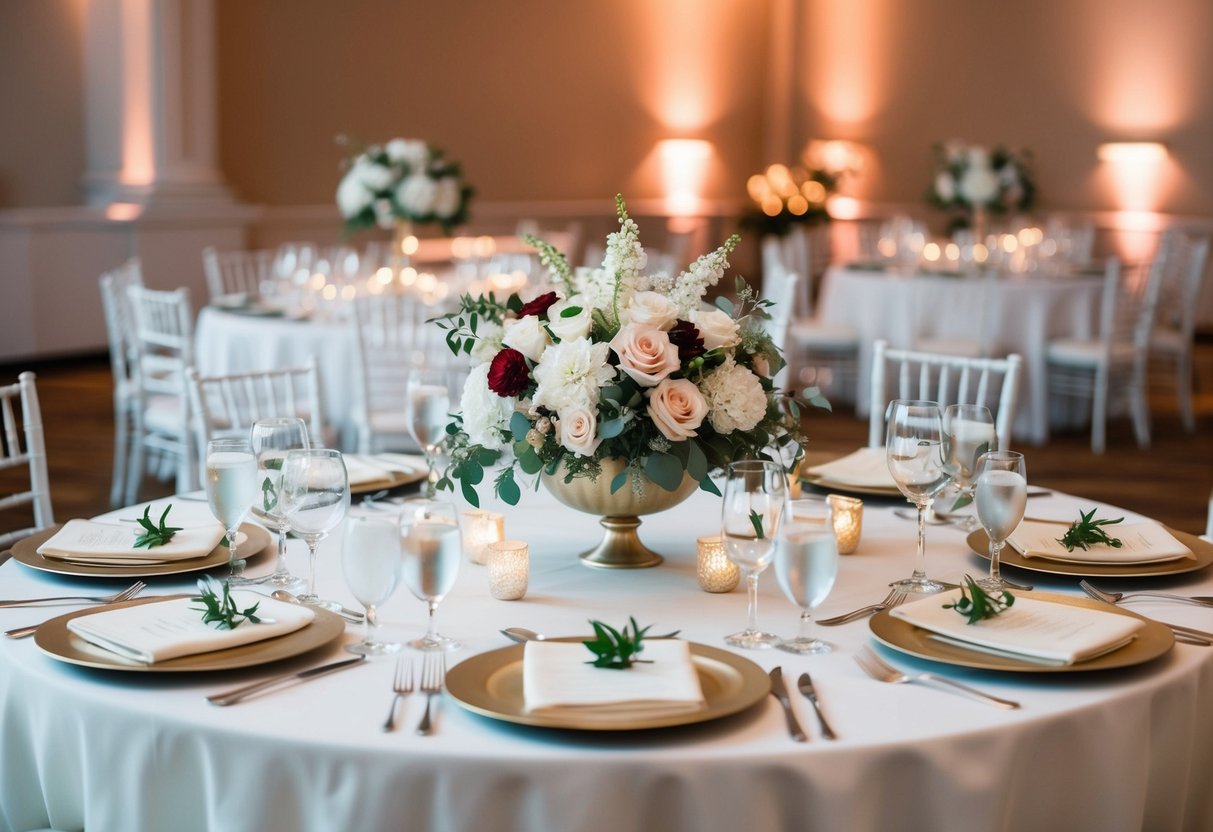
When planning your wedding budget, you need to consider several key elements beyond the venue and catering. These include invitations, decor, and entertainment, which can significantly impact your overall costs.
Invitations and Stationery
Your wedding invitations set the tone for the event. They inform your guests about the details and theme of your wedding. Typical costs for invitations can range from $300 to $800, depending on design and printing options.
Consider also the cost of additional stationery, like save-the-date cards, menus, and thank-you notes. You can save money by opting for digital invitations or DIY projects.
Tip: Ordering in bulk can lower costs. Look for packages that include matching stationery to keep your theme consistent.
Decor, Flowers, and Centerpieces
Flowers and decor are crucial for creating the right atmosphere at your wedding. Floral arrangements can be a significant expense, with average costs between $1,500 and $3,000. This covers bouquets, boutonnieres, and decorations for the venue.
Think about your decor choices, too. Renting items like table linens or centerpieces can save money. You might want to mix real flowers with artificial ones for a budget-friendly option.
Important: Seasonal flowers usually cost less. Talk with your florist for cost-effective options suited to your wedding date.
Entertainment and Music
Entertainment can elevate your wedding experience. Hiring a DJ typically costs between $800 and $1,500. They can set the mood and keep the dance floor lively. If you prefer live music, hiring ceremony musicians can also be a wonderful touch.
Consider guest entertainment options too. You might include photo booths, lawn games, or even a magician to keep guests engaged during the reception.
Remember: Many DJs and musicians offer packages that include lighting or other services, potentially saving you money overall.
Hidden Costs and Final Considerations
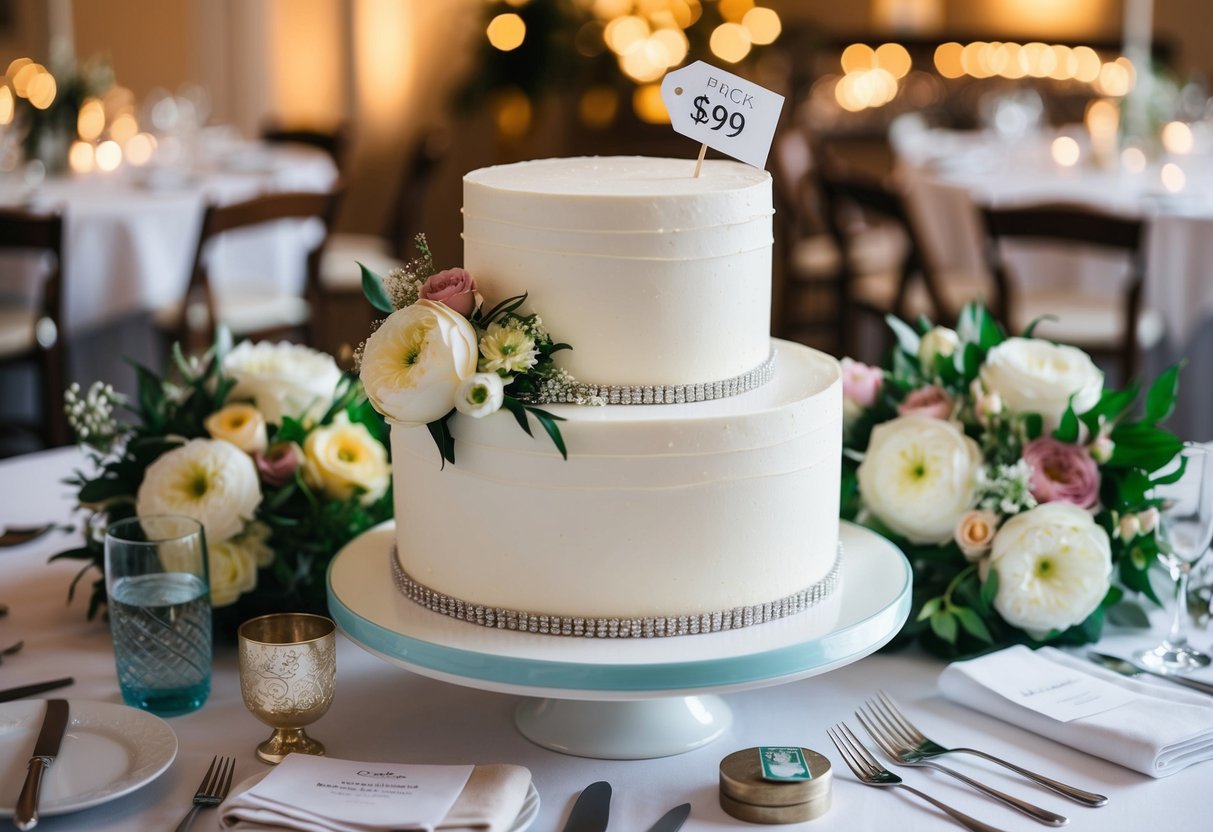
Planning a wedding involves more than just the obvious expenses. It’s important to be aware of the hidden costs that can sneak up on you. By recognizing these unexpected items, you can prepare a more accurate budget and avoid surprises.
Understanding Hidden Costs
Hidden wedding costs can add up quickly if you’re not careful. For instance, wedding insurance can range from $125 to $550. This may not be required, but it’s worth considering if you want peace of mind.
Another common surprise is transportation costs. If you’re hiring a car or shuttle for guests, these fees can increase your budget. Also, keep an eye on reception venue fees, as they can include extra charges for cleaning or setup.
Don’t forget about smaller expenses, such as wedding favors and gifts for your bridal party. These can often be overlooked but can strain your budget. Creating a comprehensive list will help you capture all potential costs.
Finalizing Your Wedding Budget
Once you understand the potential hidden costs, you should finalize your wedding budget. Start by listing all your expected expenses, both big and small.
Include items like venue fees, catering, and even the costs of any extras like a photo booth.
Add around 5-10% to your total to cover unexpected costs. This buffer can save you from going into debt if surprise expenses appear.
Lastly, make sure to get everything in writing. Confirm all services and costs with your vendors to avoid any last-minute surprises.