
What is the Most Common Day to Get Married? Discover Why Saturdays Are Popular!
Choosing the perfect wedding date is one of the first big steps in your wedding planning journey. You might find yourself wondering, “Why do people often choose Saturday for weddings?” With many guests off work and time to travel, Saturdays are ideal for celebrations.
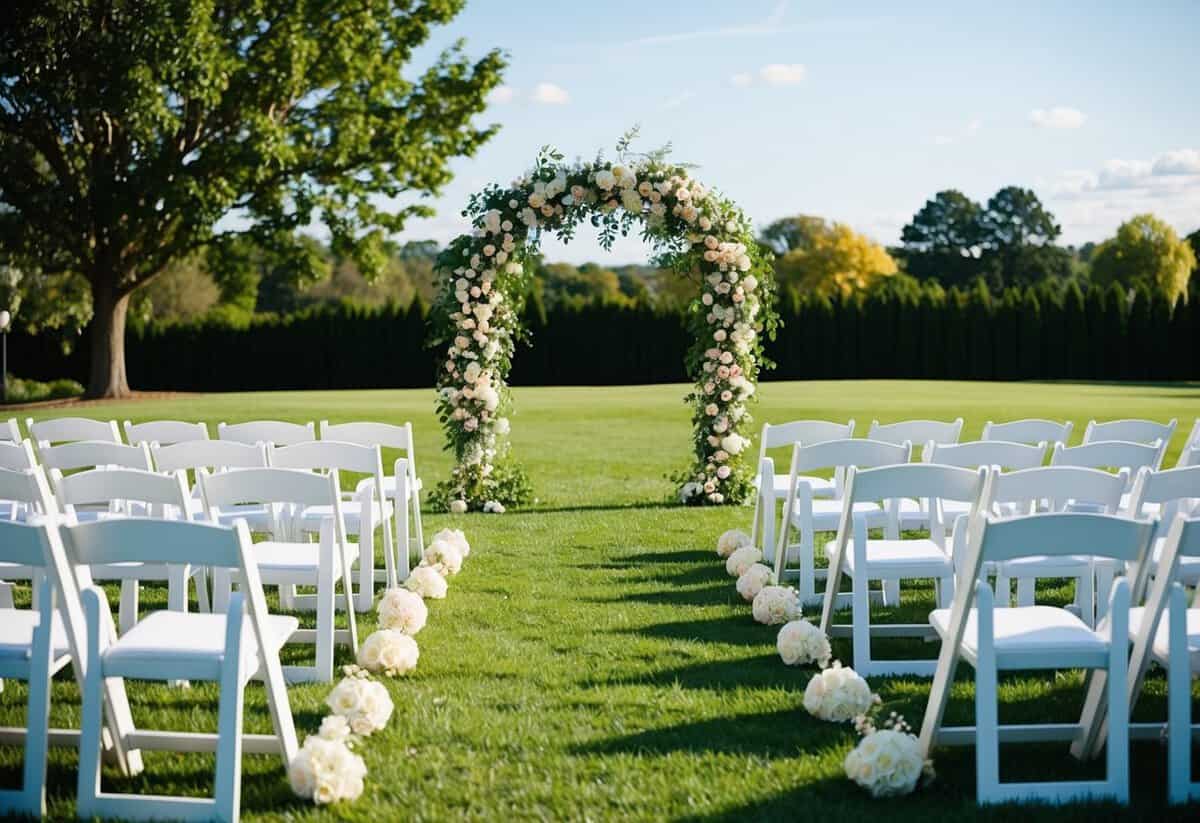
The time of year also plays a big role. Most weddings occur between May and October, with June being a particularly popular month. This has to do with weather and seasonal beauty, making these months highly sought after for planning your special day.
As you consider your options, remember that choosing a date can influence everything from your venue selection to guest attendance. Understanding the trends can help you make the best decision for your big day.
Understanding Wedding Seasons
Choosing the right season for your wedding can greatly impact the experience you create. Each season has its own charm, and different months attract various trends and pricing.
Popular Wedding Months
Most weddings take place between May and October. This timeframe is often referred to as the peak wedding season.
- June is the most sought-after month, with approximately 13% of couples choosing this time. The warm weather and beautiful blooms make it an ideal choice.
- September follows close behind, with around 15% of couples tying the knot. The mild temperatures and early fall colors create a stunning backdrop.
- October is also popular for its colorful leaves and comfortable weather, attracting about 16% of weddings.
In contrast, winter weddings are less common but offer unique settings and lower prices since they fall outside the peak season.
Benefits of Each Season
Spring weddings are perfect for fresh blooms and rejuvenated landscapes. This season provides a colorful and lively atmosphere.
- Many couples enjoy fall weddings for their gorgeous foliage and milder temperatures. It’s a great time for outdoor ceremonies and rustic themes.
Winter weddings can also be magical with the possibility of snow. A winter wonderland theme can create an unforgettable ambiance.
- Summer weddings often offer great weather, perfect for outdoor receptions and beach ceremonies. However, be prepared for higher costs and more competition for venues and vendors during this time.
Each season has its own benefits, so consider what aligns best with your vision and budget!
Selecting the Perfect Wedding Date
Choosing the right wedding date can be both exciting and challenging. Various factors, like cultural beliefs and astrological influences, may affect your decision. Exploring unique dates and the significance of different weekdays can also help you find the perfect match for your big day.
Cultural and Astrological Considerations
When selecting a wedding date, consider cultural traditions and astrological beliefs. In many cultures, certain days are viewed as more auspicious for weddings. For example, in Chinese culture, specific dates are chosen based on the lunar calendar, aligning with lucky numbers and zodiac signs.
Astrology also plays a role. People often consult the positions of Venus and Jupiter since these planets are linked to love and fortune. An auspicious wedding date can bring good luck and happiness for the couple. Many couples prefer to avoid dates that are believed to bring bad luck. Researching these influences might guide you to a date that feels right.
Unique Dates and Weekdays
While Saturdays are traditionally the most popular wedding days, you might consider unique dates or weekdays. For instance, dates that are easy to remember, like 02/22/24, can add a special touch to your celebration.
Opting for weekdays may offer you benefits like lower venue costs and better availability. Fridays and Sundays are often popular choices for budget-conscious couples. Remember to consider any family or friends’ availability since a unique or less common day may turn into a memorable experience for everyone involved.
Pros and Cons of Holiday and Weekend Weddings
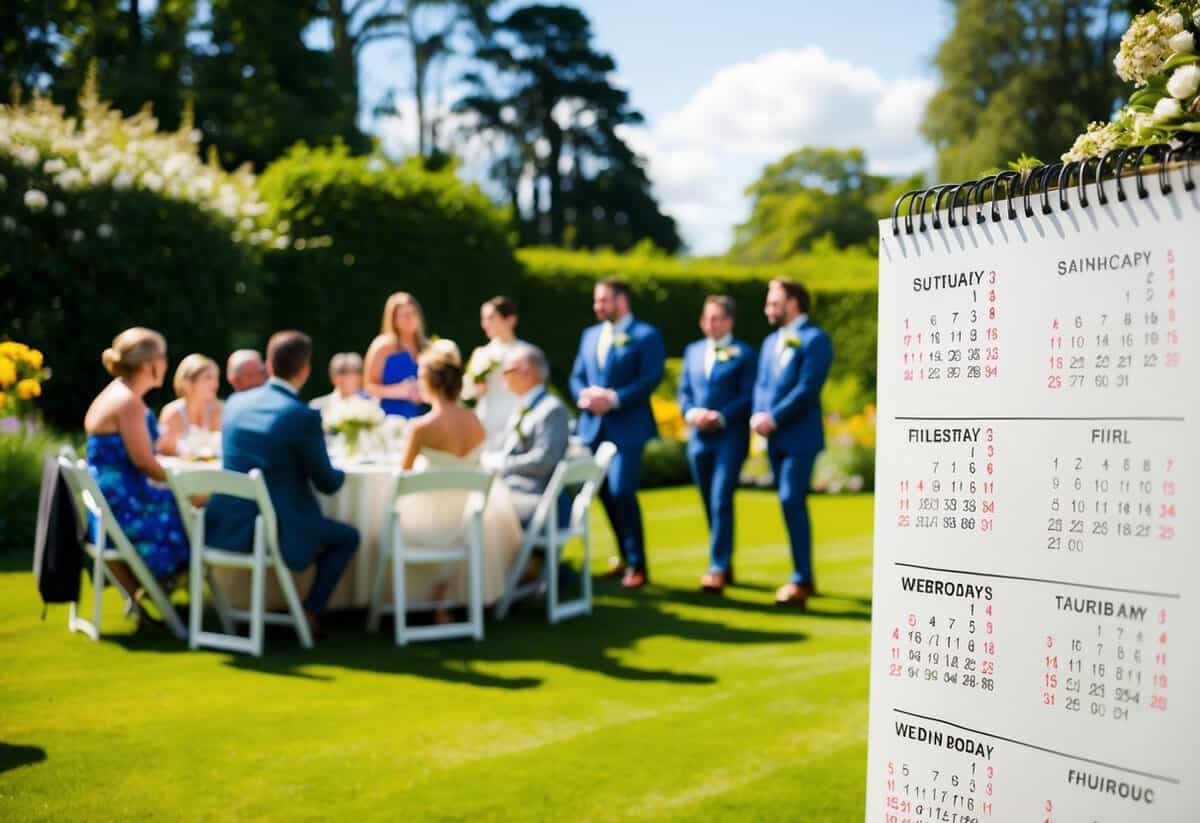
Choosing to have your wedding on a holiday or a long weekend can bring both excitement and challenges. Many couples consider how these dates can enhance their celebration or complicate their plans. Here are some key factors to keep in mind.
Holiday Considerations
Getting married on a major holiday like Christmas, Valentine’s Day, or Easter Sunday can feel special. It can create unforgettable memories for you and your guests. Guests may also appreciate a festive vibe, adding to the joy of your wedding day.
However, be mindful of potential downsides. Some family members might have other commitments on holidays. For instance, Thanksgiving brings family gatherings, while July 4th might involve outdoor activities. Costs can also rise. Venues and vendors often charge more for services on popular holidays, such as New Year’s Eve or Memorial Day.
The Importance of Long Weekends
Three-day weekends, like Labor Day or Columbus Day, can make planning easier. With an extra day, guests can travel and rest before the festivities. This can lead to a more relaxed atmosphere and allow for extended celebrations, like brunch the next day.
It’s important to remember that while many people enjoy these long weekends, they may have pre-existing plans. Others could be focused on holiday events, such as the Super Bowl or a summer picnic. As a result, finding a date that works for most guests might be challenging. Being considerate of these factors can help you make the best choice for your special day.
Logistics and Planning for the Big Day

Planning your wedding involves many important details, especially if you’re considering a destination wedding or want to send out save-the-dates. Each choice can impact your guests’ travel plans and overall experience.
Destination Wedding Versus Local
A destination wedding can be a magical experience. However, it requires careful consideration. Think about travel costs and guest accommodations. Popular locations may lead to higher prices and limited availability.
You’ll need to plan transportation for your guests and consider a local vendor for flowers, catering, and other services. Make sure to send your invitations early to give guests enough time to book travel.
In contrast, a local wedding allows more flexibility. It may be easier for guests to attend, and you can utilize local vendors you trust. You’ll also save time on travel arrangements, which can lessen stress as the big day approaches.
Sending Save-the-Dates
Sending save-the-dates is crucial, especially for a destination wedding. This gives your guests ample time to make travel plans and schedules, particularly if it’s on a weekday or holiday.
Choose a fun design that matches your wedding theme. Include the date, location, and any travel tips. If your wedding is in a popular area, inform guests about accommodations and activities nearby.
Send save-the-dates at least six months in advance. This ensures your guests can clear their schedules and look forward to the celebration. Don’t forget to follow up with formal invitations closer to the date to confirm details.