
What Is the Most Common Time for a Wedding? Discovering Popular Ceremony Hours
Planning a wedding can be both exciting and overwhelming. One of the first decisions you’ll make is the timing of your ceremony. The most common time for a wedding ceremony typically falls between 1 p.m. and 3 p.m. This gives you plenty of time for a lovely celebration that flows into the evening.
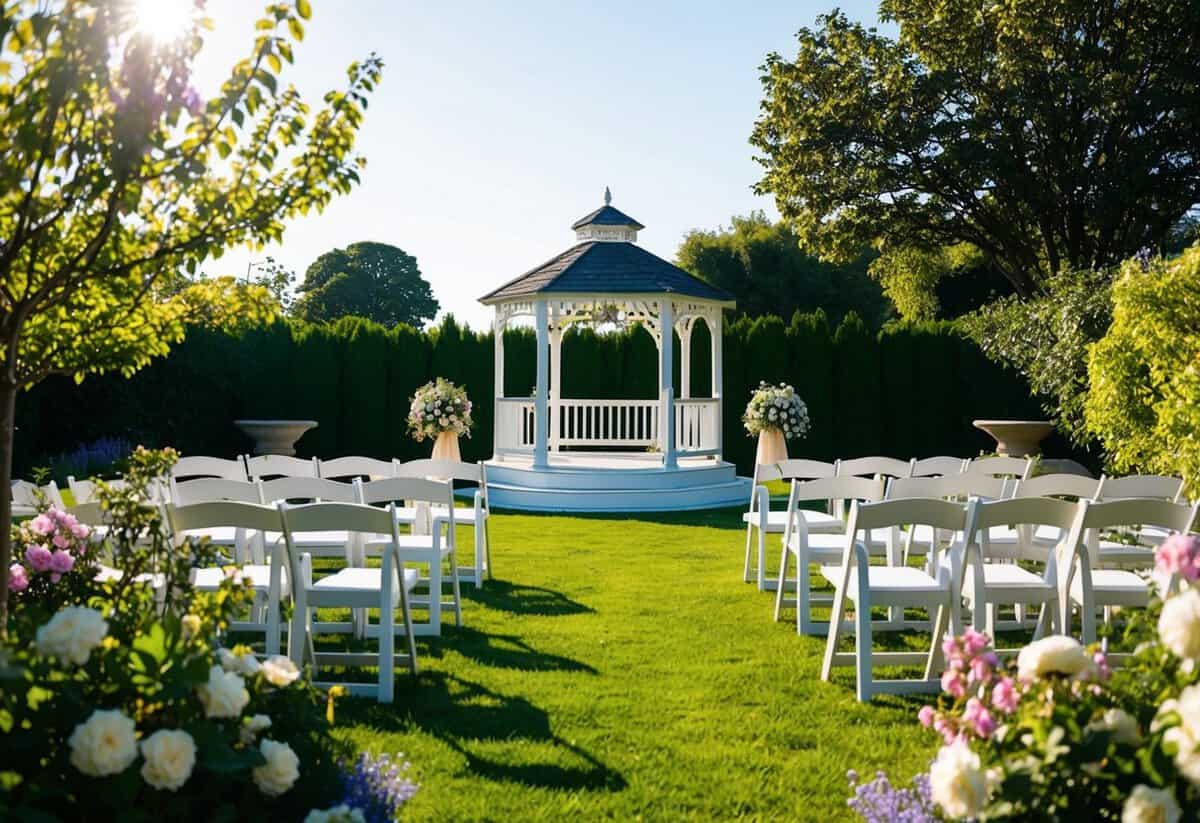
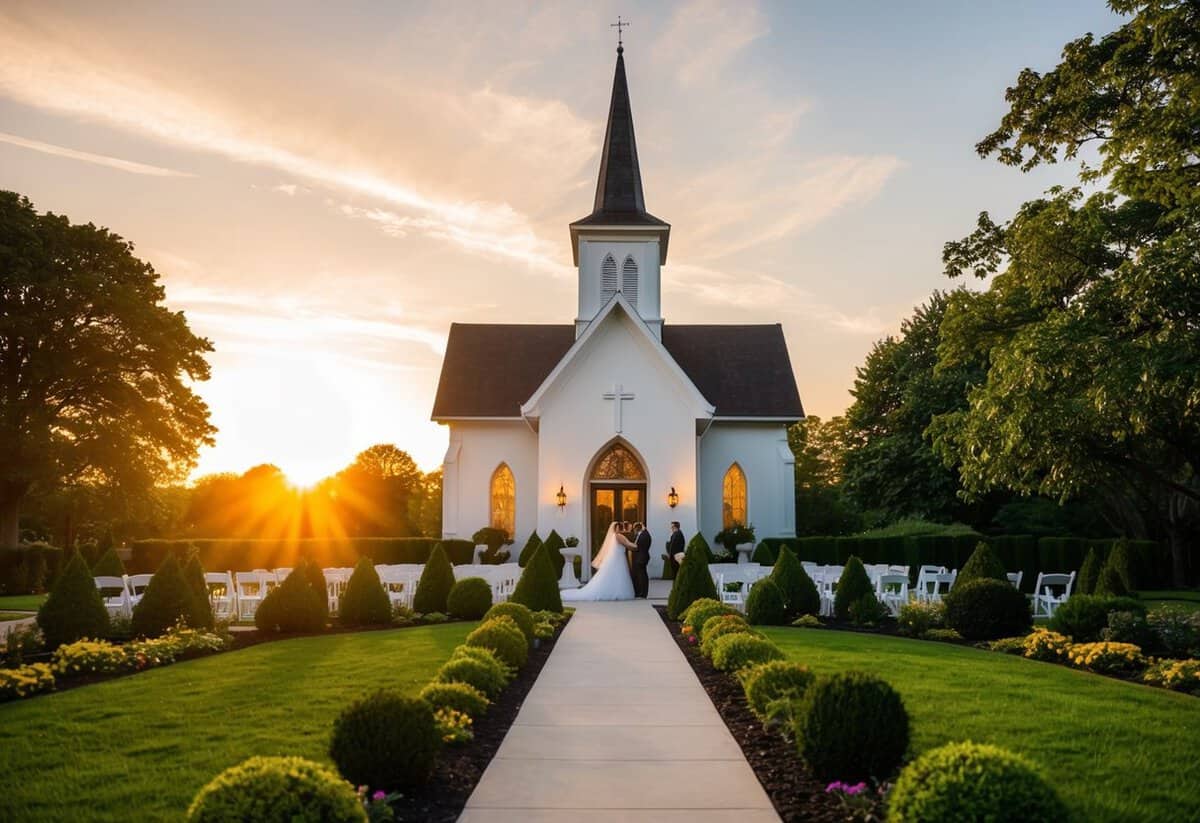
Choosing the right time can set the mood for your big day and influence everything from the lighting to your guests’ comfort. Many couples prefer late afternoon to early evening start times, often between 4 p.m. and 6 p.m., especially for outdoor weddings. This allows for beautiful natural light and a romantic atmosphere as the day turns to night.
By understanding popular wedding start times, you can tailor your schedule to fit your vision. Whether you opt for an afternoon or evening ceremony, knowing what works best can help you create the perfect setting for your celebration.
Understanding Wedding Timelines
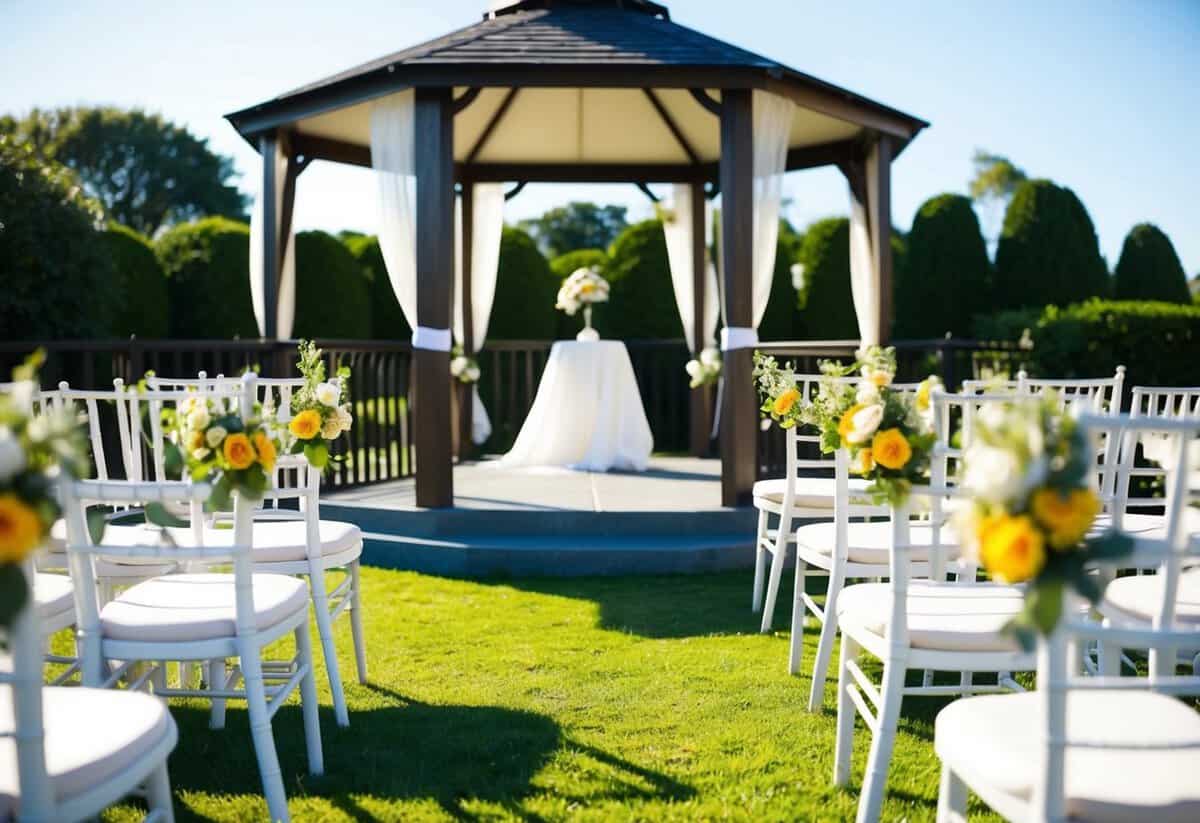
When planning your wedding, creating a detailed timeline is essential. This helps you manage your day smoothly, ensuring you enjoy every moment. Here are some important aspects to consider.
Importance of Ceremony Start Time
Your ceremony start time sets the stage for the whole day. Most weddings take place in the late afternoon or early evening. A popular starting time is around 4 p.m. This timing gives guests enough time to arrive and settle in. It also allows for photography before the sun sets.
A well-planned ceremony time helps avoid long waits. If you begin at 4 p.m., your guests can enjoy a cocktail hour after the ceremony. This is a great way for everyone to mingle before dinner and dancing. Remember, timing affects everything from hair and makeup to the start of dinner.
Scheduling the First Look and Family Portraits
If you plan to have a first look, you’ll want to arrange it before the ceremony. This moment allows you to share a private experience before seeing each other at the altar. Schedule this about an hour before the ceremony starts.
After your first look, dedicate time for family portraits. It’s helpful to gather your family members ahead of time. This way, everything flows smoothly. Aim to complete these photos about 30 minutes to an hour before the ceremony. This ensures you’re ready for the main event without feeling rushed.
Incorporating Cocktail Hour and Reception
Following the ceremony, a cocktail hour is common. This usually lasts about an hour. It gives guests time to enjoy drinks and snacks while you take your wedding pictures.
The reception often begins after the cocktail hour. Dinner and dancing can then take place. Many couples opt for their first dance soon after entering the reception. These key moments create a lively and fun atmosphere for everyone. Make sure to coordinate the timing for special activities like speeches or cake cutting. This ensures your night runs smoothly and keeps guests engaged.
Seasonal Considerations for Wedding Timing
Choosing the right season for your wedding can greatly affect the atmosphere and logistics of your big day. Each season offers unique benefits and challenges, from summer’s warm weather to winter’s cozy charm.
Summer and Winter Weddings
Summer weddings are popular for a reason. The warm, temperate weather allows for lovely outdoor ceremonies. You can enjoy vibrant flowers and greenery that enhance your venue’s appeal. However, keep in mind that summer can also bring heat.
On the other hand, winter weddings have their own magic. Snowy backdrops and festive decorations create a cozy, enchanting atmosphere. Indoor venues shine during the winter months, making for a comfortable celebration. Just be mindful of potential travel issues due to winter weather.
Optimizing for Daylight and Golden Hour
The timing of your wedding can affect your photography, especially if you want beautiful sunset photos. In summer, the days are longer, meaning you can take advantage of extended daylight hours. This allows for a more flexible schedule for outdoor ceremonies and receptions.
In contrast, winter days are shorter, and sunset comes earlier. Plan your ceremony keeping this in mind. The golden hour—the time just before sunset—offers stunning lighting for photos. To make the most of this, schedule your portraits accordingly. By considering these factors, you can perfectly tailor your wedding experience.
Venue and Guest Logistics
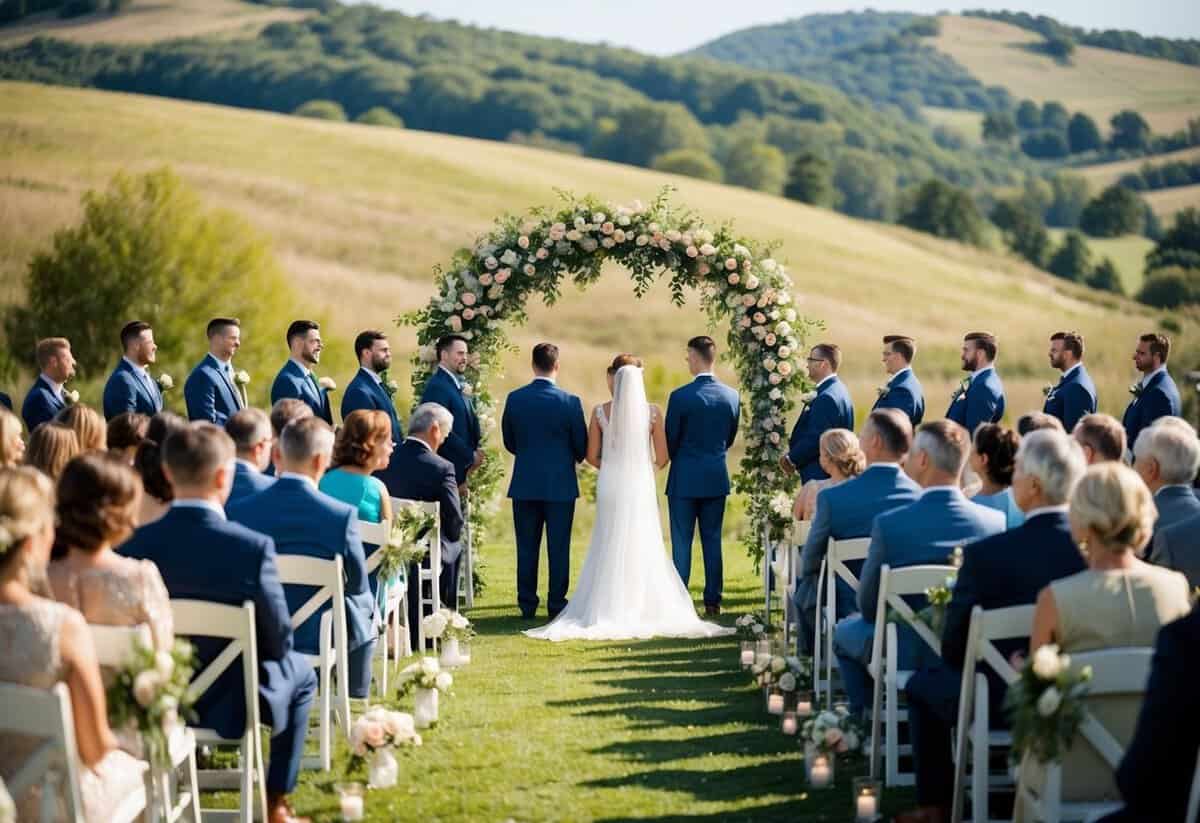
When planning your wedding, it’s essential to think about how venue logistics and guest arrangements will impact your big day. These elements can significantly affect the overall experience for both you and your guests.
Travel Time and Venue Availability
Consider the distance between your venue and where your guests will be coming from. If you’re having a destination wedding, ensure that accommodations are nearby. Travel time can affect when your ceremony should start.
Key Points:
- Choose a venue that is accessible for most guests.
- Confirm the availability of your desired wedding date with the venue.
Also, consider vendor availability. Some venues may have preferred vendors, or you might need to book yours early, especially during popular wedding months like June or September. If you’re planning a weekday wedding, you may have more flexibility with both vendor and venue availability.
Considering Guest Comfort and Convenience
Your guests’ comfort should be a top priority. Think about their needs, especially if some are traveling from afar. Providing clear directions and transportation options is helpful.
Helpful Tips:
- Offer a shuttle service if the venue is far.
- Include hotel information with your invitations.
Also, plan for amenities like rest areas if your ceremony and reception span several hours. Consider the season, as summer weddings might need more shade and winter weddings may require heating. Keeping your guests’ comfort in mind makes the day more enjoyable for everyone.
Personalizing Your Wedding Day Schedule
Personalizing your wedding day schedule is all about making choices that reflect your style and preferences.
You can start by deciding on your wedding date and time of day. Each option offers a unique feel.
Morning weddings can be magical. They often come with a lovely brunch reception that brings a relaxed vibe. If you’re a morning person, this might be perfect for you.
Afternoon weddings are popular and allow for both daytime and evening celebrations. You can plan your ceremony followed by a cocktail hour and dinner. It’s a great time for family photos with your wedding party.
Evening weddings usually create a romantic atmosphere. They are ideal for those who want to dance the night away after dinner. Don’t forget to plan for your first dance and other special moments with your guests.
If you can, involve a wedding planner. They can help you coordinate with various wedding professionals like your wedding photographer. They make sure everything runs smoothly, allowing you to enjoy your big day.
Remember to factor in buffer time between events. This extra time allows for any unexpected delays and helps you stay relaxed.