
What is the Most Common Type of Wedding Ceremony? A Guide to Traditional Celebrations
When planning your wedding, choosing the type of ceremony is one of the first major decisions you’ll face. The religious ceremony is the most common type of wedding ceremony. In this ceremony, couples exchange vows in accordance with their faith and traditions. This type of ceremony often includes specific rituals and can be held in a place of worship.
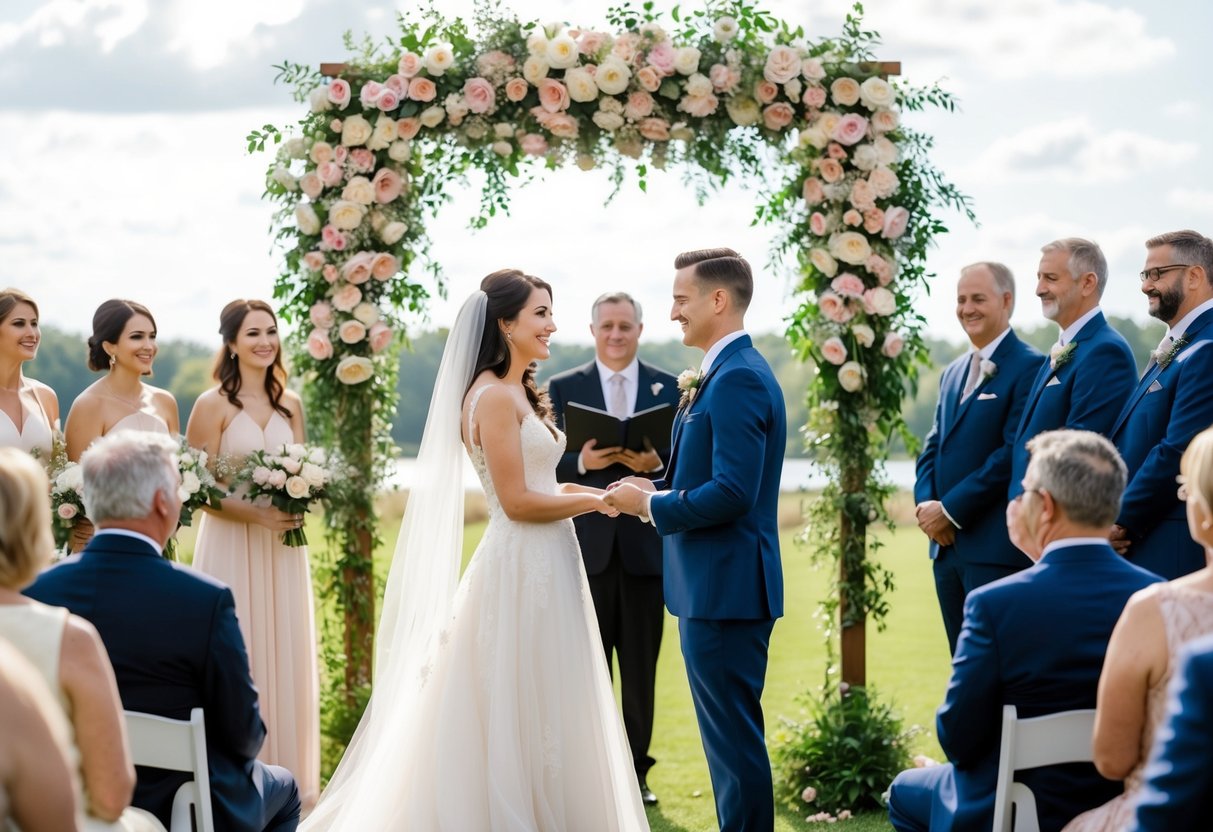
Exploring the various types of wedding ceremonies can help you decide what feels right for you and your partner. Whether you lean towards a traditional religious setting or something more modern and secular, understanding your options will make your big day even more special. You can also consider factors like family traditions and personal beliefs to guide your choice.
Types of Wedding Ceremonies
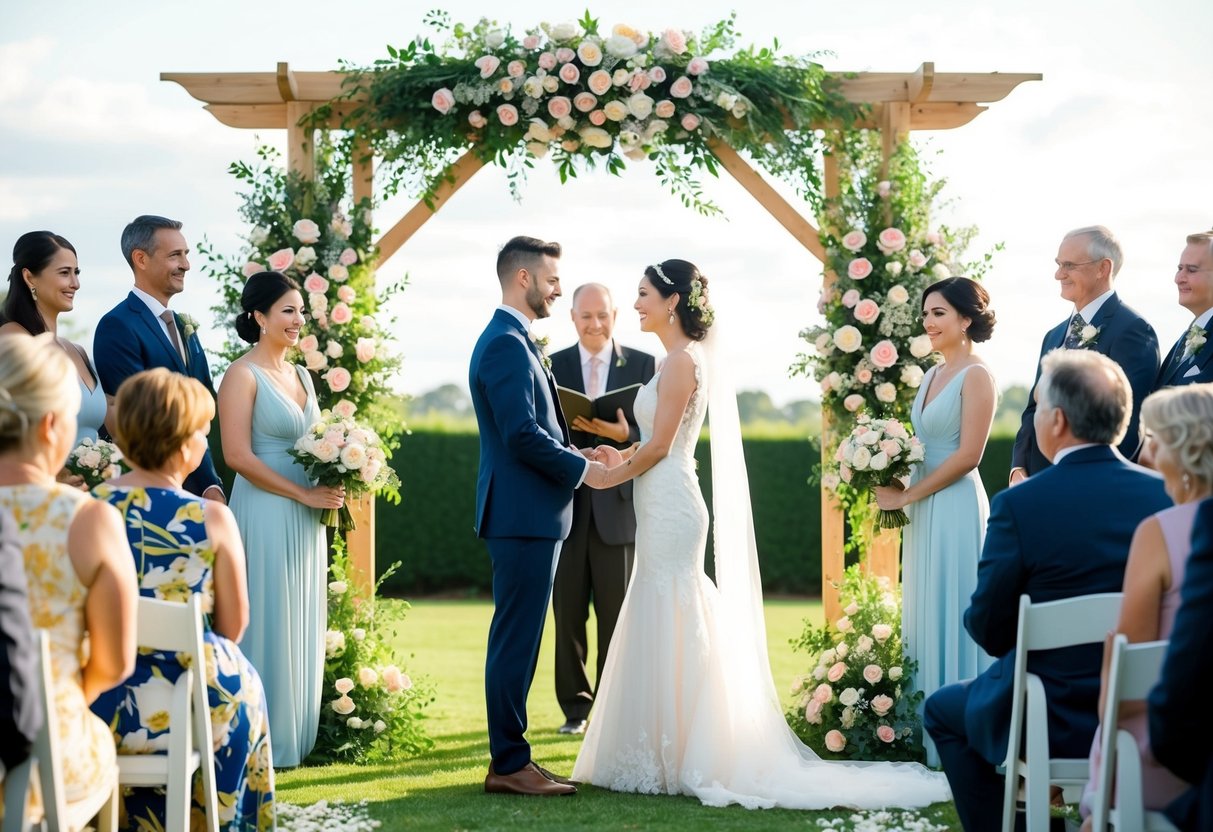
When planning your wedding, you will encounter various types of ceremonies. Each type has its unique features, catering to different preferences. Here’s a closer look at some popular options.
Traditional Wedding Ceremonies
Traditional wedding ceremonies are often formal and follow cultural customs. These ceremonies usually emphasize rituals that have been passed down through generations. Common elements may include a processional, exchange of vows, and a ring ceremony.
You might also find readings or songs that hold special meaning for you and your family. If you want to celebrate cultural heritage, including family traditions can make your day more meaningful. Many couples choose a traditional wedding to create a timeless experience.
Civil Wedding Ceremonies
Civil wedding ceremonies are legal marriages performed by a government official, such as a judge or a mayor. These ceremonies usually take place in a courthouse or city hall. Because of this simplicity, they are often quick and less expensive than traditional ceremonies.
You will still exchange vows and rings, but the focus is more on the legal aspect rather than religious or cultural elements. This type of ceremony allows you to personalize your vows and can be an excellent option for couples looking for something straightforward yet meaningful.
Religious Wedding Ceremonies
Religious wedding ceremonies involve faith-based traditions and practices. These ceremonies are often rich with symbolism and rituals important to the couple’s beliefs. Many religions have specific requirements for their weddings, including religious officiants and certain vows.
If you follow a specific faith, incorporating those beliefs into your ceremony can deepen the connection you and your partner share. Whether you’re considering a Christian, Jewish, Islamic, or any other type of religious ceremony, honoring your faith can make your wedding day truly special.
Destination Wedding Ceremonies
Destination wedding ceremonies are held in unique locations away from home. Popular spots include beaches, mountains, or historic cities. These weddings often combine travel with the celebration, making them exciting for both you and your guests.
Planning a destination wedding can be a bit more complex, as it involves coordinating travel and accommodations. However, the stunning backdrops and intimate settings can create unforgettable memories. This option is perfect if you want a more adventurous and visually stunning wedding day.
Elopement and Micro Weddings
Elopement and micro weddings focus on intimacy and simplicity. Elopements usually involve just the couple, while micro weddings can include a small group of close family and friends. Both types typically have fewer formalities, allowing more freedom for personal expression.
With an elopement, you can choose a breathtaking location and avoid the stress of a large wedding. Micro weddings allow you to celebrate with a small number of loved ones, often creating a cozy and loving atmosphere. This type of ceremony can be less expensive, making it appealing for many couples.
Key Elements of the Wedding Ceremony
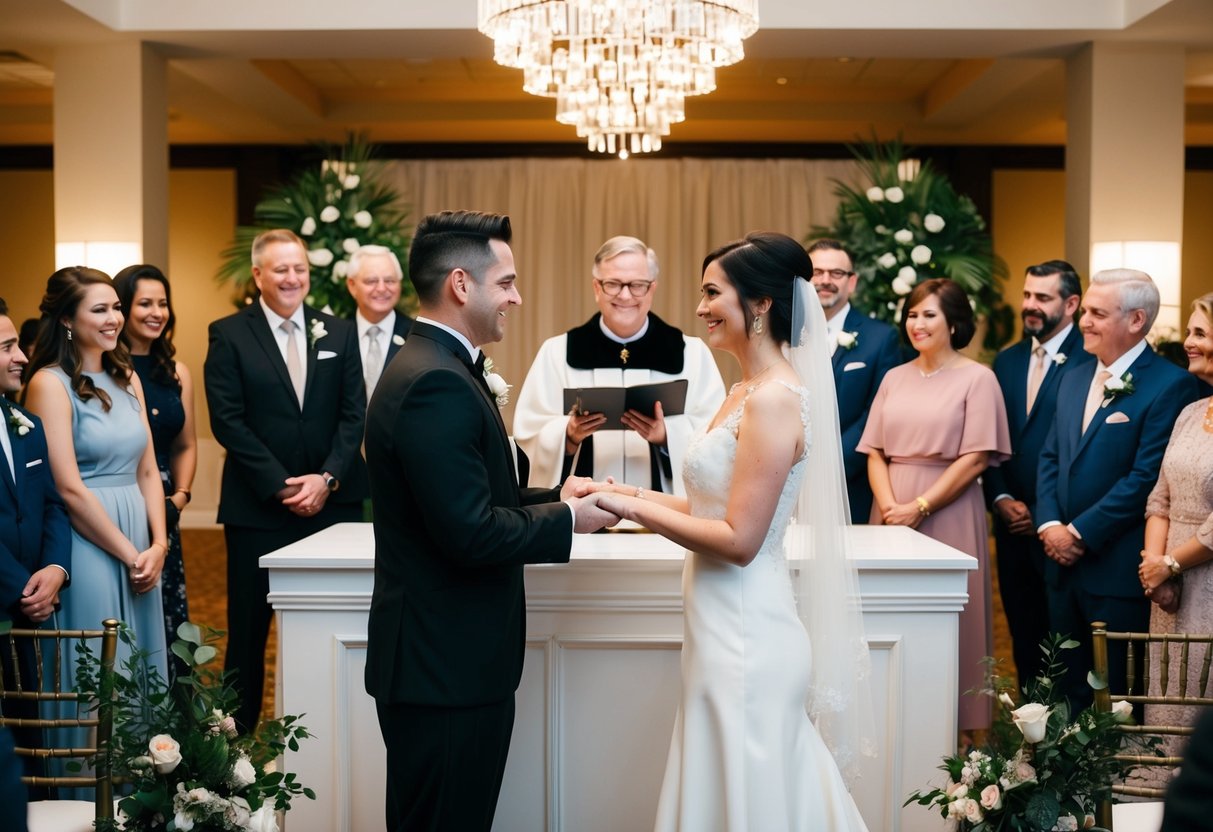
In any wedding ceremony, several key components come together to create a meaningful experience. Understanding these elements can help you plan an event that resonates with you and your guests.
The Role of the Officiant
The officiant is a crucial part of your wedding ceremony. This person leads the event, guiding you and your guests through each step.
You can choose a religious leader, such as a priest or minister, or a civil officiant, like a judge or justice of the peace. Your choice will depend on your personal beliefs and the style of your wedding.
The officiant will often begin with a welcome message and may share a few words about love and commitment. They will then lead you through the exchange of marriage vows, where you declare your love for each other. This role is vital for creating a warm atmosphere and ensuring that everything flows smoothly.
Marriage Licenses and Legal Documentation
Before the ceremony, you must obtain a marriage license. This legal document is required to make your marriage official.
The process and requirements for getting a marriage license can vary by state or country, so check your local laws well in advance.
Typically, you’ll need to provide identification and sometimes proof of residency. It’s also important to know that some jurisdictions require a waiting period after applying for the license.
On the wedding day, the officiant usually signs the license along with you and your witnesses. This step finalizes your marriage legally, adding significance to the ceremony.
Traditional Rituals and Customs
Wedding customs and rituals can add a personal touch to your ceremony. While not every couple includes them, many choose various traditions that resonate with their cultural or family backgrounds.
For example, you might include a sand ceremony, where each partner pours sand into one container to symbolize your unity. Another popular option is the exchange of wedding rings, which signifies your commitment.
Don’t forget about the exchange of marriage vows, where you each speak heartfelt promises to one another. This moment is often one of the most emotional parts of the ceremony.
By incorporating traditions that matter to you, you create a unique experience that reflects your love story.
Special Types of Ceremonies

Weddings can take on many forms to honor diverse values and backgrounds. Some special types of ceremonies include same-sex weddings, interfaith ceremonies, military weddings, and humanist or non-religious ceremonies. Each of these options has unique characteristics and requirements that reflect the couple’s beliefs and situations.
Same-Sex Weddings
Same-sex weddings celebrate the love and commitment between partners of the same gender. These ceremonies can be as traditional or as unique as the couple desires. Depending on your location, you may need to check the legal requirements for marriage.
Feel free to include personal touches like readings, music, or rituals that hold significance for you and your partner. Many couples choose to incorporate elements that represent their journey together.
Same-sex weddings can take place in various venues, including churches, outdoor spaces, or even private homes. Whatever style you choose, the focus is on love and equality, creating a heartfelt moment for everyone involved.
Interfaith Ceremonies
Interfaith ceremonies bring together partners from different religious backgrounds. These weddings aim to respect and honor both traditions, often blending elements from each faith.
As you plan, consider incorporating symbols, rituals, or readings from both religions. This can help create unity and understanding in your ceremony.
Choosing an officiant who is comfortable navigating both faiths can make the process smoother. Couples may opt for unique touches like lighting candles representing each faith or including blessing prayers. This type of ceremony fosters inclusion and respect for diverse beliefs.
Military Weddings
Military weddings often have distinct features, celebrating the service and commitment of military personnel. If you or your partner are in the armed forces, you might want to incorporate military traditions into your ceremony.
Common elements include wearing uniforms, the “Arch of Sabers,” or a military blessing. These ceremonies often take place at military venues, but you can also choose other locations that hold special meaning.
Symbolism is vital in military weddings; they may incorporate items like a bridal bouquet of military colors or a special flag display. Make your day memorable by blending personal touches with military pride.
Humanist and Non-Religious Ceremonies
Humanist and non-religious ceremonies focus on the couple’s love and commitment without religious elements. You have the freedom to design a ceremony that reflects your shared values and beliefs.
These weddings often include personal vows, readings, and music that speak to your relationship. You can choose an officiant who aligns with your non-religious beliefs to create a meaningful experience.
The setting can vary widely, from picturesque outdoor locations to urban venues. Emphasizing personal stories and experiences allows for a unique ceremony that truly celebrates your partnership. There are no rigid rules, so you can create a day that feels authentic and special to you.
The Wedding Reception
The reception is a time for celebration and fun after the ceremony. Start by deciding what kind of atmosphere you want to create. Do you prefer a sit-down dinner, buffet, or cocktail-style reception?
Next, think about entertainment. Will you hire a DJ, a live band, or create a playlist? Music plays a big role in setting the mood for your celebration.
Consider the layout of the reception. Think about where guests will sit, dance, and enjoy food. Talk to your venue about how best to arrange the space.
Finally, don’t forget about food and drinks! Choose catering that suits your taste and fits within your budget.
Taking the time to focus on these key aspects can help ensure your wedding day is memorable and enjoyable.