
What is the Most Common Wedding Dress Colour? Exploring Classic Shades and Trends
Choosing your wedding dress can be one of the most exciting parts of planning your big day. As you think about styles and designs, color will play a significant role. The most common wedding dress color is white, but shades like ivory and champagne are also very popular among modern brides. These classic hues offer a timeless elegance that many couples seek for their celebrations.
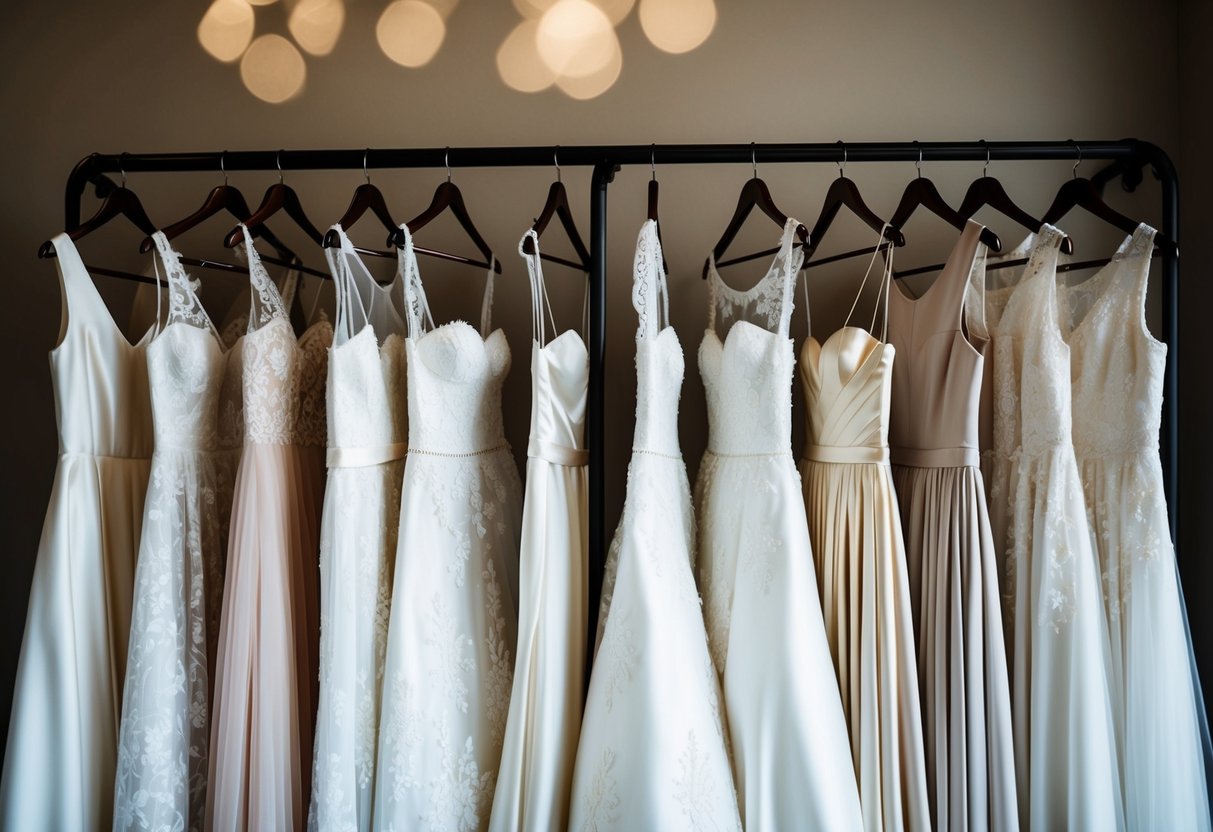
In addition to white, many brides are exploring a variety of colors to express their personal style. Soft pastels and even bolder colors are gaining popularity. Each color can carry different meanings and set the tone for your wedding, making the choice even more special.
Whether you prefer a traditional look or want to stand out with a unique color, understanding the trends in wedding dress colors can help you make the best choice for your special day.
With so many options available, you are sure to find a hue that feels just right for you.
Historical Significance of Traditional Wedding Dress Colors
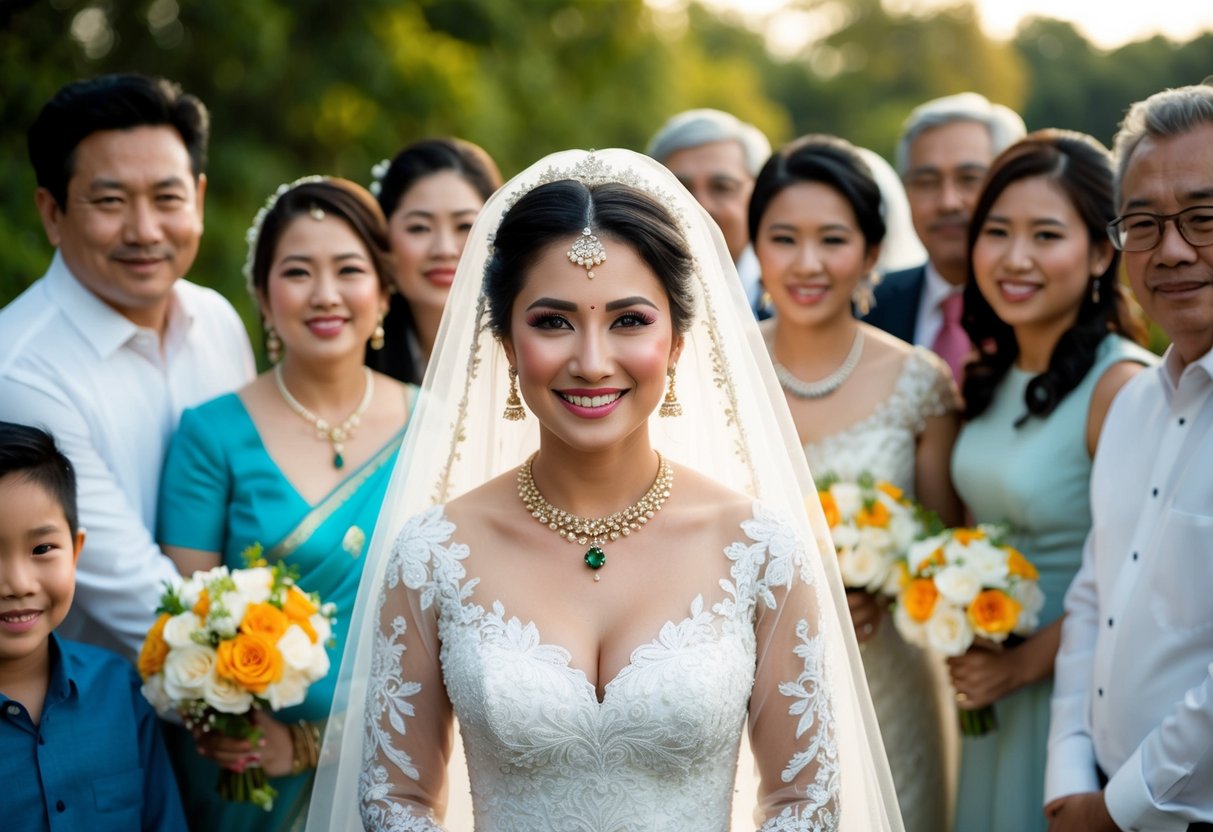
Understanding the historical significance of wedding dress colors can help you appreciate the choices you make for your special day. Each color carries its own meanings and traditions, rooted in cultural practices and personal beliefs.
White Wedding Dress Origins
The white wedding dress is often seen as a symbol of purity and innocence. This tradition became popular in 1840 when Queen Victoria wore a pure white gown for her marriage to Prince Albert. Before then, brides wore dresses of various colors, often choosing something they could wear again.
The white dress quickly transformed into a classic icon of weddings worldwide. Its meaning as a representation of new beginnings and joyful celebration continues to influence modern weddings. Many brides still choose white, finding comfort in its traditional significance.
Cultural Implications of Color Choices
Different cultures showcase various colors in wedding dresses, each with its own meaning. In the West, the white dress symbolizes purity. Yet, in many Eastern cultures, colors like red are favored. Red often symbolizes good luck, joy, and fertility.
For instance, in South Sudan and Singapore, red is a traditional choice for brides. In Japan, the white kimono worn during ceremonies represents both purity and mourning. This rich variety of symbolism shows how wedding dress colors can reflect personal and cultural identities.
Exploring these differences allows you to make a choice that feels right for you, respecting tradition while reflecting your own style.
Modern Trends in Wedding Dress Colors
Wedding dress colors are evolving beyond traditional shades. Many brides are now exploring unique options that fit their personal style and wedding themes. This shift includes the rise of colored wedding dresses and ways to express individuality.
Rise of Colored Wedding Dresses
In recent years, there has been a significant rise in the popularity of colored wedding dresses. While classic ivory and champagne remain top choices, brides are showing interest in vibrant colors like blue, pink, and green.
A black wedding dress, once seen as unconventional, is now celebrated for its elegance and drama. These colored options allow you to break away from tradition and choose a dress that truly reflects your personality. Whether you opt for a deep emerald or a playful pastel, colored dresses can create a stunning visual impact.
Incorporating Personal Style and Theme
Today’s brides are incorporating personal style and theme into their wedding attire. Choosing a gown that matches your wedding’s color scheme or theme can enhance the overall celebration.
For example, a romantic garden wedding may benefit from a soft blush or a lavender dress, while a modern urban setting might call for striking hues like burgundy or royal blue. Accessorizing with complementary tones can further personalize your look.
Ultimately, modern trends encourage you to express yourself. Whether sticking with classic shades or daring to wear bolder hues, your wedding dress can tell your unique story.
Choosing the Right Color for Your Skin Tone
Choosing the perfect wedding dress color is essential for enhancing your natural beauty. The right color can highlight your features and make you look radiant on your special day. Understanding your undertones and selecting complementary colors for your complexion will help you in this important decision.
Understanding Undertones
Your skin’s undertone plays a big role in determining which dress color looks best on you. There are three main types: warm, cool, and neutral.
- Warm Undertones: You may have warm undertones if your skin has golden or yellow hues. Colors like ivory, champagne, and gold will flatter your skin beautifully.
- Cool Undertones: If your skin appears pink or bluish, you likely have cool undertones. In this case, shades like blush, misty mauve, and light blue can enhance your natural glow.
- Neutral Undertones: If you can’t easily categorize your skin, you might be neutral. Most shades, including off-white and mocha, will look stunning on you.
Identifying your undertones can significantly guide your color choices.
Complementary Colors for Different Complexions
Once you know your undertone, it’s easier to pick complementary colors that suit your complexion.
- Fair Skin: Warm shades like blush and soft ivory work beautifully. For a striking look, try light blue.
- Medium Skin: Richer hues like champagne and mocha provide a lovely contrast. Off-white can also look elegant and timeless.
- Dark Skin: Jewel tones and deep colors enhance dark complexions. Try gold or bold shades to make a statement.
When you choose a dress color, consider how it interacts with your overall look. Think about makeup and accessories as well, since they will all contribute to your outfit’s final appearance.
Importance of Fabric and Colorways in Dress Selection
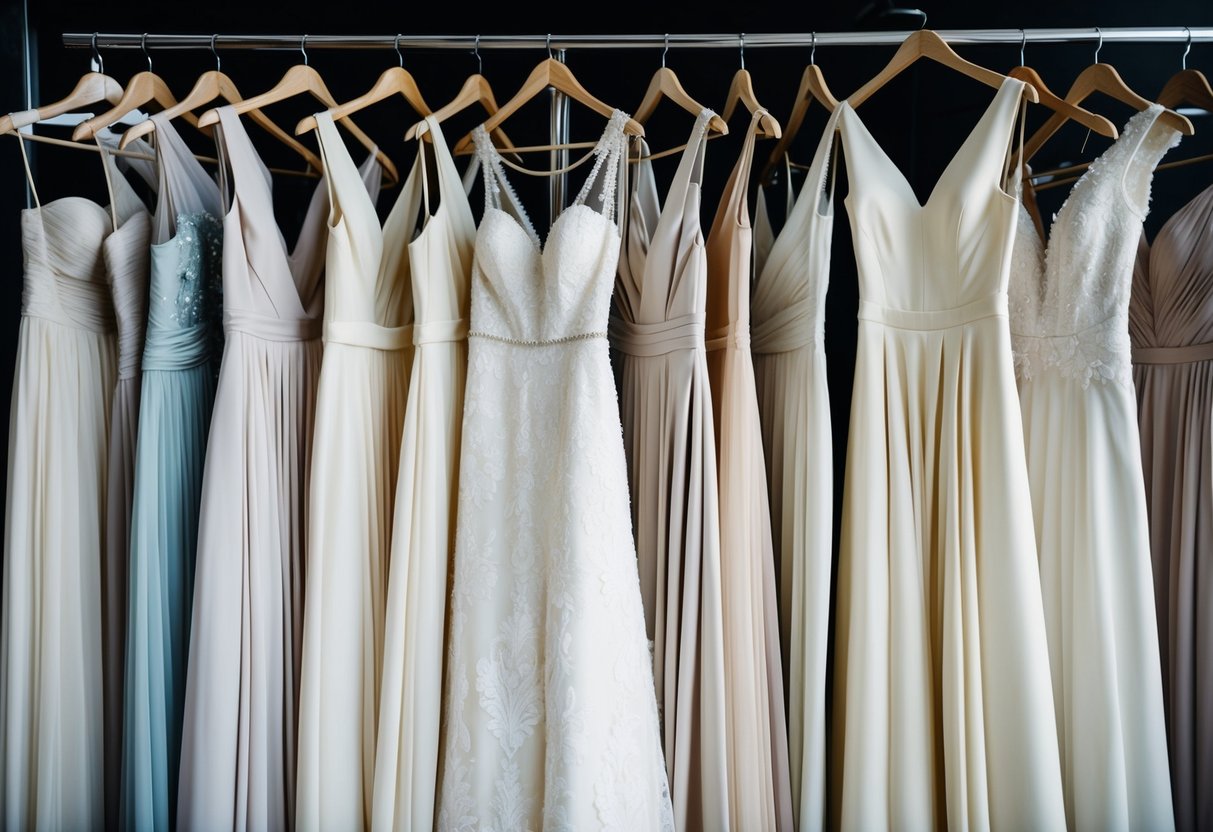
Choosing the right fabric and color for your wedding dress is crucial. It can enhance your overall look and make you feel confident on your special day. Understanding how fabric choices and colorways affect your gown will help you make an informed decision.
Evaluating Fabric Choices
When selecting your wedding gown, fabric plays a vital role in both comfort and appearance. Common options include satin, lace, chiffon, and organza.
Satin offers a luxurious feel and a beautiful drape, while lace adds intricate details, making it perfect for romantic styles.
Consider the season and venue when choosing fabric. For instance, lighter fabrics like chiffon are ideal for summer weddings, while heavier materials may suit winter settings.
Also, think about the gown’s silhouette and how the fabric will move with you. Breathable fabrics can keep you comfortable throughout the day, especially during outdoor ceremonies.
Impact of Lighting on Dress Color
The color of your wedding dress can appear different under various lighting conditions.
For example, diamond white and off-white wedding dresses may look stark or soft depending on the venue’s lighting.
Natural light can make white shades look brighter, while indoor lighting may give them a warmer tone.
It’s essential to consider how the color will photograph as well.
Some hues can appear washed out in pictures, while others might pop beautifully.
Test your gown in different lighting before making a final choice to ensure it looks stunning from every angle.