
What is the Most Common Wedding Ring for a Man? Exploring Popular Styles and Options
When picking out a wedding ring, you need to know what size to get. The most common wedding ring size for men is a size 10, which translates to about 19.8 millimeters in diameter. This information can help you understand what might work best for you or your partner.
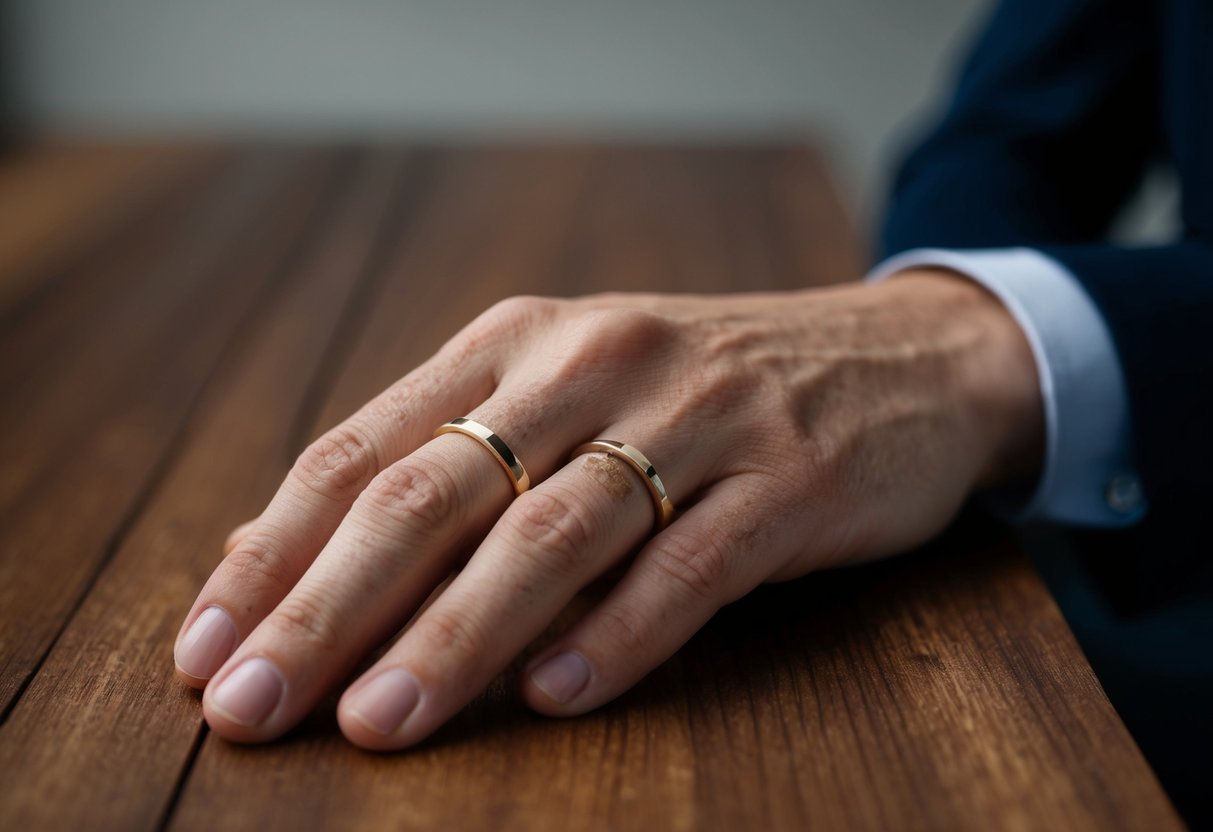
Men’s ring sizes can vary quite a bit, ranging from size 6 to size 20. When choosing a ring, remember that comfort is key. A well-fitting wedding ring not only looks great but also feels good to wear every day.
Before making a purchase, make sure to measure the size accurately or consult with a professional. Knowing the average ring size for men can guide your decision and make the ring-buying process smoother and more enjoyable. Happy ring shopping!
Understanding Ring Sizes for Men
Getting the right ring size is crucial for comfort and security. Knowing how to measure and interpret ring sizes will help ensure you select the perfect fit. Let’s explore the basics of ring sizing, how to measure correctly, and the use of size charts.
The Basics of Ring Sizing
Ring sizes also refer to the inside circumference of the band. Knowing your size means knowing both the measurement and common sizes. The average ring size for men typically ranges from 8 to 14.
While size 10 is quite common, it varies by personal preference and finger shape. Remember, factors like knuckle size matter. If your knuckle is larger than the base of your finger, you might need a larger size.
Also, keep in mind that wider bands often feel tighter, so if you choose one, be prepared to size up.
How to Measure Your Ring Size
Measuring your finger for ring size is simple and can be done at home. You will need a piece of string or paper and a ruler.
- Wrap the string around your finger where you want the ring to sit.
- Mark the point where the string overlaps.
- Measure the length in millimeters.
This length is your ring circumference. You can also visit a jeweler for a more accurate fit, which is recommended if you want assurance on your size.
Just remember that finger sizes can fluctuate. Avoid measuring when your fingers are cold or swollen. It’s best to measure at the end of the day when your fingers are warm.
Ring Size Charts and Their Use
Ring size charts are handy tools that translate your measurements into actual ring sizes. You can find many online, which allow you to see the common ring sizes from 4 to 20.
Using these charts can help simplify your shopping experience. Once you know your inside circumference, locate it on the chart to find the corresponding size.
Different countries may have different sizing systems, so make sure to use the chart appropriate for your region. Understanding these details ensures you can easily select the right size, avoiding the hassle of returns or exchanges.
Popular Wedding Ring Styles for Men
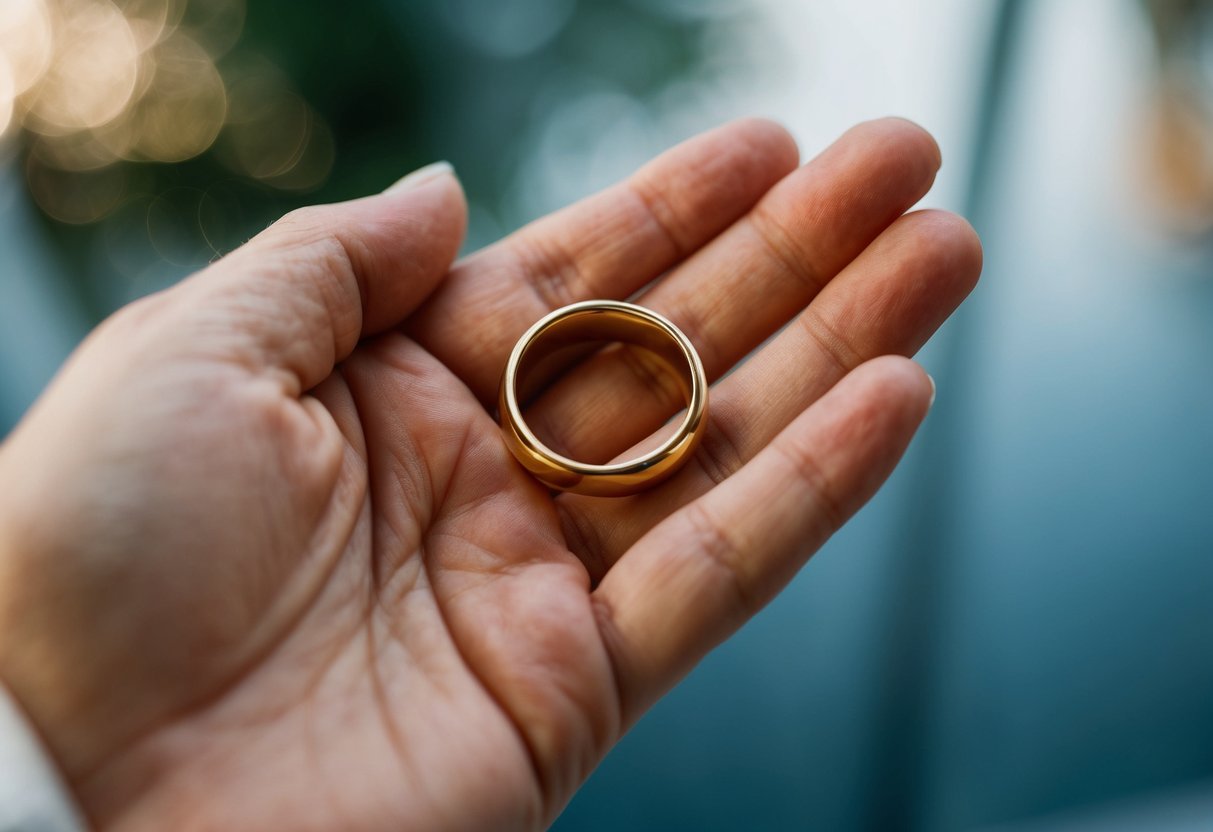
When choosing a wedding ring, style plays a big role. The materials, widths, and shapes of bands can all influence your decision. Each detail can help make your ring unique and special to you.
Wedding Band Materials
When it comes to wedding bands, the material is crucial. Popular options include gold, platinum, tungsten, and titanium.
- Gold is classic, coming in yellow, white, and rose variations.
- Platinum is known for its durability and hypoallergenic properties.
- Tungsten is more affordable, scratch-resistant, and great for a modern look.
- Titanium is lightweight and strong, appealing for an active lifestyle.
Consider your day-to-day activities when choosing a material to ensure your ring stays in great shape.
Wedding Band Widths
Ring width can change the look and feel of your wedding band.
- Standard widths usually range from 4mm to 8mm.
- A thin band (around 4-5mm) offers a delicate look that’s elegant and understated.
- A wider band (6mm and above) makes a bold statement and is often chosen for its visibility.
Your choice may depend on personal style, comfort, and how it feels on your hand. Trying on different widths can help find the perfect fit for you.
Ring Shapes and Contours
The shape and contour of your wedding band affect comfort and appearance.
- Flat bands have a simple, modern style, while rounded bands offer a softer look.
- A concave shape can add depth and uniqueness.
Choosing between these styles may depend on how you want your ring to look alongside others, like watches. Each shape can affect how your ring fits with your everyday accessories.
Choosing the Right Wedding Ring
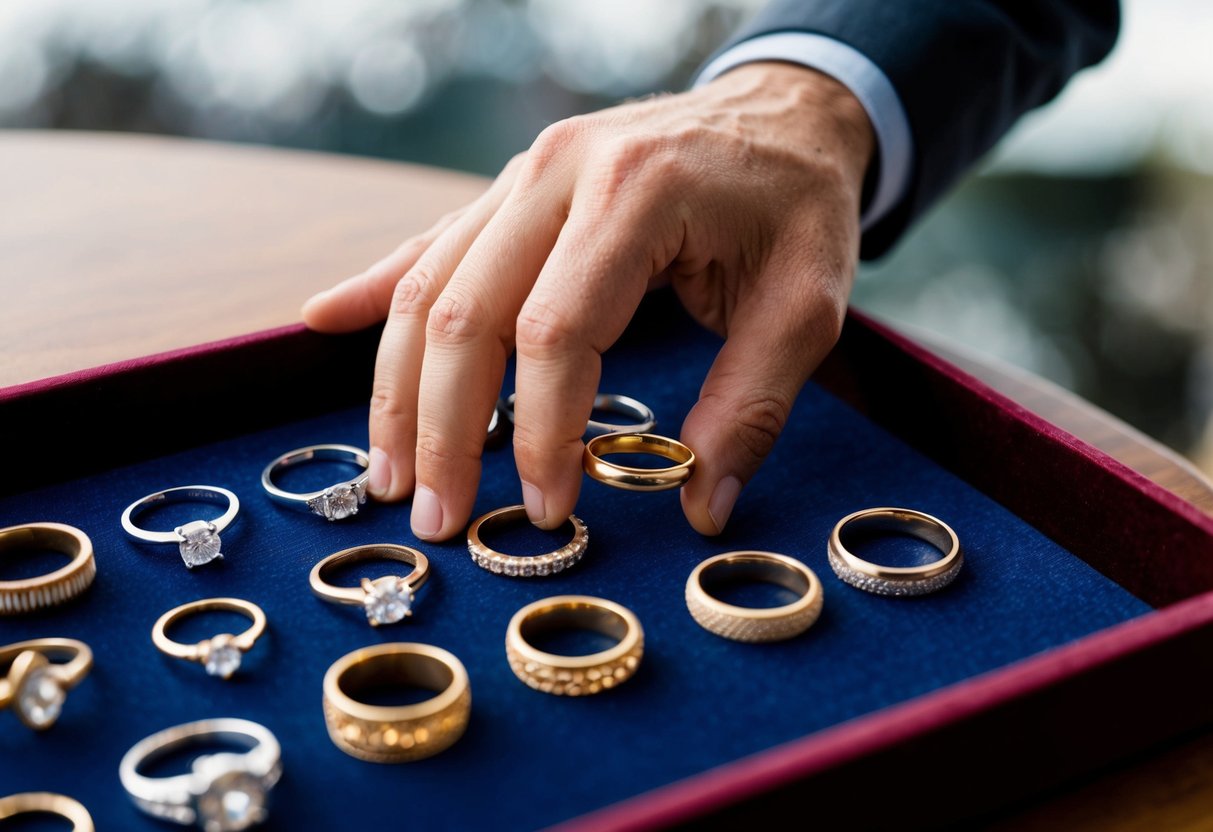
Choosing the right wedding ring involves balancing comfort, personal style, and the right fit. This decision is important, as you’ll likely wear this ring every day.
Comfort and Lifestyle Considerations
When selecting a wedding ring, comfort should be your top priority. Consider how your daily activities might affect your choice. If you work with your hands often, a low-profile ring might be best.
Materials play a role in comfort too. For example, metals like tungsten are durable and scratch-resistant, making them ideal for active lifestyles. If you prefer something softer, gold can be a good choice, but keep in mind it may get scratched.
Make sure to think about how your ring feels. It’s best to try on rings in various styles to find what suits your lifestyle.
Aesthetic Preferences
Your wedding ring should reflect your personal style. Start by considering the metal type. Common choices include gold, platinum, and titanium. Each offers a different look and feel.
Do you prefer a classic design or something more unique? Some men opt for simple bands, while others choose rings with intricate details. You can even personalize your ring with engravings or mixed materials.
It’s also wise to think about how your wedding band will pair with your engagement ring. Make sure the styles complement each other.
Wedding Ring Size Adjustments
Getting the right size is crucial for comfort and security. To find your ring size, measure your finger at the end of the day when it’s likely to be the largest.
If you already have an engagement ring, you can use its size as a guide. Keep in mind your finger may change size due to heat or weight fluctuations.
If adjustments are needed, most jewelers can resize your ring. It’s wise to check with them about resizing policies before purchasing. Aim for a snug fit that allows easy movement, but not so tight that it hurts.
Factors Influencing Ring Size for Men
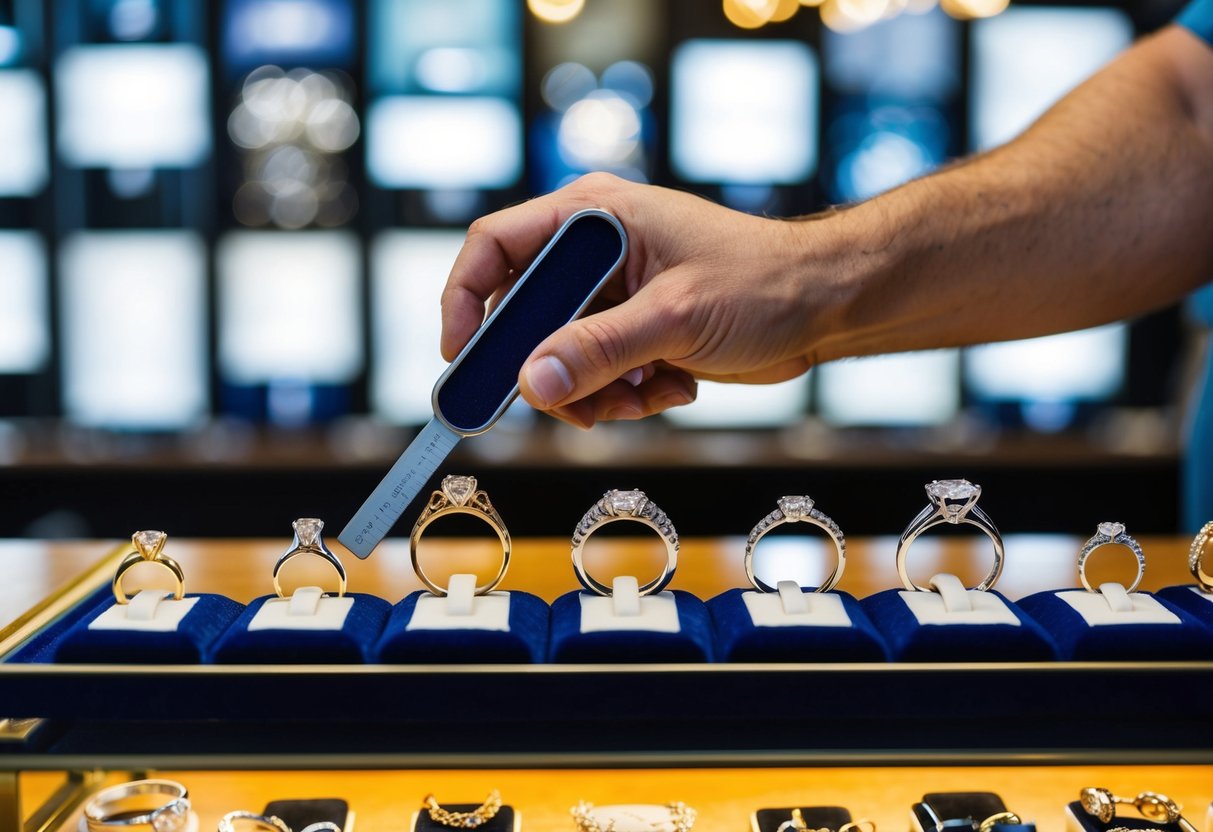
When choosing the right wedding ring size, specific factors play a crucial role. Understanding how age and physical changes, as well as weight fluctuations, affect sizing can help ensure a proper fit.
The Impact of Age and Physical Changes
As you age, your body can undergo various physical changes, influencing your ring size. Typically, men may experience changes in finger size due to weight gain or loss, swelling, or even arthritis.
Key Age-Related Changes:
- Finger Size Variation: Your fingers might be slimmer during your younger years, but they can thicken with time.
- Joint Changes: Swelling in your hands could be more common as you age, impacting how a ring fits.
It’s helpful to measure your ring size periodically, especially if you notice any physical changes.
Understanding Weight Fluctuations
Weight can significantly impact your ring size. If you gain or lose weight, your fingers can also change size.
Considerations for Weight:
- Weight Gain: Gaining weight can make your fingers swell or become thicker, so you might need a larger ring size.
- Weight Loss: Losing weight typically results in slimmer fingers, so you might need a smaller size.
To ensure comfort with your wedding band, consider your average height and weight. Also, think about any changes you might anticipate over time. Keeping these factors in mind will help you choose a ring that fits perfectly for years to come.