
What Is the Most Common Wedding Vow? Understanding Traditional Promises in Marriage
When it comes to wedding ceremonies, vows hold great significance as they represent your promises and commitment to your partner. The most common wedding vow expresses a deep commitment: “I take you to have and to hold, from this day forward, for better or worse, in sickness and in health, ’til death do us part.” This phrase captures the essence of love and dedication that you will share throughout your lives together.
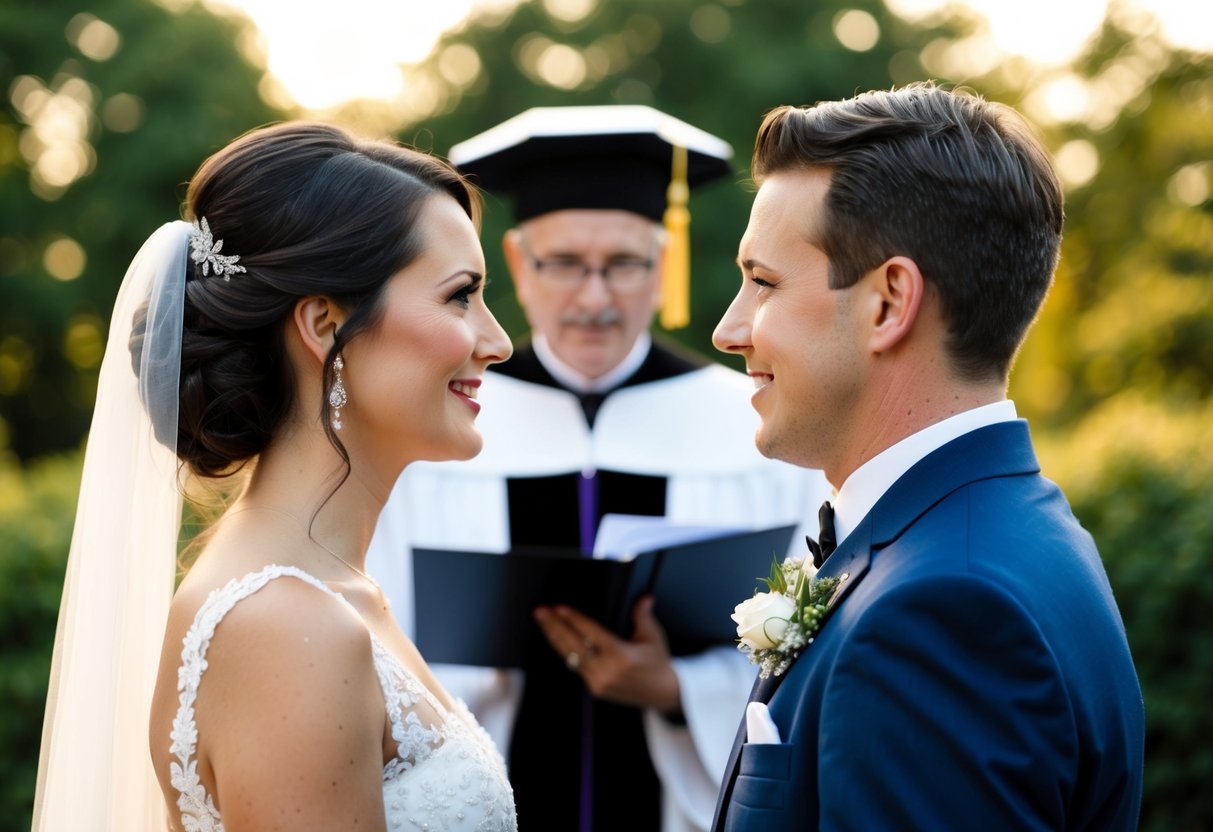
Understanding the meaning behind this traditional vow can help you appreciate its importance. It highlights a lifelong commitment to supporting one another, no matter the circumstances that arise.
As you stand before friends and family, these words create a meaningful moment that marks the beginning of your journey in marriage.
Exploring different wedding vows can inspire you to create personal promises that reflect your unique relationship. You might choose to include elements that resonate with your love story, making your ceremony even more special.
By considering the most common wedding vow, you can honor tradition while adding your own touch to this important part of your wedding day.
Historical and Cultural Origins of Wedding Vows
Wedding vows have deep roots in various cultures and religions. These promises often reflect the values and beliefs of the society you belong to. Understanding their historical and cultural origins gives you insight into why these vows matter today.
Traditional Wedding Vows Across Cultures
Different cultures have unique wedding vows that highlight their beliefs. For example, Jewish wedding vows often include the Seven Blessings, which celebrate love and partnership. In Hindu weddings, a couple takes part in Saptapadi, or the Seven Steps, which symbolizes their commitment to each other.
In contrast, traditional Christian wedding vows often emphasize faithfulness and love for life. Meanwhile, Catholic wedding vows may explicitly mention the intention to have children, while Buddhist wedding vows focus on mutual respect and understanding, emphasizing peace in the relationship.
These variations show how vows are tailored to fit the couple’s cultural and personal beliefs.
Religious Influences on Marriage Vows
Religious teachings greatly shape wedding vows. In many Christian traditions, vows are grounded in biblical principles, often expressing lifelong devotion. Catholic wedding vows may also include the phrase “to love and to cherish,” reflecting the sacramental nature of marriage.
In Jewish ceremonies, vows invoke the sacred connection between partners. Meanwhile, in Islam, marriage is viewed as a contract, and the vows emphasize loyalty and the responsibilities of each partner.
Understanding these religious influences helps you appreciate the significance of the vows you might choose for your wedding. Each perspective contributes to the rich tapestry of marriage vows across cultures, showing the diverse ways love is celebrated and committed.
Modern Interpretations and Variations
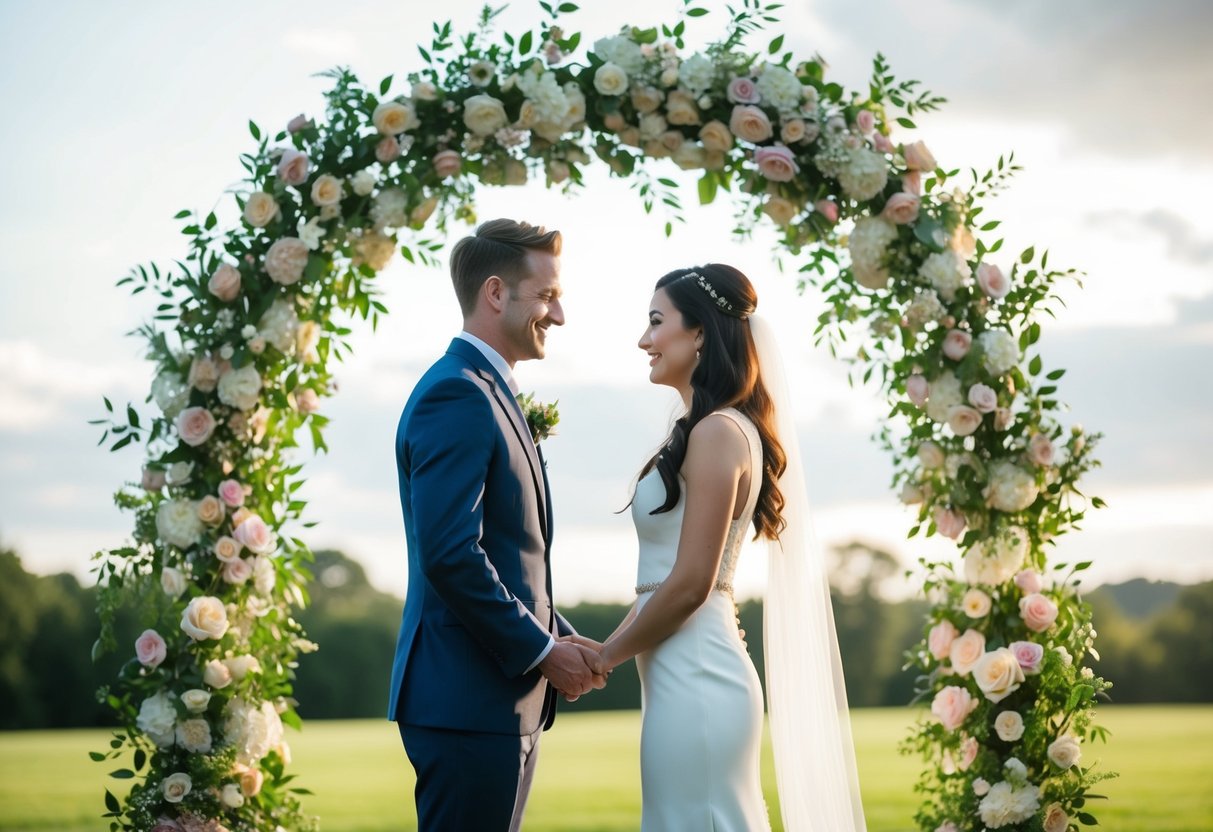
Modern wedding vows offer couples the chance to express their love in unique and meaningful ways. You can personalize your vows to reflect your relationship and dreams for the future. Below are key ideas to help you craft your personal vows.
Personalizing Your Wedding Vows
Personalizing your wedding vows can make them truly special. Think about your love story, funniest moments, or what you love most about your partner. This helps create a heartfelt vow that is all yours.
Consider these elements for inspiration:
- Anecdotes: Include a short story that captures a special moment.
- Promises: List promises that matter to you both, like support, adventure, and love.
- Humor: Funny wedding vows can lighten the mood and make your guests smile. A well-placed joke about inside jokes can make your vows memorable.
By focusing on what resonates with both of you, your vows will become a beautiful reflection of your bond.
Alternative Wedding Vow Examples
You have many options when it comes to writing your own vows. Modern interpretations have broadened what vows can look like. Here are a few examples to inspire you:
-
Simple Wedding Vows:
“I promise to love you every day, in good times and bad.” -
Unique Wedding Vows:
“I vow to explore the world with you, hand in hand, no matter where life takes us.” -
Funny Wedding Vows:
“I promise to always let you have the last slice of pizza, even if I really want it.” -
Heartfelt Wedding Vows:
“With you, I feel safe and loved; I vow to build a life full of laughter and joy.”
These examples can guide you in finding your voice and making your vows uniquely yours.
The Role of Vows in the Wedding Ceremony
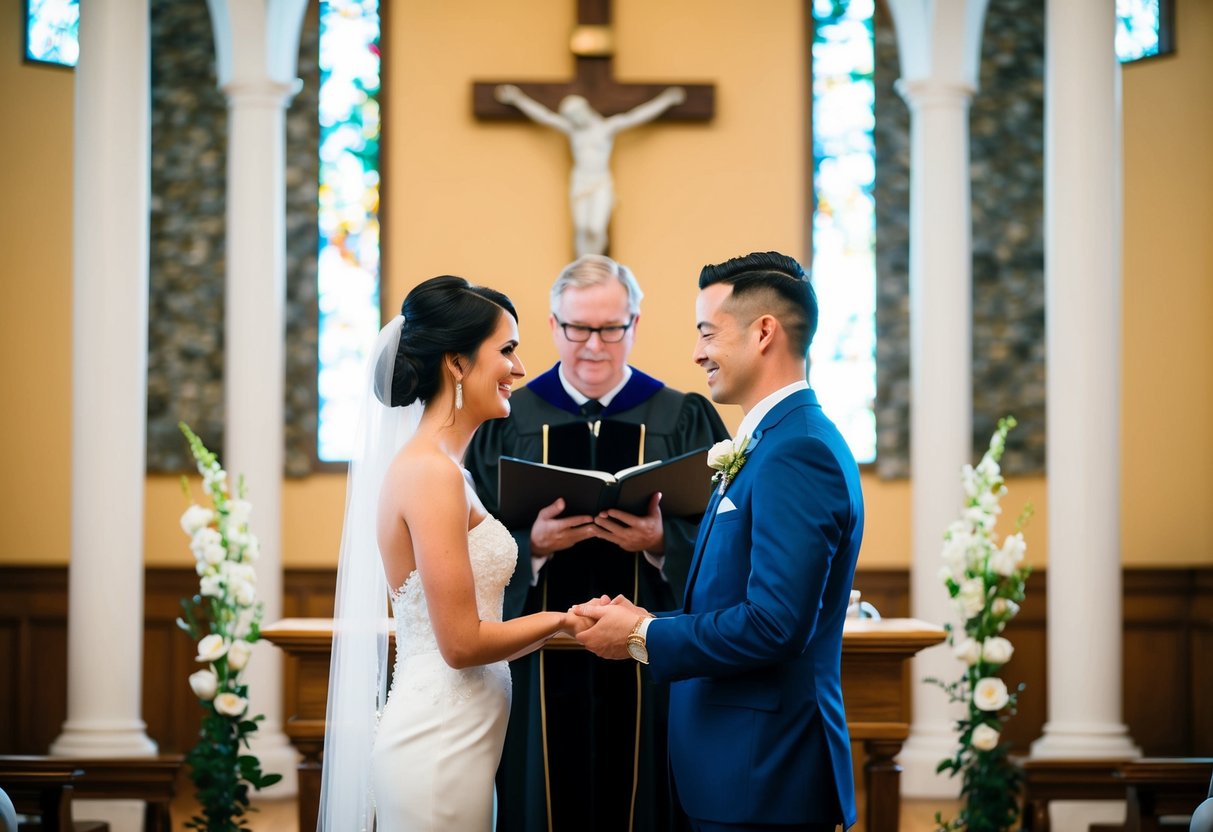
Vows are central to any wedding ceremony, representing the commitment you make to your partner. They highlight the values of unity and partnership while often being integrated with other rituals like ring exchanges and handfasting.
Symbolism of the Vow Exchange
The exchange of vows is a powerful moment in your ceremony. It serves as a public declaration of your love and promises.
When you speak your vows, you express your commitment to stand by each other no matter the circumstances.
This part of the ceremony typically includes significant phrases that outline your intentions. Words like “for better or worse” emphasize the unity you’ve chosen.
By sharing your vows in front of friends and family, you invite your loved ones to witness your commitment. This act solidifies your bond as a couple, creating a shared understanding of your partnership.
Integrating Vows with Ceremony Rituals
In many ceremonies, your vows are woven into various rituals that enhance their meaning. For example, during a ring exchange, the vows reinforce the significance of the rings as symbols of your everlasting commitment.
Each ring represents a cycle of love without end.
Another common ritual is the handfasting ceremony, where your hands are tied together. This symbolizes your partnership and unity.
You may recite your vows while being handfasted, linking your promises to the physical act of bonding.
Integrating these rituals helps deepen the emotional impact of your vows. Together, they create a memorable, meaningful experience as you begin your journey as partners in life.