
What is the Most Effective Seating Arrangement? Tips for Enhancing Collaboration and Comfort
Choosing the right seating arrangement can make a significant difference in your classroom. The most effective seating arrangement promotes student engagement and complements your teaching style, creating an inviting learning environment. Whether you prefer traditional rows or more interactive group settings, the layout can influence how well your students connect with the material and each other.
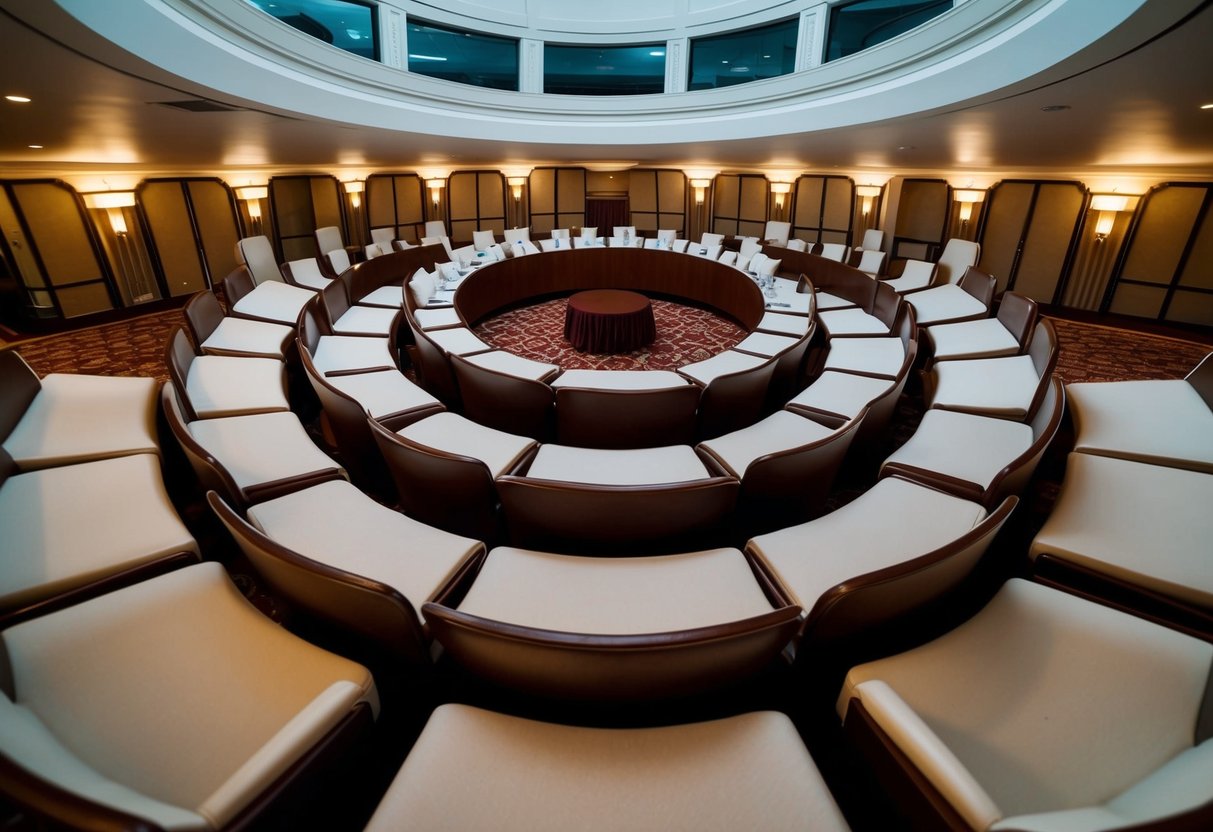
Think about how students will interact during lessons. A layout that encourages discussion and collaboration can enhance understanding and retention.
For example, arrangements like pairs or small groups allow students to work together, fostering teamwork and deeper learning. This can lead to a more dynamic classroom atmosphere where everyone feels involved.
Consider your teaching goals and the subject matter when selecting a layout. Your approach to teaching will guide your choice, whether it’s a setup aimed at fostering independent work or one designed for group activities. By aligning the seating arrangement with your educational objectives, you help create a supportive environment where all students can thrive.
Understanding Classroom Layouts and Seating Arrangements
Classroom layouts play a vital role in how students engage and learn. Different seating arrangements can affect collaboration, focus, and classroom management. Here’s a closer look at how design impacts learning and common types of seating arrangements.
The Impact of Classroom Design on Learning
The way you arrange your classroom can significantly influence student behavior and learning. For instance, traditional rows often promote individual work but can limit interaction. This setup may help with direct instruction, but it can make group work challenging.
In contrast, using a u-shape arrangement encourages discussion and participation. It allows everyone to see each other, making it easier to share ideas. Classroom designs that support movement and collaboration can lead to deeper understanding and better retention of material.
Thinking about how your layout affects learning is essential for effective classroom management. The right design can motivate students and create a positive learning environment.
Types of Seating Arrangements
There are several effective seating arrangements to consider. Each serves different purposes and can enhance learning experiences.
-
Traditional Rows: Often used for lectures, this setup keeps students facing the front. It can limit interaction but is ideal for direct teaching.
-
U-Shape Arrangement: This layout promotes discussion. It allows all students to see each other, which can boost engagement.
-
Group Work Tables: Tables arranged in clusters encourage teamwork. Students can collaborate easily and share ideas, which deepens their understanding.
Choosing the right seating arrangement can improve classroom dynamics. By considering these layouts, you can create a space that fosters learning and supports your teaching goals.
Selecting the Best Seating Arrangement for Your Classroom
Choosing the right seating arrangement can enhance student learning and engagement. It’s important to consider various factors that affect how students interact and collaborate during lessons.
Factors to Consider
When planning your classroom setup, think about your teaching style and the needs of your students.
Start by assessing your classroom space. Is it large enough for flexible seating or small groups?
List your goals. Do you want to encourage discussion or focus on individual work?
Consider factors like group size. Small groups work best with arrangements that allow conversation, such as clusters of desks. For larger groups, rows might focus attention on the front.
Also, think about accessibility. Ensure every student can see and reach resources easily. Use a seating chart to visualize arrangements and adapt as needed.
Collaboration and Group Work Dynamics
Effective seating arrangements can boost collaboration among students.
For small group work, try using circular or U-shaped setups. This encourages eye contact and easy communication.
For larger groups, consider flexible seating options like beanbags or cushions. This variety can make students feel more comfortable and relaxed, prompting better interaction.
If you want to implement project-based learning, rotating stations can be effective. Change arrangements regularly to keep the environment fresh and engaging.
Lastly, keep your classroom seating plan adaptable. You may need to switch setups based on activities or projects. Making these changes encourages students to take ownership of their learning environment.
Maximizing Student Interaction and Engagement
Creating a classroom setup that encourages student interaction and engagement can significantly impact learning outcomes. By choosing the right arrangements, you foster a sense of community and promote cooperative learning among your students.
Encouraging Student Collaboration
To boost student collaboration, choose seating arrangements that encourage face-to-face interaction. For instance, grouping desks in clusters allows students to work closely together. This setup not only facilitates discussions but also helps in building a classroom community.
Consider using circular or square formations. These layouts help students easily communicate and share ideas. Additionally, giving students some choice in how they arrange their desks can increase their investment in the learning process. When students feel they have a say in their environment, they’re more likely to engage actively.
Promoting Active Learning Through Seating Choices
Different desk arrangements can enhance active learning. For example, theater-style seating may limit interaction, while U-shaped or group tables promote open dialogue.
Research indicates that seating students in groups encourages discussion and prompts participation.
Make use of movable furniture, allowing flexibility in arrangements. Change the layout based on specific activities or lessons. This adaptability keeps the environment dynamic and encourages varied styles of learning.
Incorporating these strategies supports not only student interaction but also promotes deeper engagement with the material. You’ll notice that as students participate more, their overall learning experience becomes richer and more enjoyable.
Practical Tips and Innovative Seating Options
Choosing the right seating arrangement can greatly enhance the learning experience. By using flexible seating options and creating thoughtful desk arrangements, you can foster engagement and comfort in your classroom.
Implementing Flexible Seating in the Classroom
Flexible seating options allow students to choose where they feel most comfortable. You can introduce bean bags, floor cushions, or exercise balls in addition to traditional desks. This variety accommodates different learning styles and preferences.
To implement this, assess your classroom size. Consider how many students typically attend and ensure there’s enough space for movement. Designate areas for group work, quiet reading, and collaborative projects.
Tip: Rotate seating arrangements regularly to keep the environment fresh. This can motivate students and help them develop social skills as they interact with different peers.
Creating a Dynamic Classroom Seating Chart
A dynamic seating chart is key to maximizing classroom effectiveness. Start by analyzing the learning objectives for your students.
Consider using individual desks for focused tasks and larger tables for group activities. Stadium seating can work well during presentations. Group students by ability levels or interests to foster collaboration.
When you arrange desks, make sure to leave clear pathways for ease of movement, especially in larger classrooms. Split areas into zones: quiet zones for concentration and active zones for group work.
Visual aids like charts or diagrams can help you plan these zones effectively. Make sure to adjust your seating chart regularly based on feedback and observation. This will ensure that it meets the evolving needs of your students.