
What is the Most Expensive Day to Get Married? Exploring Prices and Trends for Weddings
Choosing the right day for your wedding can make a big difference in your overall budget. The most expensive day to get married is often Saturday, especially during peak wedding season from May to October. Planning your wedding on this day can lead to higher venue costs and vendor fees, which can put a strain on your wedding budget.
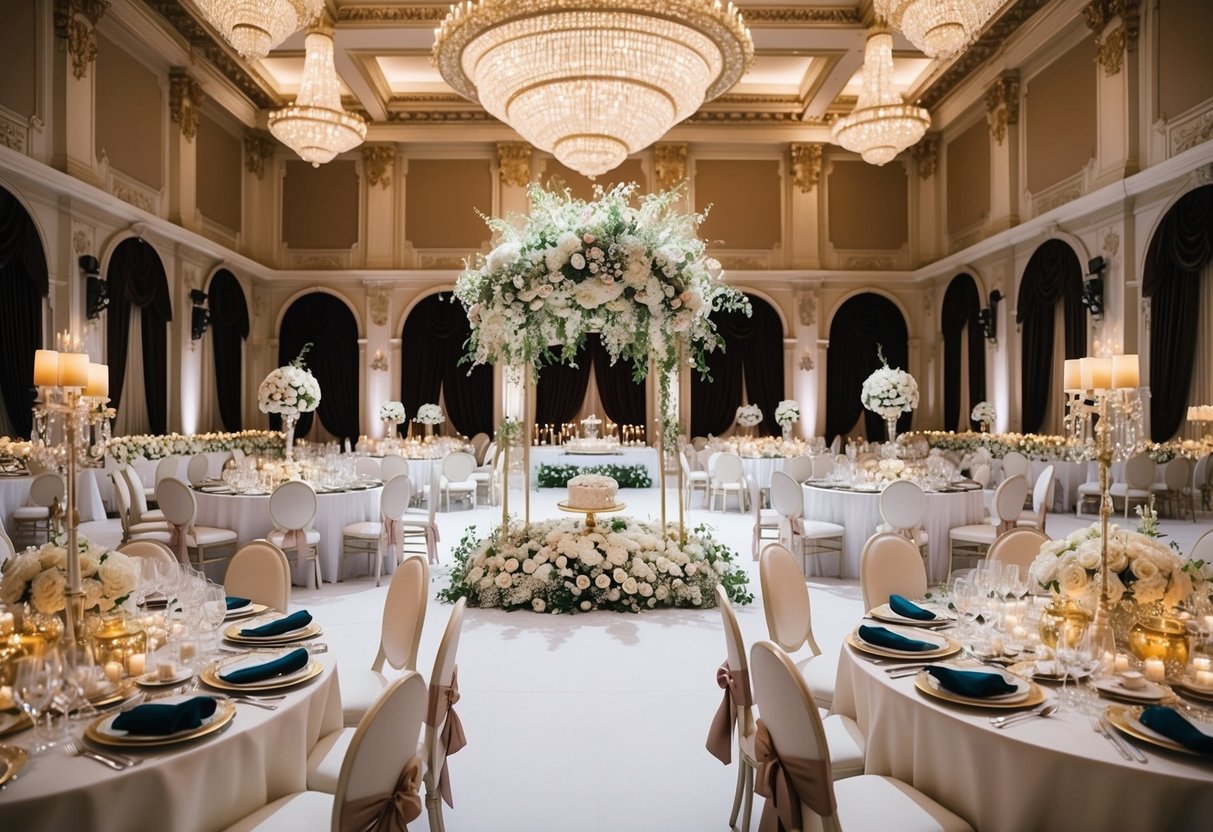
When you’re thinking about wedding planning, consider the various dates available to find a more affordable option. Getting married on a weekday or during the off-peak season could save you significant money. This approach can help you allocate your budget to other areas, like additional guests or a dream honeymoon.
Understanding the cost differences between various wedding dates allows you to plan more effectively. By being strategic about your wedding date, you can ensure your special day is both memorable and within your financial means.
Understanding Wedding Seasons and Costs
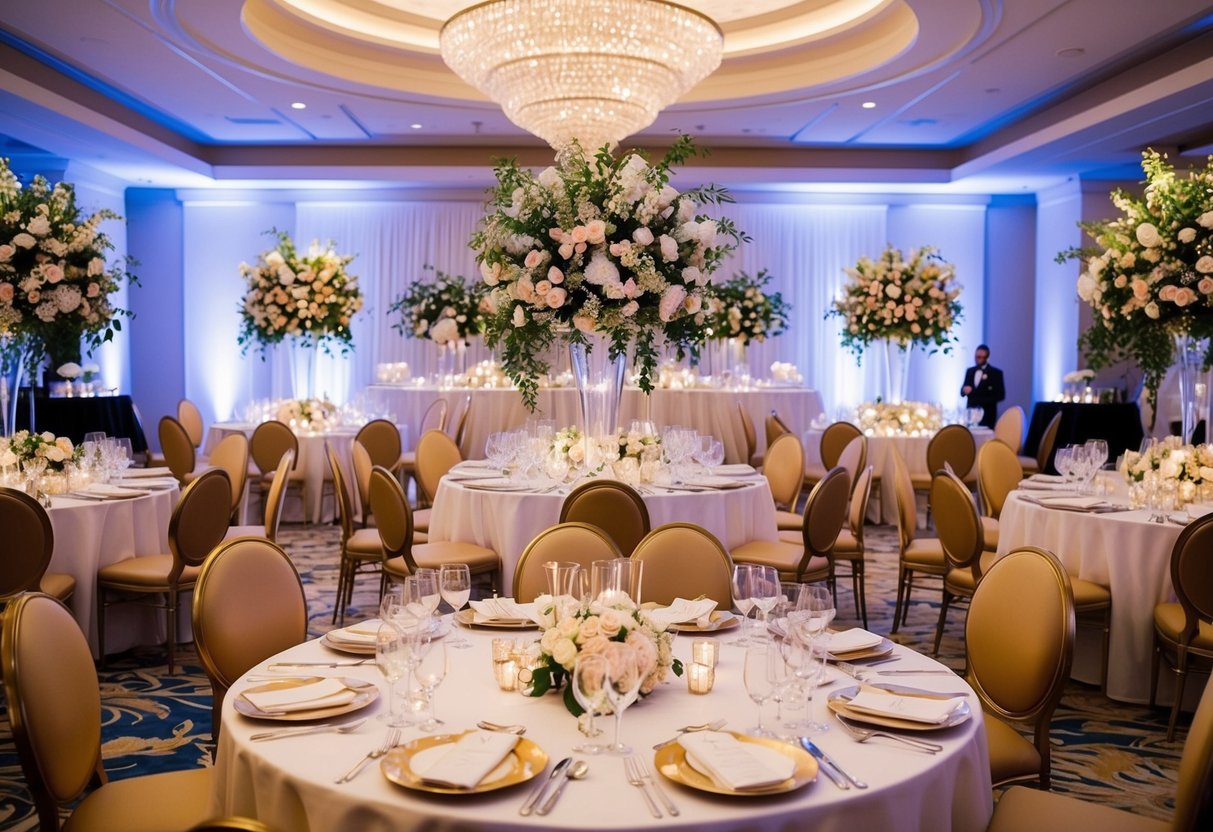
Wedding seasons play a significant role in determining how much you will spend on your big day. By knowing when peak and off-peak seasons occur, you can make informed choices that could save you money while still creating a memorable event.
Defining Peak Wedding Season
Peak wedding season typically runs from late spring to early fall, especially from May to October. During these months, many couples decide to tie the knot, making venues and services highly sought after.
This high demand often leads to venues, catering, and other supplies having increased costs. Being part of this wave can provide a beautiful backdrop for your wedding, but it might not be budget-friendly.
If you’re set on a specific date, consider booking well in advance to secure your choices. Venues often charge more during this busy period due to the high demand.
Off-Peak Seasons Explored
Off-peak seasons are generally considered the winter months, excluding around the holidays, and early spring. January through March sees fewer couples getting married, which can work to your advantage.
Hosting your wedding during this time can result in significant savings since many venues and vendors offer discounts. This is especially true if your wedding falls on a weekday or a less popular month, like January.
While winter weddings can bring unique challenges, like weather concerns, they also offer romantic settings with fewer crowds and more availability of services. You can enjoy a more intimate atmosphere with your closest friends and family.
Cost Considerations for Different Seasons
Costs can vary greatly between peak and off-peak seasons. During peak times, you may find average wedding expenses nearing $33,000 or more, particularly in popular months like September and October.
On the other hand, weddings in off-peak seasons can be substantially lower, often providing opportunities to negotiate better rates.
Keep in mind that some vendors might offer package deals if you choose to book during these slower months. Evaluating your options based on supply and demand can help you create a beautiful event without breaking the bank.
Weekday Vs. Weekend Weddings
Choosing between weekday and weekend weddings affects your ceremony and reception costs, vendor availability, and guest attendance. Each option has its own charm and challenges, which can influence your wedding experience.
The Allure of Weekend Celebrations
Most couples opt for weekend weddings, as Saturdays are the most popular day for tying the knot. Many guests are free from work, making attendance easier. Weekend weddings also give you more time for your wedding reception. You can party late into the night without worrying about early work commitments.
However, the popularity of weekends often drives up costs. Vendors may charge higher rates due to high demand. This can add extra expenses for things like wedding invitations, catering, and venue rental. So, if you love the idea of a lively weekend celebration, be mindful of your budget.
Benefits of Weekday Weddings
Considering a weekday wedding? This option can offer several advantages. Venues and vendors often provide lower rates on weekdays, helping you save money. You may find it easier to secure your preferred location and hire top-notch vendors, as there is less competition.
Weekday weddings may also have a more intimate feel, as fewer guests can attend due to work schedules. This setting can create a cozy atmosphere, perfect for heartfelt moments. Sending out wedding invitations for a weekday event may require creative planning to accommodate guests’ schedules. Nonetheless, a weekday wedding can be a unique and budget-friendly choice.
Special Considerations for Selecting Your Date
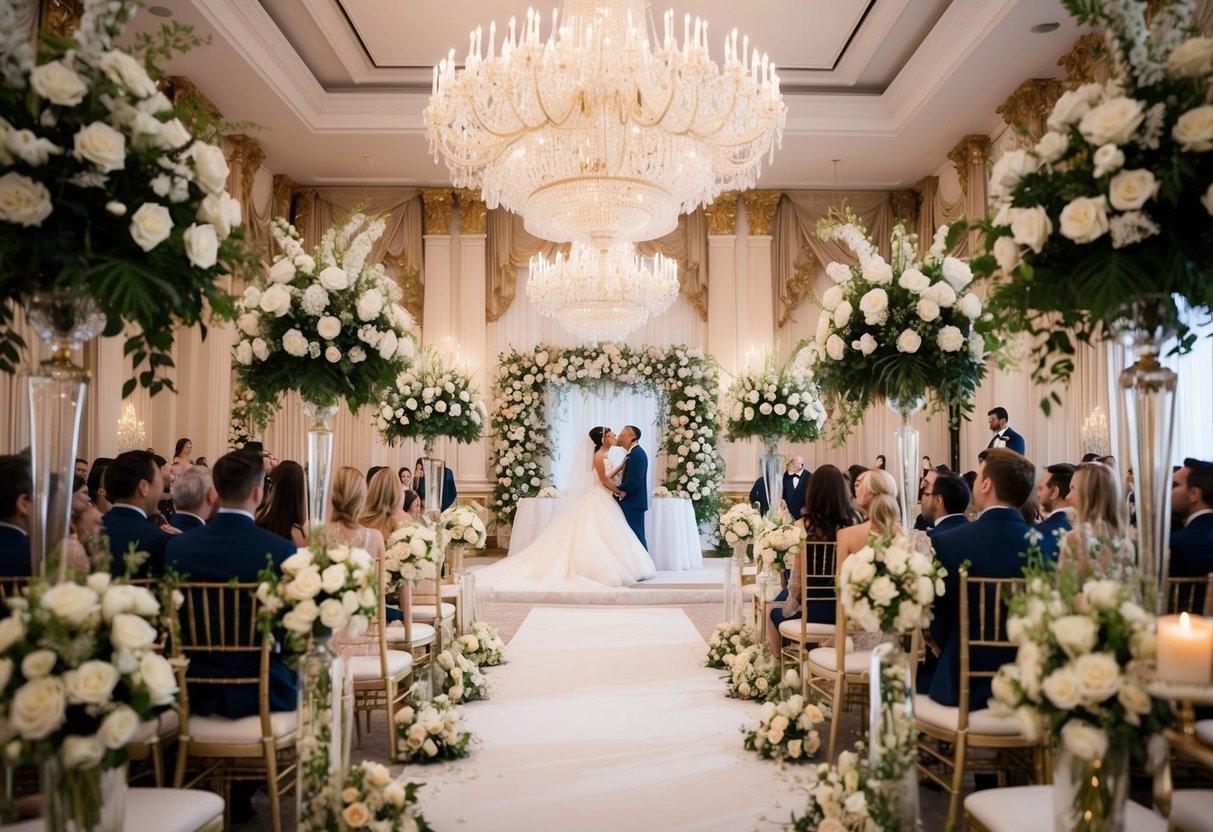
Choosing the right date for your wedding involves many factors that can affect your overall experience. Consider holiday weekends, guest lists, and vendor availability closely. Additionally, if you’re planning a destination wedding, the timing becomes even more crucial.
Holiday Weekends and Special Events Impact
Holiday weekends can be tempting for your wedding date. However, they also come with challenges. Many couples choose these popular dates, which can make venues and vendors harder to secure. Prices may also rise due to demand.
For example, Memorial Day, Labor Day, and holidays like Valentine’s Day or New Year’s Eve might be lovely but could limit your options. Additionally, local events or festivals can draw crowds, making certain locations busier than usual.
Guest List and Vendor Availability
Your guest list is another major factor when picking a date. When planning, consider the availability of key guests. If you have family members who can only attend on specific dates, those should guide your decision.
Also, think about the vendors you want. Popular venues and caterers may book up quickly. Booking during off-peak months may help you secure the vendors you want. Balance your guest availability with vendor schedules to ensure a smooth planning process.
Destination Weddings Timing
If you’re dreaming of a destination wedding, timing is key. The best time to visit your chosen location for weddings often aligns with the local climate. Research the peak season for the area.
Be mindful of school holidays; many families may have travel plans during these times. Choosing an off-peak season can save you money on hotels and services, giving you more options.
You should also consider local events or holidays that could impact travel for your guests.
Strategies to Optimize Your Wedding Budget
Planning a wedding can be stressful, especially when trying to stay within your budget. With the right strategies, you can save money and still create the wedding of your dreams. Focus on key areas like your venue choice, vendor negotiations, and guest list management to help keep costs down.
Choosing the Right Venue and Date
Select a wedding venue that fits both your style and budget. Consider looking for venues that offer packages, as these can often be more cost-effective.
Booking your wedding on a weekday or during off-peak seasons can save you significant amounts. Many venues charge less during these times due to lower demand.
Don’t forget to think about the venue’s capacity; a smaller venue may be less expensive and can create a more intimate atmosphere.
Negotiating with Vendors for Better Rates
When dealing with vendors, don’t hesitate to negotiate. Many vendors are open to working with you on pricing, especially if you’re flexible with services.
Start by asking for package deals that include multiple services, like catering and floral arrangements, to save more overall.
Get multiple quotes from vendors and use them to negotiate better rates. This not only helps keep your wedding budget in check but also lets you find the best quality services for your special day.
Keeping Your Guest List in Check
Your wedding budget is directly impacted by your guest list. Each guest adds to costs like catering, seating, and favors.
Be mindful of who you invite.
Focus on close friends and family to create a more meaningful gathering. You might even consider a “plus one” policy for singles, as this can limit the total number of guests.
Lastly, think about ways to celebrate that involve fewer guests. Smaller ceremonies or receptions can save money without sacrificing the joy of your special day.