
What is the Most Expensive Day to Get Married? Discover the Costly Wedding Trends
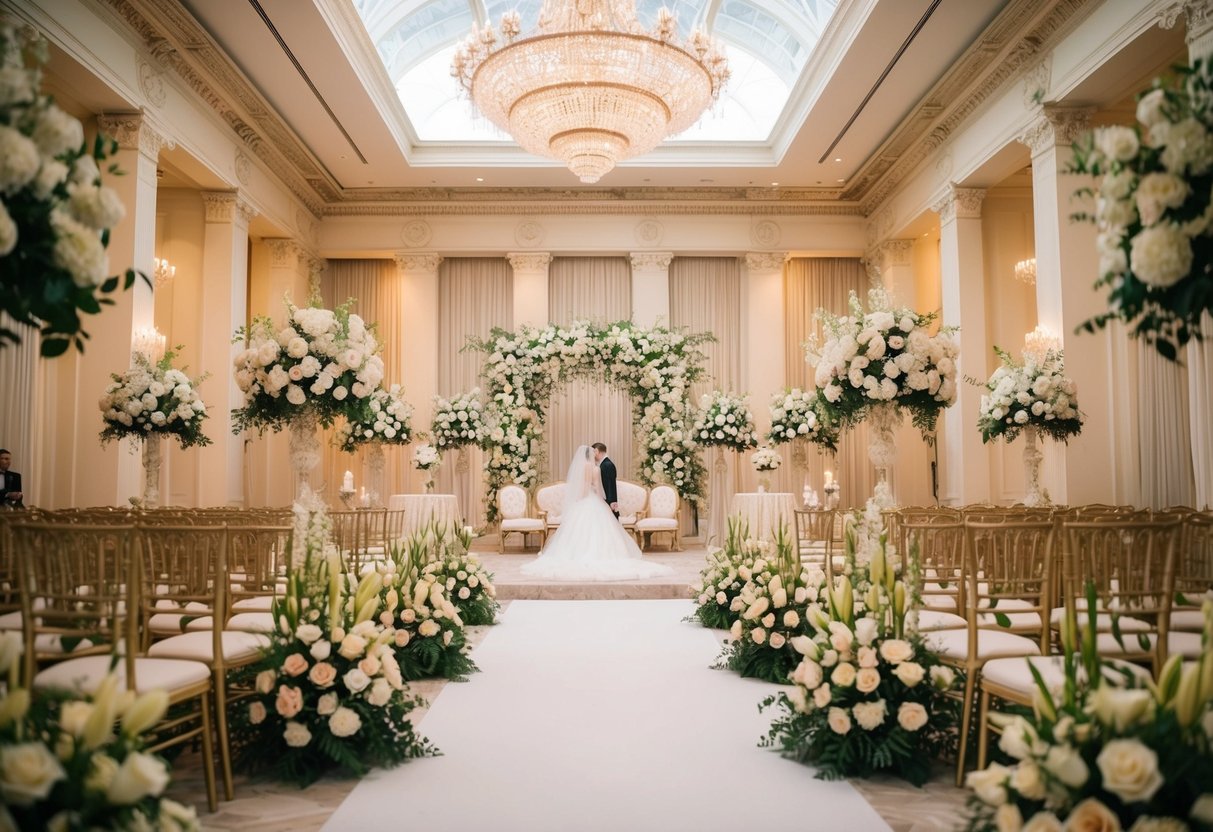
If you’re planning a wedding, you might wonder when the best time to tie the knot is. The most expensive day to get married is typically Saturday in June, which is part of the peak wedding season. Many couples choose this day for its warm weather and festive atmosphere, which drives up costs for venues and services.
Understanding the timing can help you make informed choices about your wedding budget. Consider the options available if you want to save money while still having a beautiful ceremony. Exploring alternatives can lead to a wedding that fits your vision without breaking the bank.
Determining the Most Expensive Wedding Dates

When planning your wedding, it’s important to know which dates can be the most costly. Several factors, including the wedding season and special dates, can impact the price you pay for your big day.
Peak Wedding Season Considerations
The peak wedding season usually runs from late spring to early fall. This includes popular months like May, June, September, and October. During these times, many couples decide to marry, leading to higher demand for venues and services.
Most venues will raise their prices during these months. For example, if you choose a Saturday in June, you might pay much more than if you had a wedding in January. A Saturday is often the most popular day of the week for weddings, so plan your budget accordingly.
Holiday Weekends and Special Dates Impact
Holiday weekends can significantly increase wedding costs. Dates like Memorial Day, Labor Day, and even Valentine’s Day draw many couples, leading to higher prices. Vendors may charge a premium for working on these special days.
Additionally, some couples choose specific dates, like 7/7 or 12/12, based on their significance. These “lucky” dates can also be pricier due to increased demand. If you’re eyeing a popular weekend, consider booking well in advance to secure better rates.
Budgeting for Your Big Day

Planning your wedding budget is essential for a smooth experience. Knowing where your money goes and how to save can make a big difference.
Understanding Wedding Costs
Your wedding budget is made up of several key areas that can vary widely in price. The most significant part usually goes toward the venue. This can range from a few thousand dollars to tens of thousands based on location and season.
Next, catering is another major expense. Food and drink often take up around 20% of your budget. You should also consider costs for items like photography, flowers, and attire. Each of these can add quickly to your total.
Additionally, it’s wise to account for hidden costs such as taxes, tips, and unexpected fees. Understanding all these elements will help you create a realistic budget.
Strategies for Keeping Costs Down
Saving money on your wedding is possible with a few smart strategies. First, consider choosing an off-peak date. Avoid Saturdays and peak wedding seasons, as these times can be pricier.
Next, look for discounts. Many vendors offer deals for weekday events or combined services, like packages for venues and catering.
You can also trim costs by simplifying your guest list. Reducing the number of guests lowers expenses on food and venue size.
Lastly, think about DIY options for decorations or favors. Getting creative can save you money while adding a personal touch to your big day.
Choosing the Right Date and Venue

Selecting the right date and venue for your wedding can significantly impact costs and availability. By understanding off-peak options and choosing weekdays, you can save money and ensure your preferred vendors are available.
Off-Peak Season Advantages
Choosing to get married during the off-peak season can bring several benefits. Many couples pick popular months, such as June and August, which often leads to higher prices. By selecting dates from late fall to early spring, you can often find better deals on venues and services.
Off-peak weddings also tend to have fewer guests, which can create an intimate atmosphere. Additionally, this timing allows you to enjoy more personal attention from your wedding planner and vendors. Popular venues are usually more available, giving you a better chance of securing your dream location.
Weekday Weddings and Vendor Availability
Consider a weekday wedding for potential savings and increased vendor availability. Many couples opt for weekends, making Fridays and Sundays prime dates. However, having your wedding on a weekday can often lead to lower rates and better access to preferred vendors.
With fewer events occurring during the week, you may find that venues and photographers are more flexible and willing to negotiate. Choosing a weekday also might allow you to book top-tier vendors who may be unavailable on busier weekends. You can create a wonderful, memorable experience while potentially saving a significant amount of money.
Extra Considerations for an Ideal Wedding Date
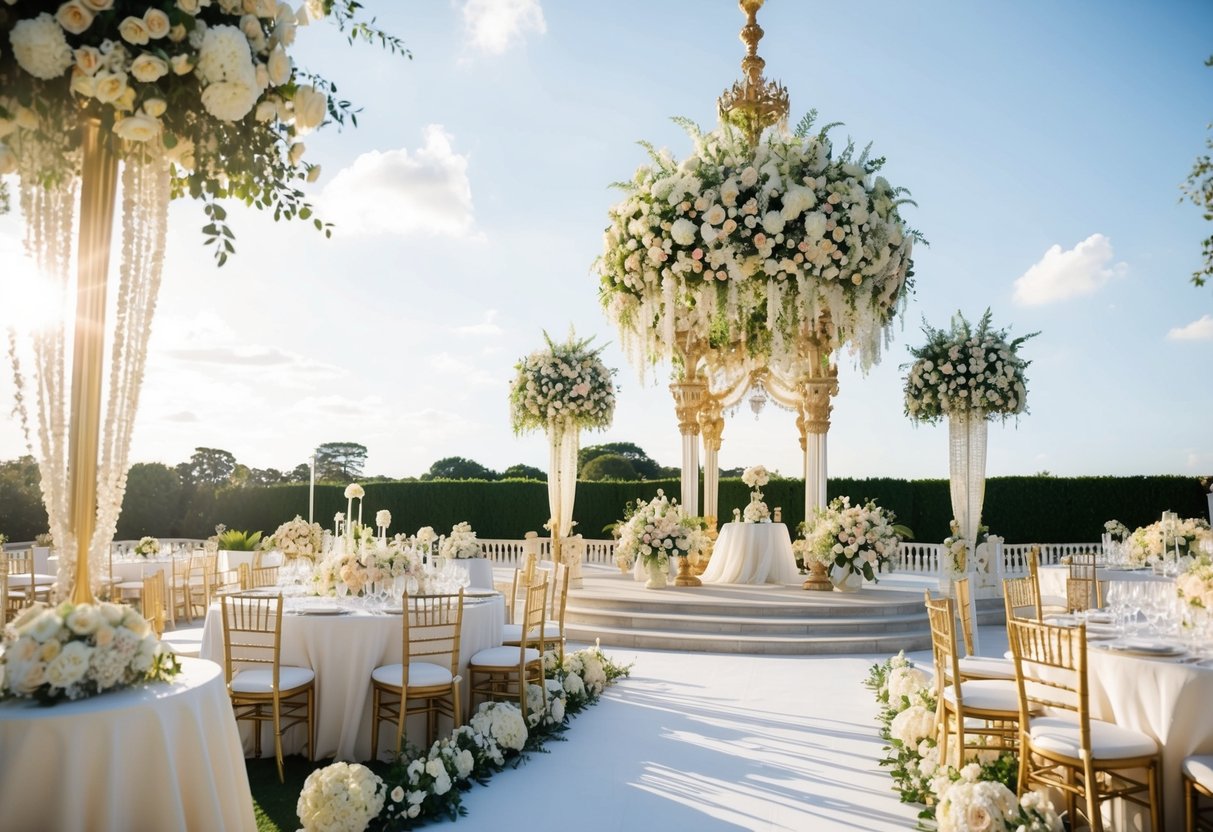
Choosing the right date for your wedding involves several important factors. You’ll want to think about your guest list and how seasonal events might affect attendance. Understanding these can help you avoid potential issues and create a more memorable day.
Guest List and Destination Weddings
When planning your wedding, your guest list plays a key role in selecting the date. Consider the availability of your closest friends and family. If many live far away, a destination wedding could be beautiful but may limit attendance.
You might also want to send your wedding invitations well in advance, especially for destination weddings. This gives guests time to arrange travel and accommodations. Additionally, keep in mind that some dates may be more appealing for guests if they coincide with local events or holidays.
Seasonal and School Holidays Effects
Your wedding plans can be greatly affected by seasonal changes. For example, colorful leaves provide stunning backdrops for fall weddings. However, these months are very popular. This can lead to higher prices and limited venue options.
Consider school holidays, too. Many families prefer weddings during these breaks to accommodate travel plans. You want to ensure your loved ones can attend, so selecting a date that avoids busy holiday schedules could be wise. Sundays can be less popular but might offer better rates and less competition for venues.