
What is the Most Expensive Month to Get Married in? Discover the Costs of Wedding Seasons
If you’re planning a wedding, you might be curious about the best time to tie the knot without breaking the bank. The most expensive months to get married are typically September and October. These months are not only popular for their beautiful fall scenery but also for the sheer number of weddings taking place.
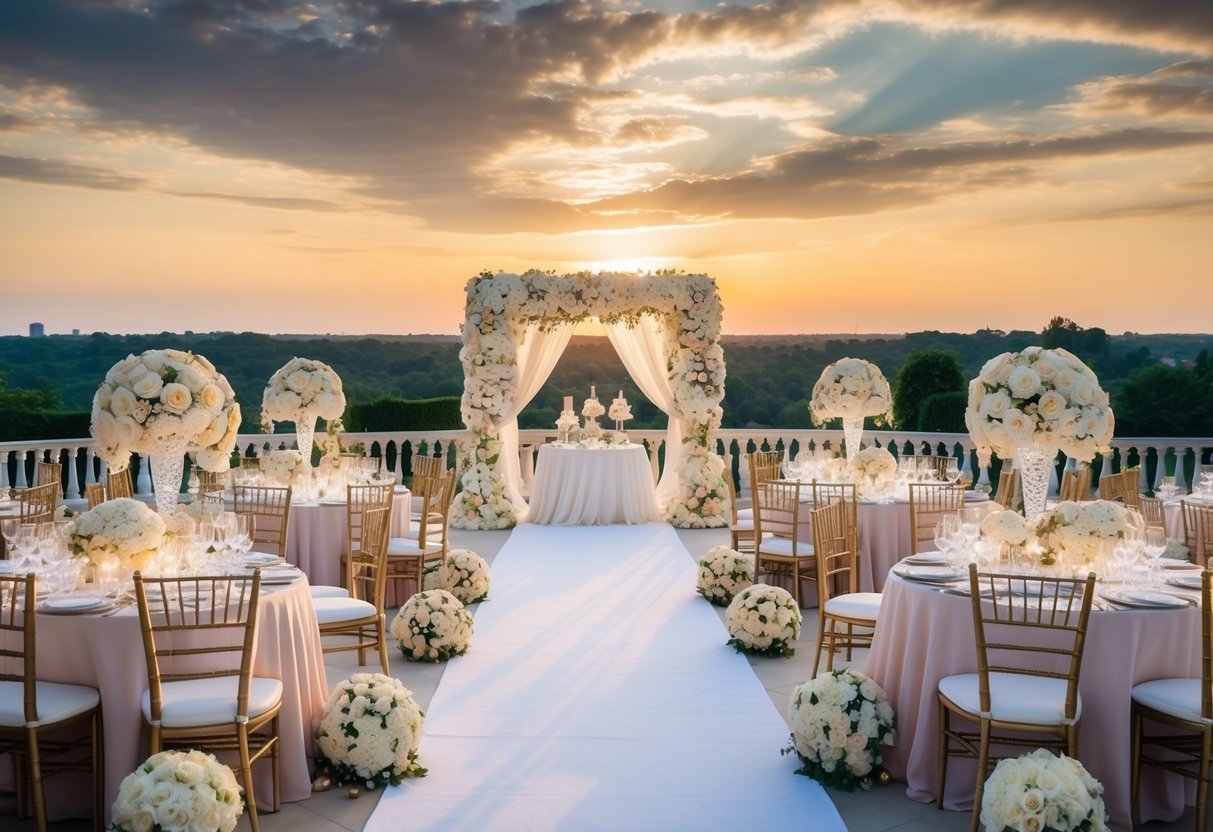
Choosing a date in these peak months often means higher costs for venues and vendors.
It’s essential to consider this if you want to make your special day memorable while keeping your budget in check. Discovering the reasons behind these price trends can help you make informed choices for your wedding plans.
Understanding Wedding Seasons
Wedding seasons can greatly affect your budget and choices. Knowing when peak and off-seasons fall can help you plan better.
Popular months can mean higher costs, while choosing off-season dates might save you money.
Defining Peak and Off-Season
Wedding season typically runs from late spring to early fall. During this time, you’ll find the most couples tying the knot, especially in May, June, September, and October.
These months are considered peak wedding season, where venues and vendors are in high demand.
On the other hand, off-seasons include late fall and winter months, like November through March. If you choose these months, you might benefit from lower prices and more availability.
While weddings in the off-season may lack the warm weather of summer, they can offer intimate and cozy settings.
Pros and Cons of Popular Wedding Months
Popular wedding months like June and September have many advantages. The weather is often beautiful, which is great for outdoor ceremonies. Plus, guests generally have more availability to attend.
However, the downside is the cost. Booking in peak months can mean higher prices for venues, catering, and other services.
During these months, consider that you might need to book well in advance. This can secure your preferred choices but might also limit flexibility.
Weighing these pros and cons can help you make an informed decision for your big day.
Winter and Fall Wedding Considerations
Winter and fall weddings can be enchanting and unique. If you consider a winter wedding, cozy themes and holiday decorations can create a magical atmosphere.
Additionally, venue prices tend to be lower during this off-season, making it budget-friendly.
Fall weddings, with their rich colors and mild temperatures, are also appealing. As leaves change, they provide a stunning backdrop for your ceremony. However, you may need to plan around potential weather changes.
Both winter and fall months allow for creativity with themes and decoration. Remember to keep in mind the unique perks and challenges each season brings to your special day.
Factors Influencing Wedding Costs
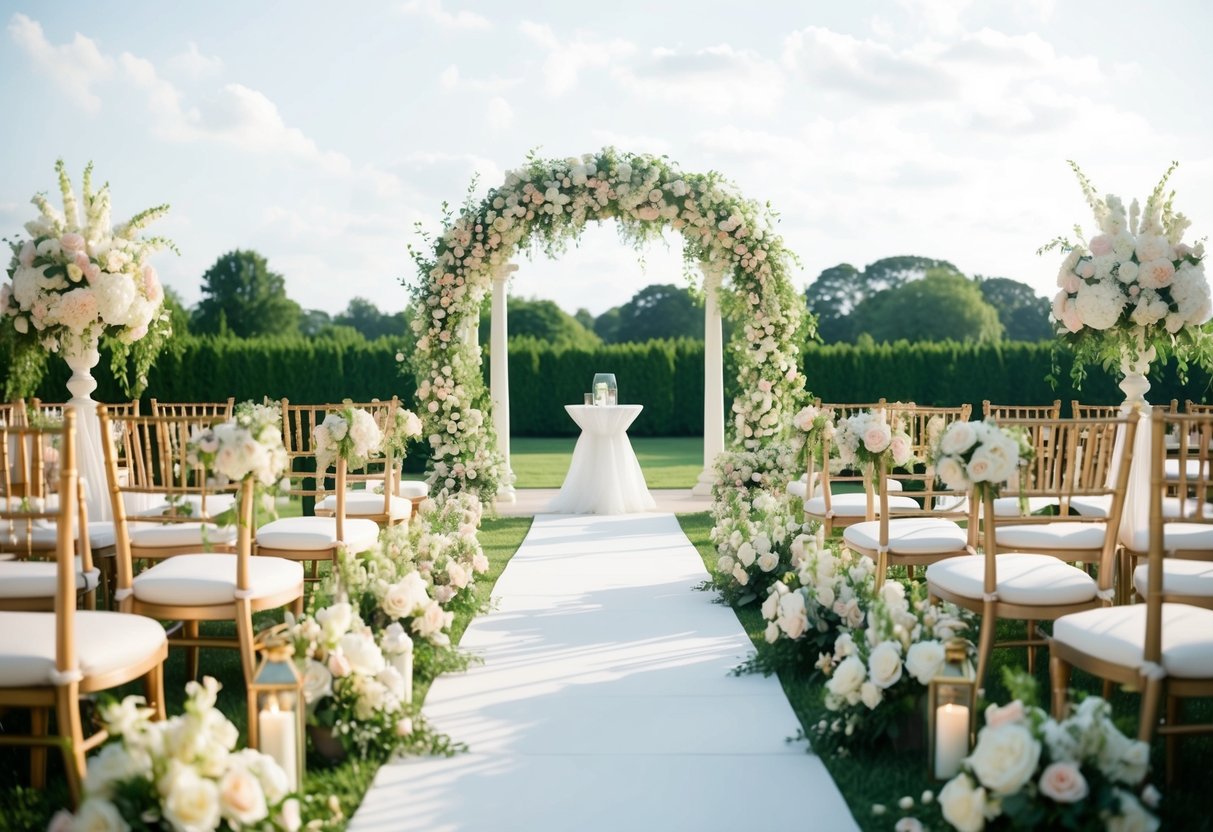
When planning your wedding, several factors can significantly impact the overall cost. Two of the most important considerations are venue selection and vendor costs. Understanding these can help you budget wisely and make informed decisions.
Venue Selection and Availability
Choosing the right wedding venue is crucial. Popular venues often have higher prices, especially during peak seasons like September and October.
These months are in high demand, as many couples want to take advantage of beautiful fall weather and stunning backdrops.
If you’re flexible, consider off-peak months such as January or February. Venues might offer discounts during these times due to lower demand.
Always check for package deals that include catering or decoration, as they can save you money and simplify planning.
Another tip is to visit multiple venues. This will help you compare prices and services.
Make sure to ask about any hidden fees, such as cleaning or overtime charges, to avoid surprises.
Vendor Costs and Benefits
Vendor availability can also influence your budget. Popular vendors often book up quickly, especially during peak wedding months. Therefore, securing your preferred vendor early is vital.
Consider the types of services you need. For example, hiring a professional photographer might seem pricey, but their quality work can make a huge difference in your memories.
Always get quotes from multiple vendors to see who fits your budget.
Additionally, many vendors offer packages that combine services like catering and floral arrangements. This can be more economical than hiring each service separately.
Keep an eye out for off-peak pricing as some vendors may lower rates during less busy times.
Choosing Your Ideal Wedding Date
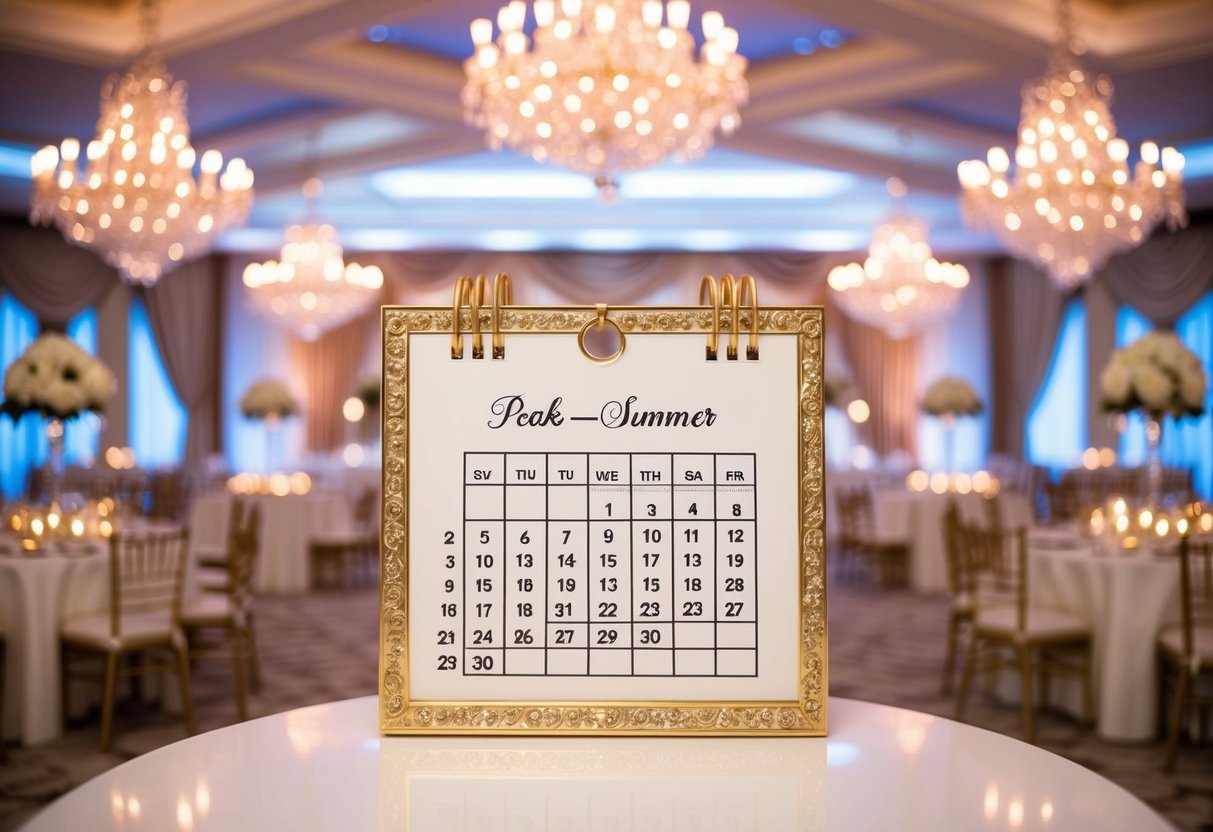
Finding the right wedding date is key to making your day special and staying within your budget. Consider factors like budget, season, and the type of wedding to choose a date that fits your vision.
Balancing Budget and Ambience
When setting your wedding date, think about the balance between your budget and the atmosphere you want.
Popular months, like May through October, often have higher costs. Most couples choose these months for their beautiful weather and vibrant scenery.
If you want to save money, consider less popular months, such as January or February. These months typically feature lower venue prices and offer the chance to create a cozy, intimate setting.
Weekday weddings can also be a fantastic option. Many venues and vendors provide better rates on weekdays, allowing you to enhance your wedding experience without stretching your budget too thin.
Special Dates and Weekday Weddings
Certain dates hold special meaning and can influence your choice of wedding date. For instance, getting married on a significant anniversary or during a holiday season can make your day even more memorable.
New Year’s Eve weddings are becoming increasingly popular, as they offer a unique celebration that combines the joy of a wedding with a festive atmosphere.
If your heart is set on a specific date that falls on a weekend, consider a weekday wedding instead. Weekday ceremonies can be more affordable, and you may even get your preferred venue with less hassle. Just remember to give your guests plenty of notice, as weekdays may require some adjustments for their schedules.
Outdoor and Destination Wedding Timing
Outdoor weddings are enchanting, but you need to ensure the weather works in your favor. Consider hosting your wedding during late spring or early fall when temperatures are usually pleasant. This is especially important for destination weddings where the climate can vary drastically by season.
If you’ve chosen a destination wedding, research the best times to visit. Certain months might have fewer tourists, leading to lower rates for venues and accommodations. Planning your outdoor wedding around local events can also be beneficial. You’ll want to avoid busy periods that might make travel and accommodations difficult for your guests.