
What is the Most Expensive Month to Get Married? Unveiling Peak Wedding Costs
Planning a wedding involves many decisions, and choosing the right month can greatly impact your budget. If you want to know when to tie the knot without breaking the bank, it’s essential to understand the costs associated with different times of the year.
June is typically the most expensive month to get married due to high demand and peak wedding season.

Many couples dream of celebrating in the warmer months when flowers are blooming and the sun is shining. However, this popularity drives up prices for venues, catering, and other services.
Knowing this can help you plan better and find ways to save if you’re considering getting married during peak times.
As you read on, you’ll discover tips for saving money and how to make your wedding day special, regardless of the month you choose. Understanding these trends can give you an edge when planning your perfect celebration.
Understanding Wedding Seasons
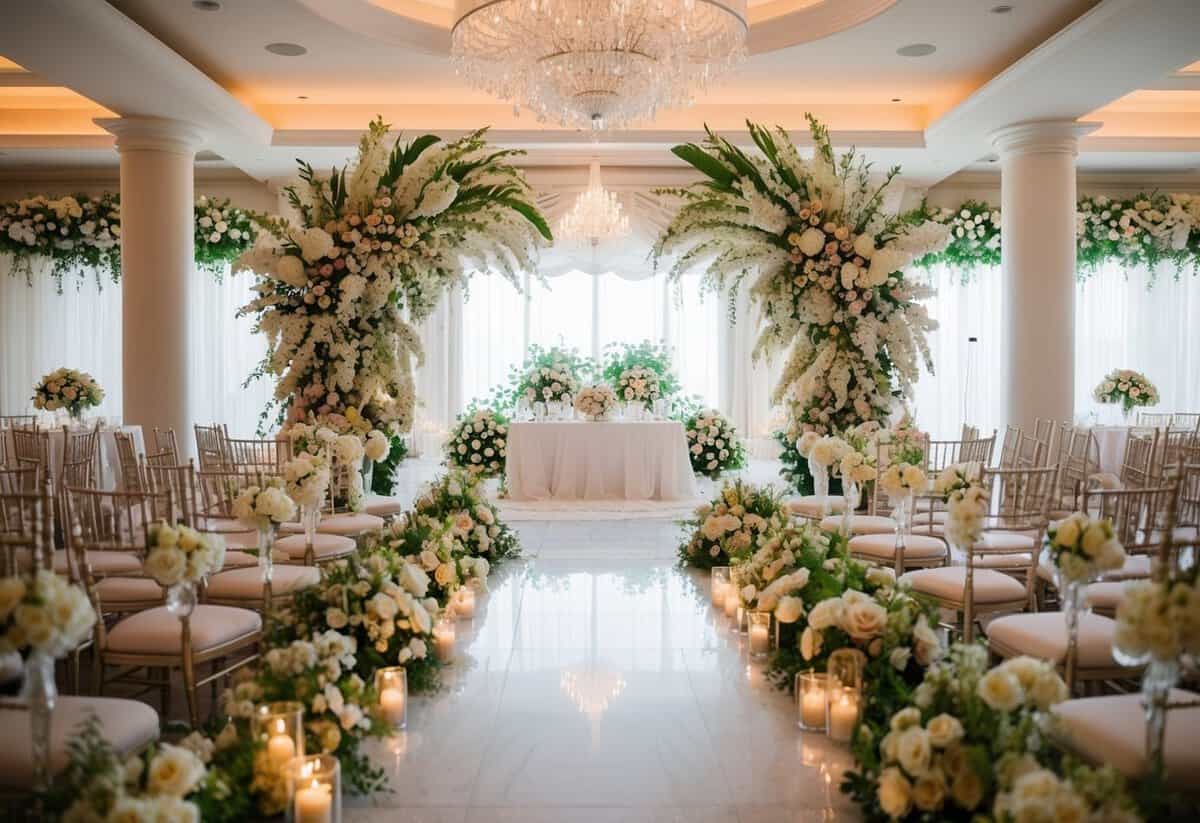
Choosing the right time for your wedding is key to planning your special day. There are clear distinctions between peak wedding seasons and off-seasons that can affect your choices and budget.
Defining Peak Wedding Season
Peak wedding season typically runs from late spring to early fall, with May through October being the most popular months. During this period, you will find many couples tying the knot. This increased demand can drive prices higher, especially for venues and vendors.
In peak months, such as June, July, and August, you may need to book your preferred locations well in advance. With average wedding costs hovering around $28,000 during peak months, careful budgeting is essential. Expect delays and limited options if you wait too long to secure your date.
What Makes Off-Season Weddings Different
Off-season weddings occur mainly in winter and early spring, especially from November to April. Fewer couples choose these months, making it easier for you to find available venues and vendors. This unique scheduling opportunity can lead to significant savings.
For example, if you get married in January or February, you might see lower prices on catering and décor. The average cost can drop, allowing you to allocate funds elsewhere, like hiring a great photographer. Additionally, you can enjoy a more relaxed planning experience due to reduced competition during these months.
Key Factors Influencing Wedding Costs
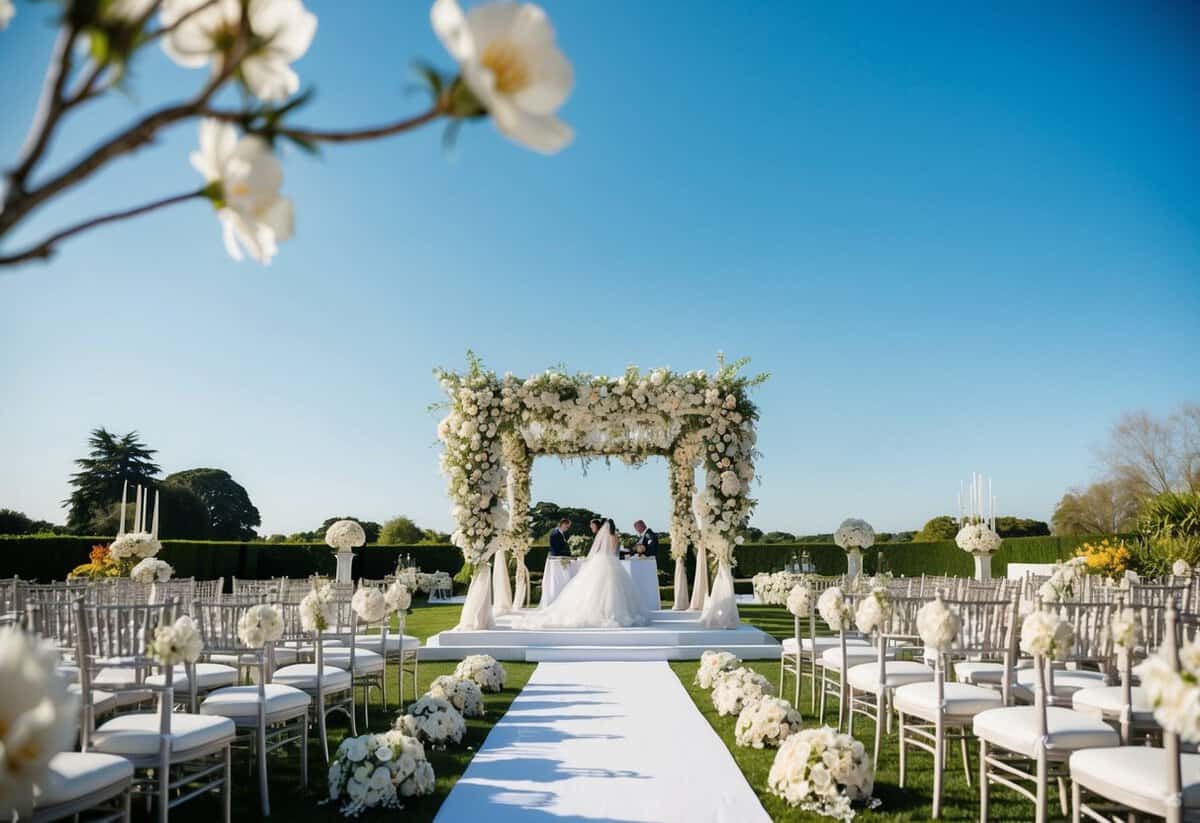
Your wedding costs can vary for several reasons. Important factors include the timing of your wedding, the venue you choose, and the availability of vendors. Each of these elements can significantly impact your budget.
The Role of Wedding Date and Seasonality
The month you choose to get married plays a big role in what you’ll spend. For instance, June, September, and October are popular months for weddings, often leading to higher prices. In contrast, January and February are less popular, making them more affordable.
Weekday weddings can also help you save money. Many venues and vendors offer discounts for events held on weekdays rather than weekends. A little flexibility with your wedding date can lead to big savings, so consider all options.
Wedding Venue Considerations
The venue you select greatly affects your budget. Popular venues often have higher rates, especially during peak wedding season. Some locations charge extra for prime dates, like Saturdays in June or September.
Additionally, venue capacity can impact costs. Larger venues may seem tempting, but they often lead to higher expenses due to added seating and catering costs. Choosing a venue that fits your guest list without being too large can save you money.
Vendor Availability and Pricing
Vendor availability is crucial when planning your wedding. High-demand vendors, such as photographers and caterers, often charge more during peak months. If you’re set on a particular vendor, booking them well in advance can secure better rates.
Don’t forget to consider package deals. Some venues offer all-inclusive packages that can simplify your planning. This can also provide savings, as vendors are already familiar with the venue and its layout. Keep an eye on vendor pricing, especially during busy seasons.
Comparing Popular Wedding Months
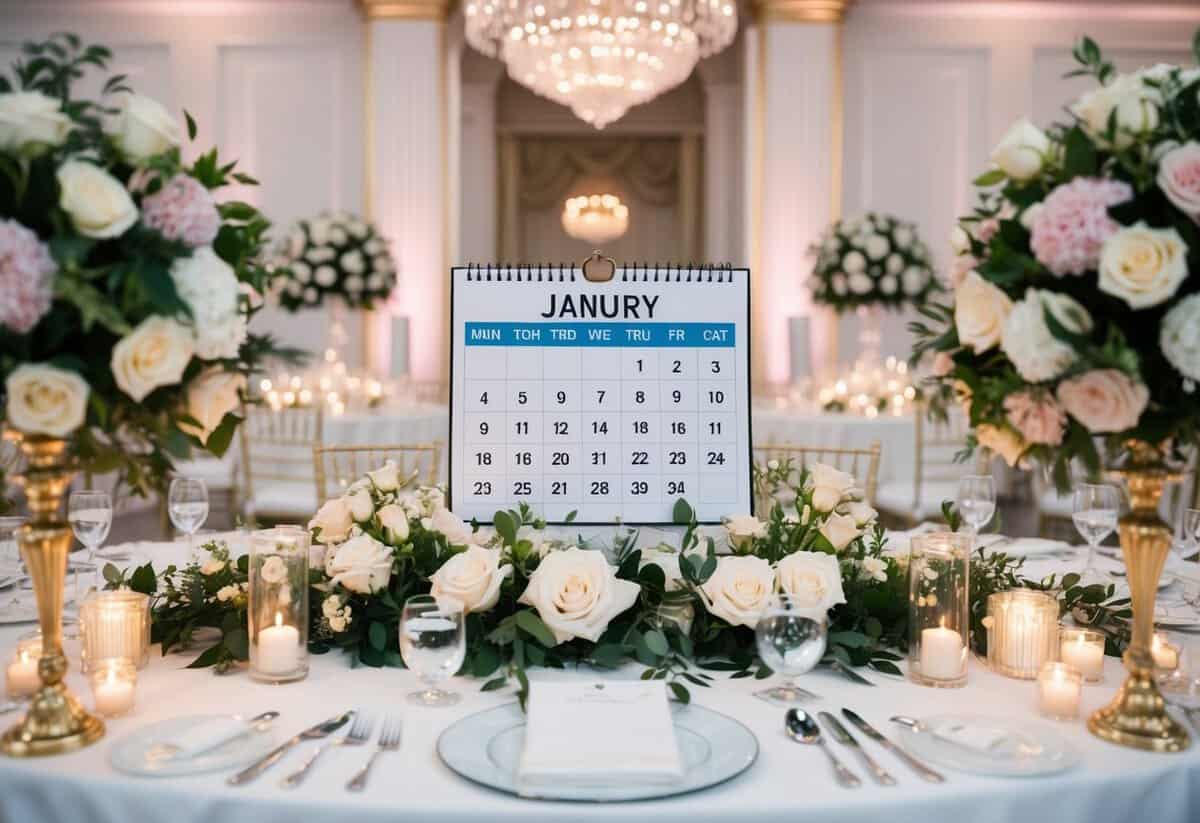
When planning your wedding, understanding the costs associated with different seasons can help you save money. Popular months often come with a higher price tag due to the demand for venues, services, and vendors.
Summer and Fall: Competition and Costs
Summer and fall are among the most popular wedding months, especially June, September, and October. These months offer nice weather, making them attractive for outdoor ceremonies.
However, this popularity drives prices up. Expect higher costs for venues, catering, and even florists during these peak months.
For example, wedding venues can charge up to 20% more during summer and fall compared to other months.
Additionally, many couples are vying for the same dates. This competition can lead to a rushed booking process. It’s essential to start planning early if you’re aiming for a summer or fall wedding.
Winter and Spring: Opportunities for Savings
Winter and early spring often provide great opportunities for savings. January and February are typically the least popular months to get married. This means you can find some fantastic deals on venues and vendors.
Many service providers offer significant discounts during these months. It can be up to 30% cheaper than during the summer and fall months.
However, weather can be a factor in winter weddings. Depending on your location, consider indoor options to avoid any weather-related issues.
Spring, with its mild temperatures, can also offer beautiful scenery. You may want to choose a month like March or April, which are gaining popularity.
By considering these factors, you can choose a wedding date that fits your finances and vision.