
What is the Most Formal Hour for a Wedding? Discovering the Ideal Time for Your Ceremony
Planning your wedding involves many decisions, and one important question is about timing. The most formal hour for a wedding typically falls between 5:00 p.m. and 6:00 p.m. This time frame not only allows for a classic evening ceremony but also sets the tone for a sophisticated celebration.
Arranging your wedding day timeline around this hour can create an elegant atmosphere for you and your guests.
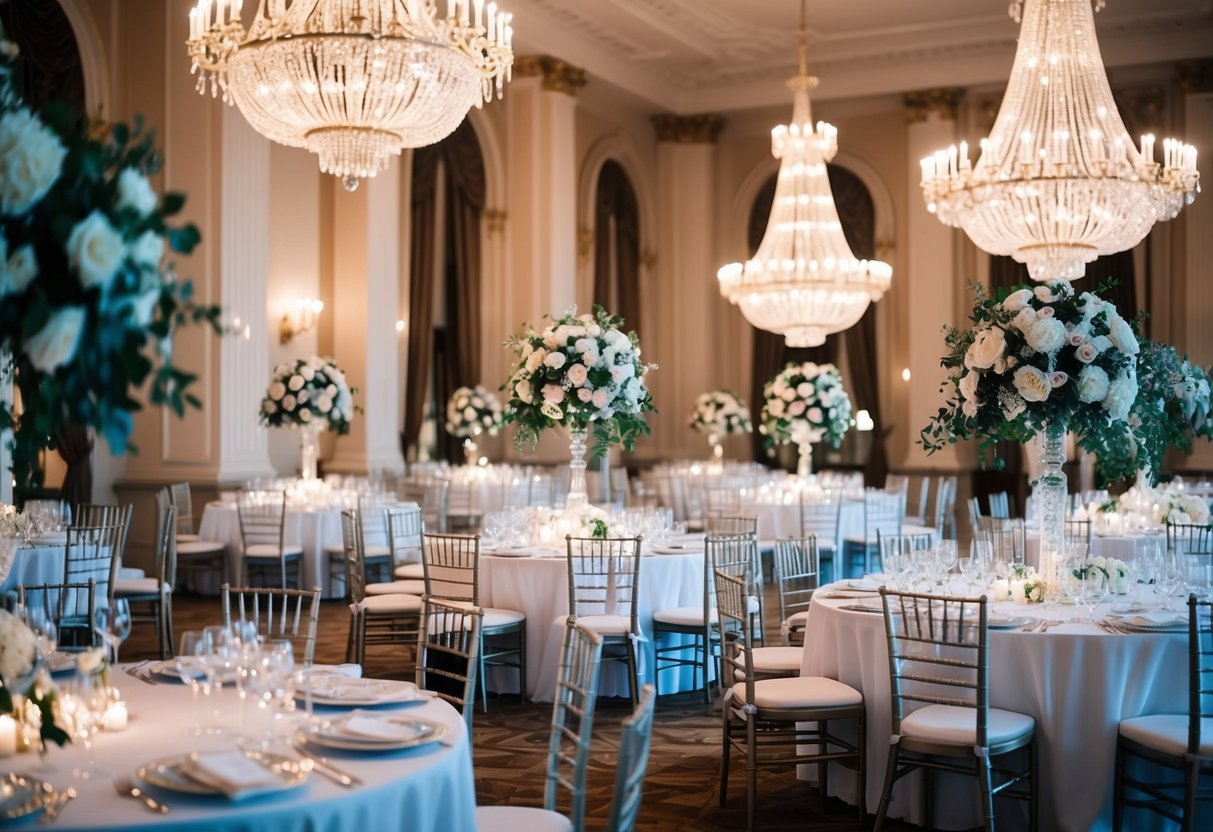
Starting your ceremony during these peak hours can help ensure that everything runs smoothly. A wedding planner can assist you in scheduling key events, from the ceremony to cocktail hour and reception, making sure there’s ample time for photos and mingling.
When you consider the atmosphere and potential lighting as the sun sets, it enhances the overall experience of your special day.
Determining the Formality and Timeline
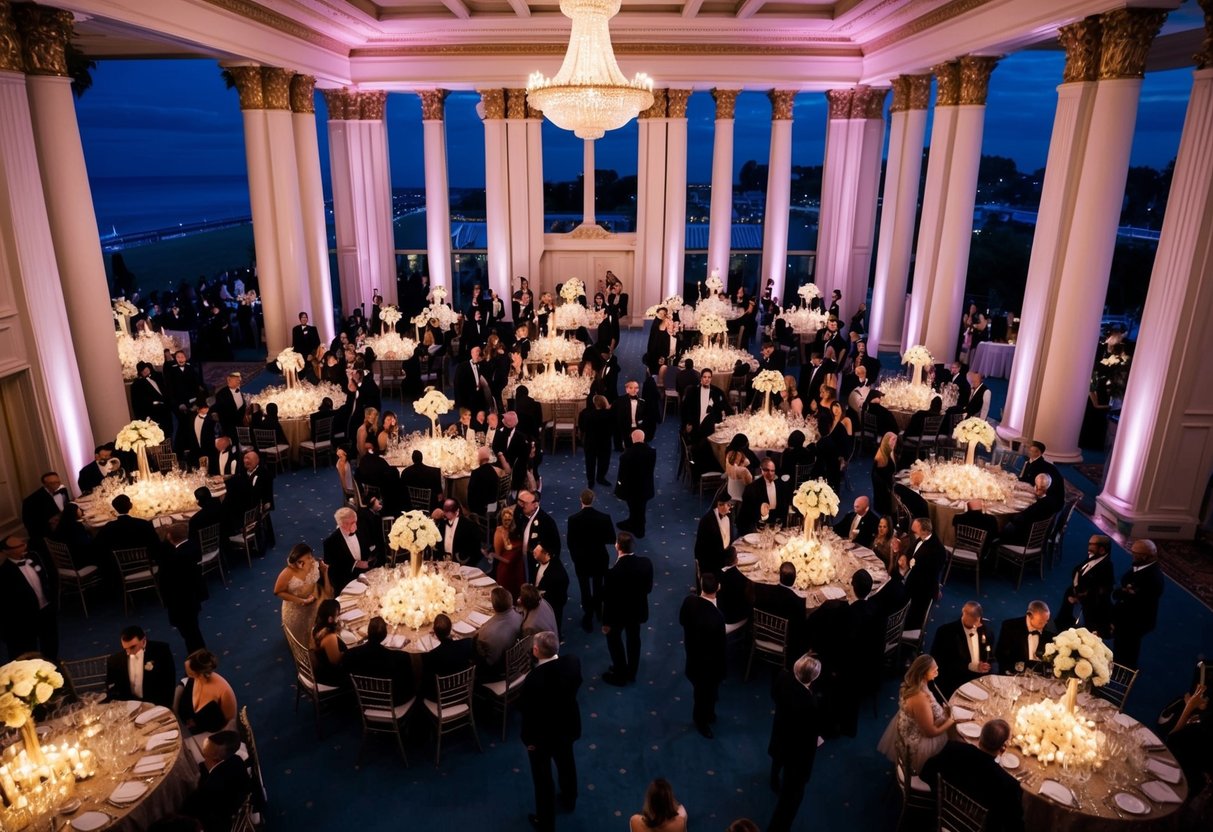
Choosing the right level of formality for your wedding involves understanding dress codes and setting the timing for your ceremony. Each decision shapes the atmosphere of your special day.
Understanding Wedding Dress Codes
Wedding dress codes can range from casual to ultra-formal. Common types you might encounter include:
- Black Tie: This typically means a black tuxedo for men and a formal evening gown for women.
- White Tie: The most formal option, suited for grand gatherings, requires men to wear tailcoats and women to don elegant gowns.
- Semi-Formal: This code allows for cocktail attire, letting guests wear dressy dresses or suit jackets.
- Black Tie Optional: Guests have the choice of wearing formal attire, or they can opt for a dark suit.
Understanding the dress code helps you communicate expectations to your guests. Make sure to mention it on your invitations to avoid confusion.
Setting the Ceremony Start Time
The timing of your wedding ceremony is vital for setting the tone. Here’s how different times can influence formality:
- Morning Weddings: Generally lighter and more casual. Think pastel colors and lighter fabrics.
- Afternoon Weddings: These often bridge the gap between casual and formal. This is where semi-formal attire shines.
- Evening Weddings: Typically start around 6 p.m. This is when formality peaks, especially for black tie or white tie events.
Choosing to start your ceremony during the golden hour can provide stunning natural light for your photos. Aim for a time just before sunset to create a romantic and flattering atmosphere.
Planning the Day-of Wedding Schedule
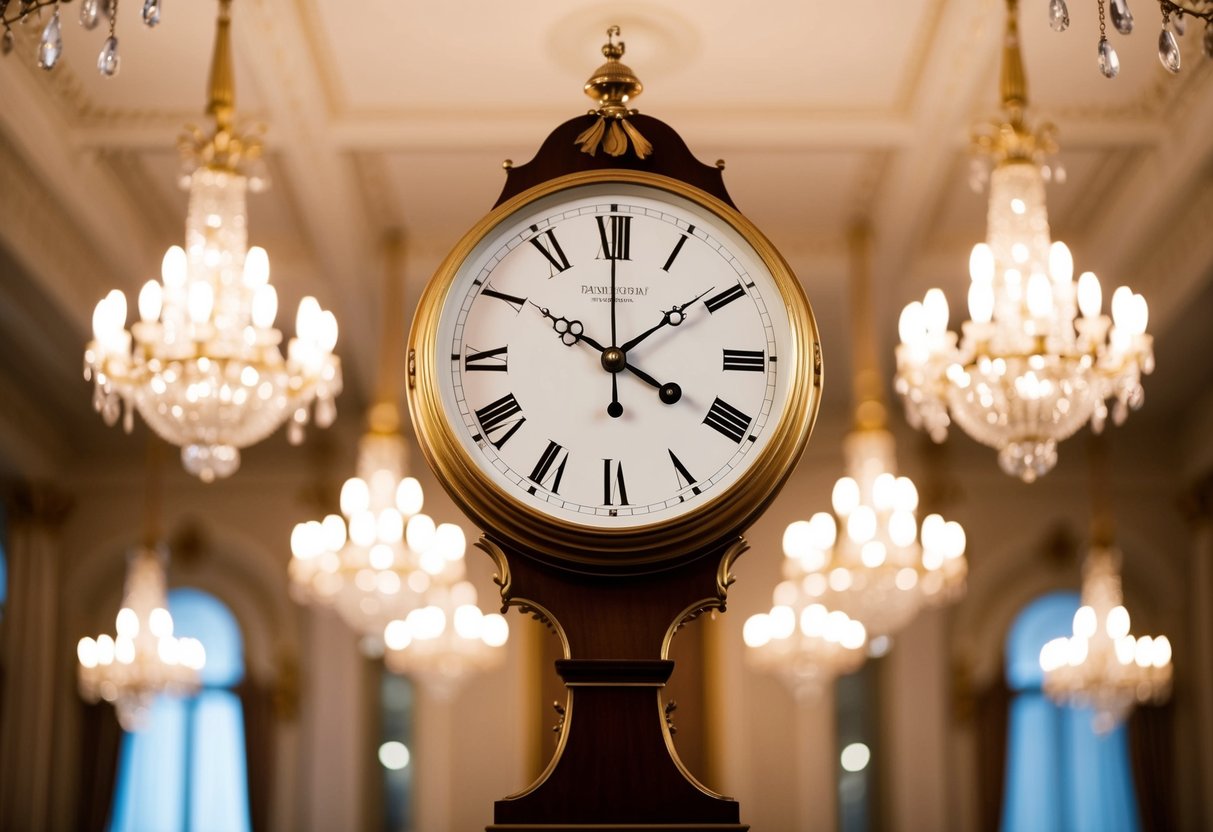
Creating a wedding day schedule helps keep everything organized and ensures you can enjoy your special day. A well-thought-out timeline includes crucial moments, from getting ready to the reception, making it easier for everyone involved.
Pre-Wedding Preparations
Start your day with a clear timeline for pre-wedding activities. This time usually involves hair and makeup, where you want to allow enough time for personal touch-ups.
Make sure hair and makeup are scheduled to finish at least two hours before the ceremonies begin. This gives you time to get dressed without feeling rushed.
Consider a “first look” moment if it’s part of your plans. This intimate setting is an excellent time for photographs before the ceremony. You might want to schedule about 30 minutes for this special moment, along with 45 minutes for wedding portraits.
Capturing Special Moments
Setting aside time for photography is crucial for preserving your memories. Having a designated time slot for family photos helps make sure no one gets overlooked. Allocate around 30 to 60 minutes for these shots.
Be mindful of when you want to capture specific moments like candid shots during the cocktail hour. This allows you to mix and mingle with guests while still getting those great pictures.
Planning for wedding portraits can also enhance your photos’ quality. Try to allow at least 30 minutes after the ceremony for beautiful portraits, which include just the two of you or with family.
The Ceremony and Reception
The ceremony is the heart of your wedding day. Schedule it for when most guests can arrive, often late afternoon or early evening.
After the ceremony, plan for a cocktail hour lasting one hour. This keeps guests entertained while you take your portraits.
As you transition into the reception, make your grand entrance memorable. Allow time for announcements and prepare for cake cutting, which usually happens about 30 minutes into the reception.
Selecting the Venue and Final Touches
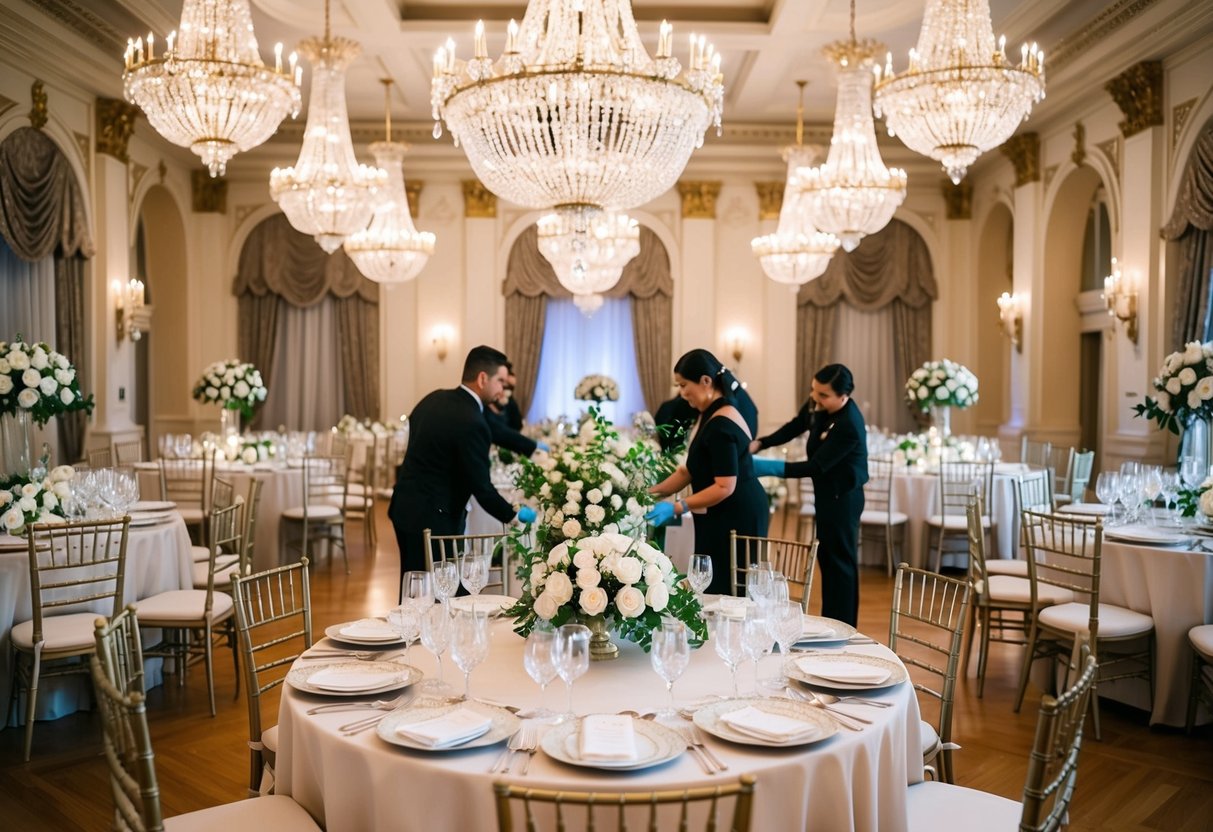
Choosing the right wedding venue is key to setting the tone for your special day. Consider your style and the atmosphere you want to create.
Outdoor weddings can be beautiful, but they require careful planning. Make sure you have a backup plan for unexpected weather. A tent can be a great option for keeping guests comfortable.
When sending out wedding invitations, the style and wording can suggest the formality of your event. Elegant invitations can hint at a more formal celebration. Don’t forget to include details like the venue location and time.
To capture special moments, arrange for your photographer to arrive early. They can take candid shots of the final preparations. This includes pictures of you with your wedding party and close family members.
Consider the lighting at your venue, especially for photos. Natural light during the day is often most flattering. If you’re having an evening wedding, think about how the space will be lit.
Lastly, make sure your venue’s layout aligns with your wedding activities. Plan for the flow of the ceremony, reception, and any transitions between different parts of the day. This way, your guests will feel comfortable and enjoy your celebration.