
What is the Most Important Symbol of Marriage? Discovering Love’s True Emblem
When it comes to marriage, symbols play a vital role in representing the promises and commitments shared between partners. Among them, the most significant is the wedding ring.
The wedding ring symbolizes love and unity, serving as a constant reminder of the bond you share. This simple yet powerful piece of jewelry carries deep meaning in traditions around the world.
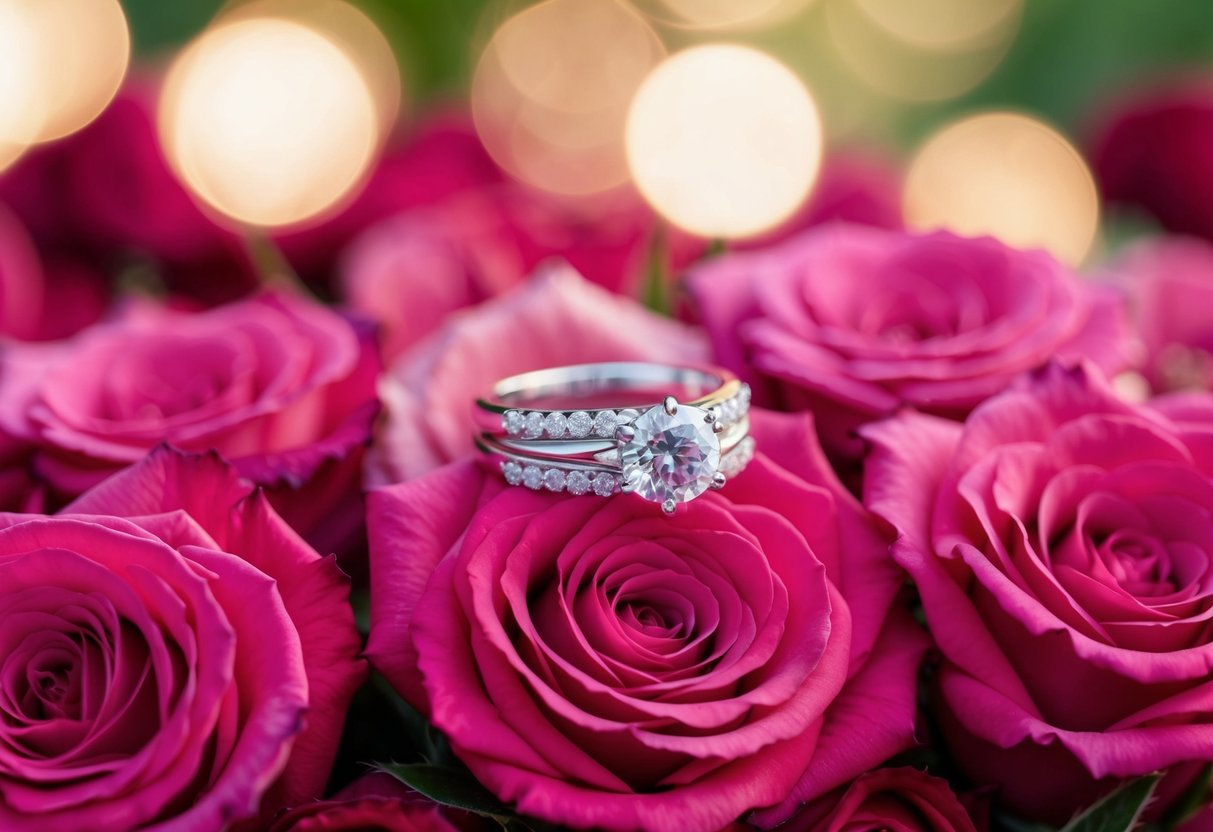
Wedding symbols, like doves and hearts, enhance the beauty of your ceremony and reflect the joy of your union. They remind you of the love and support you receive from family and friends.
By understanding these symbols, you can connect more deeply to the significance of your commitment and enjoy the rich traditions surrounding marriage.
Embracing these symbols not only enriches your wedding experience but also strengthens your relationship over time. As you take this journey together, consider the meaning behind these tokens and how they can enhance your married life.
Historical Overview of Marriage Symbols
Marriage symbols have a rich history that reflects various cultures and traditions. These symbols have evolved over time, showing how love and commitment are celebrated differently around the world. Understanding these changes helps you appreciate the depth of marriage as a concept.
Evolution of Symbols and Traditions
Marriage symbols have transformed significantly throughout history. In ancient times, different cultures used unique tokens to represent weddings.
For instance, the ring has been a common symbol since the Romans, who believed it signified eternity and love’s unbroken circle.
In Ancient Rome, couples often exchanged wheat cake for luck and fertility during ceremonies. The bridal veil symbolizes modesty and purity, tracing its roots to ancient traditions. Over time, many symbols have merged into modern wedding customs, like the white wedding dress, which emerged in the 19th century.
These symbols carry deep meanings, showing how traditions can adapt while keeping their essence.
Cultural Significance and Variations
Cultural differences significantly influence marriage symbols and traditions worldwide. For example, in some Asian cultures, the dragon symbolizes marital strength and fertility. In Western cultures, the infinity symbol represents eternal love, often seen in wedding rings.
Customs like ring exchanges and bouquet tosses reflect a mix of beliefs and traditions. The color worn during the ceremony can also vary; white symbolizes purity in some cultures, while red represents happiness and prosperity in others.
These variations highlight not just the diversity of marriage practices, but also how love is universally cherished across cultures. Understanding these differences enriches your perspective of marriage symbols and their meanings.
Significant Symbols of Matrimony
Marriage is filled with meaningful symbols that represent love, unity, and commitment. Understanding these significant symbols can deepen your appreciation of the sacred bond you share.
Wedding Rings: A Universal Emblem of Love
Wedding rings are perhaps the most recognized symbol of matrimony. Their circular shape represents an unending commitment, with no beginning or end, symbolizing eternal love.
When you wear a wedding ring, it serves as a constant reminder of your vows. The ring is often engraved with a personalized message or symbol to add a unique touch. Many couples choose rings featuring the infinity symbol to further emphasize their everlasting bond.
Gold and platinum are popular choices for wedding rings due to their durability, while gemstones can add personal flair. Each time you look at your ring, it reflects the love and promises you have made together.
Other Notable Symbols: Beyond the Ring
While wedding rings are essential, several other symbols hold deep meanings in matrimony.
1. The Dragon and Phoenix: This symbol, common in some cultures, represents the balance of yin and yang in a marriage. The dragon signifies strength and authority, while the phoenix symbolizes beauty and grace. Together, they create a harmonious union.
2. Veils: Often used in weddings, veils symbolize purity and the new beginning of married life. They create a beautiful moment during the ceremony.
3. Coins (Arrhae): In some traditions, coins symbolize prosperity in the marriage. They express the couple’s commitment to supporting each other financially and sharing their blessings.
These symbols enhance the wedding ceremony and reflect the deeper meanings behind your commitment. Each symbol adds richness to the journey you embark on together.
Ceremony and Celebratory Symbols
Weddings are rich in symbols that create memorable moments. Elements like the unity candle and doves play a significant role in expressing love and commitment. Understanding these symbols enhances your appreciation of the ceremony.
Ritualistic Elements in Weddings
Rituals during weddings include various elements that hold special meanings. The unity candle represents the merging of two lives into one.
Typically, the couple lights the candle together, symbolizing their commitment to partnership.
Wedding bells also carry a cherished tradition. Their ringing signifies joy and love. You may notice bells incorporated into decorations or even in the ceremony itself.
The bridal veil is another important symbol. Historically, it has represented purity and modesty. The act of lifting the veil connects to the idea of revealing true love during the vows.
Additionally, the wedding cake is a sweet highlight. Cutting the cake together symbolizes the couple’s shared life ahead. It reflects their willingness to share not just dessert but also all the special moments to come.
The Role of Nature and Festivity
Nature plays a huge part in creating the right atmosphere for your wedding. Flowers are perhaps one of the most recognized symbols.
Each type of flower holds unique meanings, such as roses symbolizing love or lilies representing purity. They not only add beauty but also deepen the emotional connection of the ceremony.
Doves are another natural element often featured. Releasing doves symbolizes peace, harmony, and new beginnings. This act can be a moving highlight during your ceremony.
The backdrop of your wedding—whether a garden, beach, or hall—also contributes to the celebratory feel. These natural settings reflect joy and hope. Together, they enhance your special day, making it unforgettable for you and your guests.
Symbols of Fidelity and Good Fortune
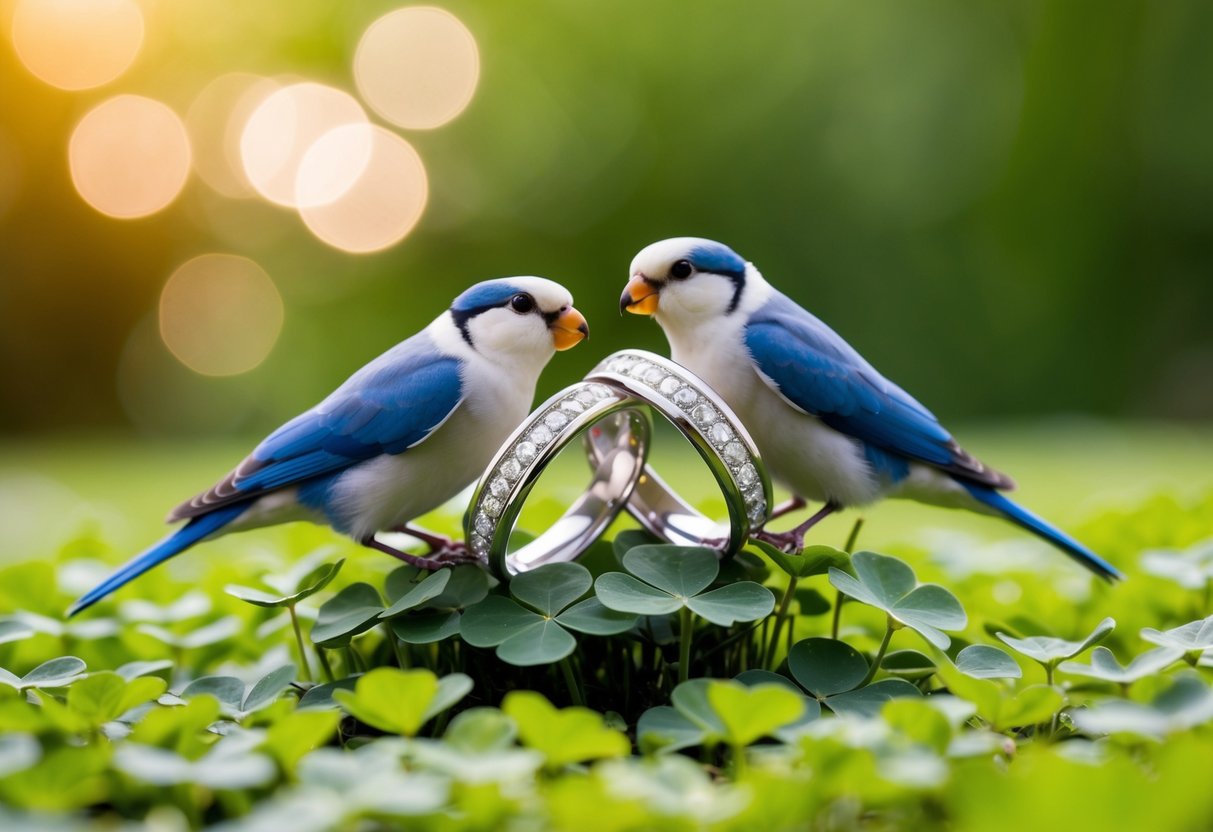
Fidelity and good fortune play vital roles in marriage. Various traditional tokens and newer trends bring luck and symbolize love and commitment in your relationship.
Traditional Tokens and Practices
Many couples incorporate traditional symbols into their wedding customs. One classic symbol of good luck is the sixpence, often placed in the bride’s shoe.
This coin represents wealth and prosperity in the marriage.
Another tradition involves the phrase “something old, something new, something borrowed, and something blue.” Each item symbolizes different aspects of the marriage.
For example, something old signifies continuity, while something new represents hope for the future.
Brides often carry floral arrangements like orchids, which symbolize love, beauty, and strength. Plus, having bridesmaids wear matching attire represents support and friendship, further enhancing the bond of commitment.
Adopting Newer Trends for Luck and Happiness
In modern weddings, couples adopt various new trends to symbolize good fortune. Many choose to incorporate personalized items that reflect their journey together.
For instance, a charm bracelet with symbols of your relationship can serve as a daily reminder of your love.
Another popular custom is using handsome crosses or other meaningful symbols in your decor. These items can symbolize faith and support in your relationship.
Couples also use modern decor themes and favors that exhibit their uniqueness. Such choices bring a refreshing look to traditional celebrations while still emphasizing love and commitment.
By combining these newer elements, you make your wedding memorable and filled with meaning.