
What Is the Most Popular Month to Get Married? Discover the Trends Behind Wedding Season
Choosing the perfect time for your big day is important, and knowing when most couples tie the knot can guide your decision. June is the most popular month to get married, followed closely by September and October. These months often attract couples for their pleasant weather and beautiful scenery.
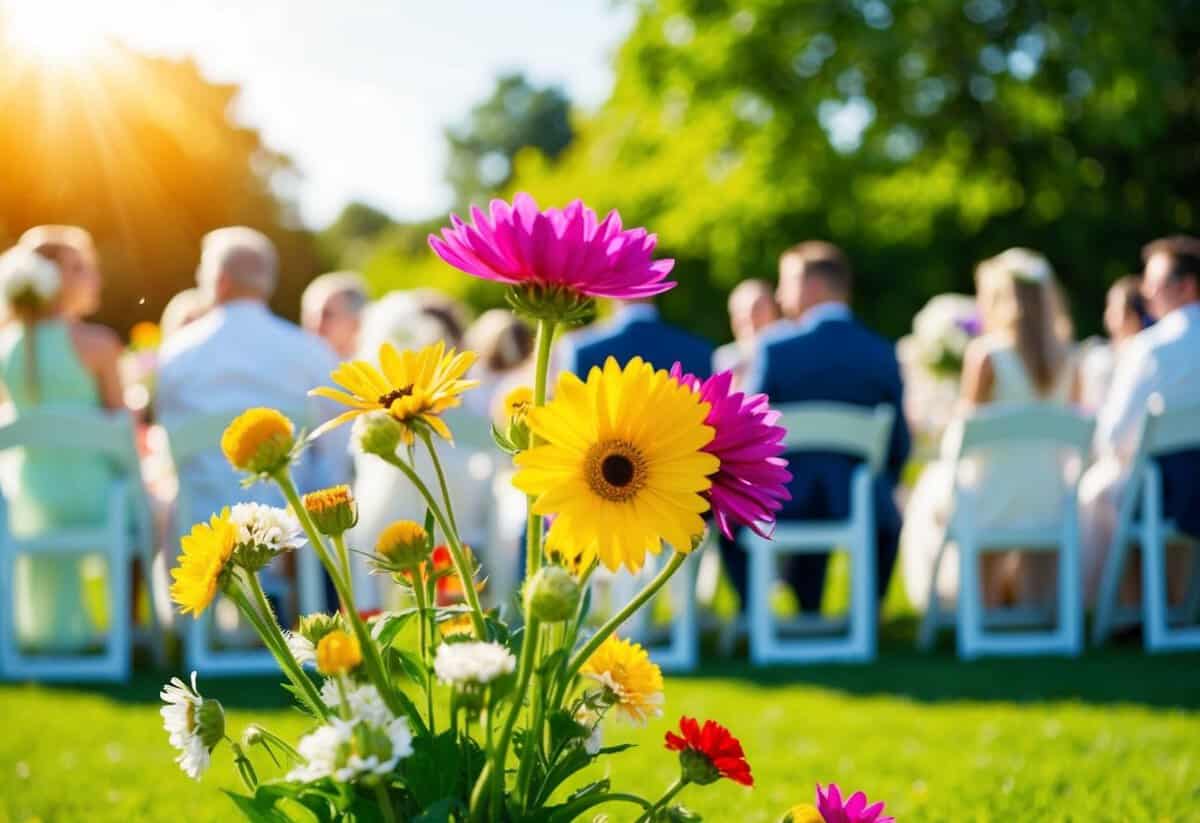
If you’re wondering why these months are so favored, it’s often about the combination of ideal temperatures and the lush outdoor settings that make for stunning ceremonies and photographs. Wedding season typically peaks in late spring to early fall, making these months not just popular but also a great time for celebrations.
As you plan, keep in mind that these popular wedding months might also mean higher costs for venues and services due to demand. Knowing when to get married can help you budget wisely and pick the right date that fits both your style and your wallet.
Choosing Your Ideal Wedding Month
Selecting the perfect wedding month can shape your entire wedding experience. It impacts everything from the ceremony’s atmosphere to the availability of venues and vendors. Here are some important aspects to consider.
The Significance of Picking the Right Date
Choosing the right date for your wedding is crucial. It sets the tone for your celebration and can affect guest attendance. Dates that coincide with holidays or major events may lead to scheduling conflicts.
Consider your own significant dates as well, like anniversaries or important milestones. These personal touches can make your wedding feel even more special.
Your wedding date can also affect pricing. Peak wedding season generally runs from late spring to early fall, often resulting in higher costs for venues and services.
Assessing Seasonal Preferences
Season plays a significant role in how your wedding looks and feels. Think about the kind of weather you prefer. Summer months offer warmth but can be very hot, making outdoor ceremonies challenging.
If you love colorful scenery, fall weddings can provide stunning views with vibrant leaves. Winter weddings offer a unique charm and the possibility of beautiful snowy backdrops.
Don’t forget about spring, when flowers bloom, creating a lovely environment for your vows. Choose a season that aligns with your vision and lifestyle for your big day.
Understanding Peak Wedding Season
Most couples choose to marry during peak wedding season, particularly in June, September, and October. These months are popular for good reason: pleasant weather and beautiful settings enhance your wedding experience.
However, this popularity comes with drawbacks. Costs tend to be higher, and venues can book up quickly. If you are planning during peak season, it’s wise to start your search early.
Consider your local climate; certain months may be more favorable in your area. Additionally, keep in mind that some regions experience peak wedding season at different times.
Considering Off-Season Advantages
Choosing an off-season wedding can be a smart move financially. Off-season generally refers to late fall or winter months. During this time, venues and vendors often offer lower rates to attract couples.
By selecting an off-season date, you may access top-tier venues without breaking the bank. Also, you have a better chance of securing your desired date and more availability with vendors.
Additionally, off-season weddings can create a cozy and intimate atmosphere. Unique seasonal themes can enhance the feel of your celebration.
Wedding Planning Insights
When planning your wedding, it’s essential to consider several key factors. These include vendor availability and costs, the influence of weather on your plans, and how your venue selection plays a role in the overall experience.
Vendor Availability and Costs
Choosing the right month to get married impacts vendor availability significantly. Popular months can mean higher demand. This leads to increased costs for services like catering, photography, and floral arrangements.
To secure your preferred vendors, consider booking them well in advance. Make a list of potential vendors and ask about their availability and prices. This way, you can budget effectively and find the best deals.
Strategies like having a flexible date can help too. Off-peak months may offer lower rates and more availability.
The Influence of Weather on Wedding Arrangements
Weather can be a game changer for your wedding plans, especially if you’re considering an outdoor ceremony. Choosing a month with favorable weather conditions increases your chances of a beautiful day.
For summer weddings, think about heat management, such as shaded areas and cool drinks. In fall, be ready for unpredictable rain.
Be sure to have a backup plan, such as a tent or an indoor venue option. This will help ease any stress if the weather doesn’t cooperate.
Selection of Venue and Accommodations
The venue you select plays a crucial role in your wedding experience. Popular wedding months often see venues booked quickly. Therefore, it’s important to prioritize potential locations early.
When looking at venues, think about guest accommodations too. Consider factors like proximity to hotels and accessibility for your guests.
Also, take into account the ambiance of the venue. Does it suit your theme and guest count? A well-thought-out selection will enhance the overall celebration, making it memorable for everyone involved.
Seasonal Considerations for Weddings
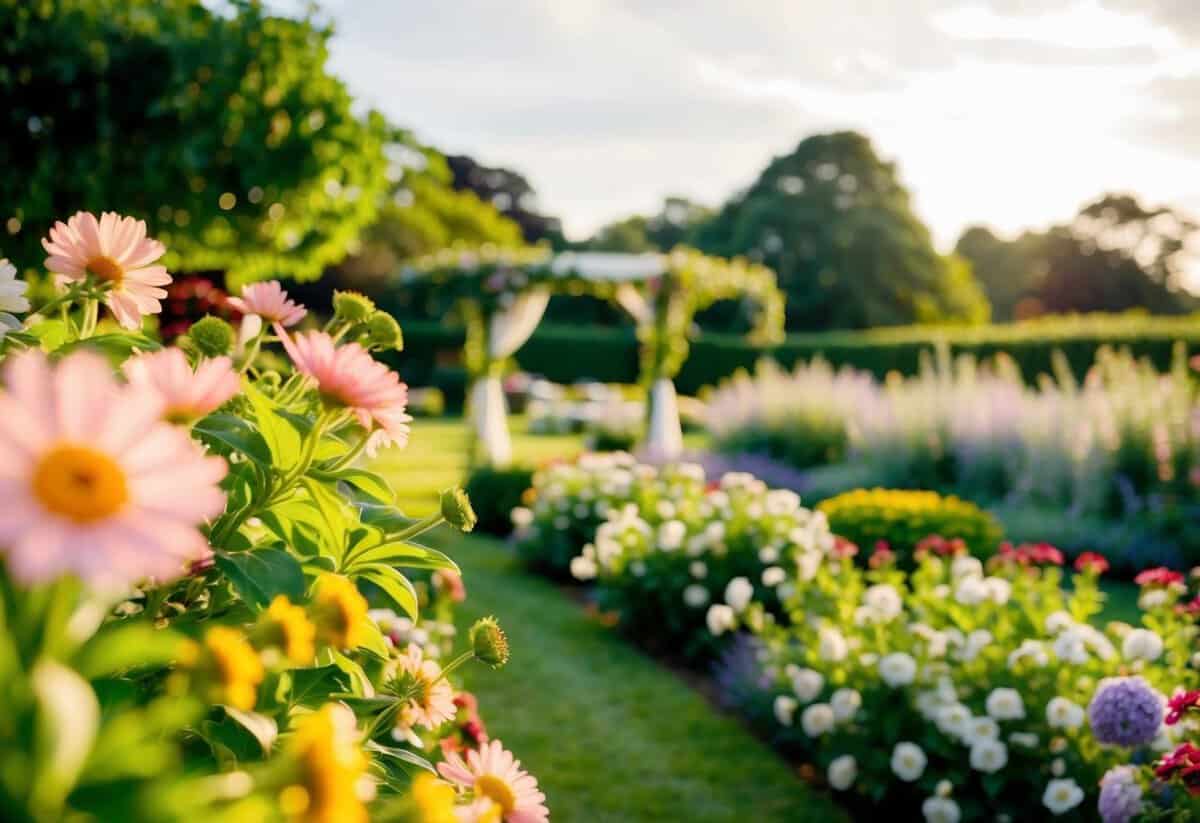
When planning your wedding, the season can greatly influence your experience. Each season offers unique benefits and challenges. From the beauty of spring blooms to the cozy charm of winter celebrations, understanding these aspects can help you choose the best time for your big day.
Spring and Summer Celebrations
Spring and summer are popular for weddings due to the temperate weather and vibrant landscapes. Many couples choose these seasons for outdoor weddings, taking advantage of blooming flowers and sunny skies.
Spring weddings often feature seasonal flowers like tulips, daffodils, and peonies, which can brighten your decor. Summer weddings allow for bright colors and longer days, making an open-air reception delightful.
Considerations for these seasons include potential heat and rain. Be prepared with options like shade or indoor facilities. You might also want to consider the peak months when venues may be booked far in advance.
The Charm of Fall and Winter Weddings
Fall and winter weddings have their own special appeal. Fall weddings can capture the rich colors of leaves changing, offering a stunning backdrop for your ceremony. Popular months like September and October can be cooler and comfortable.
In winter, weddings can feel magical with festive decorations and cozy atmospheres. Think about incorporating decorations like twinkling lights and evergreen arrangements. Seasonal flowers might include chrysanthemums for fall or poinsettias for winter.
However, you should also consider potential weather challenges, such as rain or snow. Planning for indoor venues or tents can help ensure your day goes smoothly regardless of the elements.
Floral and Decor Themes by Season
Your flower choices greatly influence your wedding’s feel.
For spring, consider pastel color palettes with flowers like lilacs and ranunculus.
Summer allows for bold, sunny blooms like sunflowers and roses.
When it comes to fall, think deeper tones with dahlias and asters, which create a warm atmosphere.
Winter florals can include classic evergreens, white roses, and seasonal berries.
Your decor can reflect the mood of the season, so adapt lighting and linens accordingly.