
What Is the Normal Order for a Wedding? A Simple Guide to Your Big Day
Planning a wedding can be both exciting and overwhelming. Knowing the typical order for a wedding can help you visualize the ceremony and keep everything organized. In a typical wedding ceremony, the couple, wedding party, and family make their way down the aisle.
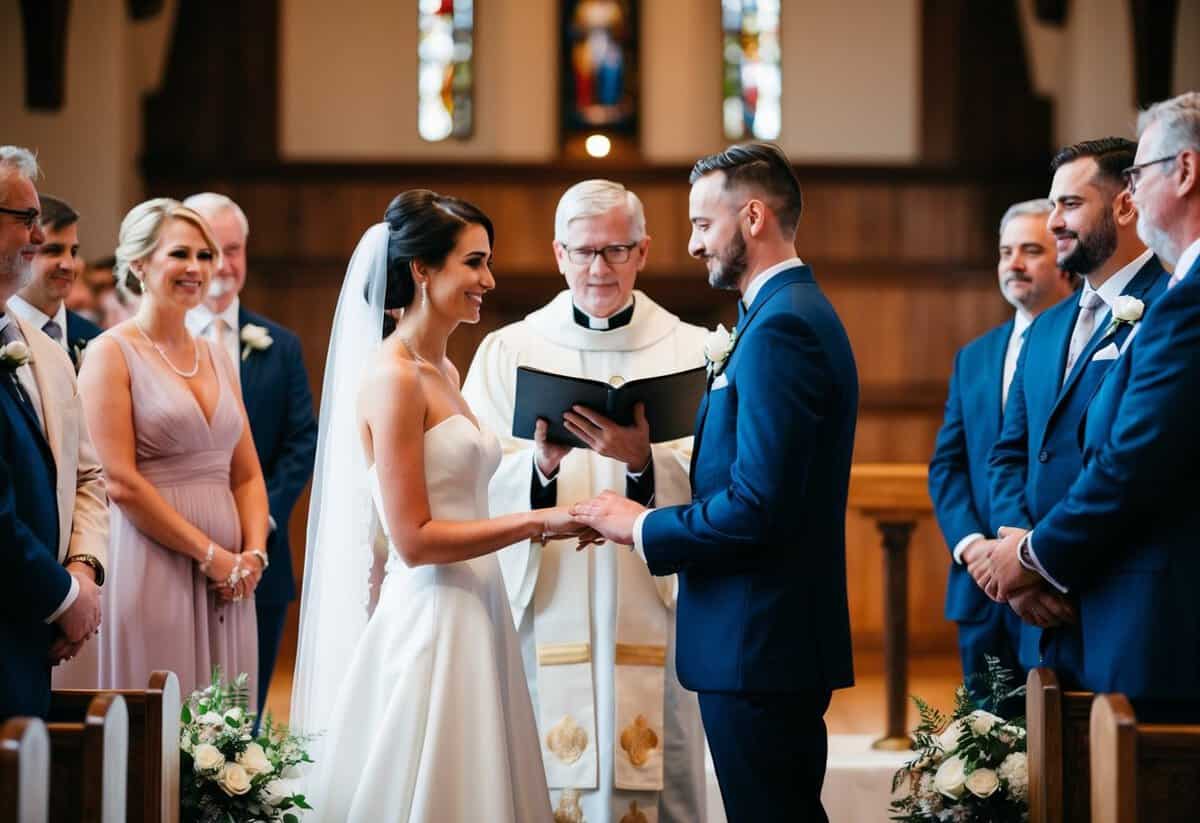
From there, events usually include readings, vows, and ring exchanges, all leading up to the moment you say “I do.” Each wedding may have its own unique touch, but following a common structure can ease the planning process. By understanding this order, you can enhance your special day and ensure everything flows smoothly.
The Wedding Ceremony Basics
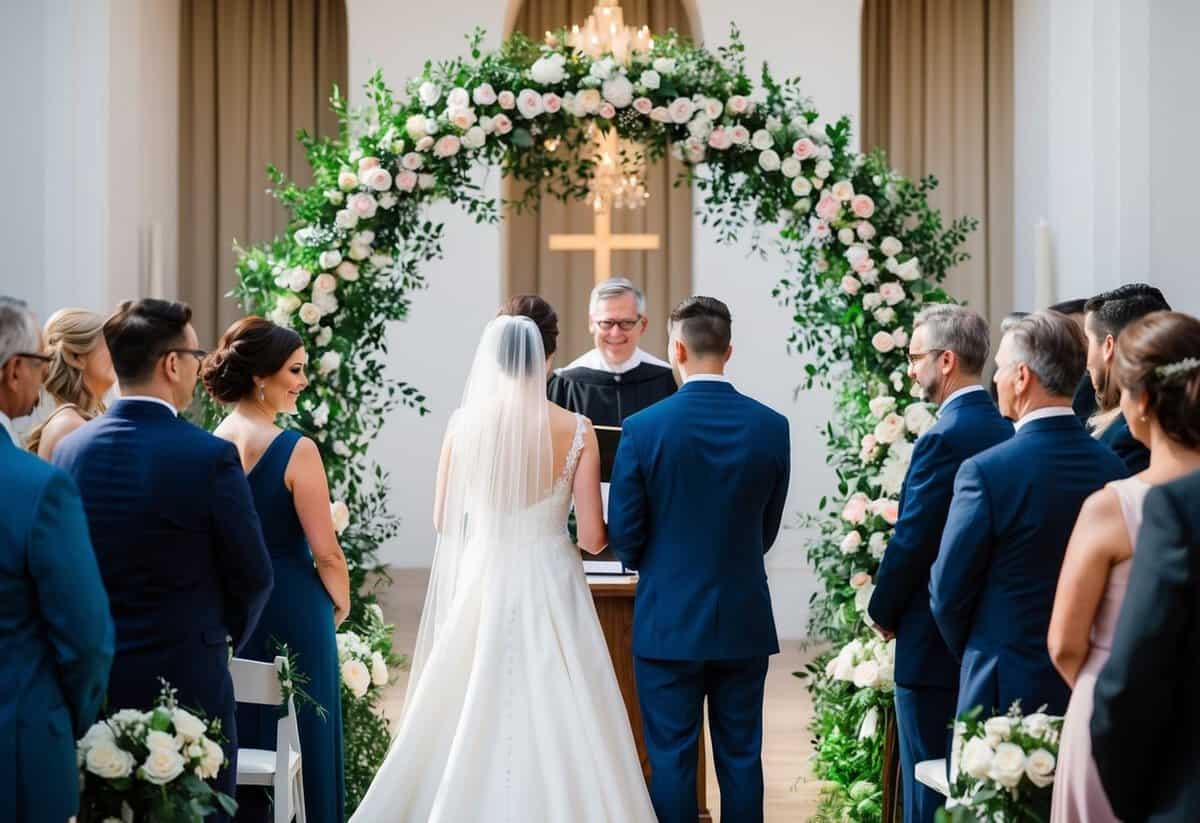
When planning your wedding, understanding the ceremony can make the day smoother. Key elements include the structure of the ceremony, the roles of the wedding party, and the processional and recessional. Here’s a closer look at these important pieces.
Understanding the Ceremony Order
The typical wedding ceremony order sets the stage for your big day. It usually begins with opening remarks from the officiant. This greeting welcomes guests and sets the tone.
Next comes the processional, where the wedding party enters. You’ll want to think about this order carefully. Traditional weddings may follow specific styles, like a Catholic wedding processional order or a Jewish wedding ceremony order.
Following the processional are important moments. You will exchange vows and rings, express your intent to marry, and share your first kiss. Each step has its own significance within a ceremonial outline that reflects your love and commitment.
Roles of the Wedding Party
Understanding the roles of your wedding party is crucial for a smooth ceremony. Typically, there are several key players: the officiant, the bride and groom, bridesmaids, groomsmen, and any special attendants, such as a flower girl or ring bearer.
The officiant guides the ceremony, leading you through the order and ensuring everything flows smoothly. Your bridesmaids and groomsmen are there to support you, walking down the aisle and standing by your side.
This ensemble plays a vital role in personalizing your ceremony. Deciding how many people to include and what their roles will be adds a personal touch to your celebration. With the right team, you’ll create unforgettable memories.
Significance of the Processional and Recessional
The processional and recessional are two of the most emotional parts of your ceremony. The processional marks the moment you walk down the aisle, typically accompanied by meaningful music. This is when all eyes are on you, so choosing the right song is key.
After the vows and pronouncement, the recessional celebrates your new status as a married couple. It’s often more upbeat, allowing you to exit with joy. The traditional wedding ceremony generally includes specific music or movements for both sections.
The unity ceremony can also take place during the wedding, symbolizing your union in a unique way. Whether you choose a candle lighting or sand ceremony, it adds depth to your celebration.
Cultural and Religious Influences
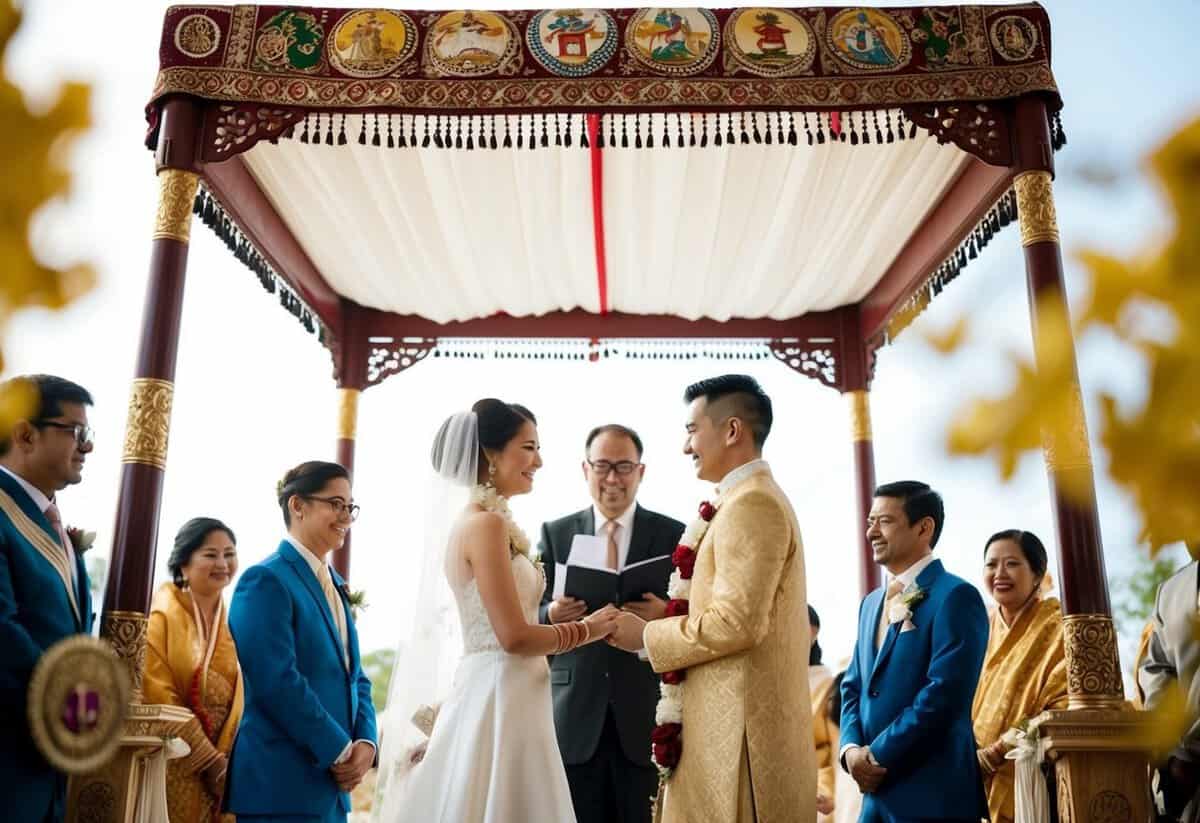
Weddings can vary greatly due to cultural and religious practices. These influences shape ceremonies in unique ways, adding meaning and tradition to each event. Understanding these customs helps you appreciate the diversity in wedding celebrations across the world.
Customs in Different Traditions
In a Jewish wedding ceremony, you may encounter the chuppah, a canopy symbolizing the couple’s new home. The ketubah, a marriage contract, is also an essential part of the tradition. Following the ceremony, the sheva brachot, or seven blessings, are recited.
In contrast, a Hindu wedding ceremony often includes a mandap, which is the canopy under which the vows are taken. During the ceremony, you might see the baraat, where the groom arrives in a festive procession. Key rituals include shagun, where gifts are exchanged, and the couple makes vows around the sacred fire.
In Christian wedding ceremonies, elements such as the rite of marriage and recitations of the Lord’s Prayer are common. You will often see the bridal party consisting of a maid of honor, best man, and groomsmen present. Reading from the gospel and a homily may also be included in a Catholic mass.
Incorporating Personal and Spiritual Elements
Many couples blend their cultural practices with personal touches. This is common in nondenominational weddings, where you can create your own rituals that reflect your values and beliefs.
For example, if you love both traditions, you might include elements like a ring bearer and flower girl from traditional ceremonies while still honoring personal commitments. You can personalize vows, choose special readings, or incorporate family traditions that highlight your love and commitment.
Each wedding is unique, and incorporating elements that resonate with you and your partner makes the day even more special. It’s a lovely way to celebrate your journey as a couple while embracing the rich tapestries of cultural influences.
Key Moments and Symbolism
During a wedding ceremony, specific moments hold deep meaning for you and your partner. These key moments celebrate your love and commitment, often with unique traditions. Understanding these elements can help make your ceremony truly special.
Exchange of Vows and Rings
The exchange of vows is one of the most important parts of your ceremony. Here, you express your love and commitment to one another. Each vow is personal, often reflecting your journey as a couple. After the vows, the ring exchange symbolizes your promise and devotion.
Wedding rings, usually made of precious metals, represent unbroken love. They are worn on the fourth finger because it was believed to have a direct connection to the heart. Together, these moments solidify your bond and mark the beginning of your married life.
Unique Ceremonial Practices
Many weddings include unique practices that reflect cultural traditions. For example, in a Jewish wedding, the bedeken involves the groom covering the bride’s face with a veil before vows. This symbolizes modesty and commitment.
Additionally, the breaking of the glass at the end of a Jewish ceremony serves to remind you of the fragility of relationships.
In Christian weddings, the unity ceremony often includes lighting a candle together, symbolizing your new life as one.
Each practice adds depth and meaning to your wedding day, making it a memorable experience for you, your family, and friends.