
What is the Normal Order of Speeches at a Wedding? A Simple Guide for Your Big Day
When it comes to weddings, the moments that stand out often include heartfelt speeches. The normal order of speeches at a wedding usually starts with the Father of the Bride, followed by the Father of the Groom, the Groom, the Best Man, and sometimes the Bride. Understanding this traditional wedding speech order can help you plan your reception smoothly.
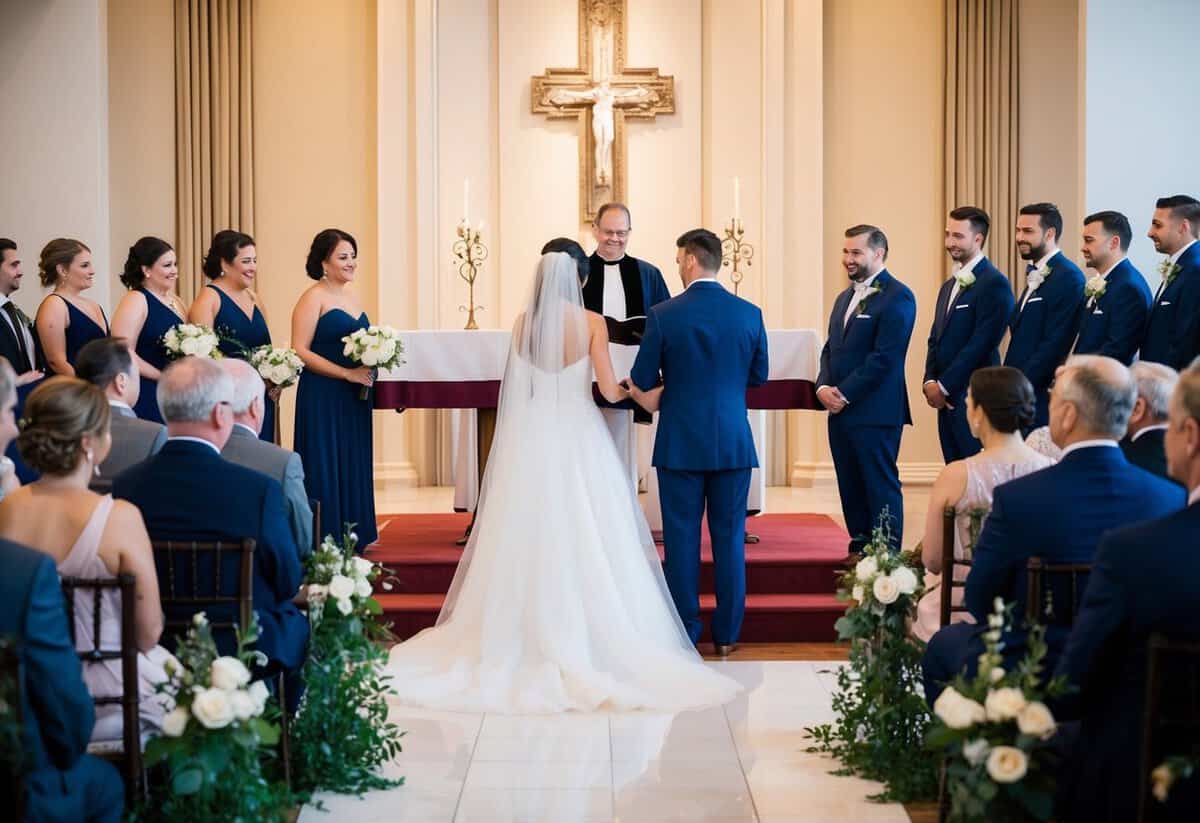
Each speech brings a unique touch to the event, providing a blend of humor, gratitude, and love. It’s helpful to know who speaks when, as this sets the tone for the evening and allows guests to enjoy the festivities afterward.
This guide will walk you through the normal order of wedding speeches, offering tips on what to include and how to personalize each speech for maximum impact. Whether you’re part of the wedding party or a guest, this information will help you appreciate the special moments created during these toasts.
Understanding the Traditional Order of Wedding Speeches
In weddings, the order of speeches follows a traditional structure. Knowing who speaks and when can help you create a memorable experience for everyone involved. Each person has a role that adds meaning to the event.
Significance of Speech Order
The traditional order of wedding speeches carries importance. It highlights family dynamics and respects cultural customs. Typically, the speeches start with the father of the bride. This moment acknowledges the bride and her parents.
Next, the groom speaks, often thanking the bride’s family. Following him, the best man shares stories that usually involve humor. It’s a time for laughter while also honoring the couple.
The maid of honor then speaks, often sharing her feelings about the bride. The structure ensures that important relationships are recognized. It keeps the flow moving and engages the guests throughout the celebration.
Key Figures in the Traditional Line-Up
Several key figures play vital roles in the traditional wedding speech line-up. The father of the bride often gives a heartfelt speech first. He usually expresses pride and welcomes the groom into the family.
Next, the groom takes a turn, thanking everyone for attending and celebrating with them. He often focuses on the bride, sharing his love for her.
The best man adds fun and laughter. His speech usually includes light-hearted stories that show off the groom’s character.
The maid of honor wraps up the sequence with words about the bride. These speeches create a balanced mix of emotion and humor, making for a memorable evening.
Understanding this order helps you appreciate each person’s contribution to the celebration.
Contemporary Trends in Wedding Speeches
Today’s weddings embrace a mix of personal touches and cherished traditions. When planning your speeches, consider how to make them unique while honoring the customs that matter to you and your families.
Incorporating Personal Preferences
Many couples now prioritize personal stories in their speeches. Your friends and family might share memories that showcase your relationship’s unique journey. For example, a close friend might recall how you met or a funny mishap that happened during your engagement.
You can also encourage your wedding party to add their creative spins. This can include poems, songs, or even short skits. Such additions often bring laughter and connection to your wedding experience.
Additionally, the speech order is becoming more flexible. While the traditional order usually starts with the father of the bride, many couples now invite the bride or groom to speak earlier to engage guests right away. This shift adds a more personal touch from the start.
Balancing Tradition and Modernity
Combining modern elements with traditional formats allows you to respect your families while still being true to yourselves. You can choose to follow the classic speech order or adjust it based on your preferences. Commonly, the groom’s speech is heartfelt, usually thanking the guests and acknowledging both families.
While honoring traditions, you might choose to include a special toast to loved ones who cannot attend, keeping their spirit alive during your celebration. Doing this honors family connections, which is a core value in many cultures.
Crafting Memorable Speeches
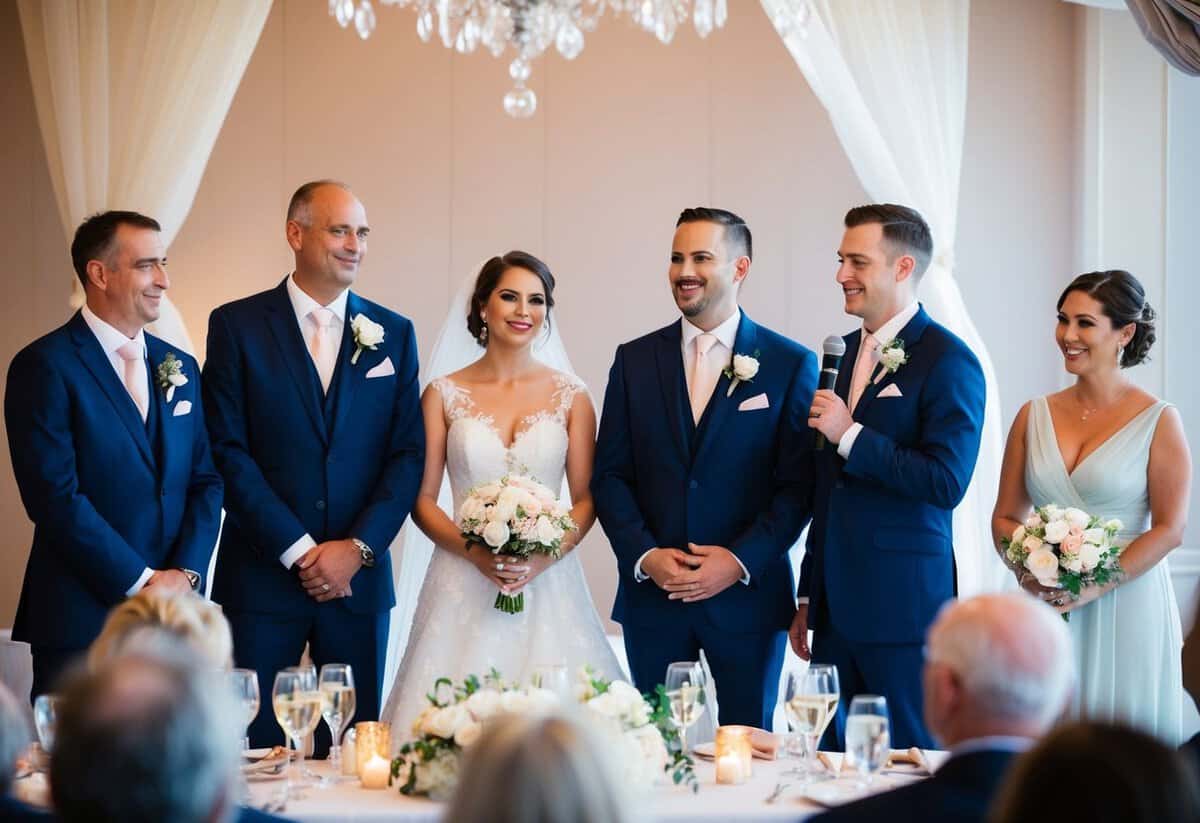
Creating a memorable wedding speech involves thoughtful planning and a personal touch. Whether you are the master of ceremonies or delivering a toast, understanding the key elements can help you connect with the audience.
Role of Master of Ceremonies
As the master of ceremonies, your role is crucial in setting the tone for the evening. You are in charge of guiding the guests through the schedule. This includes introducing speakers and ensuring the program flows smoothly.
Start with a warm welcome. Thank everyone for coming and acknowledge the couple. Then, introduce each speaker. Make sure to mention their relationship to the couple. This creates a personal connection.
Keep the energy up throughout the event. Use humor and heartfelt sentiments to maintain engagement. A well-prepared master of ceremonies can make the night truly unforgettable.
Adding Personal Touches
Personal touches make speeches more engaging. Share anecdotes or stories that highlight the couple’s journey. For example, if you’re a family member, recount a touching moment or funny incident involving the couple.
Incorporate elements of family dynamics. This shows the couple’s support system and adds depth to your speech. Be sure to respect any sensitive topics and keep the mood light.
End your speech with a thoughtful wedding toast. This could encompass their vows or dreams for the future. A heartfelt conclusion leaves a strong impact and uplifts the atmosphere, making your speech memorable.
Navigating Speech Etiquette
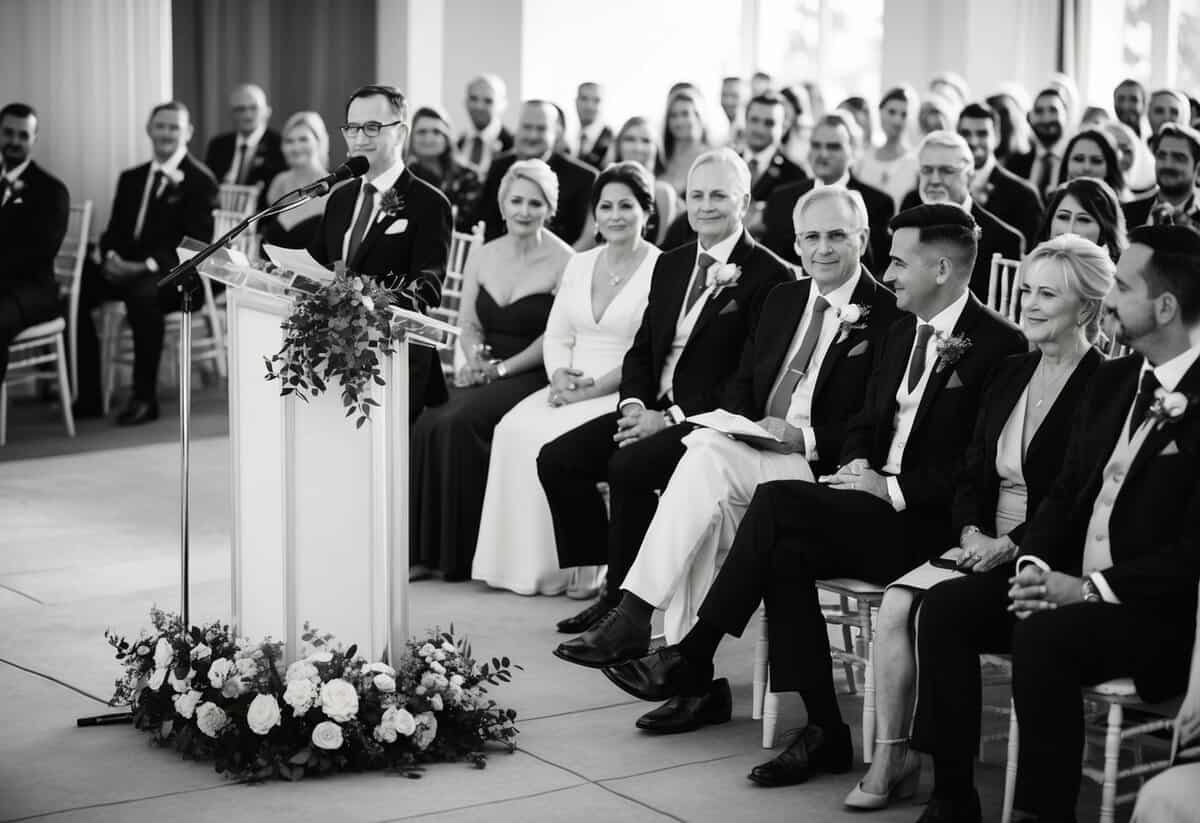
When it comes to wedding speeches, timing and family dynamics play important roles. Knowing the right order and managing interactions can create a smooth experience for everyone involved.
Timing and Pacing
Timing is important for wedding speeches. Traditionally, the order often starts with the father of the bride, followed by the groom, best man, and others. Your welcome speech sets the mood at the beginning, while the couple’s speech usually comes later to thank everyone.
Keep each speech between 3 to 5 minutes. This helps maintain the energy in the room. Remind speakers to stay focused on their message and avoid going off on tangents. You can also suggest creating a mini-timetable for the event, so everyone knows when it’s their turn.
Managing Family Dynamics
Family dynamics can shape the tone of your wedding. Before the big day, consider discussing speech topics with family members. This can help avoid any uncomfortable subjects.
Also, make sure to respect individual preferences. Some families may have traditional norms, while others prefer a more relaxed approach. Encourage everyone to be supportive, focusing on love and positive memories.
You might want to remind speakers to express gratitude, thank the guests, and acknowledge both sides of the family. Balancing heartfelt connections with humor can create a warm atmosphere that everyone will enjoy.