
What is the Normal Procedure for a Wedding? A Simple Guide to Your Big Day
Planning a wedding can feel overwhelming, but understanding the normal procedure can make it simpler and more enjoyable. The typical wedding procedure includes several key steps, from the ceremony’s processional to personal vows, each contributing to a meaningful celebration of love and marriage. Knowing what to expect can help you personalize your ceremony and create a day that reflects your unique relationship.
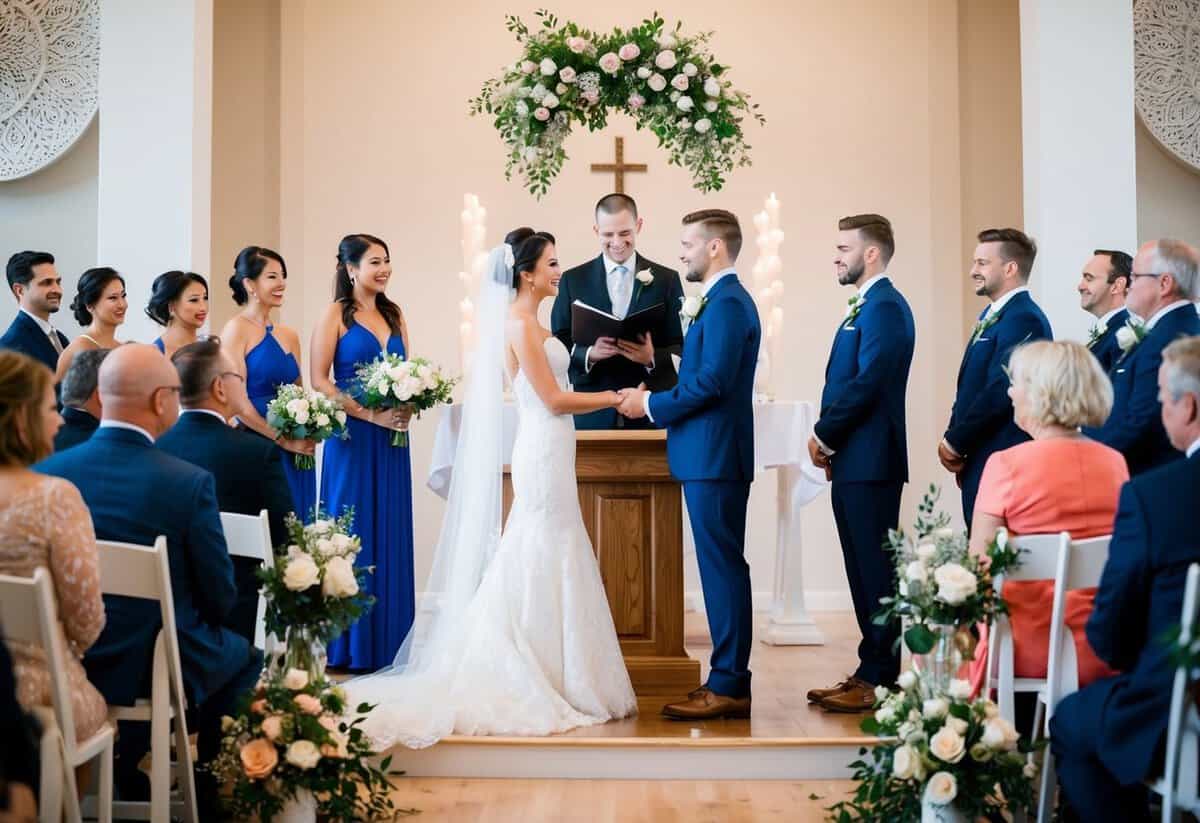
When choosing a wedding venue, think about how it complements your vision. Whether it’s a church, garden, or beach, your venue sets the tone for your ceremony.
As you move through the process, consider how each part of the event—like the exchange of rings and heartfelt readings—can bring your friends and family together to celebrate your love.
By following the standard wedding procedure, you not only reduce stress but also ensure that you and your partner can cherish every moment. Embrace this special time, and let the joy of your commitment shine as you prepare for your big day.
The Ceremony Structure and Participants
A wedding ceremony has a specific structure that helps create a memorable experience. Understanding the roles of participants and the order of events can ease some of the stress that comes with the big day.
Processional and Opening
The ceremony begins with the processional. This is when the wedding party walks down the aisle.
Typically, the groom and groomsmen enter first. The bridesmaids follow, and finally, the bride walks in, often with her father or another significant person.
As the bride approaches, there is often a moment of gasp or applause from the guests. Once everyone is in place, the officiant welcomes the guests and introduces the couple. These opening remarks set a warm tone for the ceremony, making everyone feel included and excited.
Role of the Officiant and Wedding Party
The officiant plays a crucial part in guiding the ceremony. They lead the couple through their vows and legal requirements. Whether a religious figure or a friend, the officiant ensures everything flows smoothly.
Your wedding party supports you throughout this process. The best man stands by the groom, while the maid of honor stands by the bride. Bridesmaids and groomsmen stand beside each of them.
The flower girl and ring bearer add charm as they walk down the aisle, carrying flowers and rings. Their presence creates a loving atmosphere.
Vows and Readings
The heart of the ceremony revolves around the vows. This is when you and your partner express your promises to one another. Writing personal vows can make this moment even more meaningful.
Sometimes, couples include readings during the ceremony. These can be poems, passages, or quotes that resonate with you both. They add depth and personalization.
Ensure the readings fit the overall tone of the ceremony. This segment is often emotional and reinforces the love you share, making it a highlight of the event.
Ceremonial Rituals and Traditions
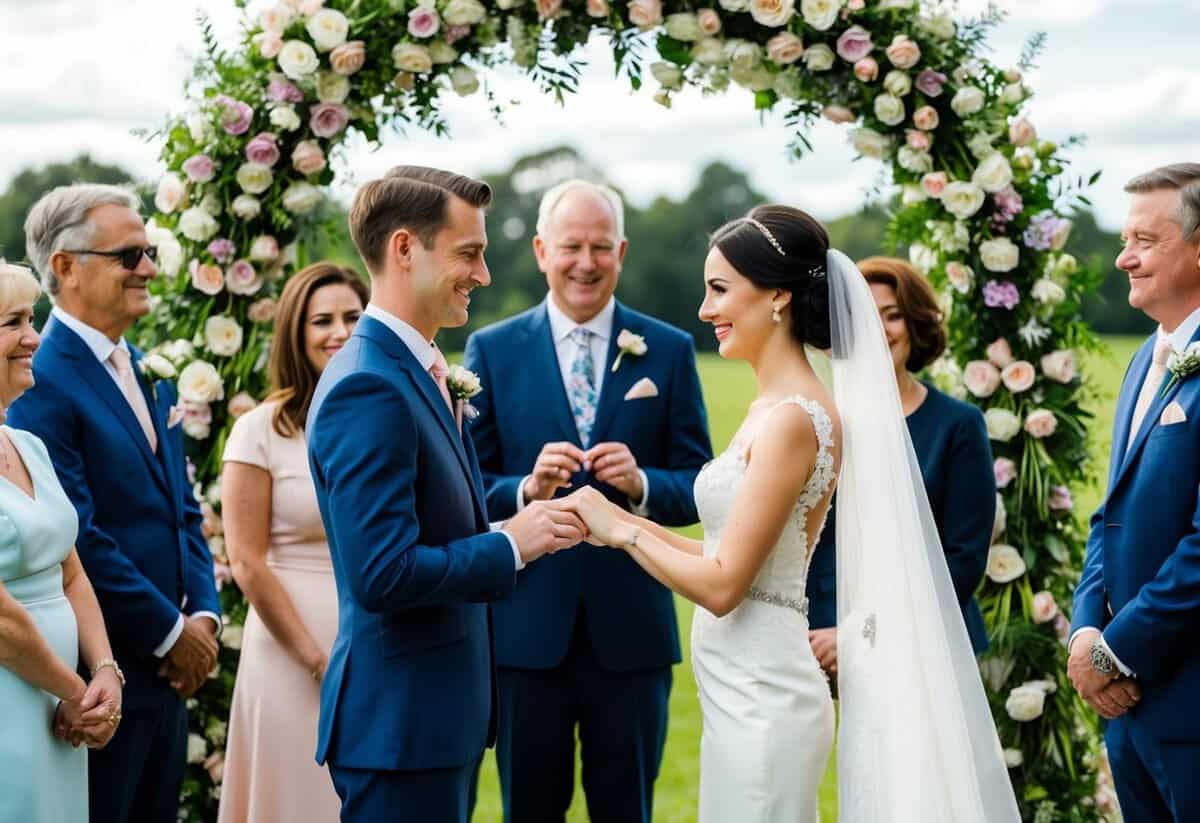
Weddings are filled with special rituals and traditions that vary across cultures and religions. These elements add meaning and depth to your ceremony.
Cultural and Religious Rites
Different cultures have unique wedding rituals that reflect their values. In a Jewish wedding, you might see a chuppah, which is a canopy symbolizing the couple’s home. The ketubah, or marriage contract, is also an important element.
In Hindu weddings, the ceremony includes the baraat, where the groom arrives in grand fashion. The saat phere involves the couple taking seven steps together, each representing a vow.
Christian weddings commonly feature the exchange of vows and rings, signifying commitment to each other. Meanwhile, Catholic weddings include specific rituals like readings and blessings, often leading to a vow exchange in the church.
Symbolic Gestures and Unity Celebrations
Unity rituals symbolize the merging of two lives. A popular example is the sand ceremony, where couples pour different colored sand into one container, showing their union.
In a Jewish ceremony, the breaking of the glass is a powerful moment that reminds the couple of life’s fragility. Meanwhile, Sheva Brachot, or the seven blessings, are recited to celebrate their union.
Many couples also engage in a unity ritual, such as lighting candles or planting a tree. These gestures reinforce the idea of togetherness and commitment. By incorporating these rituals, you can create a memorable and meaningful celebration of your love.
Concluding the Ceremony
As your wedding ceremony nears its end, two important moments are the final blessings and the pronouncement of marriage, followed by the recessional and formal exit. These steps create a joyful atmosphere as you transition into your new life together.
Final Blessings and the Pronouncement
After the couple exchanges vows and rings, the officiant will share any last blessings. This is a special moment where heartfelt words about love and happiness are offered.
Once the blessings are complete, the officiant will formally pronounce you married. This moment is significant and often accompanied by cheers from your guests. It symbolizes the union between you and your partner.
Don’t forget the first kiss as a married couple! This brief but sweet act marks the beginning of your journey as spouses and is often captured in photos for years to come.
Recessional and Formal Exit
Following the pronouncement, the recessional begins. This is when you and your partner walk down the aisle, often hand-in-hand, while your guests celebrate with applause and cheers.
During the recessional, choose an upbeat song that reflects your joy. This sets a festive tone as everyone gets up to greet you both.
After the recessional, you have the chance for a special exit. Some couples opt for confetti, bubbles, or even a ceremonial send-off with sparklers. This creates a fun and memorable finale to your wedding ceremony, allowing you to celebrate the next chapter in style.
After the Ceremony: Beginning the Celebration
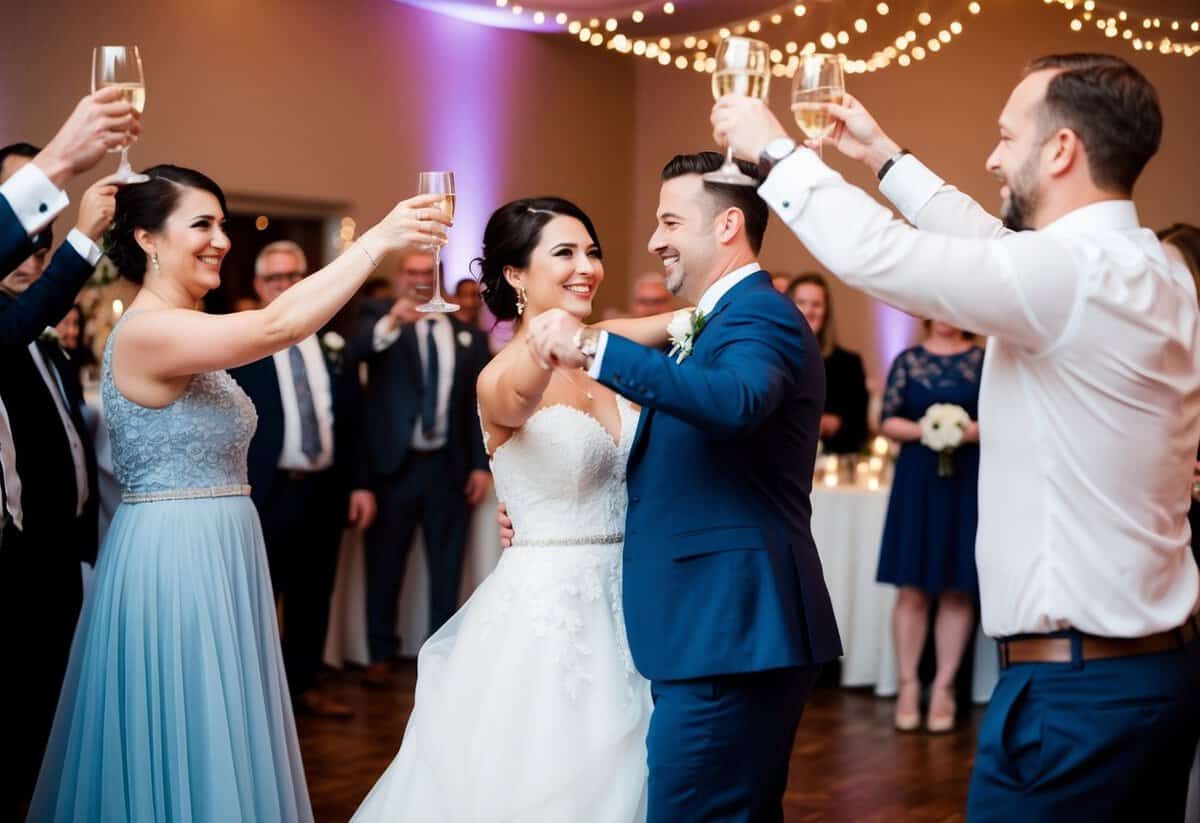
After the wedding ceremony, the celebration officially begins! This is the time for you, your family, and friends to enjoy the day together.
First Dance: One of the special moments is your first dance as a married couple. It’s a beautiful way to kick off the reception and share a personal moment while everyone watches.
Cake Cutting:
Next, you’ll have the cake cutting. This is not just about the cake; it symbolizes your unity. Make sure to capture those smiles as you feed each other a slice!
Bouquet Toss:
Another fun part is the bouquet toss. Here, you can invite the single ladies to join in for a chance to catch the bouquet. It adds excitement and laughter to the atmosphere.
Don’t forget about your loved ones! Having your parents and grandparents involved makes the day even more special. They are often excited to share in these moments.
A wedding planner can help you coordinate these activities smoothly. They ensure everything goes according to the wedding ceremony script you may have prepared with your officiant.
As you celebrate, keep those marriage license details in mind. It’s an important part of your new journey together.
Enjoy every moment and make lasting memories with the people you love!