
What Is the Officiant Supposed to Say? A Guide to Wedding Ceremony Scripts
When planning a wedding, you might wonder what the officiant is supposed to say during the ceremony. The officiant usually delivers a heartfelt message that reflects the couple’s love and commitment while guiding guests through the ceremony. This speech sets the tone for the event, welcoming everyone and sharing the significance of the vows being exchanged.
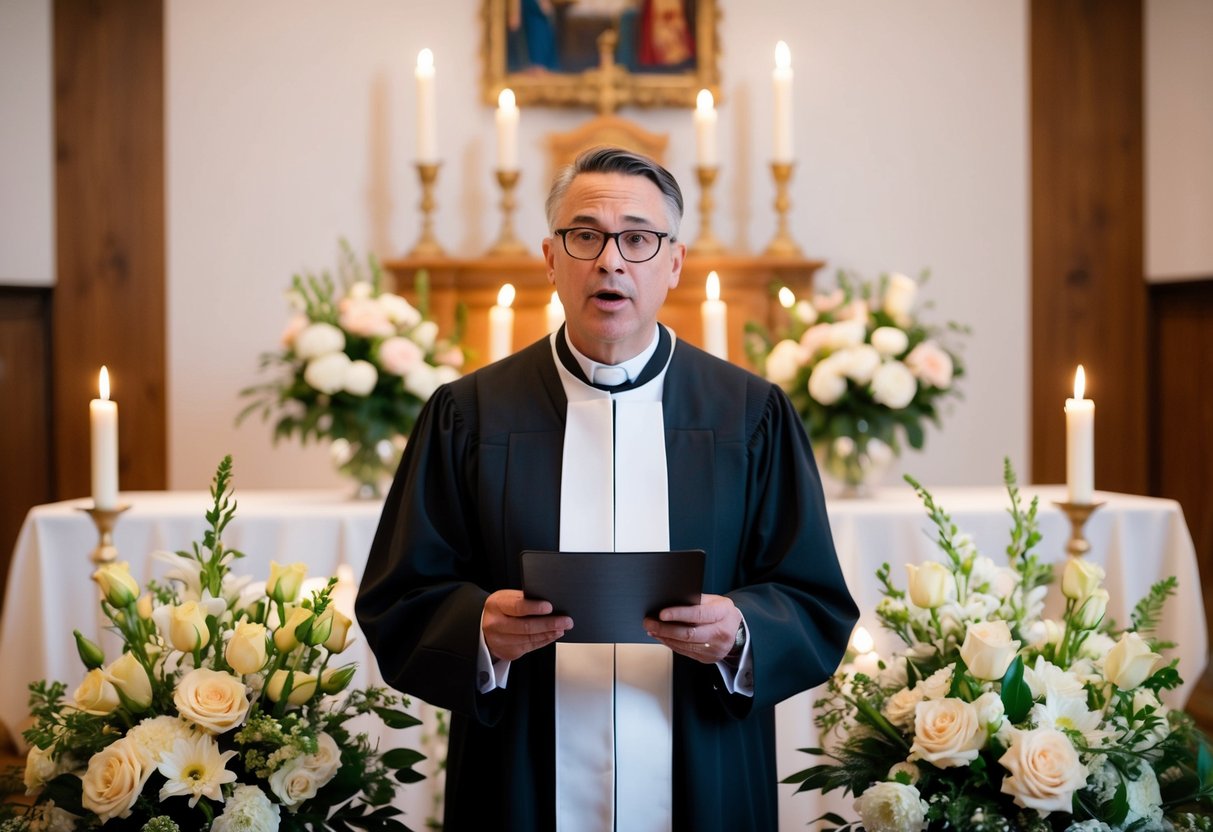
As the officiant speaks, they often include personal stories or anecdotes about the couple, making the ceremony feel unique and special. They also explain the meaning of marriage and commitment, which helps everyone understand the importance of what the couple is doing.
Understanding the officiant’s role can help you communicate your wishes and make the day memorable for you and your guests.
Whether you are the couple or just a guest, knowing what the officiant will say can enhance your appreciation of the ceremony. With a mix of warmth and sincerity, the officiant ensures that this momentous occasion is both meaningful and memorable.
Roles and Responsibilities of the Officiant
As the officiant, you play a crucial role in guiding the ceremony. You’ll set the tone, lead key moments, and ensure everything goes smoothly. Here’s a closer look at your main responsibilities.
Preparing for the Ceremony
Before the big day, preparation is key. You should meet with the couple to discuss their vision for the ceremony. This is a great time to understand their values and preferences.
You’ll also need to review any legal requirements. This includes ensuring the couple has their marriage license ready.
Familiarize yourself with the venue to plan the best flow for the ceremony.
Don’t forget to attend the wedding rehearsal. This allows you to run through the schedule and helps everyone feel more comfortable with the plan.
Opening Words and Invocation
At the start of the ceremony, you will deliver opening words. Your goal is to welcome guests and create a warm atmosphere. This is a chance to introduce the couple and share their story.
You’ll also give an invocation, which is a blessing or meaningful message. It’s important to choose words that reflect the couple’s beliefs. This can include prayers, poems, or personal anecdotes.
Your tone should be friendly and inviting, setting the stage for the celebration ahead.
Declaration of Intent
The declaration of intent is a vital moment in the ceremony. During this part, you ask the couple if they wish to marry each other.
You can frame your questions positively, emphasizing love and commitment. An example is asking, “Do you promise to love and support each other?”
This step is significant as it highlights the couple’s mutual agreement. After their responses, you can move on to exchanging vows, knowing you’ve set the right foundation.
Crafting the Perfect Officiant Speech
Creating an engaging officiant speech involves personal touches, shared stories, and a balance between traditions and personal beliefs. This speech sets the tone for the ceremony, making it memorable for the couple and guests.
Personalizing the Address
Start your speech by greeting the guests and welcoming them warmly. Use the couple’s names to create a personal touch. Share why you are honored to officiate their wedding. This connection makes guests feel involved.
You should include details that reflect the couple’s personalities. For example, mention their interests or hobbies during your introduction. This approach helps everyone feel included and highlights what makes the couple unique.
Remember to keep your tone light and joyful.
Incorporating the Love Story
The couple’s love story is the heart of the ceremony. Begin by sharing how they met and what drew them together. Include fun anecdotes or memorable moments from their relationship. This storytelling helps everyone connect emotionally and enjoy the ceremony.
It is vital to focus on the qualities that define their relationship. Discuss shared experiences, challenges, and growth. Make it relatable and heartfelt, as this adds depth to your speech.
Ensure that your portrayal of their story aligns with their values and feelings.
Blending Traditions and Personal Beliefs
Next, you can combine both traditional elements and the couple’s personal beliefs. This step allows you to respect the couple’s backgrounds, whether they are planning a secular ceremony or a religious one. Discuss any rituals they wish to include.
Highlight key traditions, such as the exchange of vows and rings. Explain their significance briefly to guests who may not be familiar.
This merging of habits and personal preferences makes the ceremony special for everyone involved. Aim to balance solemnity with joy throughout your speech.
Key Elements of the Wedding Ceremony
A wedding ceremony includes several important elements that bring the day to life. Each part plays a crucial role in celebrating the couples’ love and commitment. Here are key aspects you should know.
Processional and Introduction of the Wedding Party
The ceremony typically begins with the processional. This is when the wedding party walks down the aisle. It usually includes bridesmaids, groomsmen, and the flower girl. The music sets the mood and welcomes everyone.
Once everyone is in position, the officiant introduces the couple. This is important because it acknowledges their journey. Keep the introduction warm and personal, sharing a brief story of how the couple met or what brought them together.
Your guests will appreciate this moment of connection. It creates an inviting atmosphere, making everyone feel included in the special occasion.
Exchange of Vows and Rings
The exchange of vows is a powerful moment in the ceremony. Here, you express your love and commitment to each other. Wedding vows can be traditional or personalized. You might want to write your own vows to make them even more meaningful.
Next comes the rings exchange. This symbolizes the unending love between the couple. As you place the rings on each other’s fingers, it’s a visual reminder of your promises. It reinforces the commitment you are making.
Ensure your officiant helps guide this part smoothly. They might share a few words about the significance of the vows and rings, making this moment even more special.
Special Ceremony Elements
Many couples choose to include special ceremony elements that reflect their personality and values. One popular choice is the unity candle ceremony. In this ritual, each partner lights a candle and then together, they light a larger candle. This symbolizes their union.
Another option is to incorporate readings or songs that are meaningful to both of you. Involving family members or friends in these elements can add a touching personal touch.
Discuss these elements with your officiant beforehand to see how they can fit into your ceremony script. Their expertise will help enhance the experience for you and your guests.
Pronouncement of Marriage
The climax of the ceremony is the pronouncement of marriage. Once you have exchanged vows and rings, this is the moment when the officiant declares you married. This is often followed by cheers and applause from your guests, making it a joyful celebration of your new life together.
The officiant may say a few words about love and partnership before making the pronouncement. This adds weight to the moment, allowing everyone to feel the significance of what just happened.
Once you are pronounced married, prepare for your first kiss as a married couple. This moment celebrates your love and marks the official start of your journey together.
Concluding the Ceremony
As the ceremony comes to a close, it’s essential to leave a lasting impression on the couple and their guests. You will play a key role in pronouncing the newlyweds and expressing heartfelt messages that resonate with everyone present.
Final Blessings and Messages
Begin this part by delivering final blessings or messages. If the couple has specific requests, make sure to include them.
You might mention traditional themes such as love, unity, and commitment.
You could share a brief Christian message, emphasizing the beauty of marriage as a union blessed by faith. This is a perfect moment to refer to traditional wedding vows. You can highlight the “seven promises of marriage” to inspire the couple and their loved ones.
Encourage the couple to cherish their new life together. This wish can be simple yet profound, reminding them of the support they’ll receive from family and friends.
Recession and Ceremony Closure
Once you finish with the blessings, it’s time to lead into the recession. Begin by announcing the couple’s new status. For example, you could say, “I now pronounce you husband and wife” or “You are now married!”
After the pronouncement, invite everyone to celebrate with applause. This creates a joyful atmosphere, marking the beginning of the couple’s journey together.
Make sure to mention the importance of signing the marriage license after the ceremony. This will finalize their legal union.
Then, guide the couple and guests out with enthusiasm. You can say something like, “Please join us in welcoming Mr. and Mrs. [Last Name]!” This sets a celebratory tone as they exit the ceremony space.