
What Is the Oldest Drawing of Mary? Uncovering the Historical Significance
If you’ve ever wondered about the history of art and religion, you might find it intriguing to explore the earliest depictions of Mary, the mother of Jesus. Experts believe that the oldest known image of Mary is a fresco in the Catacomb of Priscilla in Rome. This fresco dates back to the 4th century. This early artwork provides a glimpse into the spiritual life of early Christians and how they expressed their faith through art.
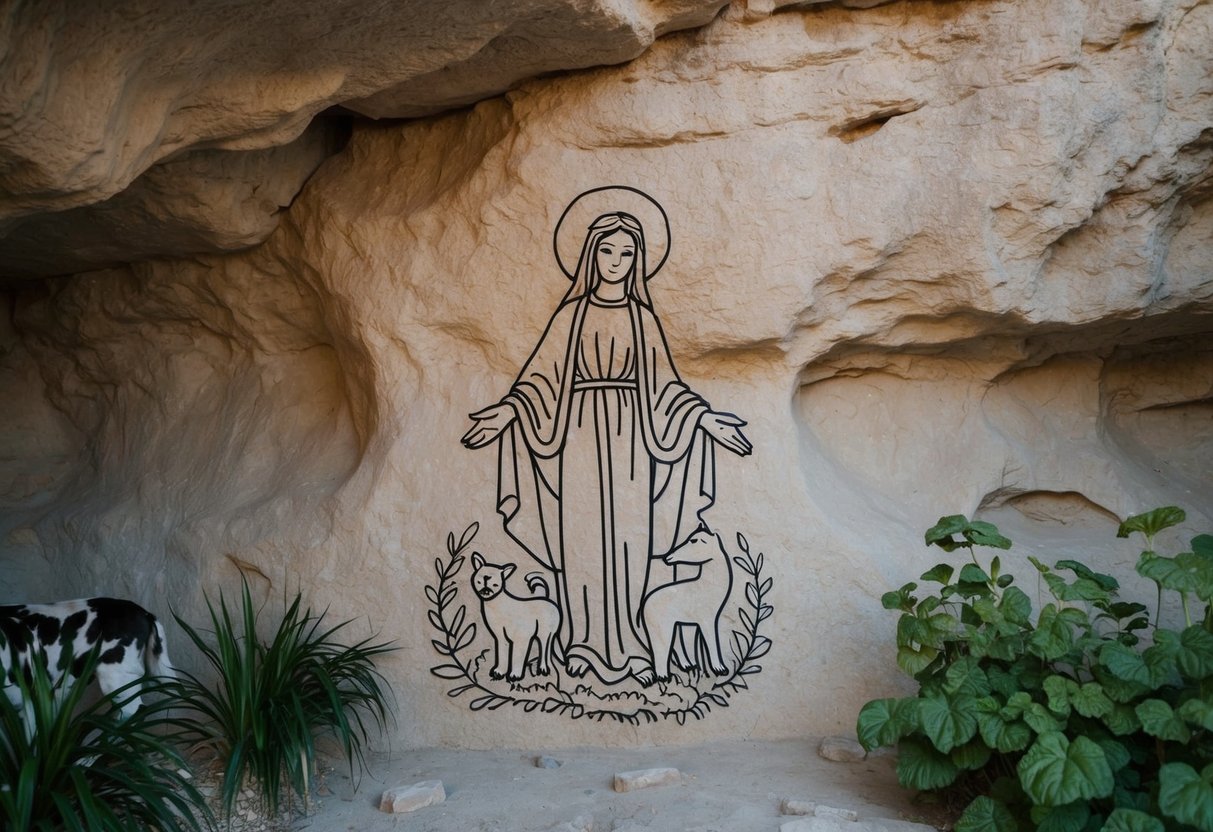
As you delve deeper into this fascinating topic, you’ll discover various representations of Mary throughout history. From frescoes to icons, each piece tells a story about devotion and hope. These early images not only highlight Mary’s significance in the Christian faith but also reflect the cultural and artistic styles of their time.
Exploring the roots of Marian art can enrich your understanding of religious tradition and its evolution. You’ll see how these ancient drawings paved the way for countless artistic interpretations throughout the centuries, revealing the enduring legacy of Mary in art and faith.
Historical Context of Early Christian Art
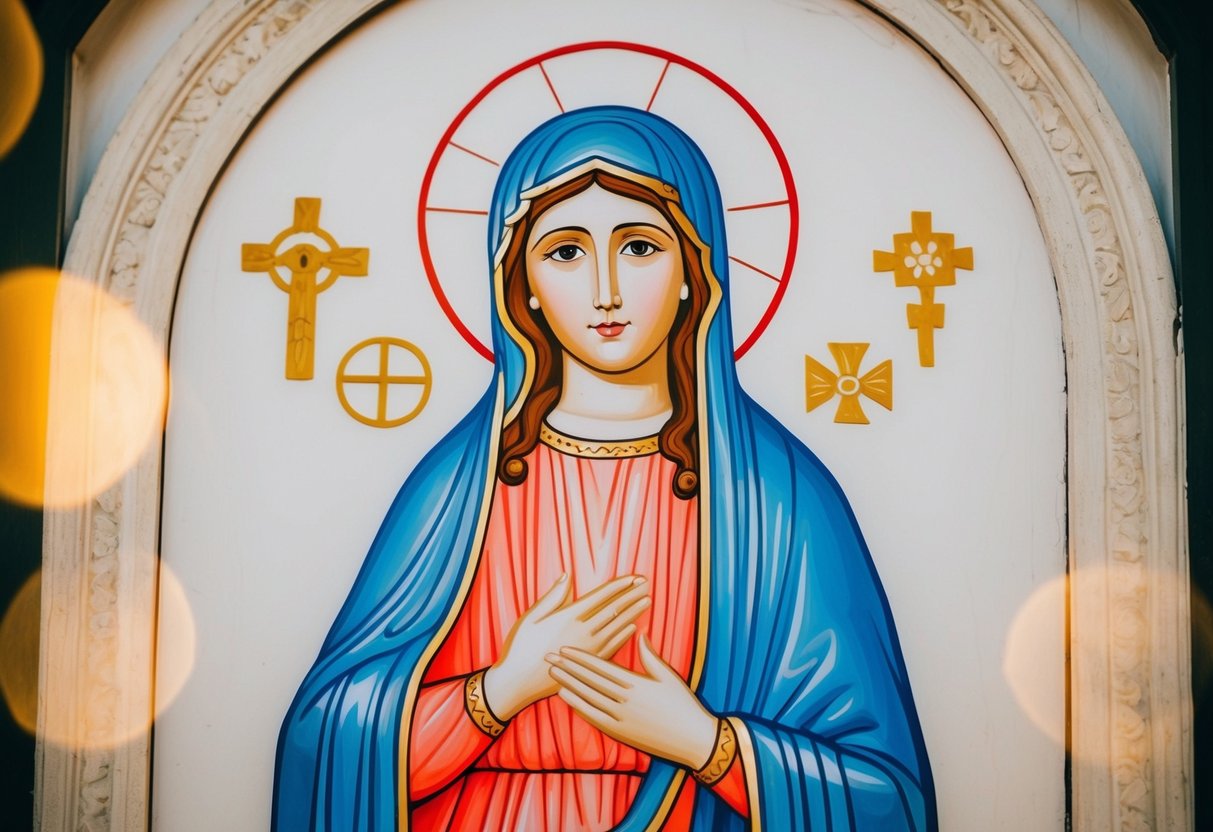
Early Christian art emerged in a time when the followers of Christianity were often in hiding. This unique environment influenced the creation and preservation of art that expressed their faith and beliefs.
Development of Christian Symbols in Art
As Christianity grew, artists began to develop symbols that conveyed meanings beyond what was seen. Simple images like the fish (ichthys) represented Christ and served as a secret sign among believers.
Other symbols included the Good Shepherd and the Chi-Rho, created from the first two letters of “Christ” in Greek. These images helped Christians express their faith subtly, especially during periods of persecution.
The use of symbols allowed early Christians to navigate their faith in a challenging world. Much of this symbolism can still be seen in Christian art today, linking modern believers with their ancient counterparts.
The Role of Catacombs in Preserving Christian Art
The catacombs, especially the Catacombs of Priscilla, played a crucial role in preserving early Christian art. These underground burial sites in Rome served as safe havens for Christians during times of persecution.
Within these catacombs, you can find beautiful wall paintings and frescoes. Many of these artworks include early depictions of biblical stories and figures, including the Virgin Mary.
Excavations of these sites have uncovered numerous artworks that highlight the beliefs and practices of early Christians. The catacombs not only preserved art but also provided insight into how early Christians expressed their faith in a hidden manner.
The Earliest Known Depictions of Mary
Early images of Mary, also known as the Virgin Mary or the Blessed Mother, provide insight into the role of women in early Christian art. These depictions highlight her importance as the Mother of Jesus and her status in Christian tradition.
Icons and Frescoes: An Introduction to Early Marian Imagery
The earliest known images of Mary date back to the 2nd and 3rd centuries. These early artworks often appear in Christian churches and catacombs. For example, the Madonna of the Catacombs features Mary holding the Christ child, symbolizing maternal love.
In Dura-Europos, a church features a fresco believed to show Mary. This image might not be clearly defined but reflects the significance of the Annunciation in early Christian thought. The depiction raises interesting questions among art historians about the identity of the woman in the scene.
Byzantine icons later built on this early imagery, portraying Mary as the Protectress of the Roman People. These icons became integral in expressing devotion throughout the Byzantine Empire and beyond.
Analysis of the Madonna and Child Imagery
One of the most common themes in early Christian art is the Madonna and Child. This portrayal emphasizes the bond between Mary and Jesus. In many artworks, Mary is shown tenderly holding her child, representing nurturing love.
The depiction seen in Dura-Europos is crucial for understanding this imagery. It might be one of the earliest representations of Mary, signaling her central role in the Christian faith.
As time progressed, these images evolved. The Madonna with the Magi is another example showcasing Mary alongside figures from the Nativity story. These evolving styles illustrate how Mary’s portrayal adapted to the changing needs of the Christian tradition while maintaining core themes of maternal care and reverence.
Religious and Cultural Significance
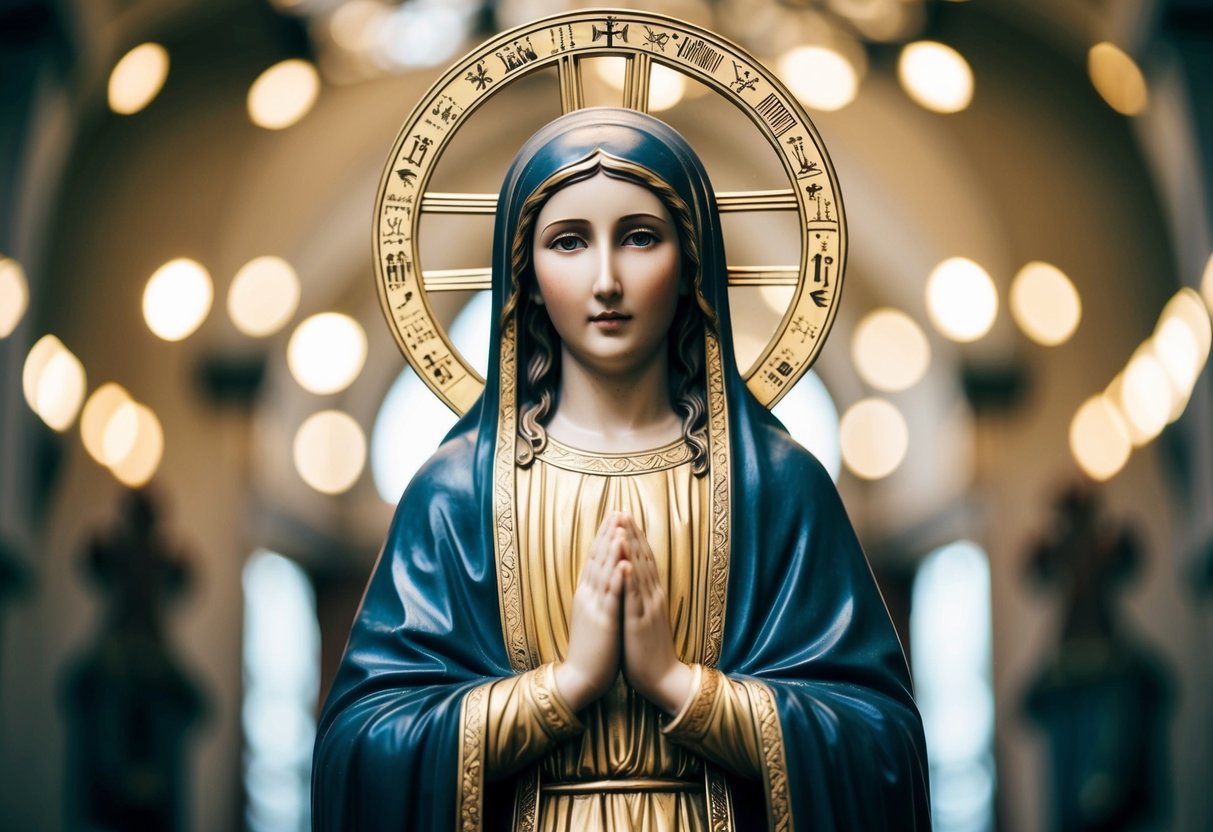
Mary holds a special place in religious and cultural contexts, especially within Christianity. Her images and symbols reflect her importance as the Theotokos, or “God-bearer.” Early Christian depictions of Mary also shaped church teachings and beliefs regarding her role.
The Symbolism of Mary in Early Christianity
In early Christianity, Mary was revered for her purity and humility. She is often shown with symbols like the rose, representing her virtue, and the crown, denoting her status as Queen of Heaven.
The Protevangelium of James, an apocryphal text, highlights Mary’s significance by detailing her miraculous birth and life. Eastern Christianity emphasizes her role in the Nativity and Annunciation, scenes deeply woven into Christian art.
These images invite you to reflect on her maternal qualities and her connection to Christ. Over time, Mary’s portrayal helped solidify her as a central figure in Christian devotion, inspiring countless believers.
The Influence of Marian Art on Church Doctrine
Marian art has significantly influenced church doctrine and beliefs. The representations of Mary helped to shape theological discussions among Church Fathers about her nature and importance.
As the Theotokos, Mary was seen as more than just the mother of Jesus; she became a symbol of divine motherhood.
Artworks depicting her, especially in the context of the Annunciation and Nativity, reinforced her role in God’s salvation plan.
Such themes are not only vital for understanding Christian art but also for grasping how church teachings evolved. These artistic expressions foster deep devotion and reflect the church’s teachings on Mary’s sanctity within the Christian faith.