
What Is the Oldest Symbol of Marriage? Exploring Ancient Traditions and Their Meanings
When you think about marriage, what comes to mind? Many might picture the beautiful rings exchanged in a ceremony, but these rings hold a history that stretches back thousands of years. The oldest symbol of marriage is the wedding ring, which has represented love, fidelity, and commitment since ancient times.
This simple piece of jewelry has evolved over the centuries, yet its meaning remains steadfast. From the early use of reeds and bones by the Egyptians to today’s diamond-studded bands, wedding rings symbolize the bond between partners. They express promises of faithfulness and a shared journey toward happiness.
Exploring the origins of this tradition reveals fascinating details about how different cultures have shaped the meaning of marriage through the ages. You’ll find that these symbols not only reflect your commitment to one another but also connect you to a rich history of love and devotion.
History and Origins
Marriage symbols have deep roots in history and reflect various cultural beliefs. You’ll discover how different civilizations viewed these symbols, especially the significance of the circle and eternity in marriage.
Ancient Traditions
The concept of marriage dates back thousands of years. The ancient Egyptians are often credited with some of the earliest practices. They used rings made of braided reeds, which symbolized love and commitment.
An interesting symbol from this time is the ouroboros, a snake eating its own tail. This design represents eternity and the endless cycle of life. It reflects how marriage is viewed as a lasting bond.
The circle of a ring has no beginning or end, reinforcing the idea of an eternal union. This made rings powerful symbols for couples in love during ancient times.
Symbolism in Different Cultures
Marriage symbols vary across cultures, but many share a focus on eternity and unity. In ancient Greece, the circle also represented eternal love. Couples exchanged rings as signs of commitment.
Different cultures have unique marriage traditions. For example, in Indian cultures, the Mangalsutra is worn by brides, symbolizing marriage and commitment. Similarly, in various cultures, wedding rings are exchanged, signifying the couple’s dedication to one another.
The idea of the ring as a symbol of eternity remains strong today. Many societies value the circle for its representation of lasting love and mutual respect. This connection to ancient symbols shows how meaningful marriage can be across the world.
The Wedding Ring
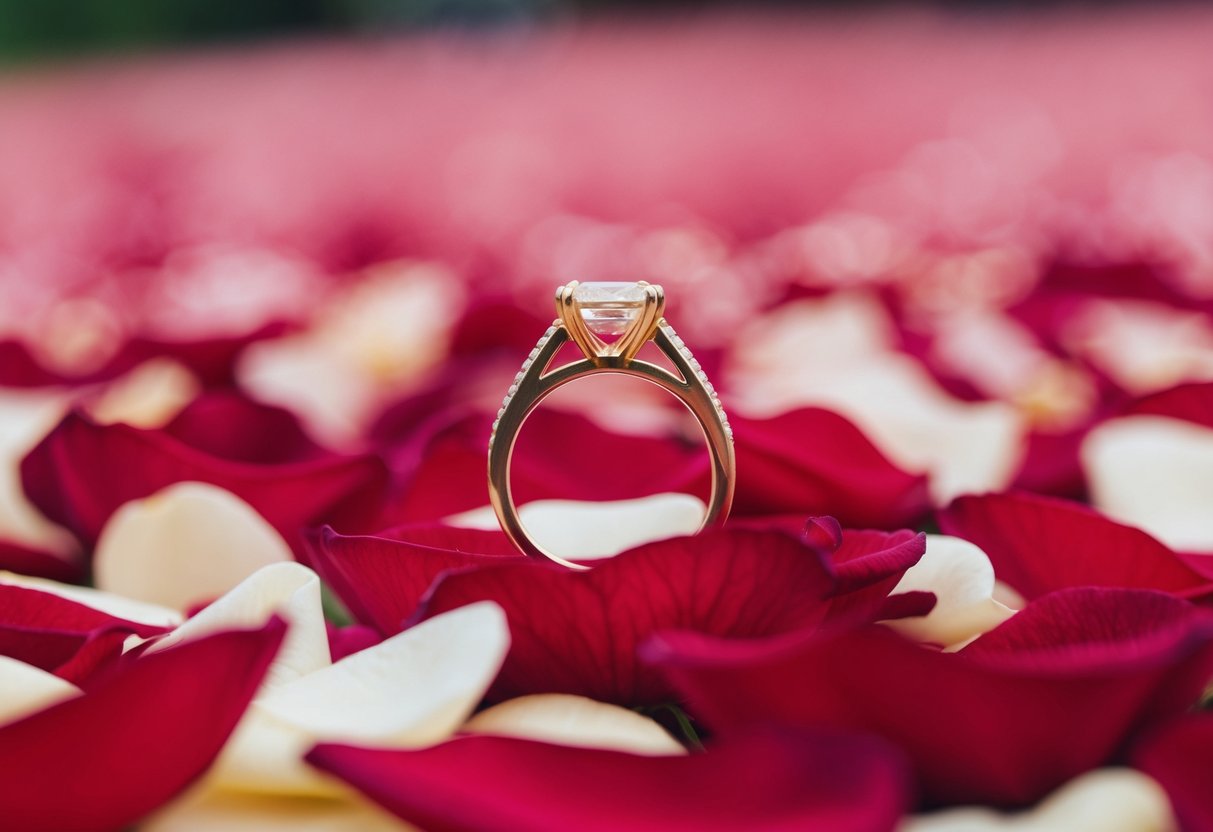
The wedding ring is a powerful symbol of eternal love and commitment. Its design, materials, and placement on the ring finger have evolved over time, creating a rich history that connects generations.
Design Evolution
Wedding rings have changed greatly in design throughout history. Ancient couples exchanged simple bands made from materials like braided hemp or reeds. As time went on, designs became more intricate, incorporating various shapes and styles.
Today, you’ll find an array of designs that suit every taste. From classic gold bands to elaborate settings adorned with diamonds, the choices are endless. Engagement rings often feature a prominent diamond, symbolizing the promise of marriage. Many couples choose to match their wedding rings with their engagement rings for a unified look.
Materials and Gemstones
Wedding rings are made from a variety of materials. Common choices include gold (yellow, white, or rose), platinum, and silver. Each metal has its own unique appeal and strength.
Diamonds are the most popular gemstones for engagement and wedding rings. Known for their brilliance, they symbolize enduring love. Other gemstones, like sapphires or emeralds, are also gaining popularity. When choosing a ring, consider your personal style and lifestyle, as some metals and stones require more upkeep than others.
Ring Finger Significance
The tradition of wearing the wedding ring on the fourth finger of your left hand is rooted in history. The Romans believed that a vein, called the vena amoris, ran directly from that finger to the heart. This idea reinforced the connection between love and the ring.
In many cultures, this finger is still the chosen spot for wearing wedding rings. Some couples also choose to wear their engagement rings on the same finger, making it a beautiful symbol of their commitment. The act of wearing a wedding ring serves as a daily reminder of your love and partnership.
Cultural Significance and Practices
Marriage is rich with rituals and beliefs that reflect cultural values. Different symbols play a key role in these practices, enhancing the meaning of marriage. You will find fascinating insights into both the rituals associated with marriage and the traditions observed during anniversaries.
Rituals and Beliefs
Many wedding traditions center around the symbolism of rings. For example, fede rings represent loyalty and love. Similarly, signet rings often symbolize family heritage. Gimmel rings come from a tradition where two interlocking bands signify unity between partners.
In various cultures, the act of exchanging rings during the ceremony represents a promise of fidelity. The circular shape of rings symbolizes eternity, indicating that love has no beginning or end. This ritual connects couples to centuries of history and tradition, giving a profound meaning to their commitment.
Anniversary Traditions
As you celebrate your wedding anniversaries, certain practices remain significant. Each year often has traditional gifts associated with it. For example, the 10th anniversary is traditionally celebrated with tin or aluminum, while the silver anniversary marks 25 years with gifts of silver.
Milestone anniversaries often receive special recognition. Many couples exchange meaningful gifts to honor their years together. Anniversary gifts can range from intimate encounters to memorable experiences. They serve as a reminder of the commitment and love shared over the years. These customs keep the spirit of your marriage alive, fostering deeper connections.
Modern Interpretations and Trends
In today’s world, marriage symbols have evolved to reflect personal values and modern beliefs. You will see a mix of traditional and contemporary elements that capture love, devotion, and good luck in unique ways.
Contemporary Designs
Modern wedding rings often showcase unique designs and beautiful gemstones like rubies, sapphires, or emeralds. These stones represent loyalty and prosperity, making them meaningful choices for couples. Many opt for customized bands that symbolize their love story, incorporating elements that are significant to both partners.
You may also notice trends like mixed metals or nature-inspired designs that connect to the couple’s personality. Some people choose rings with unconventional shapes or colorful gemstones to represent their unique journey together. This personalization adds a special touch to the traditional symbol of marriage.
Symbolic Gestures in Weddings
Modern weddings incorporate several meaningful rituals. The concept of “something old, something new, something borrowed, something blue” represents continuity, optimism, and fidelity, serving as tokens of good luck. For example, you might wear a family heirloom, a new dress, or blue accessories to fulfill this tradition.
Many couples also adopt joyful activities like throwing rice or ringing wedding bells to ward off evil spirits and celebrate love. These actions signify fertility and prosperity, enhancing the festive mood of the occasion. Each gesture not only reflects tradition but also personal meaning, making your wedding day uniquely memorable.