
What Is the Oldest Wedding Vow? A Journey Through Time and Tradition
When you think about wedding vows, you might wonder where they come from and how they have evolved over time. The medieval church is responsible for creating the oldest wedding vows. These vows are closely linked to the Sarum Rite used in England. This rich history highlights how vows have always been a significant part of the commitment and partnership between two people.
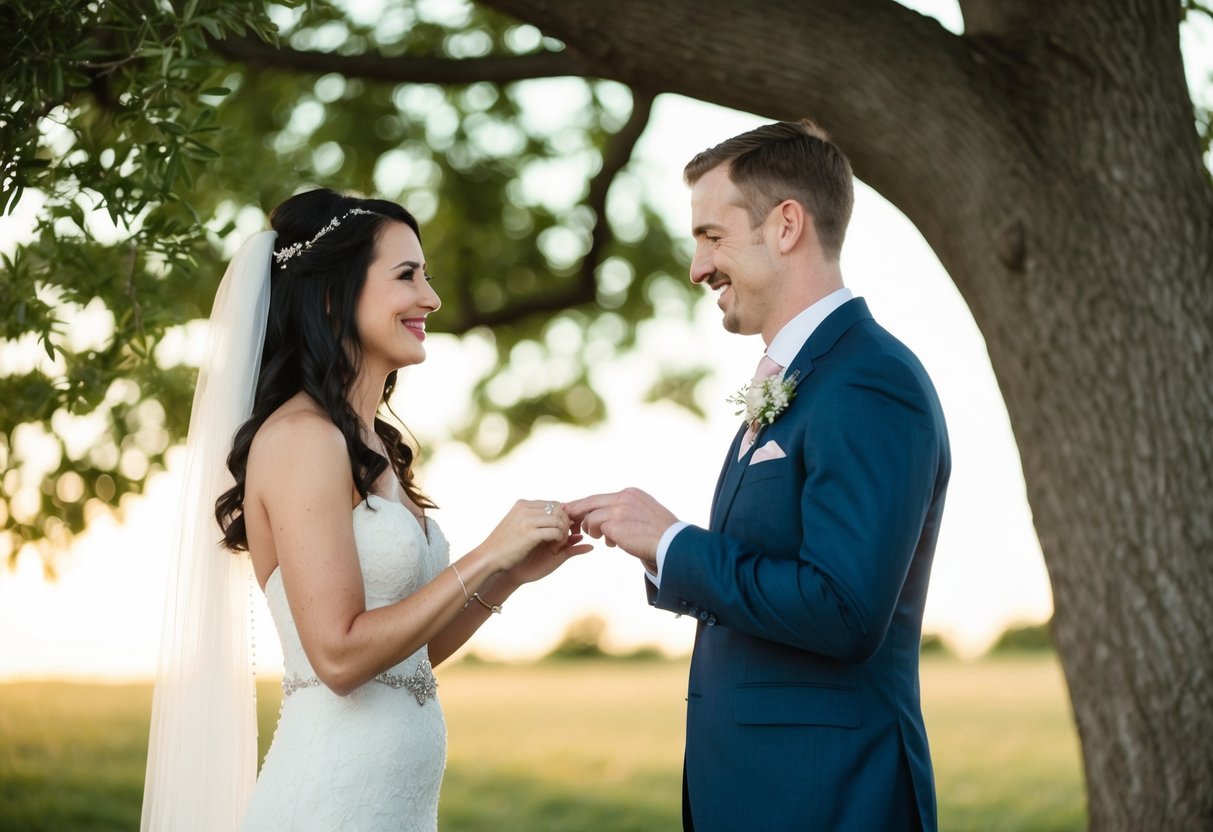
As you explore this topic, you’ll discover the various traditions surrounding wedding vows and how they reflect the values of love and loyalty. Understanding the origins of these promises can add a deeper meaning to your own vows, making your commitment feel even more special.
Join me in looking back at the history of wedding vows and the traditions that shaped them. You might find some fascinating details that could inspire your own journey in love and partnership.
The Origins of Wedding Vows

Wedding vows have a rich history that goes back centuries. To understand their origins, it’s essential to look at how the medieval church influenced these promises and the role Thomas Cranmer played in shaping what we know today.
Medieval Church and the Sarum Rite
The medieval church in England was key in developing wedding vows. During this period, the church created official texts and rituals for marriage. One significant source was the Sarum Rite, a liturgical manual used in Salisbury.
This manual included guidelines for marriage ceremonies. It provided the earliest forms of vows that couples would say during the ceremony. These texts laid the groundwork for future wedding rites, emphasizing the spiritual bond of marriage.
As you explore vows today, remember that many of these early texts aimed to bless the couple’s commitment. They reflected the church’s influence on marriage practices in a time when religion played a central role in daily life.
Influence of Thomas Cranmer and the Book of Common Prayer
Thomas Cranmer, the Archbishop of Canterbury, made a significant impact on wedding vows with his work on the Book of Common Prayer. Published in 1549, this book was a major shift in how religious services were conducted, including marriages.
Cranmer’s text included new vows that many people still recognize today. For instance, phrases like “I take you to be my husband/wife” became part of the standard marriage ceremony. Cranmer aimed to create a more personal and accessible experience for couples.
His version of wedding vows reflected a blend of traditional church teachings and the changing views of marriage. The Book of Common Prayer influenced not just the Church of England but also many Anglican churches worldwide. By using these vows, couples connected with a history that spans hundreds of years.
Traditional Vows and Their Meanings

Traditional marriage vows carry deep significance, reflecting commitment and love between partners. These vows often incorporate core promises that are rooted in various cultural and religious practices.
The Core Elements of Traditional Marriage Vows
At the heart of traditional wedding vows are essential promises. You might say, “to have and to hold” your partner, emphasizing closeness and affection. The phrases “in sickness and in health” and “for better or for worse” highlight the importance of supporting each other through life’s challenges.
Financial aspects are also addressed with “for richer or poorer,” showing commitment regardless of circumstances. Vows often conclude with “till death do us part,” marking a lifelong dedication. Many vows include the promise to “love and cherish,” reinforcing the emotional bond you share.
These core elements create a solid foundation for a lasting relationship, reminding you of the commitments made on your wedding day.
Cultural and Religious Influences on Vows
Cultural and religious traditions heavily shape marriage vows. For example, in Christian ceremonies, wedding vows often follow the rite of marriage established by the Church, reflecting centuries of religious practice.
In Hindu weddings, you experience the seven promises of marriage, or Saptadi, where couples make vows that symbolize their shared journey. These promises often include commitments to care for each other and create a harmonious life together.
In various cultures, the wording may vary, but the underlying intent remains the same: a pledge to support and cherish your partner. Understanding these influences enriches the meaning of your vows, connecting you to a larger history.
Evolution of Wedding Vows Over Time
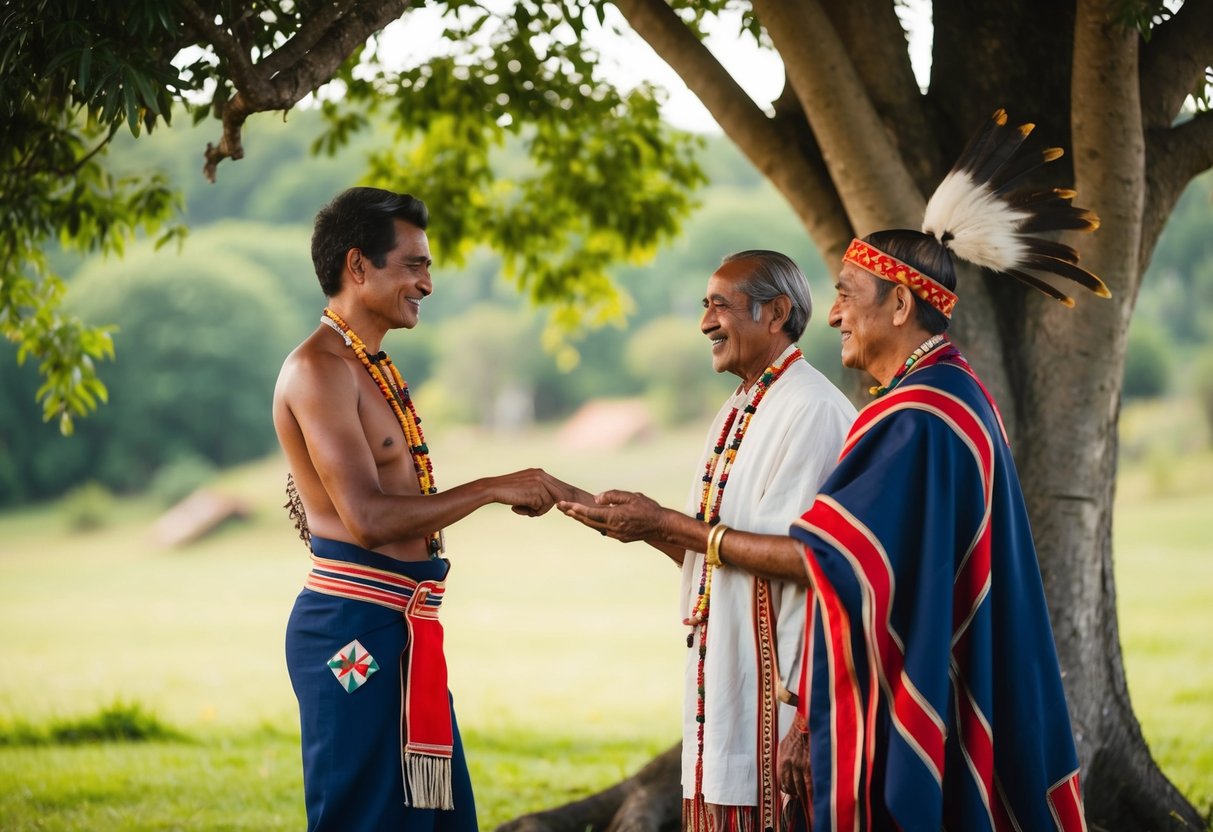
Wedding vows have changed significantly from their early origins to modern times. This evolution reflects shifts in cultural values and personal expressions of love and commitment.
From the Book of Common Prayer to Modern Day
The Book of Common Prayer, published in 1549, was key in shaping traditional wedding vows. This book was used by the Episcopal Church and many other Christian denominations. Its standardized vows emphasized commitment and fidelity, making them a staple in wedding ceremonies.
Over time, these vows became more flexible. Many couples today choose to incorporate personalized elements, transforming their vows into unique expressions of love. You may find that many modern vows reflect personal stories, values, and promises that resonate more deeply with the couple’s journey together.
Incorporation of Personalized Elements in Vows
In recent years, personalized wedding vows have gained popularity. Couples often favor expressing their love in their own words rather than sticking to traditional scripts. This practice allows for genuine sentiments to shine through.
For example, during a civil ceremony or Quaker marriage, vows can be uniquely tailored. The Society of Friends encourages simplicity and authenticity in their vows, promoting heartfelt connections. You might choose to highlight specific memories or future goals, making your ceremony truly special!
These changes in wedding vows mirror the ongoing evolution of love and commitment in society. Each vow tells a story, celebrating the couple’s unique bond.
Unique Wedding Vow Traditions Around the World

Wedding vows can vary greatly, reflecting cultural, religious, and legal traditions. Understanding these diverse practices helps you appreciate the significance behind the promises made during wedding ceremonies.
Vows in Different Cultures and Religions
Different cultures and religions have unique ways of expressing marriage vows. For example, in Jewish tradition, the ketubah is a written document that outlines the husband’s responsibilities to his wife. This contract is often beautifully decorated and signed during the ceremony.
In Catholic weddings, vows are rooted in Biblical texts. Couples exchange promises in front of a priest, emphasizing lifelong partnership. In Quaker marriages, the couple expresses their vows without a formal ceremony. They declare their commitment to each other in front of witnesses, which is a unique approach.
Anglican Church weddings usually incorporate traditional vows that emphasize love and fidelity. These variations reflect the beliefs and values of each culture or religion, adding depth to the ceremony.
Legal and Common Law Considerations
In many places, marriage vows have both emotional and legal significance. For example, in common law marriage, couples can become legally married without a formal ceremony. They must have an agreement to be married and live together as a couple.
Different countries have specific legal requirements for marriage vows. In some regions, vows may need to be expressed verbally for the marriage to be recognized legally. Couples need to understand these legalities, especially if they are marrying across different jurisdictions.
This blending of legal and emotional elements highlights the importance of vows as a commitment to a shared future. It creates a strong foundation for a lifelong partnership.