
What Is the One Finger Rule for Shoes? Knowing the Right Fit for Comfort
Finding the right shoes can make all the difference in your comfort and overall foot health. The one finger rule helps you determine if your shoes fit properly by ensuring there is enough space between your longest toe and the front of the shoe. This simple test can save you from blisters and discomfort, allowing you to enjoy your day on your feet.
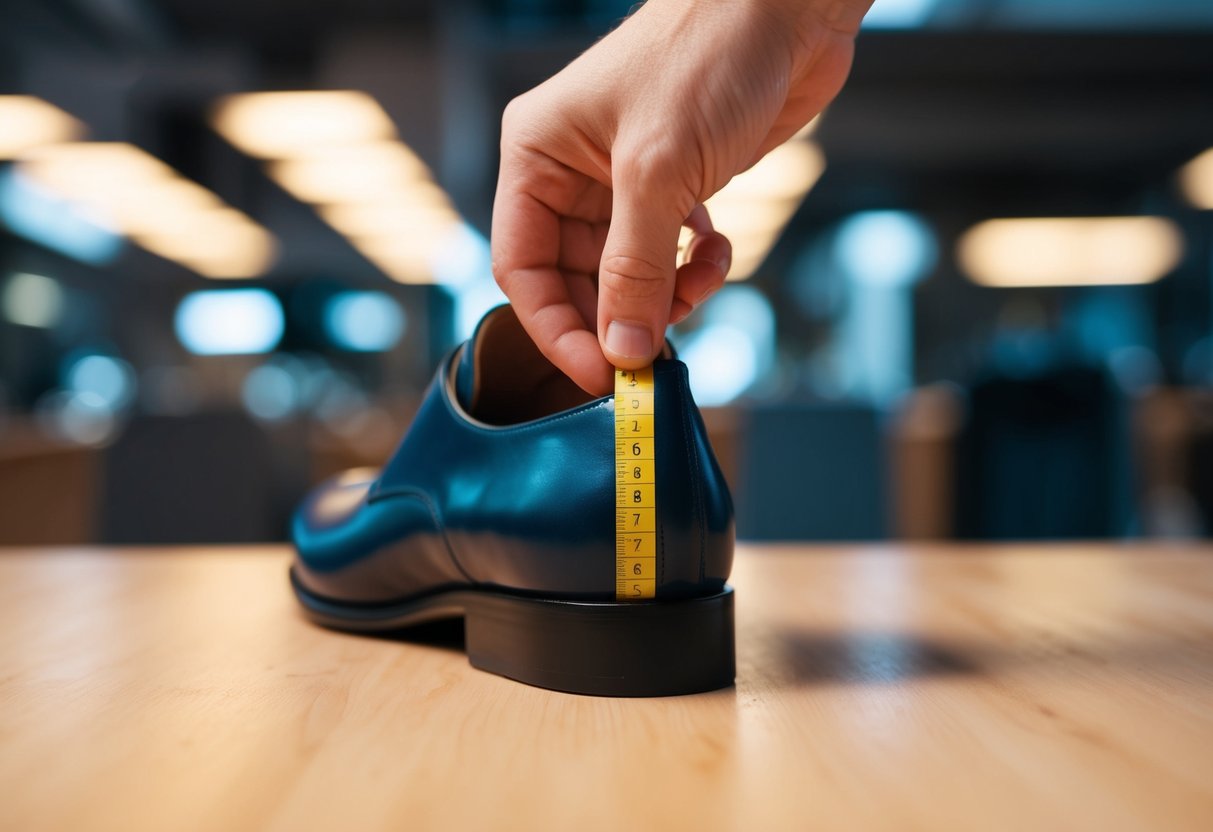
When trying on shoes, make sure to check for this gap. You should be able to comfortably slide one finger between your longest toe and the end of the shoe.
By following the one finger rule, you can prevent issues that come from wearing shoes that are too tight or too loose.
Remember, comfort is key. A proper shoe fit contributes significantly to how you feel while walking or standing. So, whether you’re shopping for sneakers, dress shoes, or everyday footwear, keep the one finger rule in mind to ensure you make the best choice for your feet.
Understanding the One Finger Rule

The One Finger Rule helps you determine if your shoes fit properly. It focuses on comfort and the amount of space in the toe box. By following this simple guideline, you can ensure your shoes offer the right support and wiggle room for your feet.
Basic Concept and Benefits
The One Finger Rule states that you should be able to fit one finger between your heel and the back of the shoe. This ensures that your shoes aren’t too tight, giving your feet enough support and comfort.
When your shoes fit well, you can move more easily. It reduces the risk of blisters and discomfort during activities. Proper wiggle room in the toe box allows your toes to move freely without being cramped.
A good fit guide can help you understand which shoe sizes and shapes work best for your feet.
Proper Application of the Method
To apply the One Finger Rule effectively, start by putting on your shoes with the correct socks. Stand up and make sure your heel is snug against the back of the shoe.
Next, slide your finger inside at the heel of the shoe. If your finger fits comfortably, you’re on the right track. If it’s too tight or too loose, try adjusting the size or style of the shoe.
Remember, comfort is key. Shoes that fit poorly can lead to tired feet and long-term issues. Prioritize finding shoes that offer the right support and sufficient room for your toes.
Shoe Fitting Techniques
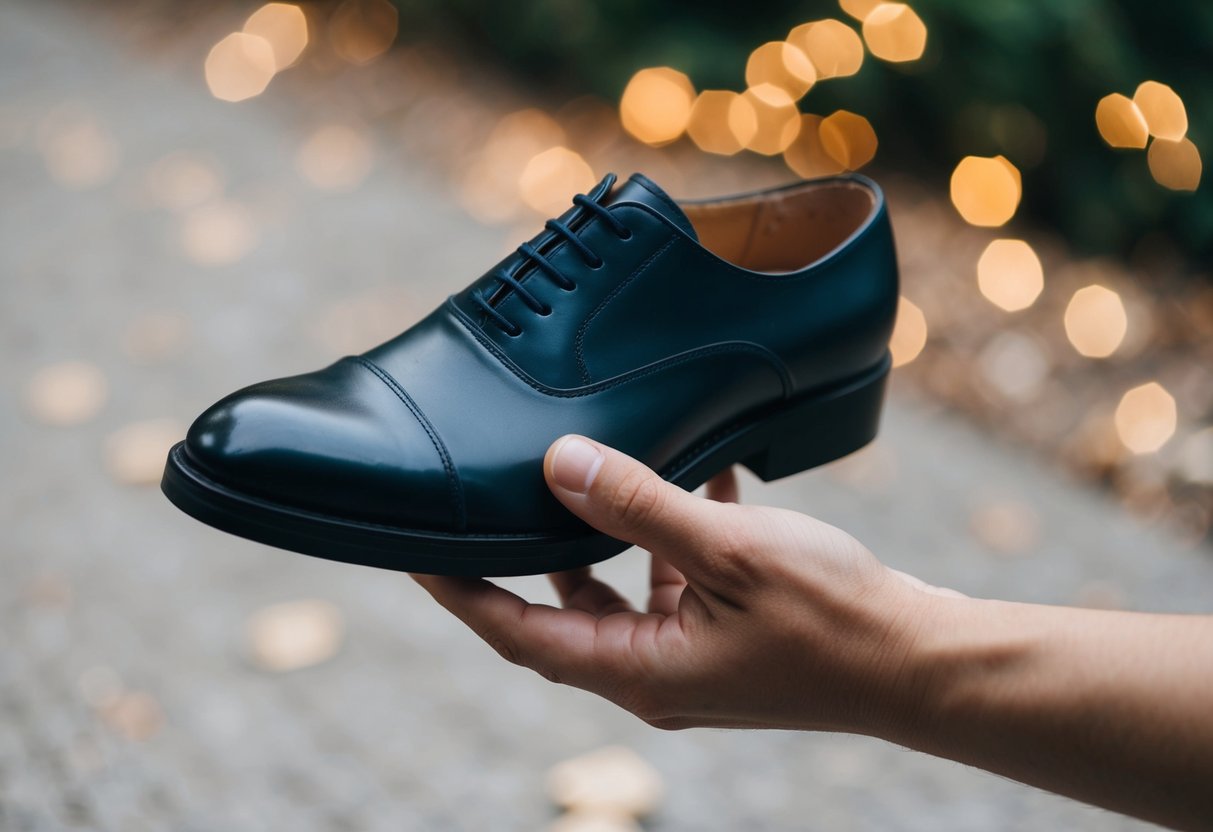
Finding the right fit is crucial for comfort and health. You can achieve this by measuring your feet correctly, understanding shoe sizes, and adjusting the fit with lacing techniques.
How to Measure Your Feet
To start, you should measure your feet at the end of the day when they are slightly swollen. This will give a more accurate size.
- Find a flat surface: Stand on a piece of paper.
- Trace your foot: Use a pencil to outline your foot.
- Measure length and width: Use a ruler to measure from the heel to the longest toe and across the widest part of your foot.
Note down both measurements for accuracy. Different brands might vary in sizing, so always keep these measurements handy.
Interpreting Shoe Sizes and Fit
Shoe sizes can be different across brands, so it’s important to understand your measurements. Most shoe sizes are based on length and width.
- Width measurements: Typically labeled as narrow (B), medium (D), wide (2E), or extra wide (4E).
- Length sizes: Usually range from 5 to 14 in US sizing.
Try shoes on and walk around to see how they feel. They should fit snugly with enough space for your toes to wiggle. If you’re shopping online, consider ordering two sizes for comparison.
Adjusting Fit with Lacing Techniques
Lacing techniques can help you adjust the fit of your shoes for better comfort and support. Here are a few effective methods:
- Heel Lock Lacing: This helps keep your heel in place, reducing slipping.
- Skip Lacing: If you have high arches, skipping a hole can relieve pressure.
- Wide Foot Lacing: If your feet are wider, loosen the lacing across the widest part of your foot to make it more comfortable.
Experiment with these techniques to find what works for your foot shape. A better fit can lead to more comfort and less pain during wear.
Common Fitting Problems and Solutions
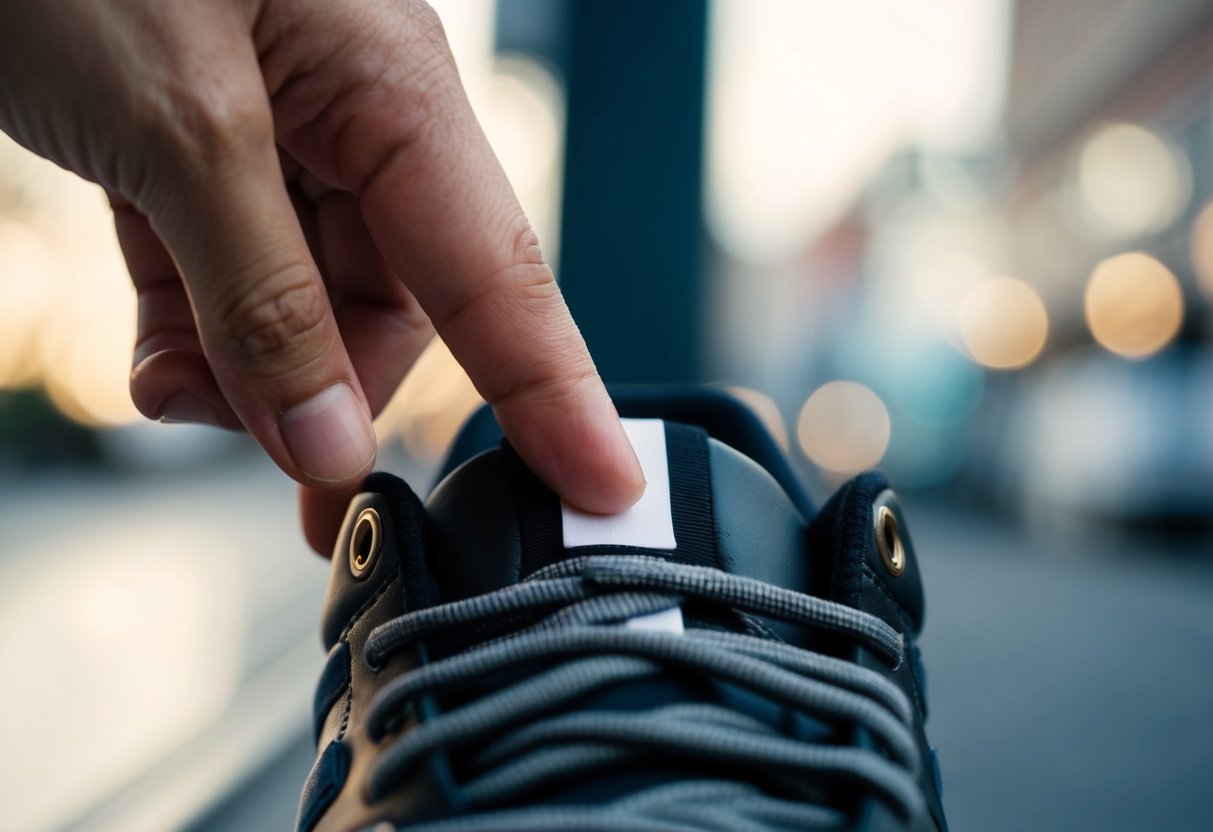
Finding the right fit for your shoes can be tricky. Common issues like heel slip and discomfort can lead to problems such as blisters and ingrown toenails. Here are some solutions to help you enjoy your footwear without the pain.
Dealing with Heel Slip
Heel slip occurs when your foot moves up and down inside the shoe. This can make walking uncomfortable and may lead to blisters. To address this issue:
- Choose the Right Size: Ensure your shoes are snug without being tight.
- Lace Tightness: Adjust the laces to create a tighter fit around the ankle.
- Heel Grips: Consider using heel grips or inserts to fill any gaps.
- Sock Choices: Thicker socks can also help keep your heel in place.
If heel slippage continues, you may want to explore different shoe styles with a higher back or better ankle support.
Preventing Foot Disorders
Improperly fitting shoes can lead to various foot disorders. Common issues include ingrown toenails, calluses, and foot pain. Here’s how to prevent these problems:
- Toe Room: Ensure there’s enough space for your toes. The “one finger rule” suggests a finger’s width of space at the front.
- Proper Width: Shoes should not be too narrow. If you notice blisters or calluses, your shoes might be too tight.
- Regular Fit Checks: Check your shoe fit regularly, especially if you’ve had changes in weight or activity levels.
- Choose Breathable Materials: This can help reduce moisture, preventing blisters and infections.
By being mindful of fit and comfort, you can enjoy your shoes and keep your feet healthy.
Choosing the Right Shoes for Different Activities

Selecting the right shoes is essential for ensuring comfort and support for your specific activities. Each type of shoe offers unique features that cater to different needs, from running to dressing up. Here’s how to find the right fit for your activities.
Selecting Suitable Running Shoes
When it comes to running shoes, comfort and support are key. Look for shoes with a soft cushion and good arch support to help absorb impact.
Key features to consider:
- Cushioning: Provides shock absorption during runs.
- Arch support: Ensures that your feet are supported correctly.
- Breathability: Keeps your feet cool and comfortable.
Make sure to try on running shoes later in the day when your feet are slightly swollen. This ensures a better fit.
You want to have about a thumb’s width space at the front of the shoe, which follows the one-finger rule. If it doesn’t meet these criteria, keep searching until you find the right pair for your runs.
Finding Dress Shoes with the Perfect Fit
Finding the right dress shoes can be a bit tricky. You want something that looks good but also provides comfort throughout the day. Aim for shoes with a proper fit that allows your toes to move slightly without feeling cramped.
Things to think about:
- Material: Leather provides durability and can mold to your foot.
- Heel height: A lower heel can offer more comfort for daily wear.
- Width: Ensure the shoe fits snugly without pinching.
Always walk around in the dress shoes before making a purchase. Check if you can comfortably move your toes and whether the heel sits properly on your foot. Remember, the goal is to look stylish while feeling great.
Tips for Shopping Online
Shopping for shoes online can be convenient, but you need to measure your foot accurately. Start with your foot length and width to choose the best size.
Helpful tips include:
- Use size charts: Different brands can have slightly different sizes.
- Check return policies: Ensure you can return them if they don’t fit.
- Read reviews: Look for feedback on comfort and fit from other customers.
Look for brands that offer detailed size guidelines. Also, always keep the one-finger rule in mind to ensure there’s enough space in the toe area. This will help you find shoes that feel good right out of the box.