
What is the Order of a Wedding Ceremony Script? A Guide to Your Special Day
Planning a wedding can feel overwhelming, especially when it comes to the ceremony itself. The order of a wedding ceremony script sets the stage for your big day, guiding you and your partner through the special moments. Whether you’re having a traditional wedding ceremony with religious elements or a modern, non-religious event, understanding the typical flow can help ease your stress.
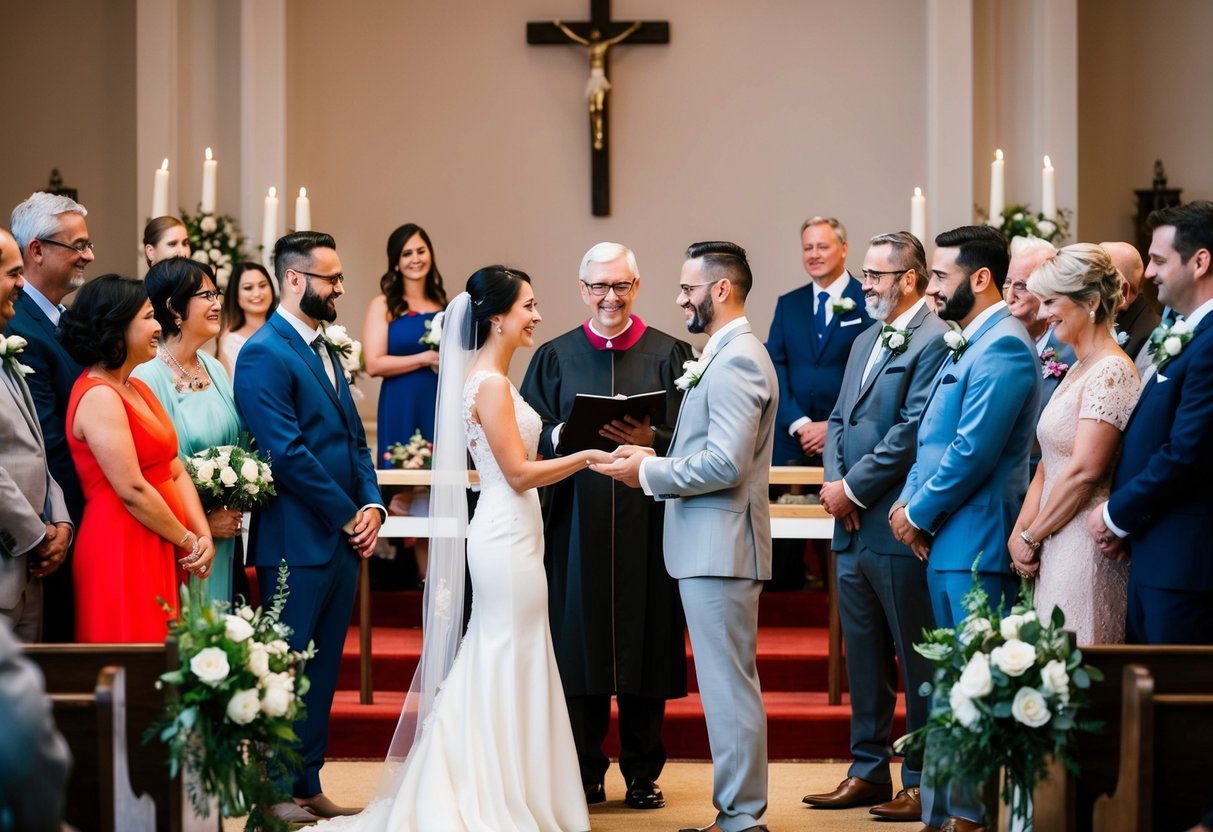
In a typical wedding ceremony outline, several key components are included. These often feature the processional, exchange of vows, and the ring ceremony. You might also personalize the script with readings, music, or even a sand ceremony to make it uniquely yours. Knowing what to expect can help you focus on what truly matters: celebrating your love with friends and family.
By familiarizing yourself with the different elements of a wedding ceremony, you can craft a meaningful and memorable experience. You’ll gain confidence in planning a ceremony script that resonates with you and your partner, ensuring your wedding day reflects your personalities and values.
The Prelude and Processional
The prelude and processional are key parts of your wedding ceremony. They set the mood and mark the beginning of the event. Each part plays a significant role in creating an unforgettable experience.
Musical Prelude
The musical prelude is the first thing your guests will hear as they arrive. This selection of music creates an inviting atmosphere. You can choose instrumental pieces, romantic ballads, or any songs that resonate with you and your partner.
Typically, the prelude lasts around 20 to 30 minutes. During this time, guests take their seats and settle in. You might want to select 2 to 3 songs to create a nice flow. Make sure to pick music that reflects your style and helps get everyone excited for the ceremony.
Seating of the Guests and Bridal Party Entry
As the prelude music plays, it’s time for the seating of guests. Close family members usually receive special attention. You may honor parents, grandparents, and any other important figures.
Once the guests are seated, the bridal party begins to enter. This is where members of the bridal party walk down the aisle in a specific order. The order can vary but typically includes bridesmaids, groomsmen, and flower girls. Many couples choose to have a special song for this part to make it memorable.
Bride’s Processional
The bride’s processional is the highlight of the entry. It is the moment everyone has been waiting for. Often, the bride walks down the aisle alone or with a parent.
A powerful song will usually accompany this moment, adding emotion and importance. The length of the walk can vary but often takes about a minute. You want to capture the moment, so consider what music reflects the feelings you want to convey. This is your time to shine and make a lasting impression on everyone present.
Ceremony Opening and Address
Setting the right tone at the beginning of your wedding ceremony is essential. The opening remarks, readings or songs, and the officiant’s reflections work together to create an inviting atmosphere filled with love and significance.
Welcome Remarks
The ceremony begins with welcome remarks from your officiant. This part is important, as it sets the mood for the rest of the event. The officiant typically greets guests and thanks them for being part of the special day.
In many religious traditions, this opening can include a blessing or acknowledgment of the couple’s love story. This is a chance for you to feel embraced by the warmth and support of family and friends.
Make sure your officiant personalizes these welcome remarks. Sharing a little about your journey can engage attendees and create a heartfelt connection.
Readings or Songs
After the welcome, you might include readings or songs that hold special meaning for you as a couple. This moment allows you to share your love story in a unique way.
Consider selecting passages from literature, poetry, or religious texts that resonate with both of you. Alternatively, a favorite song can beautifully express your feelings.
Including family or friends in this part can add a personal touch. Having someone close read a passage or perform a song adds to the togetherness of the occasion.
Officiant’s Remarks and Reflection on Marriage
Next, your officiant often shares remarks and reflections on marriage. This is a chance for them to articulate the significance of the commitment you are about to make.
The officiant may share wisdom about love, partnership, and the journey ahead. This guidance can be insightful and relatable, helping everyone reflect on their own relationships.
Feel free to discuss topics relevant to your unique love story during this time. Whether it’s humor, challenges overcome, or deep appreciation for one another, these reflections can resonate with your guests and deepen the ceremony’s meaning.
The Vows and Rings Exchange
This part of the ceremony is a heartfelt moment where you express your love and commitment through words and symbols. The vows and rings exchange create a lasting memory of your promises to each other.
Declaration of Intent
The Declaration of Intent is a simple yet significant part of your ceremony. During this moment, the officiant will ask each partner if they are ready to commit to one another.
You might hear questions like, “Do you take this person to be your lawfully wedded spouse?” Your response should be a clear “I do.” This exchange confirms your intention to marry and marks the start of your formal commitment.
It’s a brief moment, but it holds great weight. This declaration signals that you are ready to enter the sacred bond of marriage.
Exchange of Vows
The Exchange of Vows is a deeply personal moment in your ceremony. Here, you share your promises to each other. These vows can be traditional or custom, reflecting your unique relationship.
It’s common to prepare wedding vows that express your feelings, hopes, and commitments. You can plan a sample script ahead of time to guide your words. This is your chance to voice what your partner means to you and what you pledge for the future.
Some couples choose to write their own vows, adding a personal touch. If you do, be sure to keep them sincere and from the heart. This moment is about connecting with your partner and making your love official.
Ring Ceremony
The Ring Ceremony follows the vows. This is where you exchange wedding rings, which symbolize your commitment.
Typically, the officiant will invite the ring bearer to present the rings. As you place the ring on your partner’s finger, you often repeat a simple phrase, such as “With this ring, I thee wed.” This action solidifies your promises, anchoring your vows in a physical symbol.
Each ring serves as a reminder of the love and commitment that you’ve just pledged. Choosing the right rings is important, as they will be worn daily and cherished throughout your marriage.
Concluding Rituals and Recessional
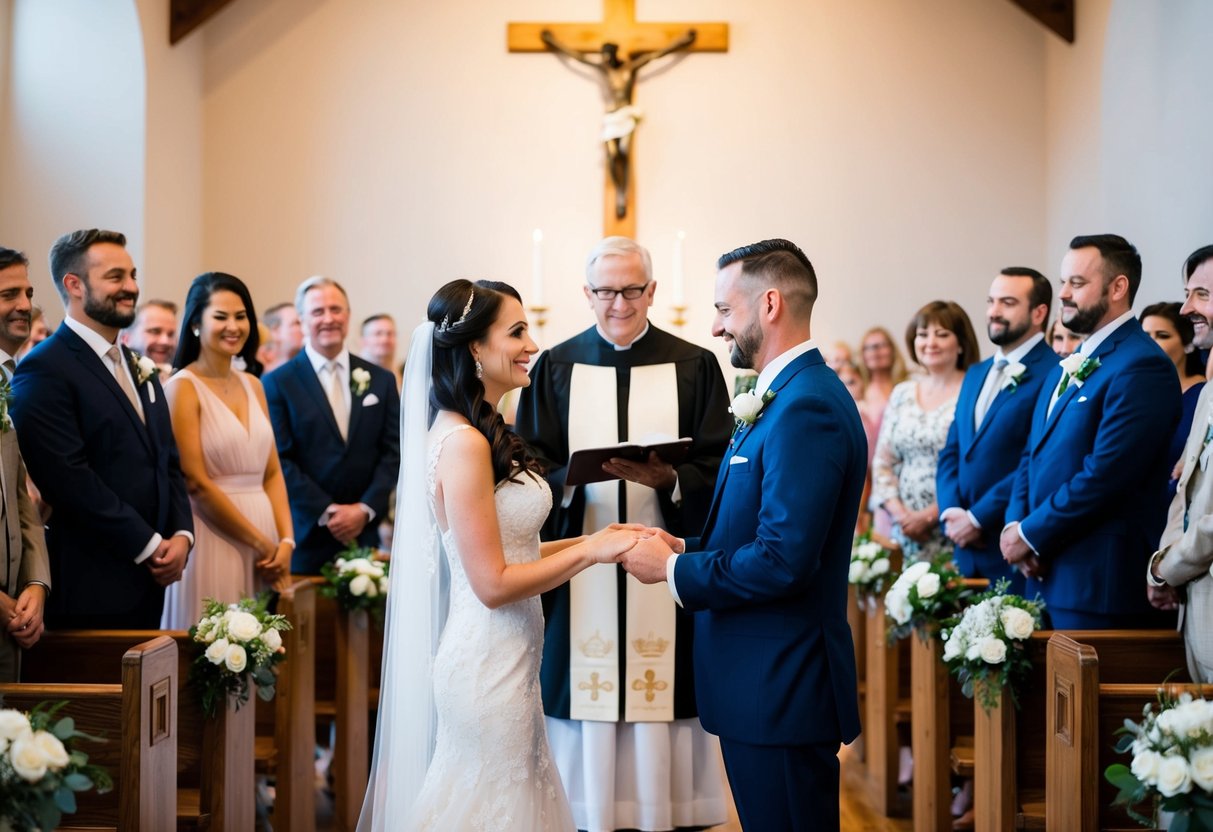
As you approach the end of your wedding ceremony, concluding rituals and the recessional play important roles. These moments include meaningful acts that reflect your union and provide a joyful exit for you and your guests.
Unity Ceremony or Special Ritual
The unity ceremony symbolizes the joining of two individuals into one partnership. You might choose a unity candle lighting, where each partner lights a candle, then together they light a central candle. This act represents your shared future.
Other options include a sand ceremony, where different colored sands are merged into one container, reflecting your unique blend. A handfasting ritual involves tying your hands together to signify your bond. Whatever you choose, make sure it resonates with your values and beliefs to make the moment truly special.
Final Blessing or Communion
In many religious wedding ceremonies, a final blessing or communion might take place. This is a spiritual moment where you receive blessings from your officiant or loved ones. It symbolizes support from your community as you begin your married life.
If your ceremony includes communion, it often serves as a reminder of your faith. During this part, you share a sacred meal, emphasizing the importance of your commitment to each other and to your beliefs. This act can deepen the connection you feel on this significant day.
Pronouncement and Kiss
The pronouncement of marriage is a key moment in your ceremony. After the final blessings, the officiant will declare you married. This moment often includes heartfelt words about love and commitment.
Following the pronouncement, you share your first kiss as a married couple. This kiss symbolizes the love you share and marks the transition into a new chapter together. It’s a moment you and your guests will remember. This joyful celebration of your commitment brings everyone together.
Recessional
The recessional is your formal exit from the ceremony, where you leave the altar as a married couple. You and your partner traditionally lead the way, followed by your wedding party.
The order of exit can vary but generally includes your flower girl and ring bearer if they participated in the ceremony. You might choose music that reflects your personalities, adding a festive atmosphere.
A well-planned recessional allows you to celebrate with your guests as you transition from the sacred ceremony to the festivities ahead. Consider including a fun element like a petal toss or confetti to enhance the joy of the moment!