
What is the Order of a Wedding Day? A Simple Guide to Your Big Day Schedule
A wedding day is one of the most special occasions in your life, filled with exciting moments and cherished memories. The typical order of events includes getting ready, the ceremony, the reception, and fun activities like the first dance and toasts. Knowing the timeline can help you stay organized and enjoy your big day without feeling overwhelmed.
Creating a wedding day schedule is essential for smooth transitions between each part of the celebration. You’ll want to plan when hair and makeup start, the timings for the ceremony, and the reception activities. This structure helps ensure that everything flows seamlessly from one event to the next, allowing you to focus on celebrating with your loved ones.
By outlining the order of the day, you can prevent last-minute chaos and focus on making beautiful memories. A well-thought-out wedding day timeline is your best friend for a relaxed and joyful experience.
Pre-Wedding Preparations
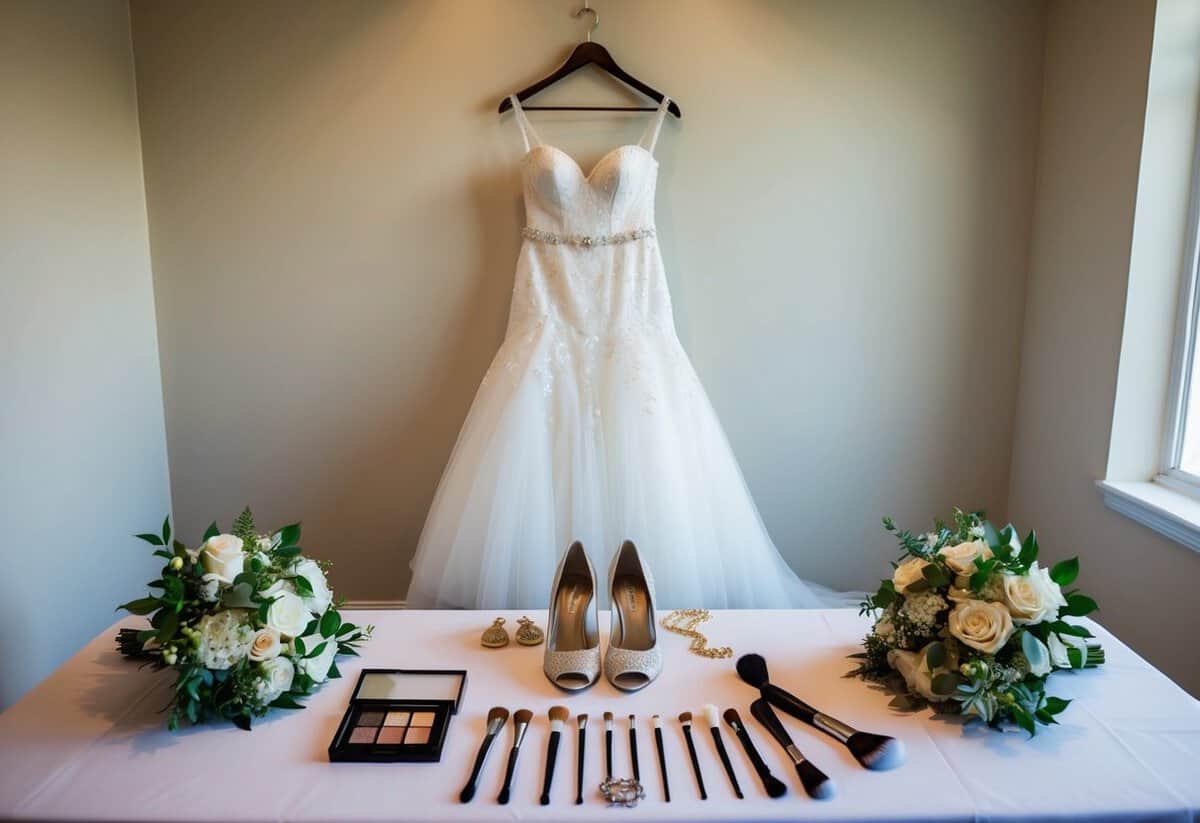
Before the wedding ceremony, you will have several important moments to take care of. This includes hair and makeup sessions, as well as coordinating with your wedding party and photographer. These preparations set the stage for the day and help everyone feel ready.
Getting Ready
Getting ready is a fun and exciting time. You and your wedding party will start your day early, often in a designated location like a hotel room or home.
Make sure you have a list of the beauty services you want, such as hair and makeup. It’s helpful to schedule your hair appointment first, followed by makeup. This allows ample time for touch-ups.
Coordinate with your wedding photographer to capture these moments. Create a timeline to ensure everyone knows when to be ready. Assign a member of the wedding party to help keep things on track.
Enjoy this time with your friends and family, as it creates lasting memories.
First Look
The first look is a special moment where you see your partner before the ceremony. This typically happens a little before the event to allow for intimate photos.
Choose a quiet location for the first look. Many couples prefer picturesque settings like gardens or scenic spots at their venue.
Coordinate with your photographer to ensure they capture this meaningful moment.
This time allows both of you to relax, share emotions, and take a breath before the hustle of the day kicks in. Enjoy the excitement and cherish these private moments together!
Ceremony Details
Your wedding ceremony is a significant part of your big day. It includes various elements like the ceremony outline, exchange of vows, and unique customs that reflect your traditions. Understanding these details can help make your ceremony meaningful and organized.
Ceremony Outline
The ceremony outline is crucial for a smooth flow during your wedding. Start by determining the order of events. Typically, this includes the processional, where you walk down the aisle, followed by the welcome address from your wedding officiant.
Next, you will likely have a declaration of intent, where you affirm your commitment. This may lead into the exchange of vows and rings. Finally, you can add personal touches such as readings or musical performances. In Jewish weddings, you might include the signing of the ketubah and stand under a chuppah. Afterward, you will typically share your first kiss as a married couple.
Vow Exchange
The vow exchange is one of the most heartfelt moments in your ceremony. It’s when you declare your love and commitment to each other. You can choose to write your own vows to include personal stories and promises.
If you opt for traditional vows, make sure they resonate with your relationship. During this time, you will also exchange wedding rings, symbolizing your unbroken bond. It’s important to engage with your partner and speak clearly.
In some traditions, like Hindu weddings, vows may include a shagun ceremony, symbolizing blessings. Each culture has its specifics, so adapt accordingly. This moment should reflect your feelings and intentions.
Ceremonial Customs
Ceremonial customs add a unique flair to your wedding ceremony. Depending on your background, you might include specific rituals. For example, in a Hindu wedding, the baraat involves joyful dancing to celebrate your arrival.
In Jewish ceremonies, the sheva brachot follows the wedding, where blessings are recited. You may also consider handfasting, a tradition that involves tying a knot to symbolize unity. Think about which customs resonate with you and incorporate them into your day.
Including these elements not only honors your heritage but also creates lasting memories. Remember to discuss these customs with your officiant for a smooth integration into your ceremony.
Reception Festivities
The reception is a joyful time to celebrate your marriage with loved ones. It includes several key events like cocktail hour, the first dance, and cake cutting. Each part of the evening helps create lasting memories.
Cocktail Hour and Dinner
After the ceremony, your guests will enjoy a cocktail hour. This is a time for mingling and relaxation, usually lasting about one hour. Drinks and hors d’oeuvres are served, setting a festive mood.
During this time, you can take wedding photos. This allows guests to interact while waiting for the next part of the celebration. After cocktail hour, the dinner is served.
The meal can be formal or casual. You might choose a plated dinner or a buffet. This is also a great time for the emcee to introduce you as the newlyweds and welcome everyone.
First Dance and Cake Cutting
Once dinner is over, it’s time for the first dance. This is a special moment for you and your partner to showcase your love. Choose a meaningful song that reflects your relationship.
After the first dance, the cake cutting follows. This marks a fun tradition and often involves some playful moments. You and your partner will share a slice, and many couples also feed each other a bite.
This part of the reception gives your guests a chance to capture memorable photos. It’s important to give your photographer a heads up for these moments!
Evening Reception
The evening reception is where the party truly begins. After the formalities, it’s time for dancing. Play a mix of songs to keep the energy high and guests engaged.
You might also want to plan special activities, such as a photo booth or games. These can involve everyone and make the evening more interactive.
As the night goes on, it’s nice to have closing remarks. Thanking your guests for being part of your special day feels personal and heartfelt. This can wrap up the evening on a positive note and leaves everyone feeling appreciated.